
The Publisher Eugène Figuière — History & Facts
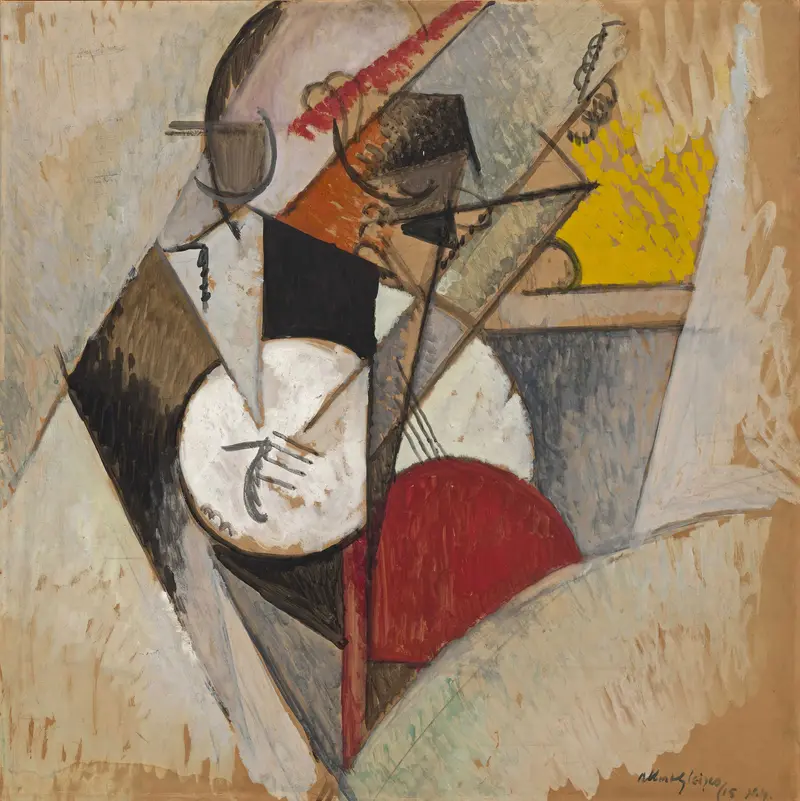
A web of sharp planes and fractured forms immediately draws the eye to the heart of The Publisher Eugène Figuière, painted by Albert Gleizes in 1913. The sitter’s identity emerges not through a traditional likeness, but through a mosaic of objects and text: books fan out around him like banners of intellect, their titles legible amid the abstraction. A clock hovers in the upper left, its hands frozen just before the hour, hinting at the relentless march of deadlines and the urgency of ideas.
The palette is sober yet lively, with ochres and greys punctuated by flashes of red and blue, guiding the gaze in restless circuits around the composition. Here, the publisher is less a man than a force—an axis around which literature and modernity spin. This painting belongs to the world of Cubism, a movement that, by 1913, was at the height of its radical experimentations. Artists like Gleizes sought to capture not just appearances, but the structure and rhythm of modern life, often portraying intellectuals, writers, or musicians as composites of their tools and environments.
Such portraits were rarely private commissions; rather, they were public statements about the new alliances between art, literature, and the machinery of culture. Painted in 1913, as documented by its source, this work stands as a testament to a moment when the boundaries between disciplines were dissolving, and the publisher—a mediator of ideas—became a fitting subject for the most forward-looking art of the day. Every angled book and fractured limb invites the viewer to reconstruct the figure, much as the publisher reconstructs meaning from the chaos of manuscripts.
More Artworks by Albert Gleizes

Paysage de Picardie
Albert Gleizes
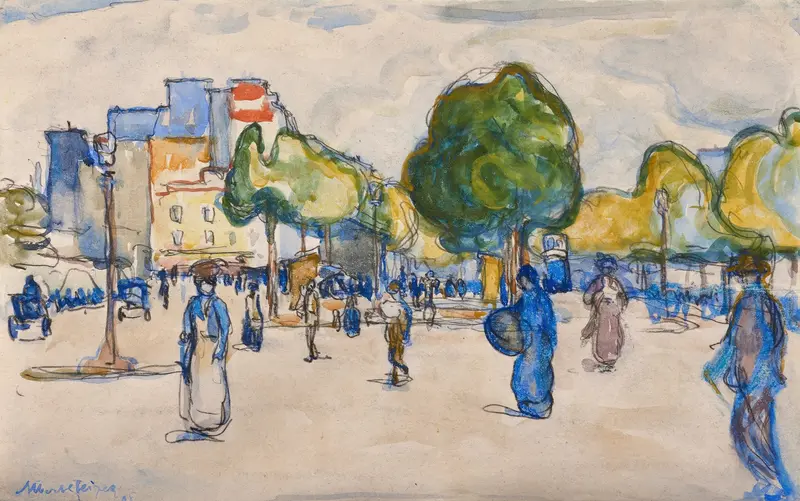
Place animée à Bagnères-de-Bigorre
Albert Gleizes
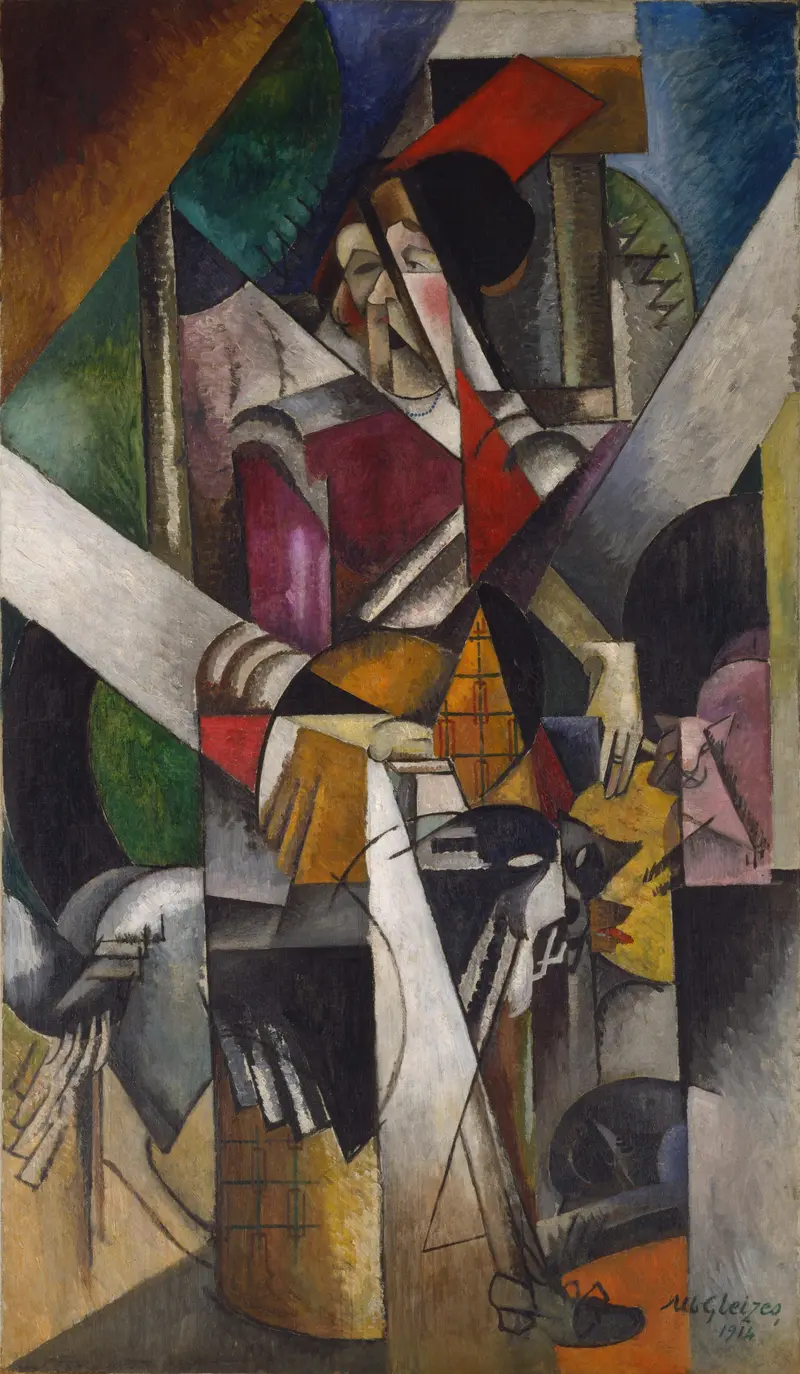
Woman with animals
Albert Gleizes
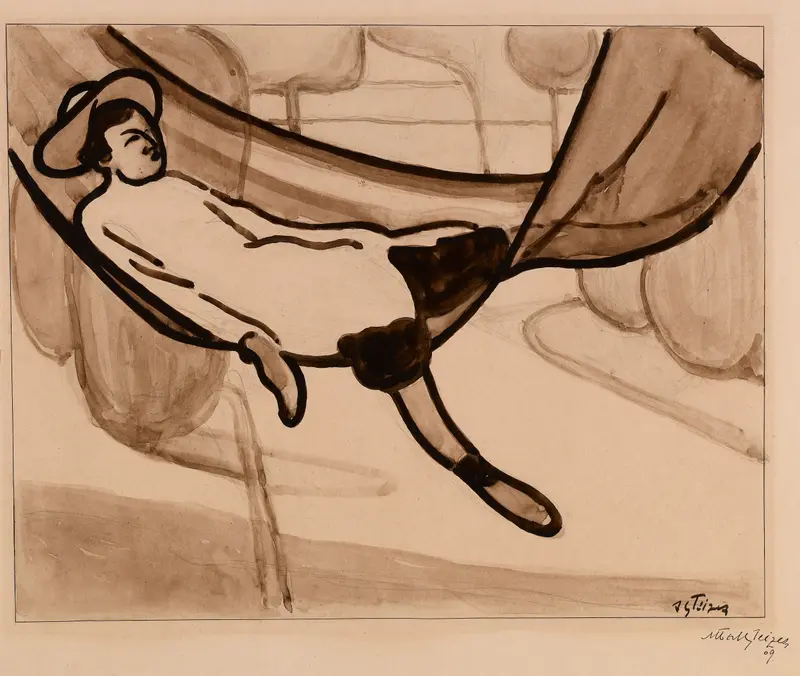
Man in a Hammock
Albert Gleizes
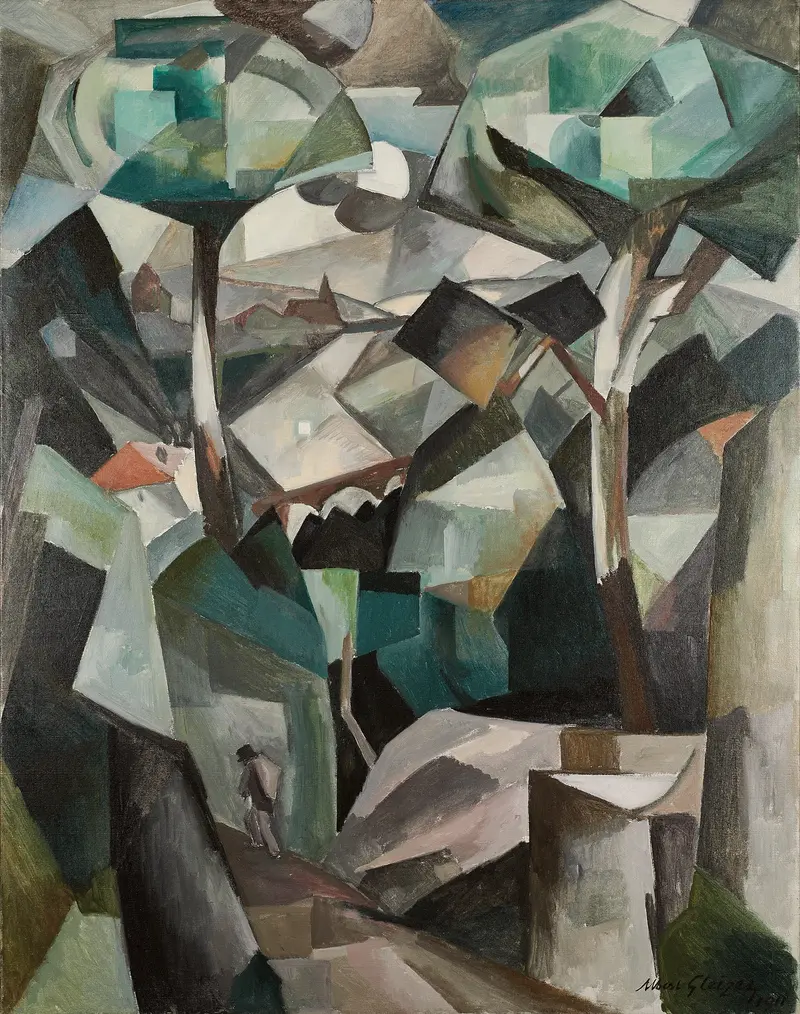
Le Chemin, Paysage à Meudon
Albert Gleizes
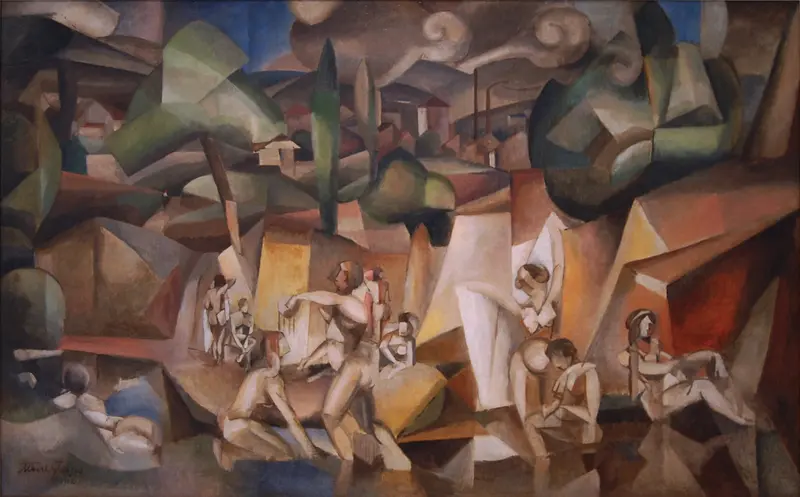
The Bathers
Albert Gleizes
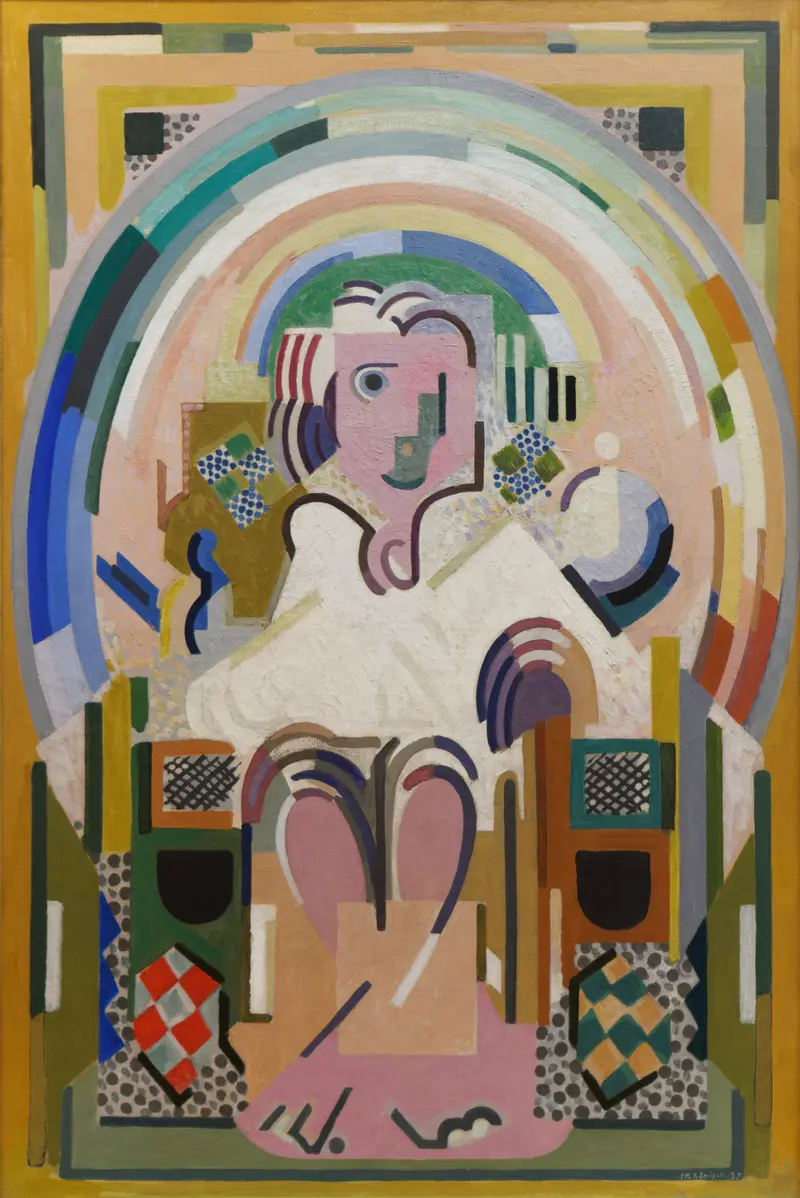
GLEIZES - Le législateur
Albert Gleizes
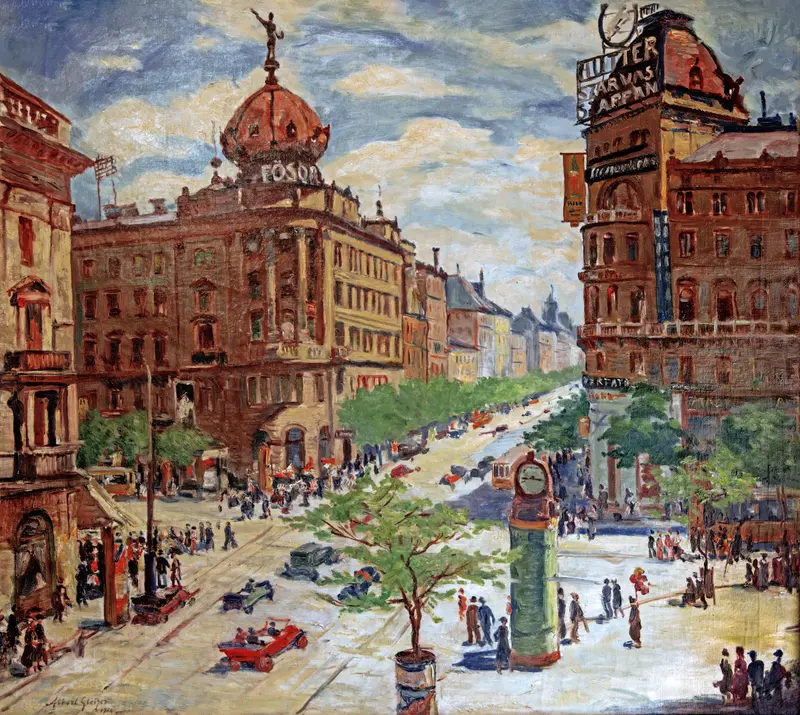
View of Budapest
Albert Gleizes
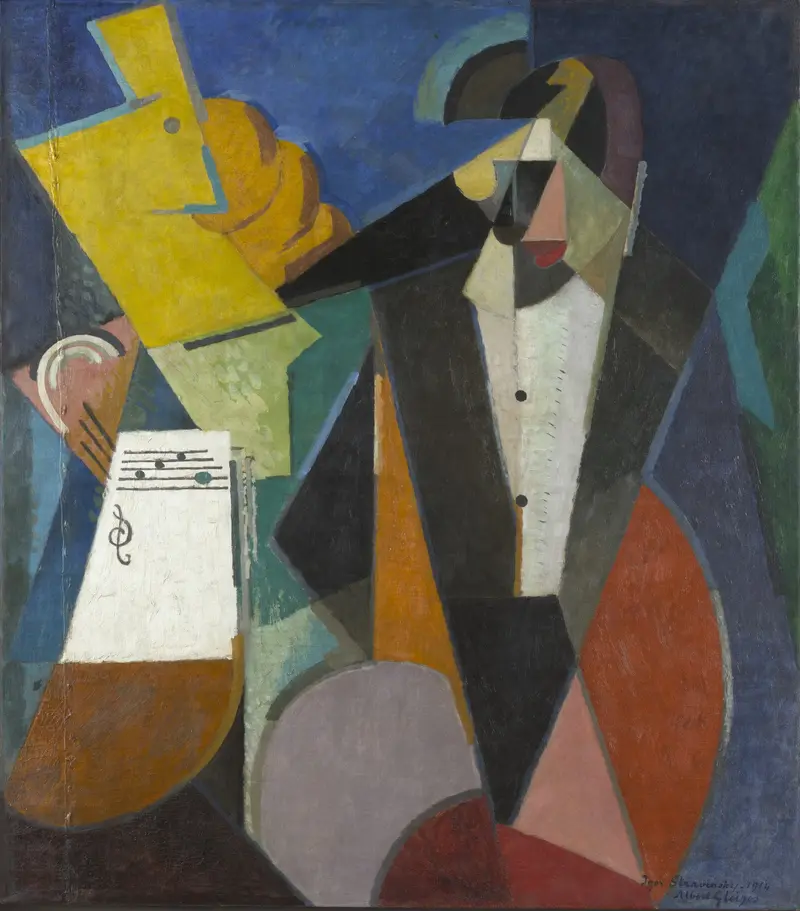
Portrait of Igor Stravinsky
Albert Gleizes
Composition for "Jazz"
Albert Gleizes





