View of Niagara Falls — History & Analysis
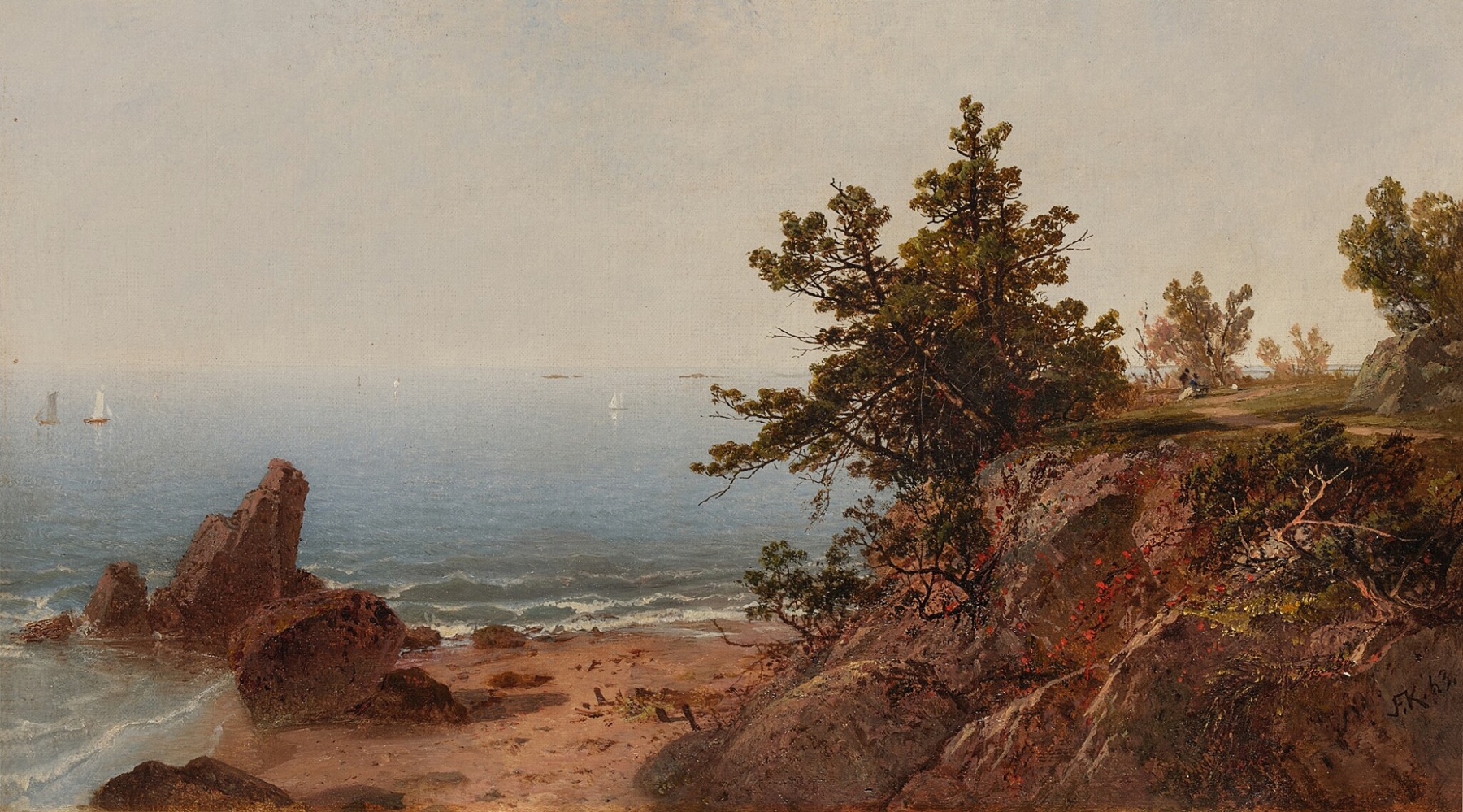
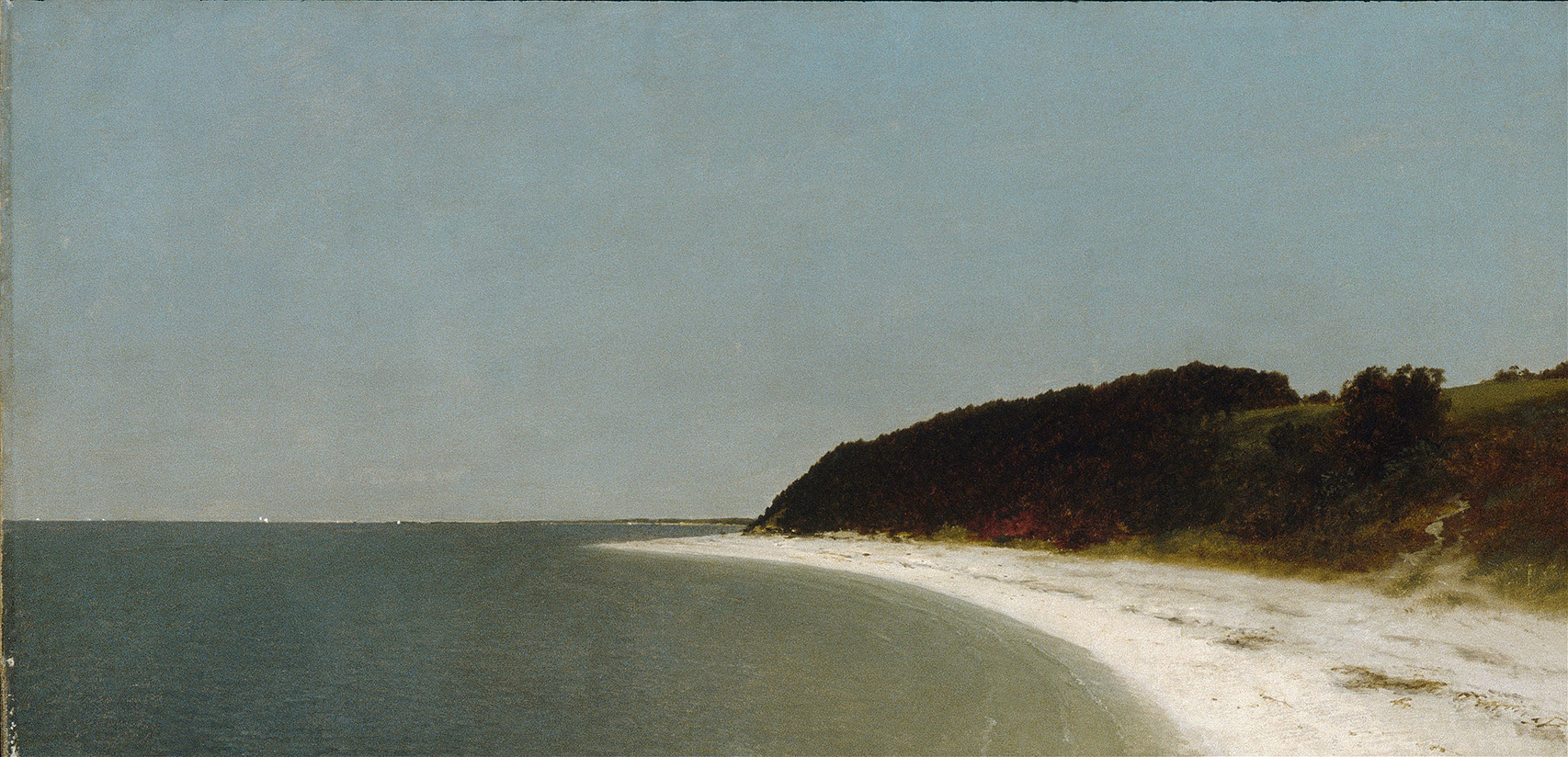
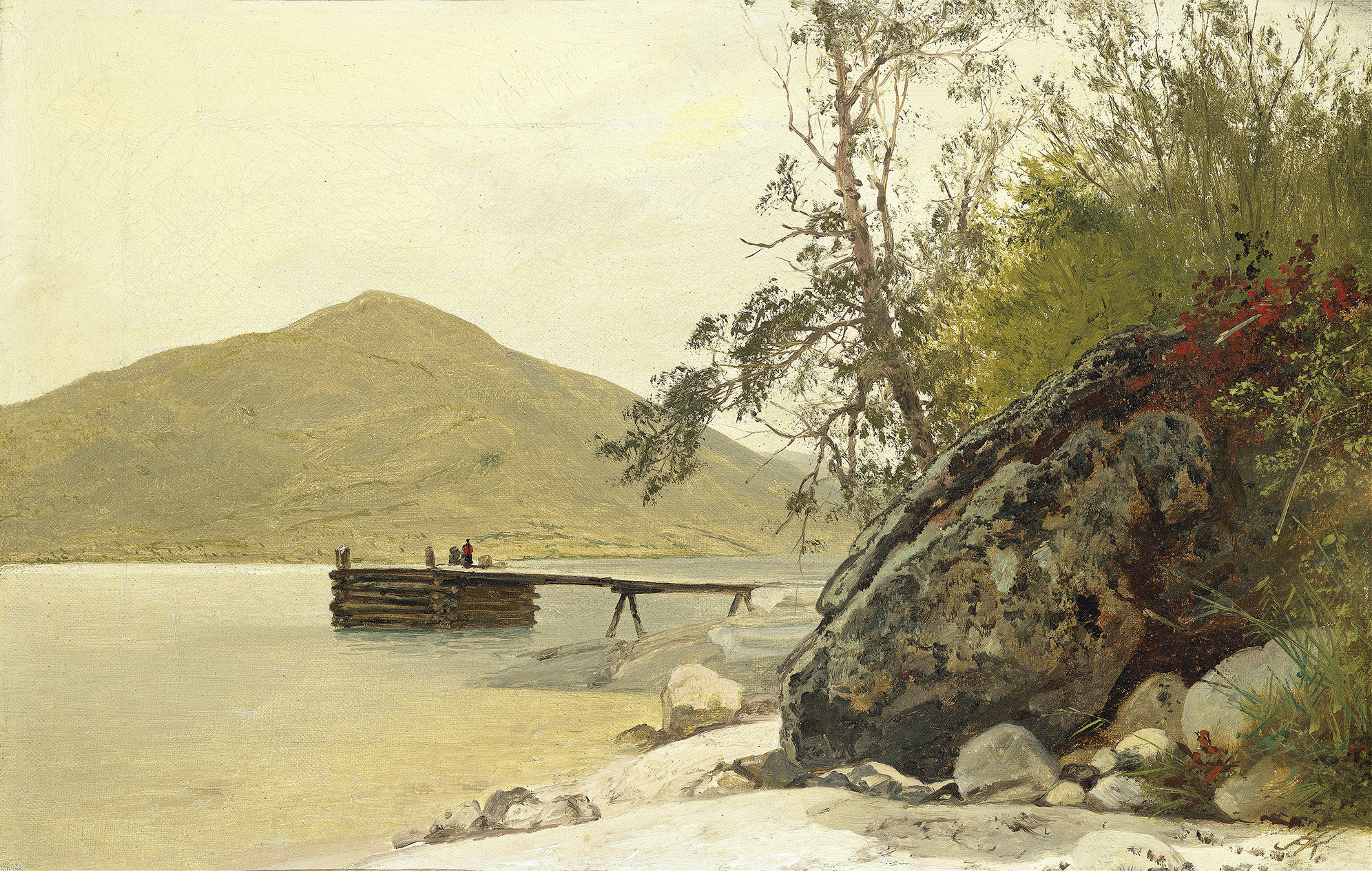
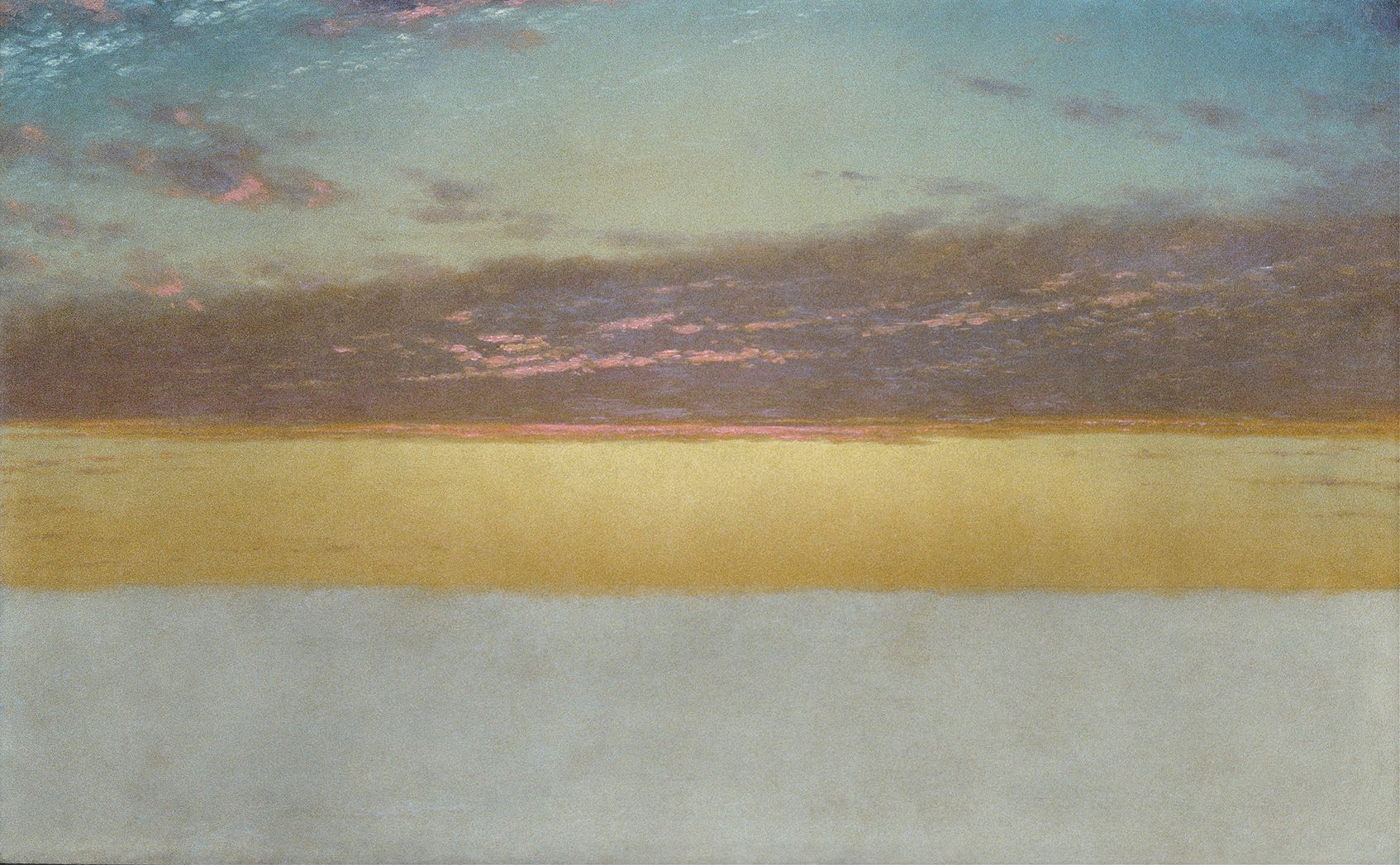
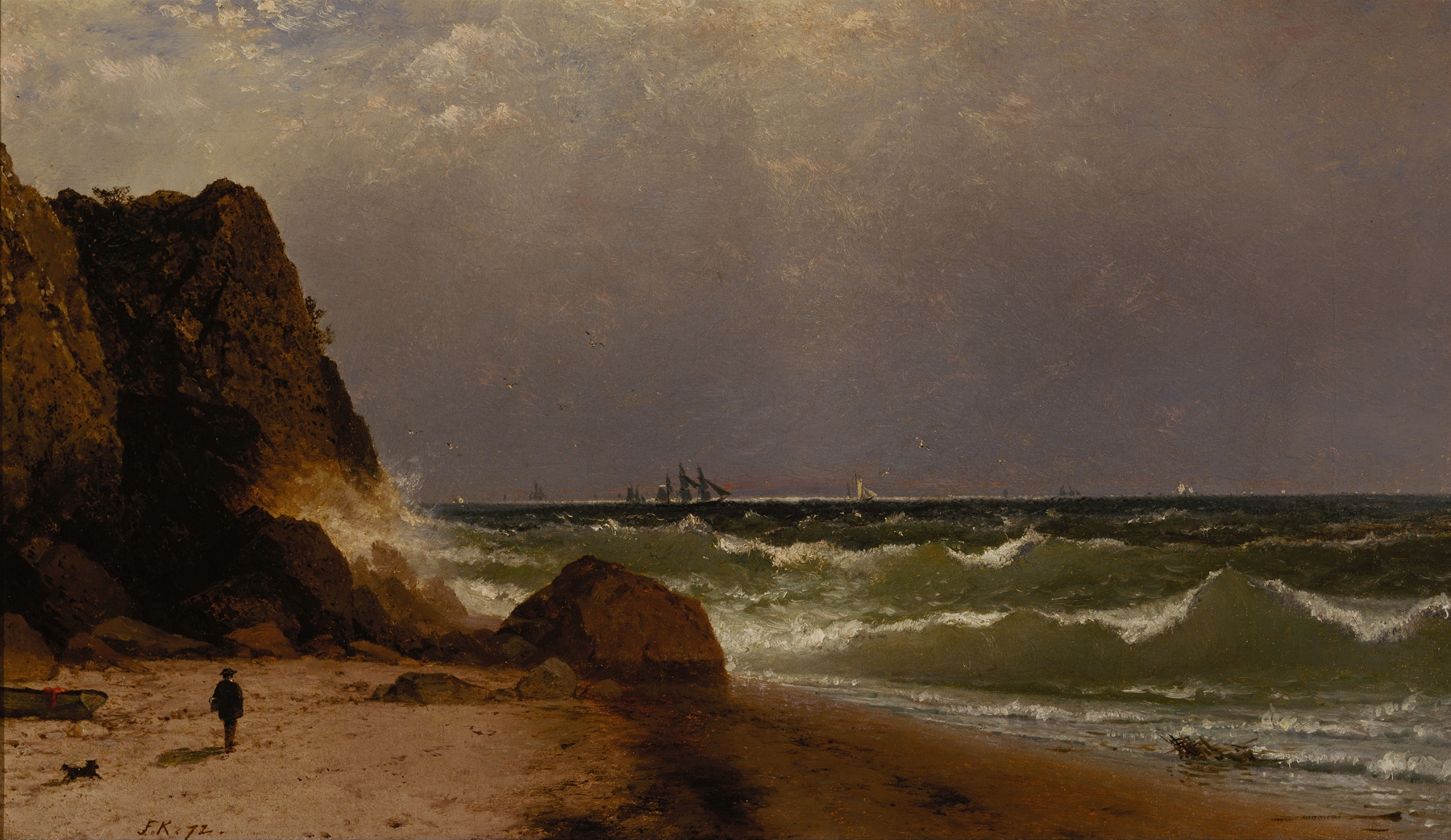
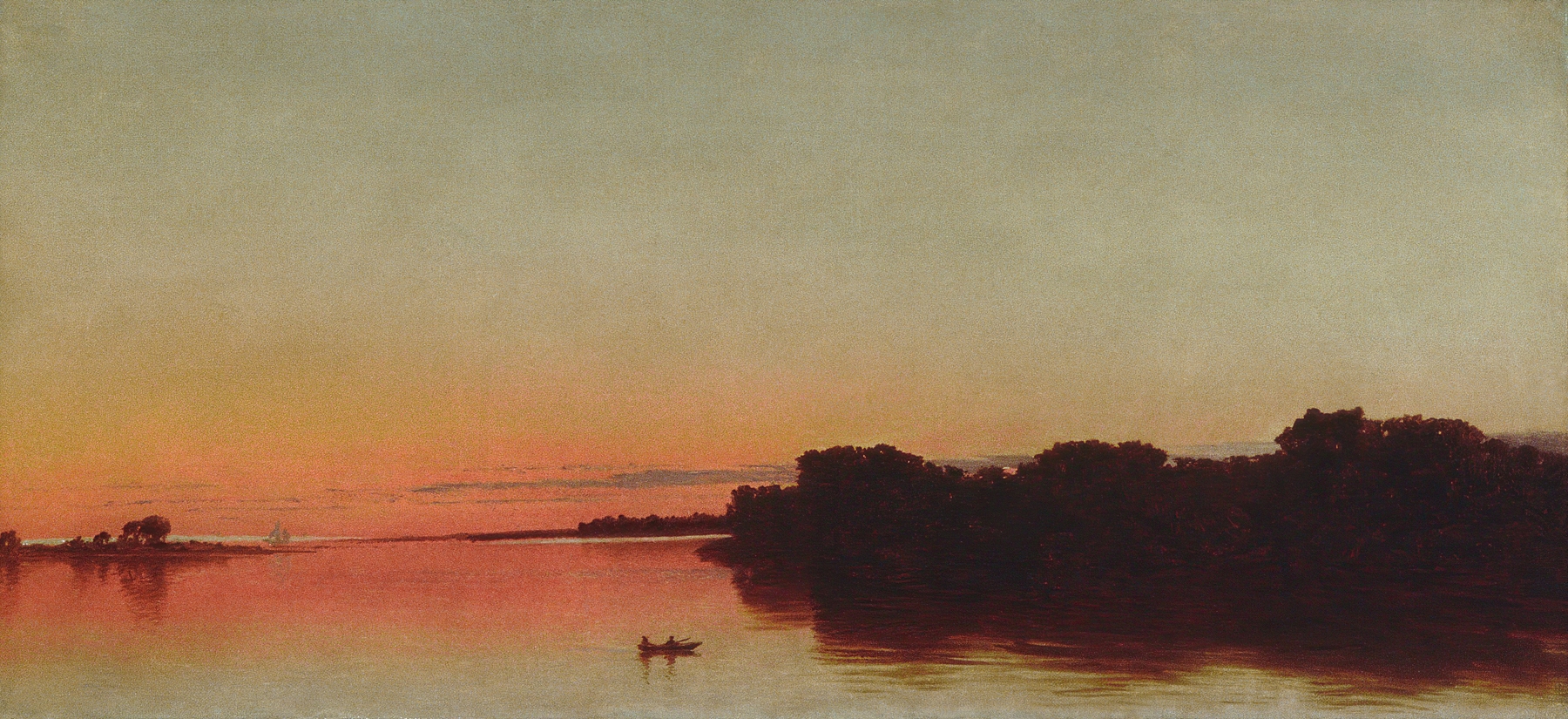
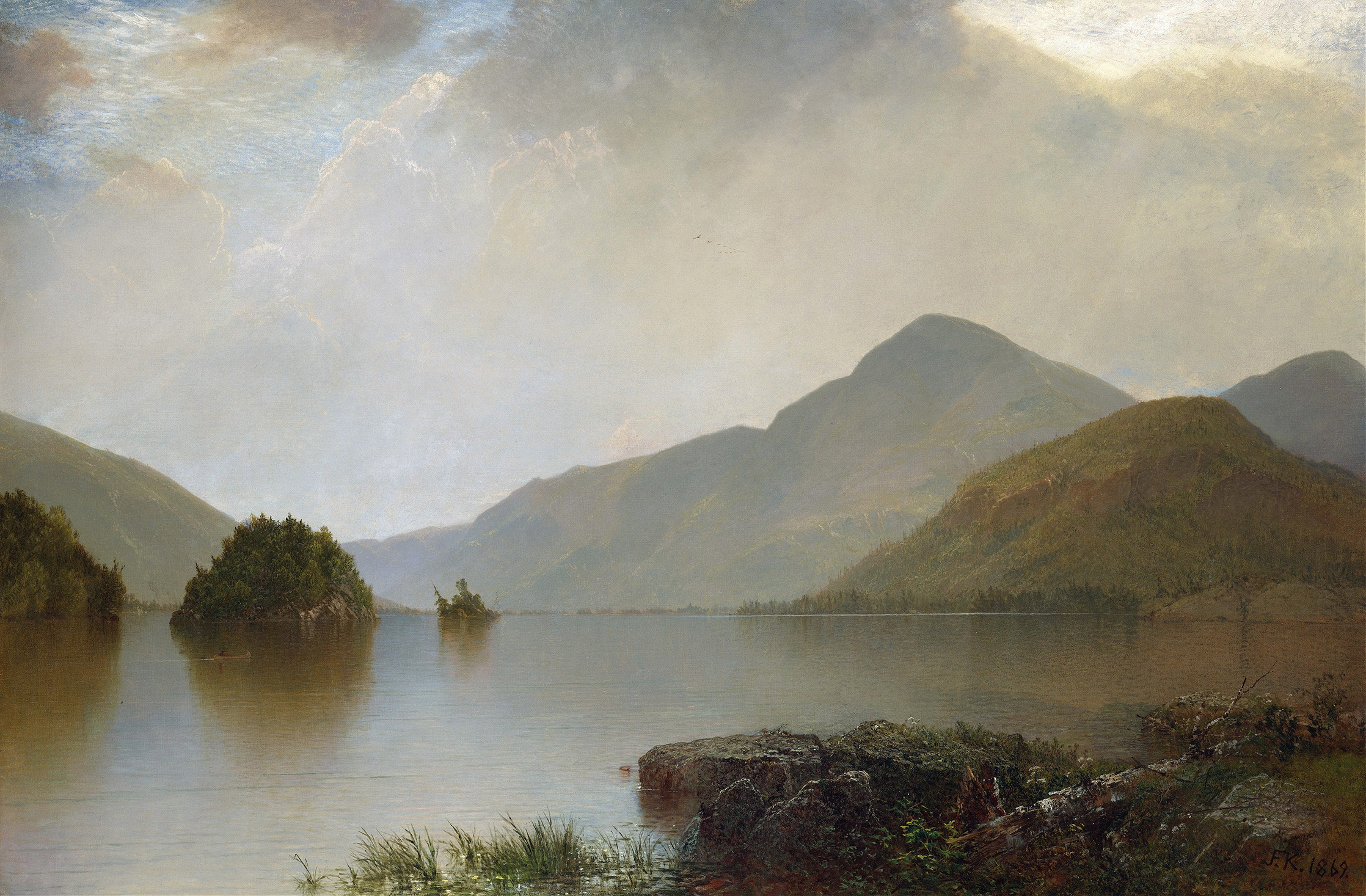
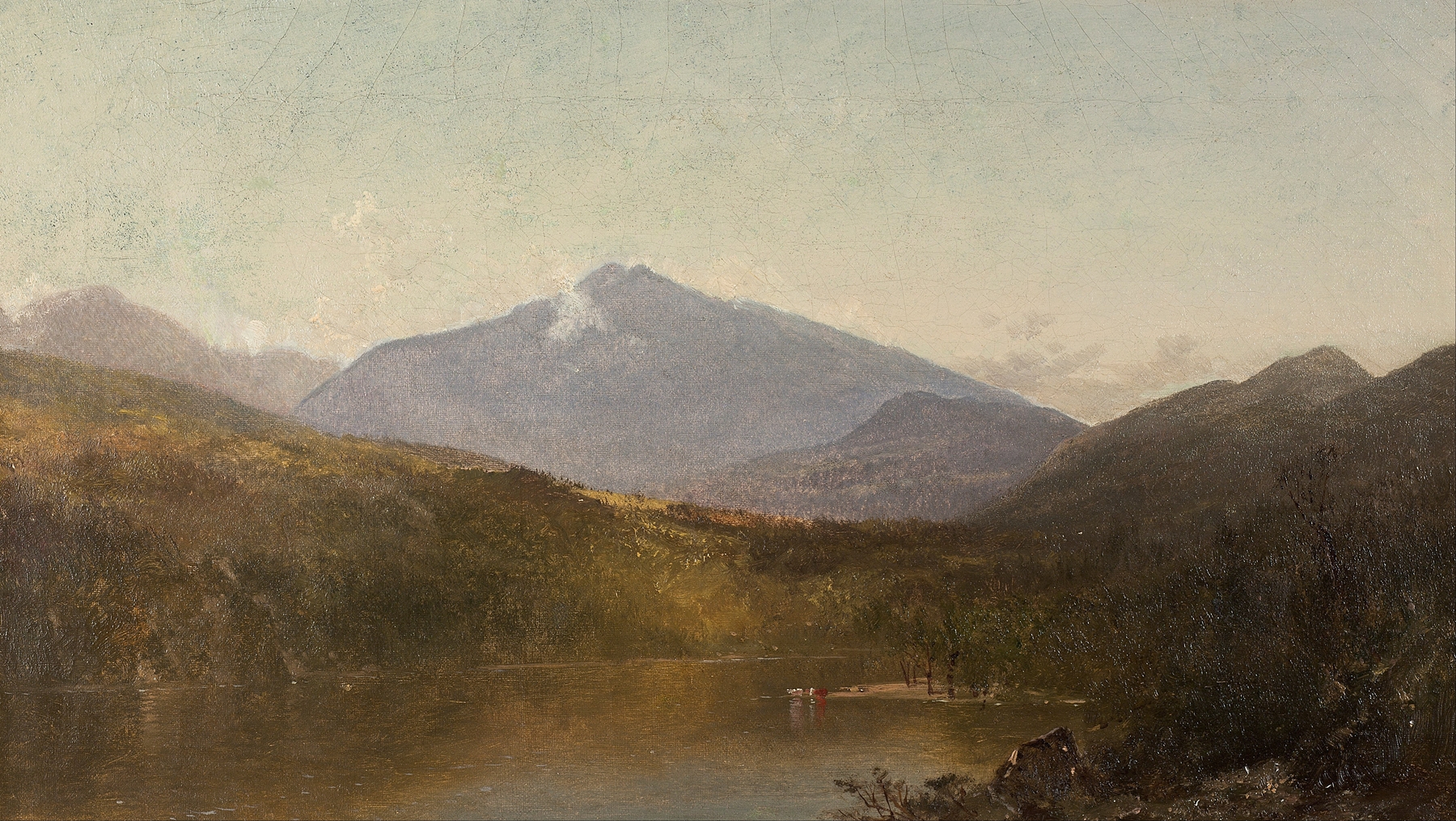
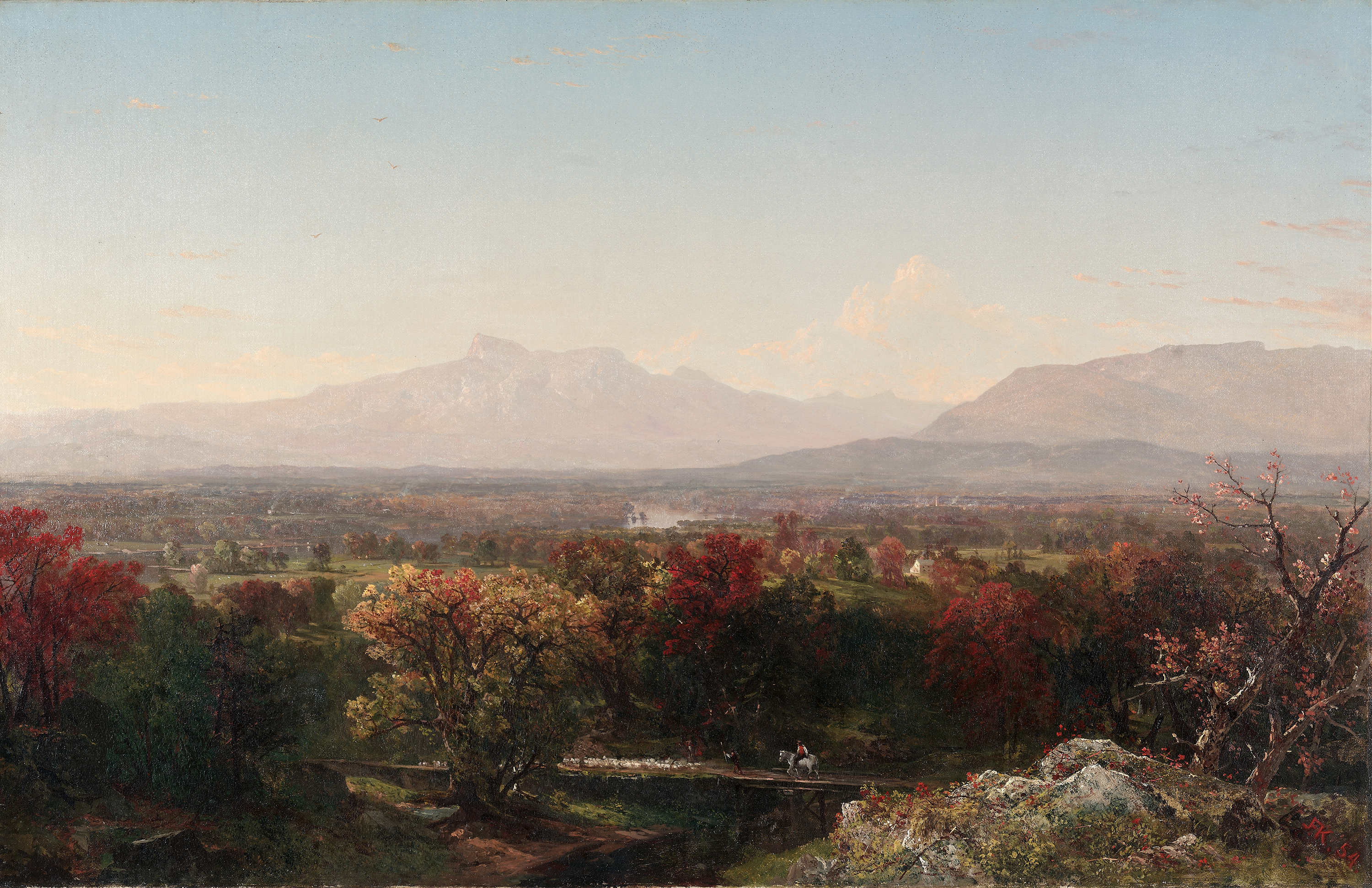
Could a single brushstroke hold eternity? In the ethereal embrace of flowing water and luminous skies, John Frederick Kensett captures a moment that transcends time, awakening the spirit to the grandeur of nature. Look to the left at the cascading waters, where vibrant hues of blue and green mingle, animating the scene with a sense of movement. The gentle interplay of light and shadow reveals the tumult and tranquility of the falls, inviting your gaze to linger on the mist rising like a delicate veil.
Notice how the soft pastels of the sky contrast with the powerful earth tones of the rocky foreground, creating a harmonious balance that reflects the majesty of nature. The juxtaposition of light and dark throughout the painting speaks to the tension between chaos and serenity. Each wave crashing against the rocks signifies nature's relentless force, while the serene sky above hints at the possibility of peace and reflection. The meticulous detailing of the foliage invites an intimate relationship with the environment, suggesting that amidst nature's fury lies an underlying beauty that stirs the soul.
Kensett painted this masterpiece during a period of burgeoning American landscape art in the early 1850s, as he sought to define the unique American experience through his work. Having spent time in the Hudson River School, he was deeply influenced by the natural beauty surrounding him and the romantic ideals of his contemporaries. This painting reflects both his personal journey and a collective awakening to the sublime in the American landscape, setting a standard for future artists who followed in his footsteps.