
View of Rome from Tivoli — History & Facts
Can paint confess what words never could? In View of Rome from Tivoli, the canvas whispers secrets of transformation, depicting a sublime expanse where nature meets history, inviting the observer into its tranquil embrace. Look to the lower corner, where the verdant hills rise gently, a soft gradient of greens that cradle the ruins of ancient Rome in the distance. The sky, a delicate wash of blues and soft whites, invokes a peaceful serenity, while the sun’s golden tones cascade upon the landscape, illuminating each brushstroke. The composition balances the flowing contours of nature with the rigid lines of architecture, creating a dialogue between the organic and the manmade. Within this harmony lies the tension of change.
The juxtaposition of lush greenery and crumbling stone reveals the passage of time, suggesting a world where nature reclaims its space. The gentle interplay of light and shadow adds depth, hinting at the transient beauty of life itself. Each element holds significance; the trees stand as witnesses to history, while the distant cityscape symbolizes human ambition, both fragile and enduring. In 1872, George Inness was deeply engaged in exploring the relationship between landscape and emotion, painting in the serene surroundings of Tivoli, Italy.
This period marked a pivotal moment in his career, as he moved toward a more impressionistic style, influenced by transcendentalist ideals. As Europe was undergoing significant change, Inness sought to capture the spiritual essence of nature, reflecting a world in transition that resonated through his brushstrokes.
More Artworks by George Inness
Browse all →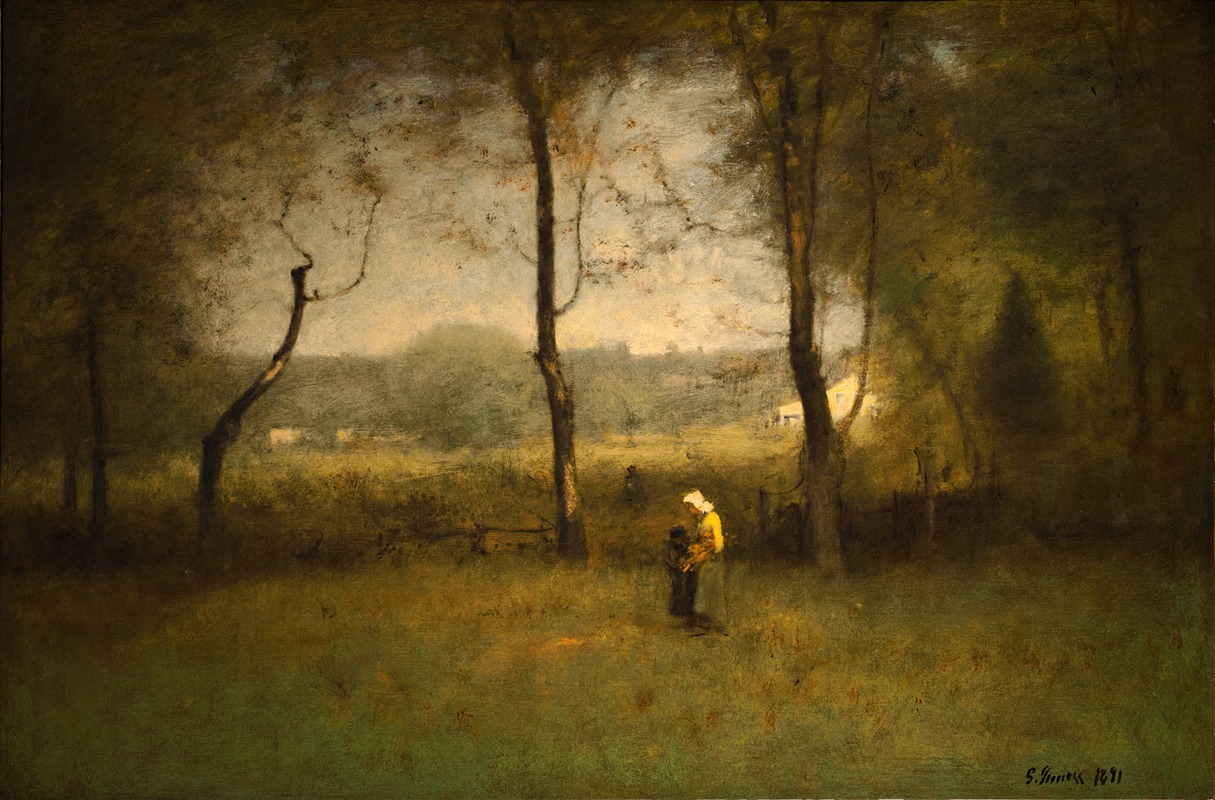
Autumn Woods
George Inness
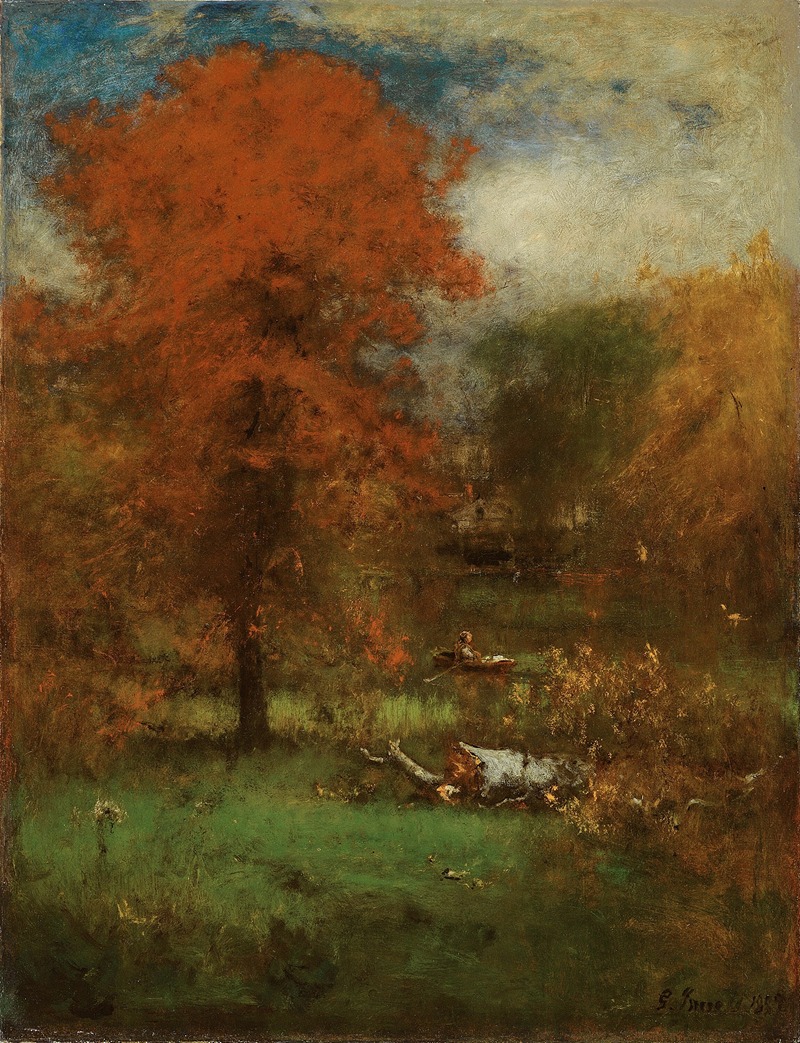
The Mill Pond
George Inness
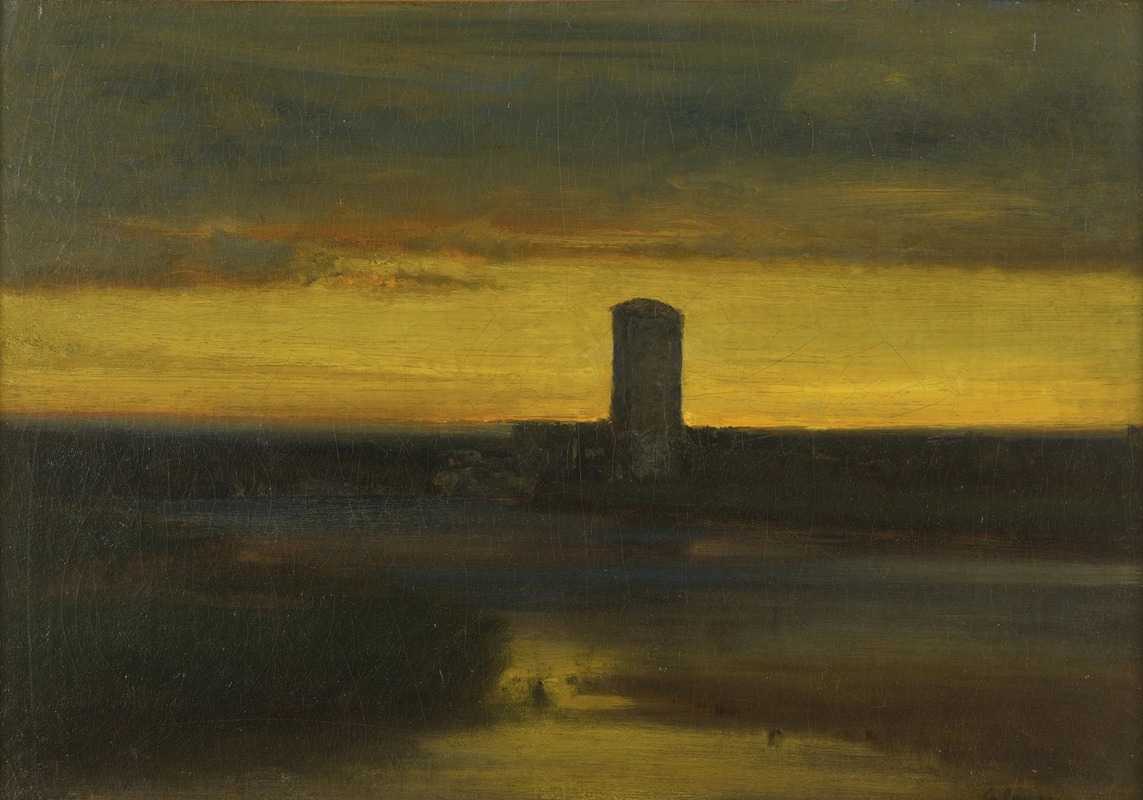
Afterglow
George Inness
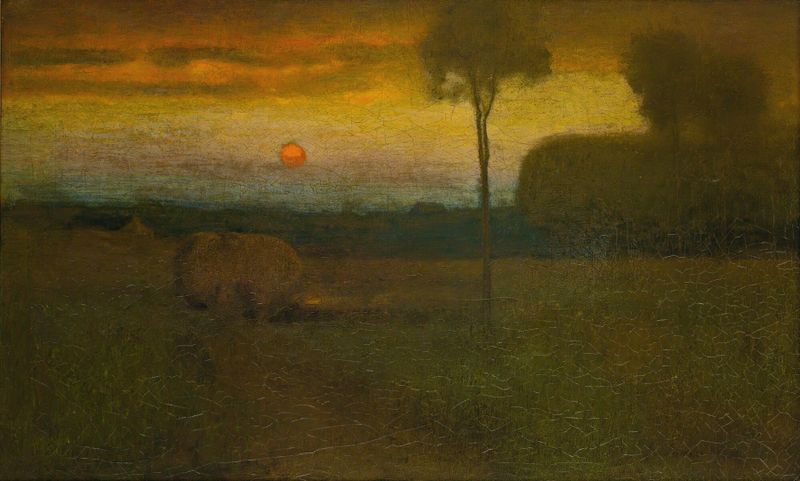
Landscape (Evening Landscape)
George Inness

Montclair
George Inness

View in Berkshire County, Massachusetts, Clearing Off after a September Storm
George Inness

October
George Inness
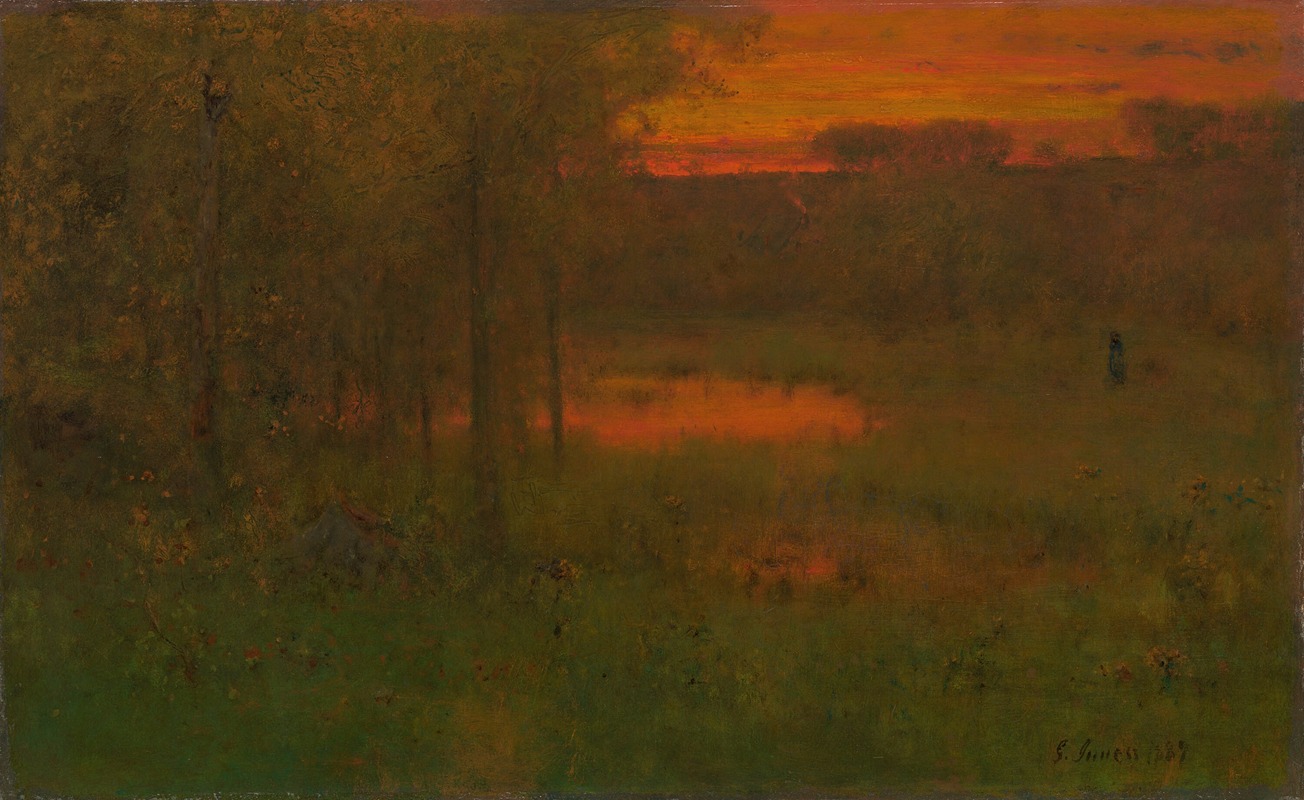
Landscape, Sunset
George Inness
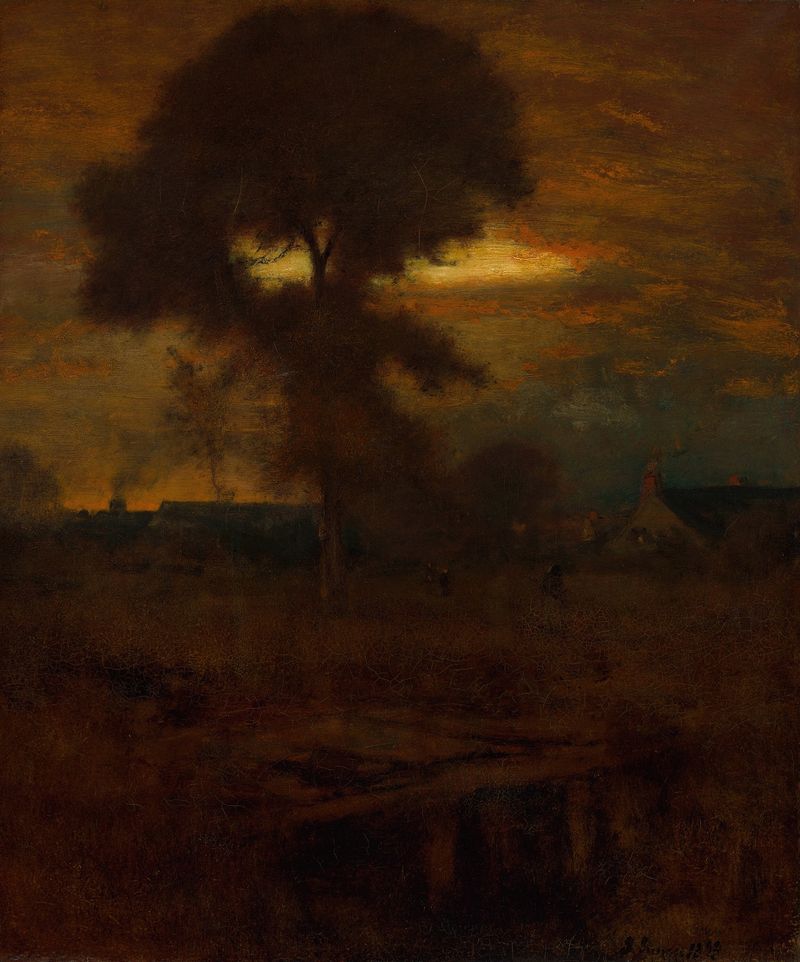
Afterglow
George Inness
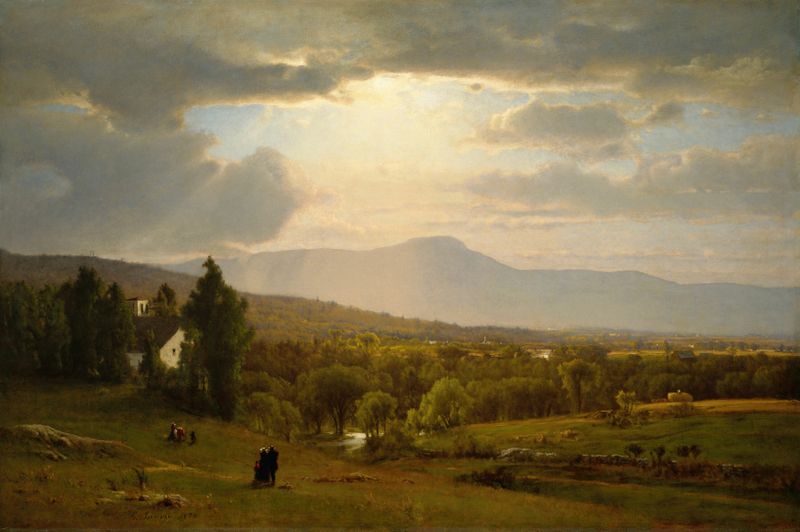
Catskill Mountains
George Inness





