
View of the flooded Piazza Navona, Rome — History & Facts
What first catches the eye in View of the flooded Piazza Navona, Rome is not simply the grandeur of the architecture, but the surreal spectacle of carriages gliding through water where one expects bustling Roman cobblestones. The piazza, usually a stage for the daily theatre of city life, has been transformed into a shimmering lagoon, its fountains and obelisk now islands in a temporary sea. Crowds press against the buildings and fill the balconies, their attention fixed on this extraordinary event.
The artist leads us into the scene with a sweep of light that picks out the domes and facades, guiding the gaze from the foreground’s lively fountain to the distant haze where city and sky merge. Every detail—the flags, the horses, the reflections—serves to heighten the sense of occasion and communal wonder. Painted in the 18th century, this work belongs to a tradition of urban views that celebrated the splendor and spectacle of Rome. During this period, artists such as Antonio Joli were sought after for their ability to capture both the recognizable landmarks and the festive life of the city, often for foreign visitors eager to carry home a memory of the Eternal City’s marvels.
The flooding of Piazza Navona was a real event, staged each summer as a public entertainment, and paintings like this would have been prized souvenirs of Rome’s unique customs. Today, little is recorded about the precise journey of this painting or its patrons, but its presence in a collection allows us to step into a world where civic ritual and everyday life merged in scenes as theatrical as any staged drama. The longer you look, the more the city’s past seems to ripple beneath the surface.
More Artworks by Antonio Joli

Monastery Di San Martino, Naples
Antonio Joli
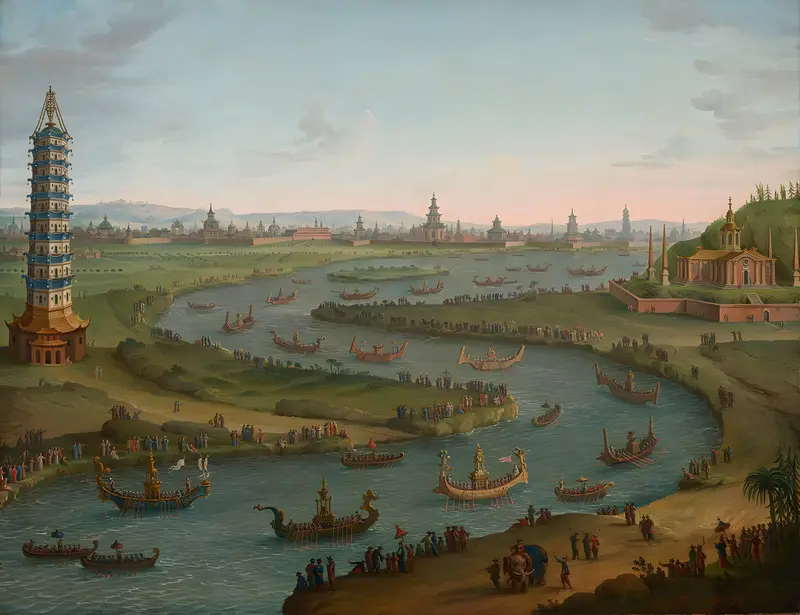
A capriccio with the French Ambassador approaching the King of Siam’s Palace in a state barge, in October
Antonio Joli
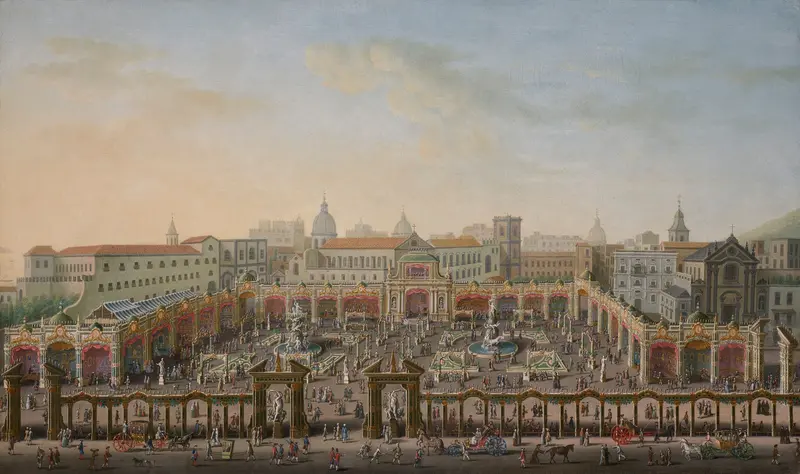
Naples, Piazza Trieste e Trento with a fair viewed from a balcony of the Palazzo Reale
Antonio Joli
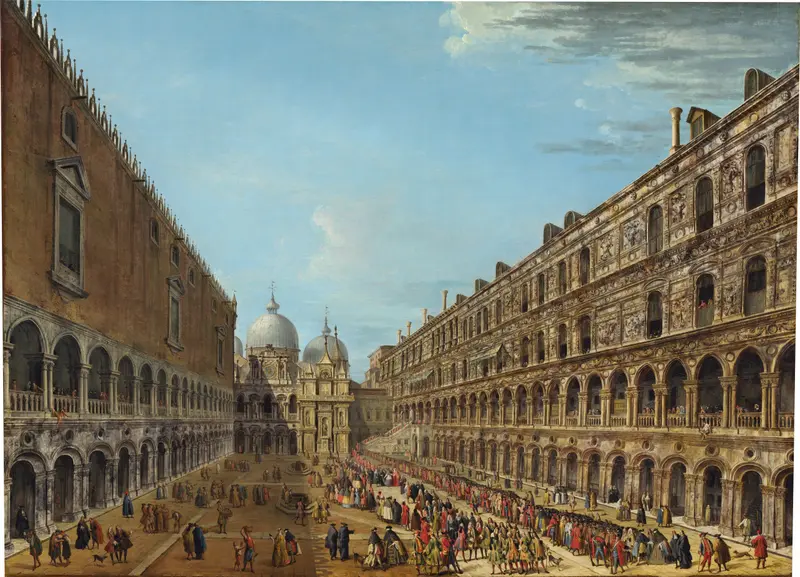
Procession in the Courtyard of the Ducal Palace,Venice
Antonio Joli
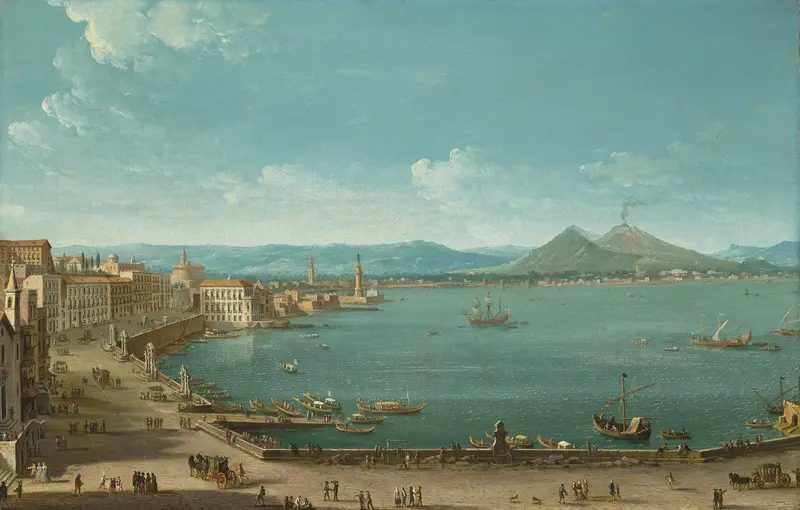
Naples with the Bay of Santa Lucia and Vesuvius beyond
Antonio Joli
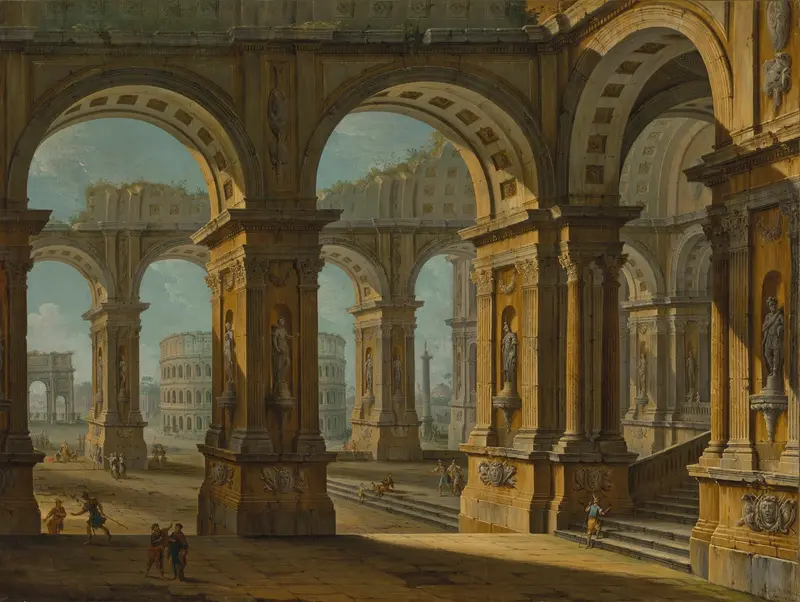
A capriccio of Rome with the Colusseum and Arch of Titus
Antonio Joli
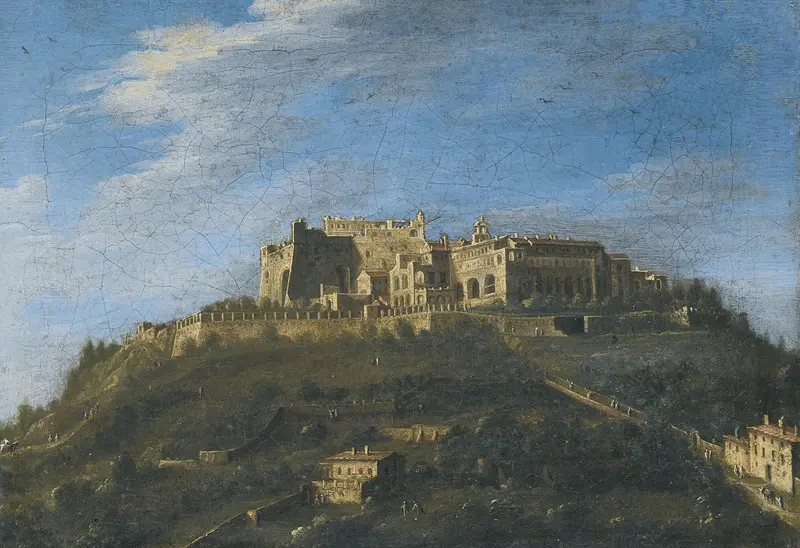
Monastery Di San Martino, Naples
Antonio Joli
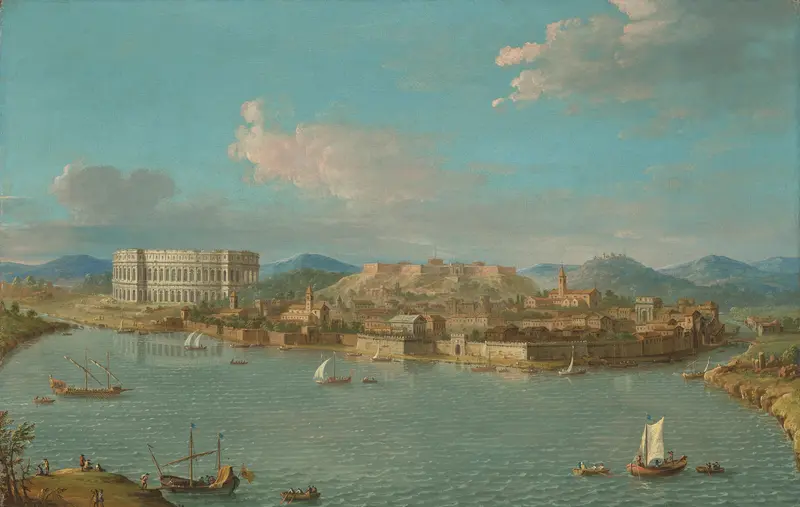
Pula, with the Pula Arena
Antonio Joli
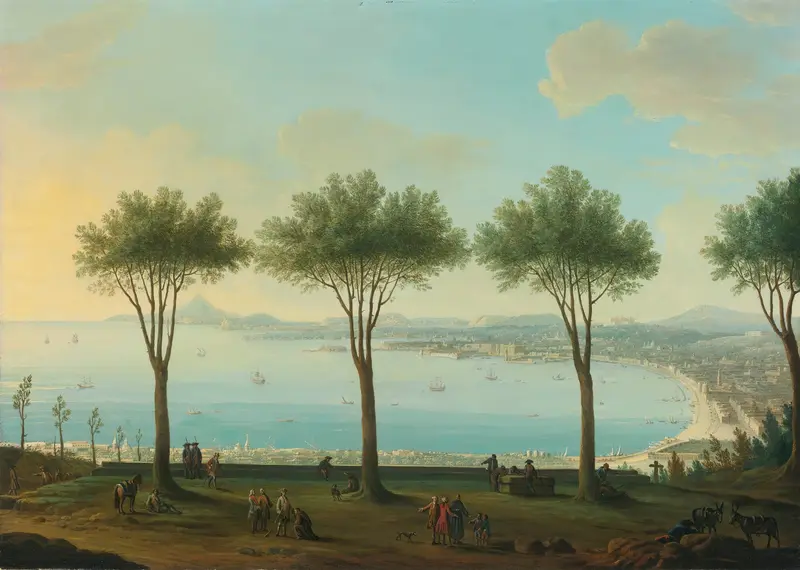
View Of The Bay Of Naples From The South (Possibly Poggioreale), Looking North With A King Of The Bourbon Family, Possibly Ferdinand Iv, In The Foreground
Antonio Joli
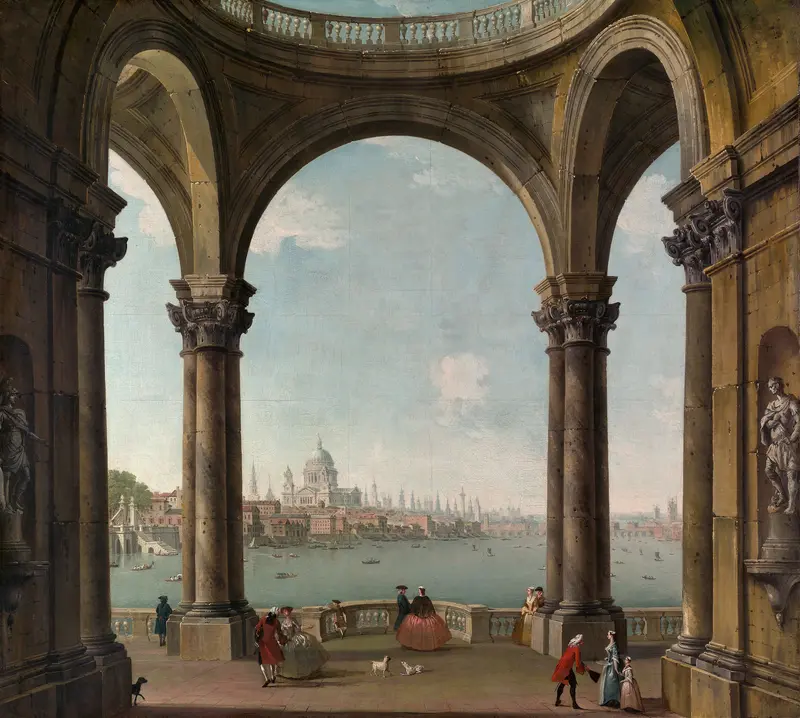
Capriccio with St. Paul’s and Old London Bridge
Antonio Joli
More Landscape Art

The Starry Night
Vincent van Gogh

View of Delft
Johannes Vermeer

Water Lilies
Claude Monet

The Grand Canal, Venice, looking north-west from the Ca' Corner to the Ca' Contarini degli Scrigni, with the campanile of Santa Maria della Carità
Canaletto

Windsor Castle
Canaletto

The Grand Canal looking North-East from the Palazzo Dolfin-Manin to the Rialto Bridge
Canaletto