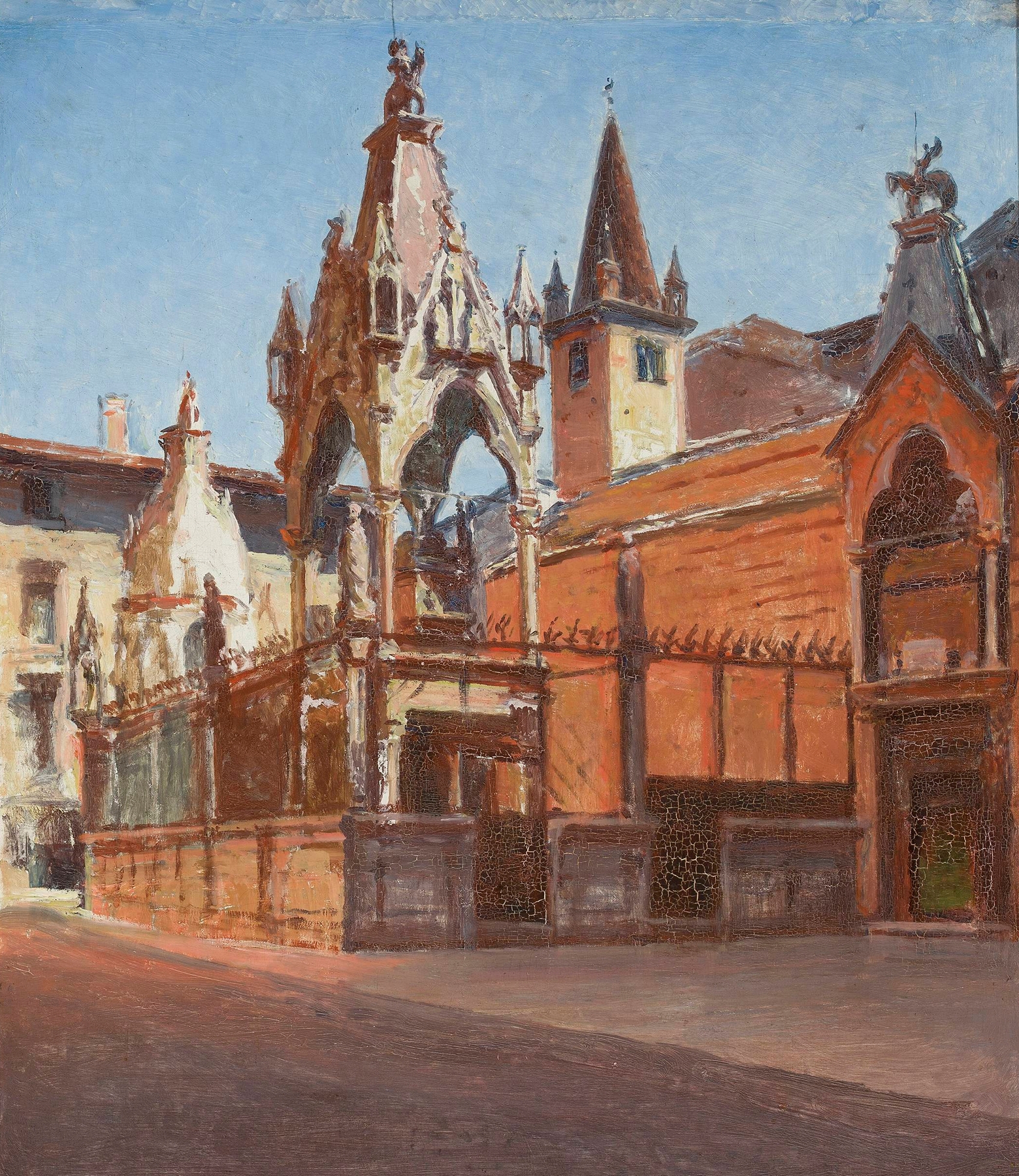
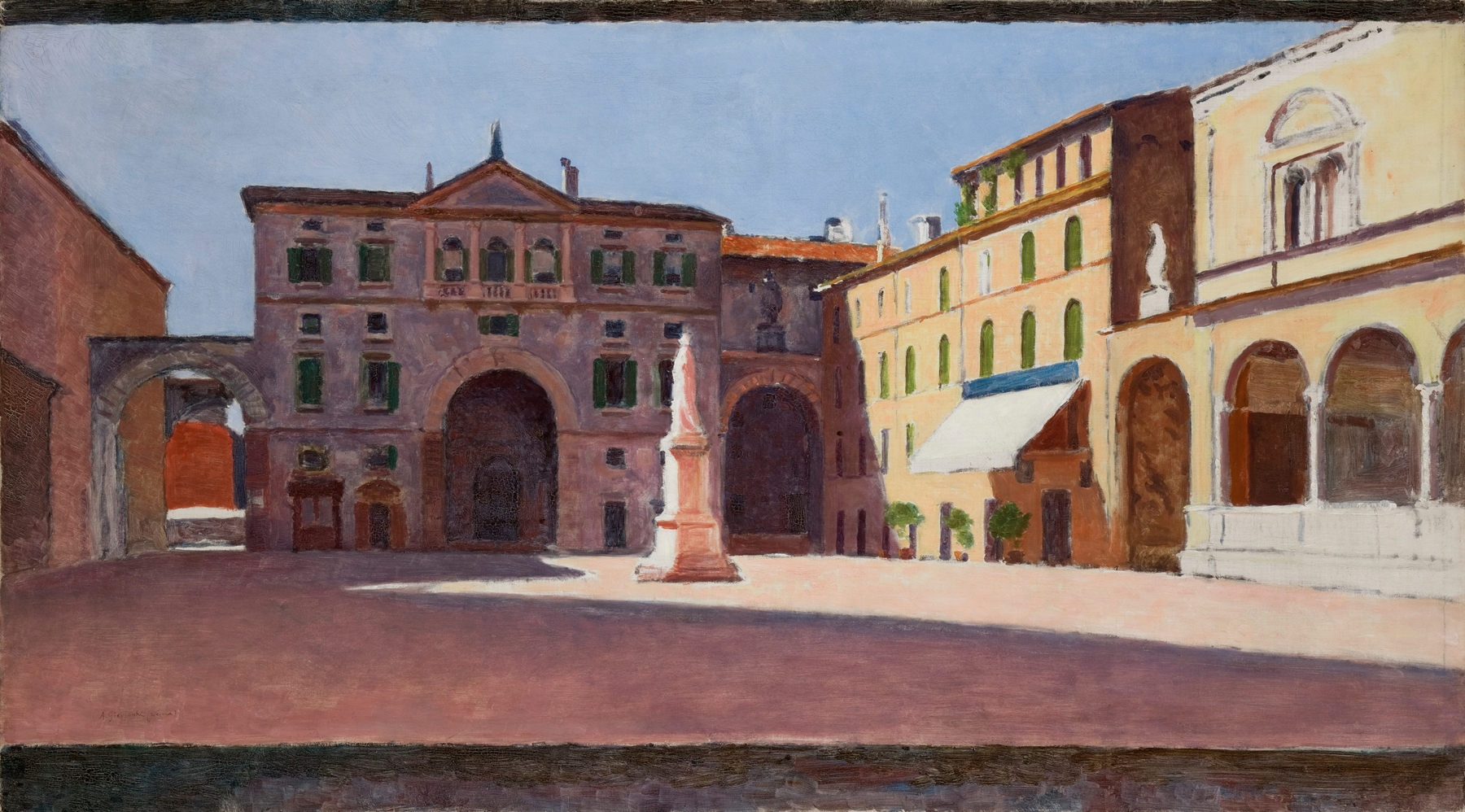
View of the Kufstein Fortress vicinity — History & Analysis
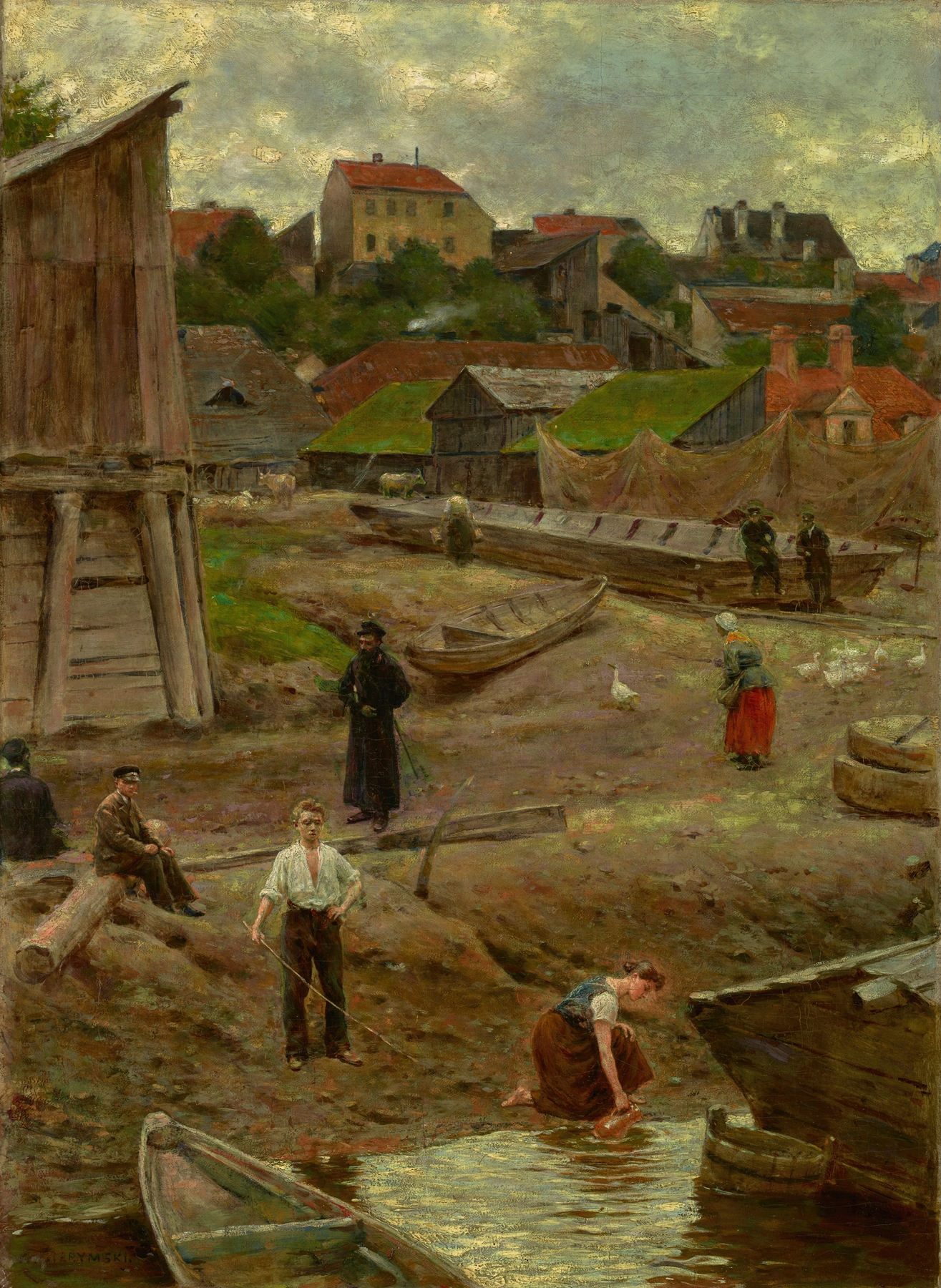
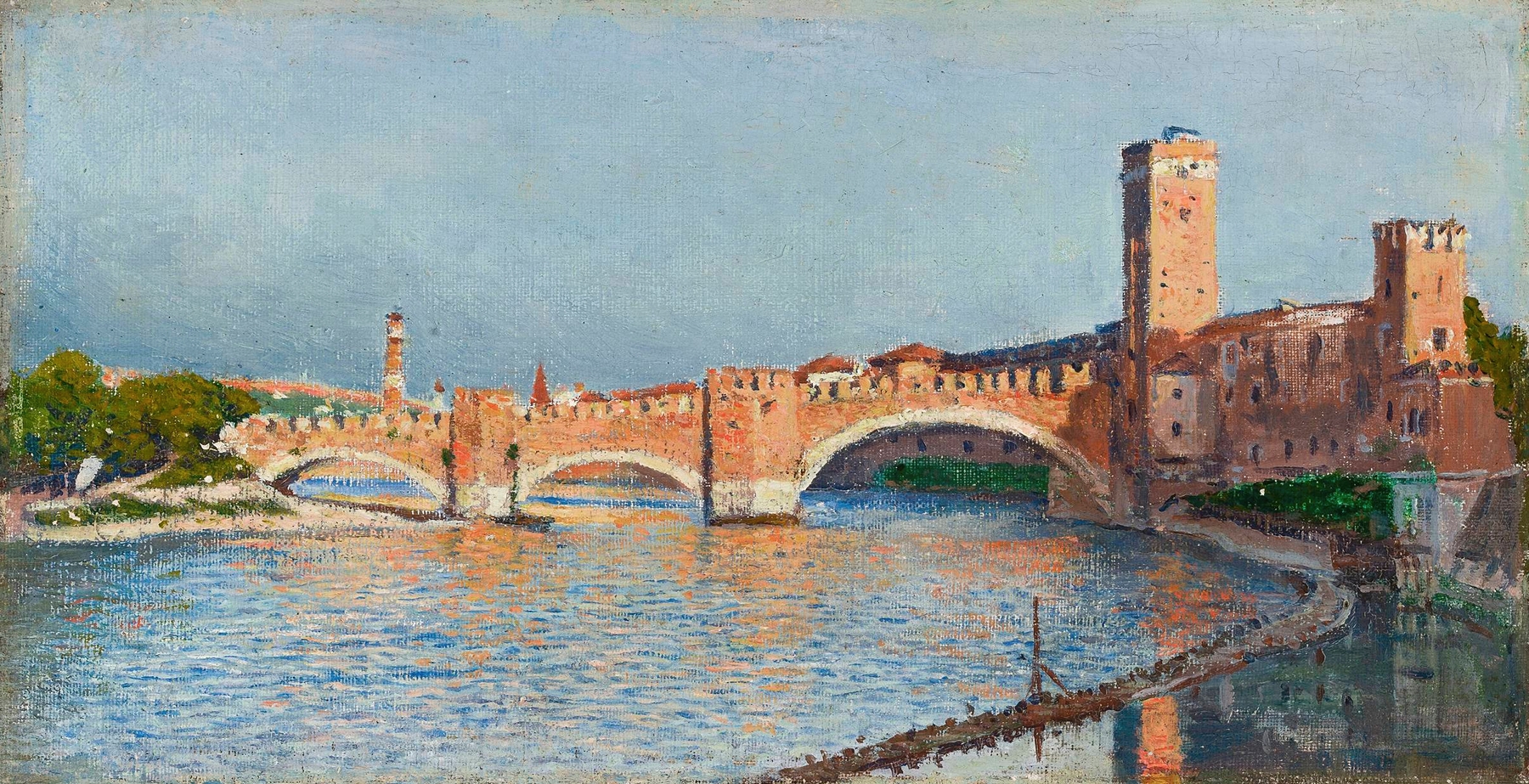
Can beauty exist without sorrow? In the vast expanse of nature, the juxtap of light and shadow evokes a profound obsession with the delicate balance of existence. Look to the left at the towering Kufstein Fortress, its ancient stones rising defiantly against the backdrop of lush, rolling hills. The artist captures the interplay of warm sunlight and cool shadows, creating a vibrant tapestry that draws the eye through the valleys.
Note how the soft blues of the sky meet the verdant greens of the landscape, suggesting both serenity and an underlying tension, as if nature itself is holding its breath, anticipating what comes next. As you explore the scene, consider the rippling river that winds its way through the foreground; it mirrors the emotional currents within the composition. The fortress stands as a sentinel, an embodiment of strength and history, while the surrounding nature breathes with a quiet anxiety, reminding viewers of life’s transience. Gierymski's choice of color, with its rich yet muted palette, highlights both beauty and melancholy, inviting contemplation on the cost of such splendor.
In 1889, during a period of personal exploration in his career, the artist painted this tranquil landscape while residing in Austria. This was a time when he sought to capture the essence of the natural world amidst the changing tides of European art. As part of the Polish émigré community, he infused his work with a yearning for home and identity, layering the canvas with both nostalgia and a quest for beauty that resonates with the viewer today.