View Overlooking City — History & Analysis
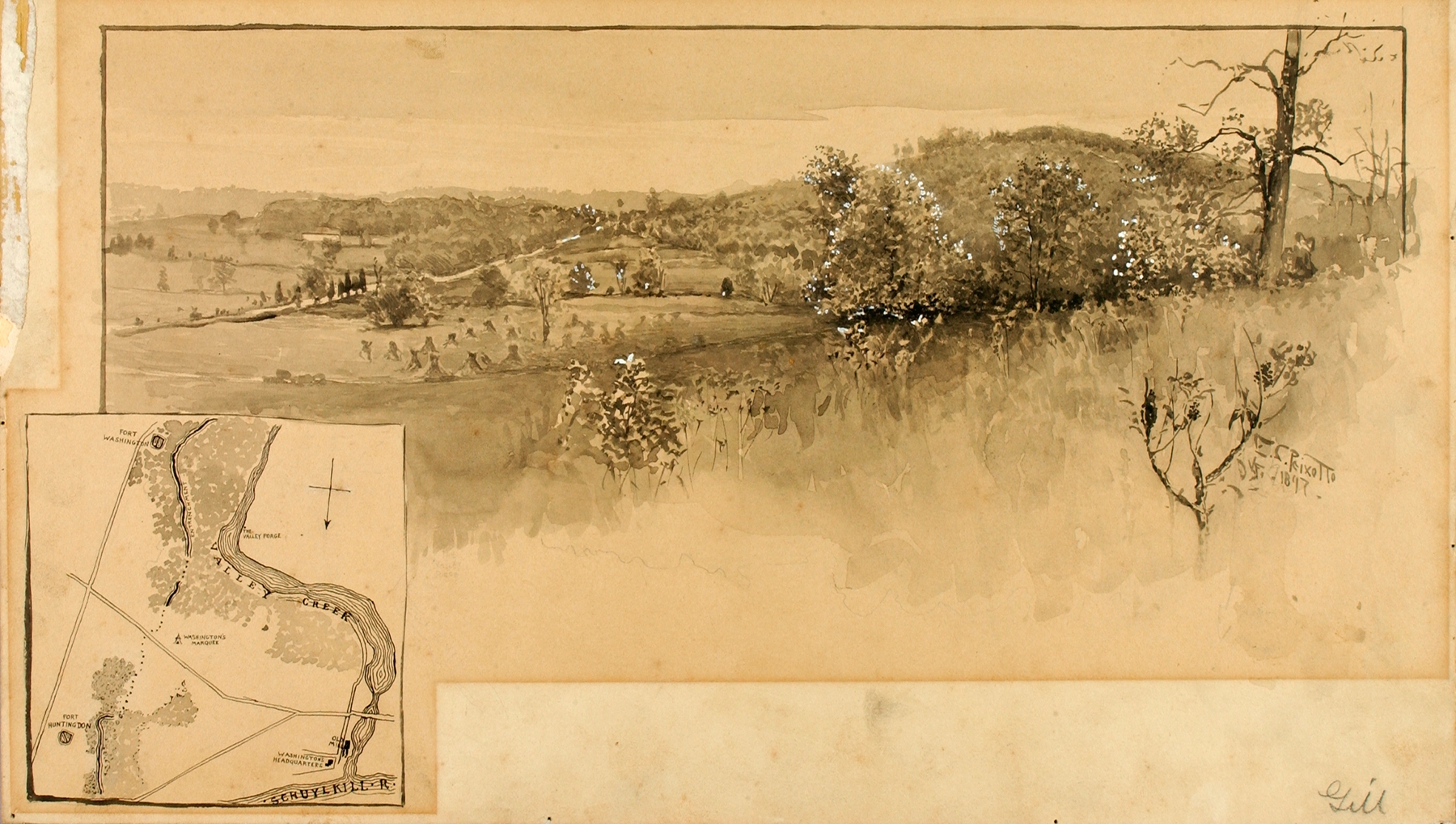
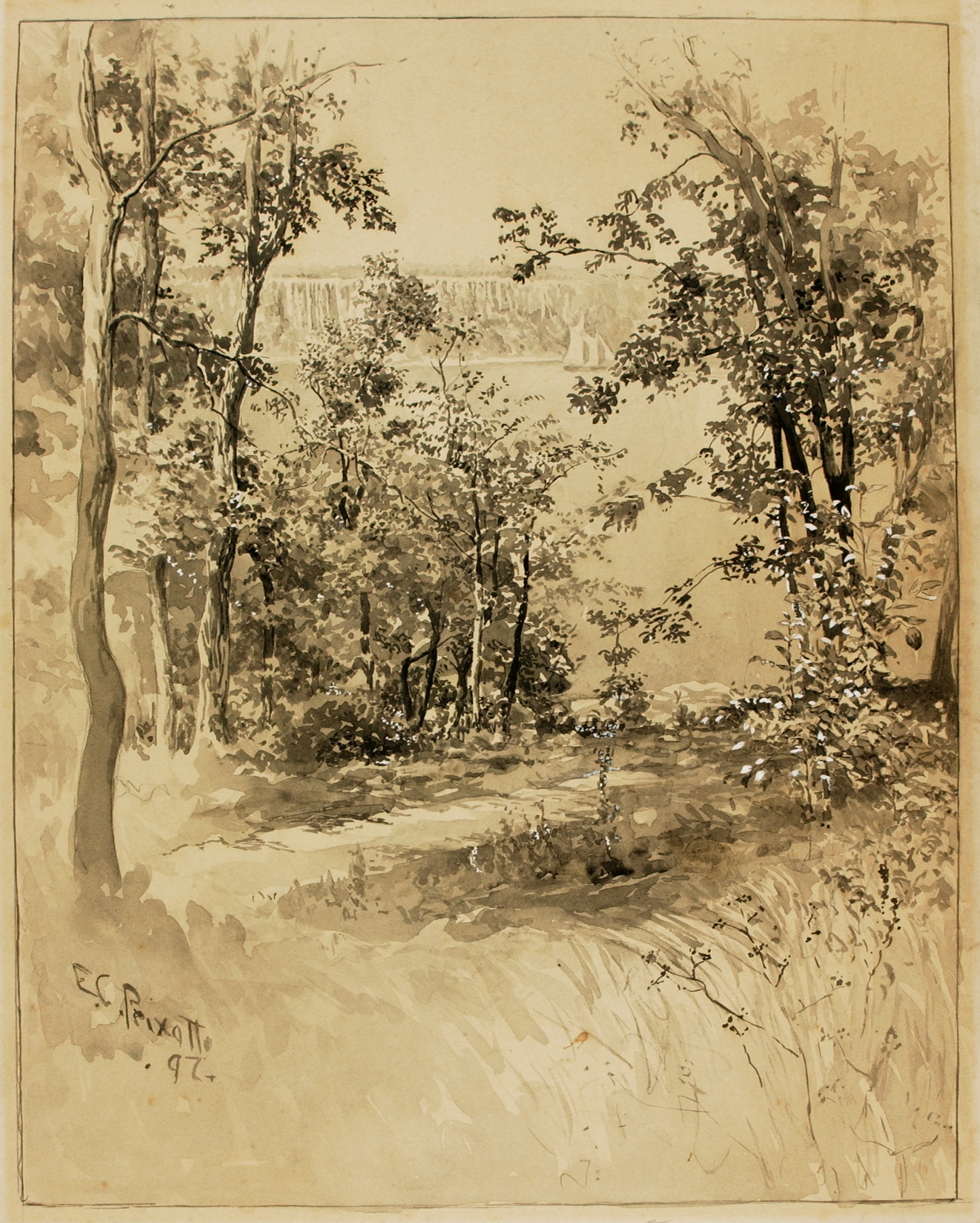
Can beauty exist without sorrow? In the shimmering expanse of View Overlooking City, this question lingers in the air, resonating with the vibrant pulse of the city below. Focus first on the horizon, where the sun dips low, casting warm golds and deep oranges that merge with the cool violets of twilight. The sweeping vista invites the gaze to dance across the undulating rooftops and the winding streets, all rendered in harmonizing tones that conjure a sense of movement and life.
The artist’s deft brushwork blurs the lines between sky and earth, suggesting an interconnectedness that stirs both joy and melancholy. Yet, amid the city's allure lies a whisper of isolation. Notice the solitary figure standing at the forefront, gazing out, seemingly lost in contemplation. This juxtaposition between vibrant urban life and individual solitude speaks to the human experience — the joy of community tempered by the weight of personal introspection.
Each brushstroke captures the transient nature of time, where beauty is both celebrated and tinged with an undercurrent of longing. In 1897, Peixotto painted this piece during a period of artistic exploration influenced by Impressionism and the burgeoning modernity of urban life. Living in California, he was attuned to the dynamic transformations around him as people migrated to cities, reflecting a world on the brink of change. This painting encapsulates not just a scene, but an era, with the artist’s keen observations shaping a distinctive narrative that remains poignant today.