
Villa d’Este — History & Facts
What unfolds when longing meets beauty, when the heart yearns for a place of serenity? In Villa d’Este, the viewer is invited into a world where time seems suspended, and the essence of a lush garden whispers of forgotten dreams. Look to the left at the intricate terracing, where vibrant greens and earthy browns blend seamlessly, guiding your gaze toward the shimmering water feature at the center. The artist’s use of soft, blended brushstrokes creates a sense of movement, as if the foliage dances with the wind, while dappled sunlight filters through the leaves, casting delicate shadows. Notice how the palette, predominantly warm and inviting, draws attention to the gentle curves of the architecture, emphasizing harmony with nature. Beneath the surface, the painting holds a deeper story of nostalgia and tranquility.
The rich colors speak of unfulfilled desires, evoking a yearning for a lost paradise. The interplay of light and shadow not only enhances the sense of depth but also represents the emotional journey of the viewer—caught between memory and the present. The serene landscape hints at a longing for connection, a desire to escape into a moment of pure beauty far removed from the chaos of life. In 1901, Stanisławski created this work while living in Poland amidst the burgeoning art movements that sought to capture the essence of the natural world.
Influenced by Impressionism, he focused on the interplay of light and color, helping to shape a national identity in art. This period marked a turning point in his career, as he sought to bridge the gap between his homeland's romantic past and a modern artistic vision.
More Artworks by Jan Stanisławski
Browse all →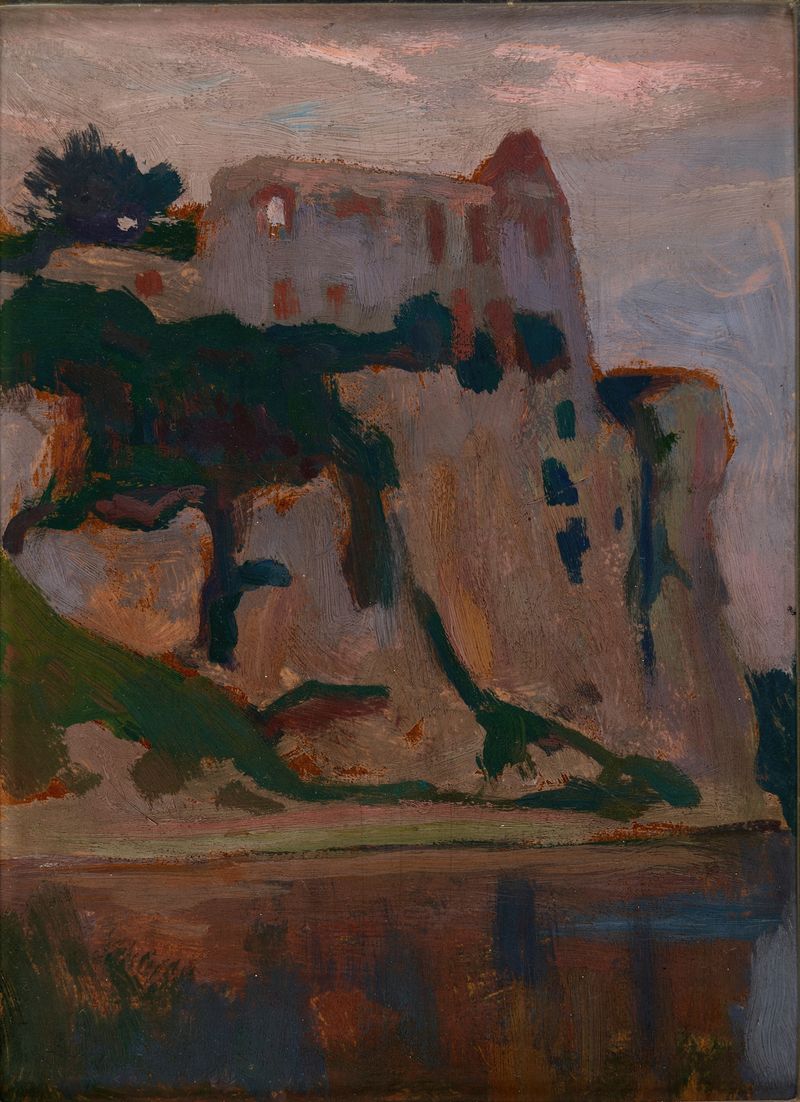
Tyniec at Dawn
Jan Stanisławski
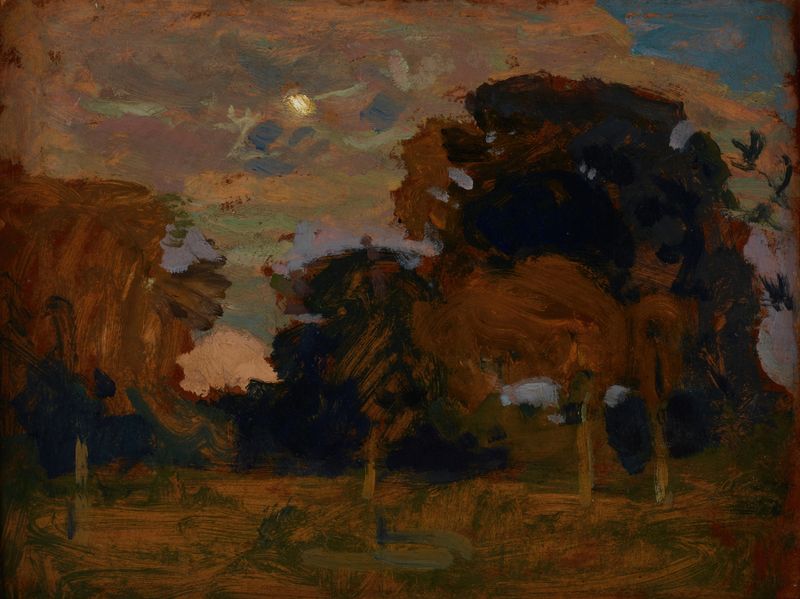
Moon in the Clouds
Jan Stanisławski
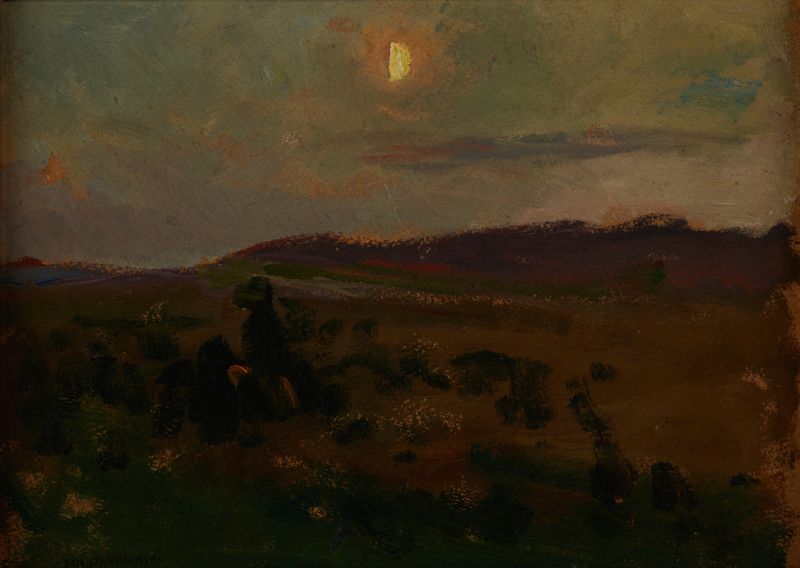
Moonrise
Jan Stanisławski
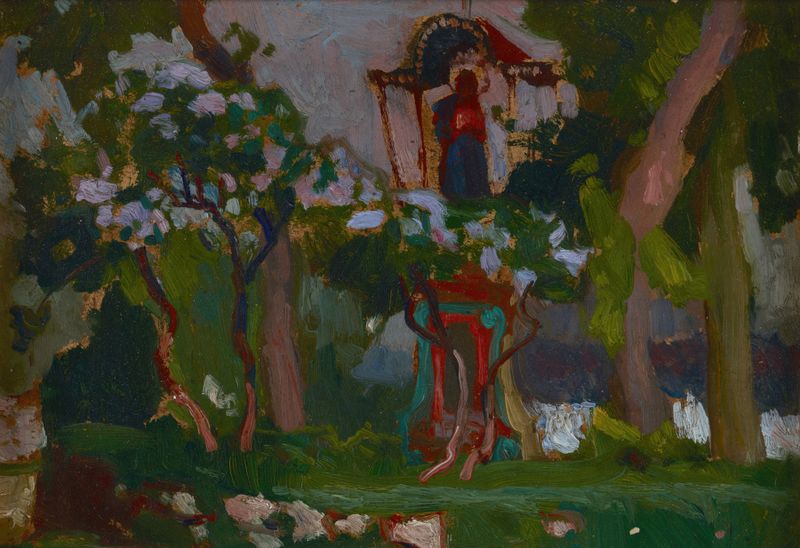
May
Jan Stanisławski
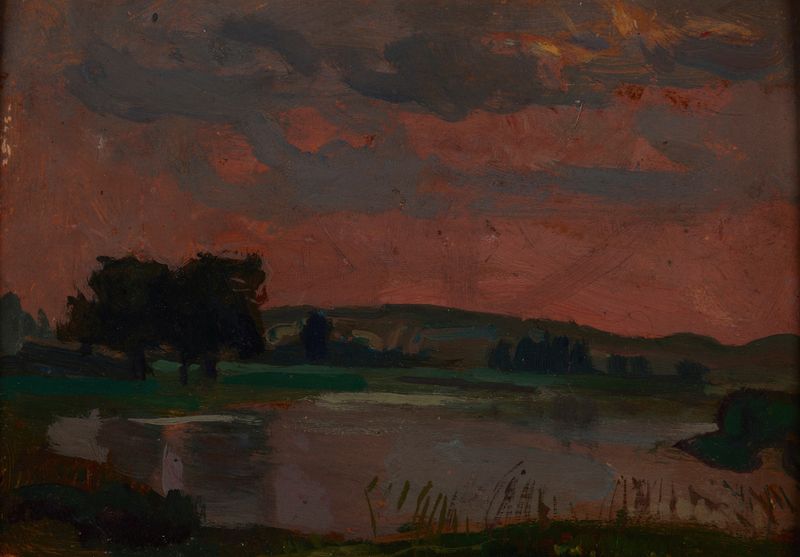
The Vistula in the Twilight
Jan Stanisławski
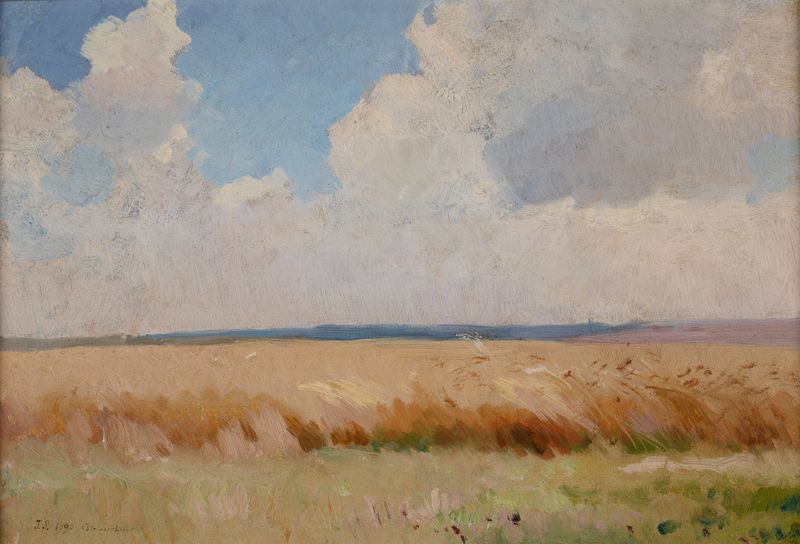
Field at Białocerkiew (Bila Tserkva)
Jan Stanisławski
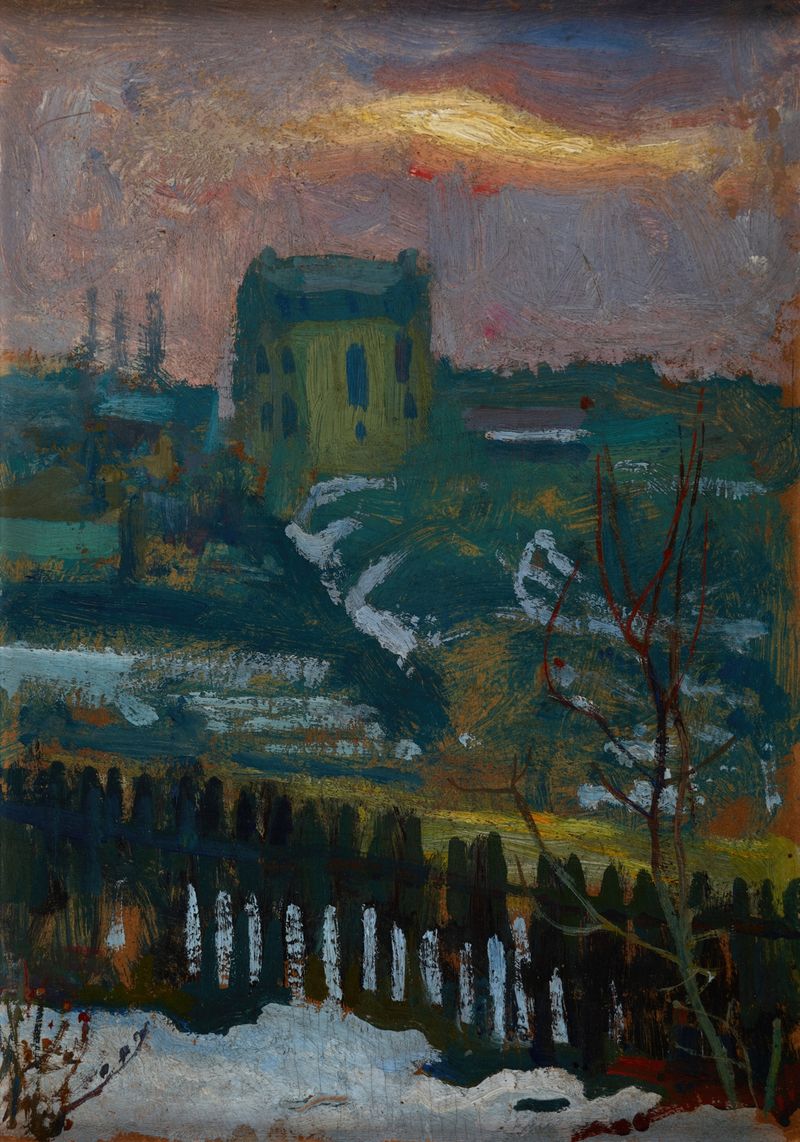
House in Winter
Jan Stanisławski
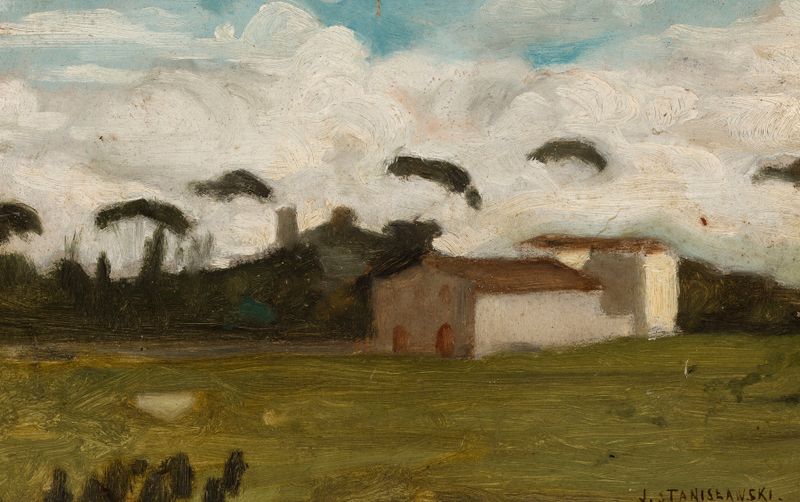
Landscape
Jan Stanisławski
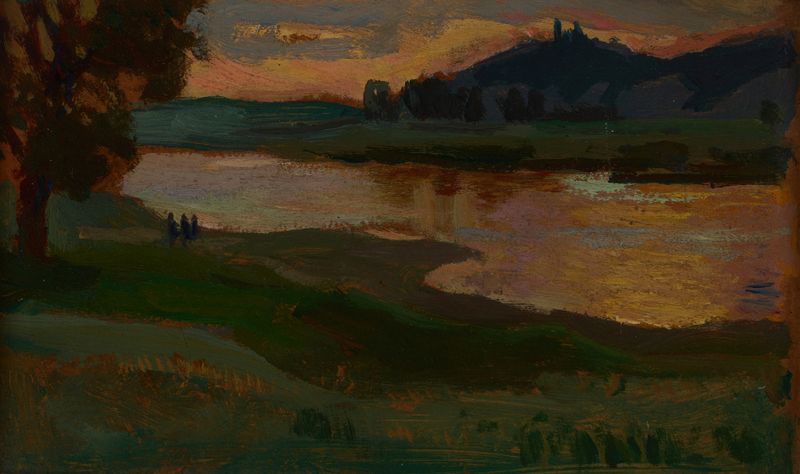
Bielany at Dusk
Jan Stanisławski
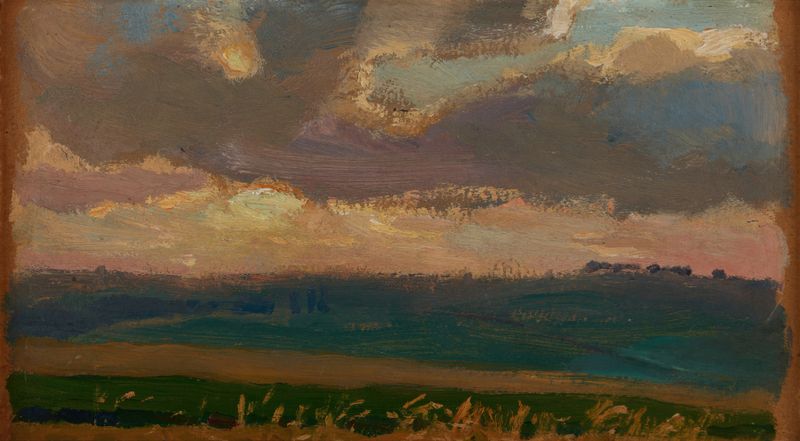
Fields at Proszowice
Jan Stanisławski





