
Village au bord d’un étang — History & Facts
What if silence could speak through light? In Village au bord d’un étang, the canvas hums with an ethereal innocence, inviting us to listen closely to the whispers of a tranquil afternoon. Focus on the gentle interplay of color, where soft greens and blues meld seamlessly with the sun-kissed reflections on the water's surface. The viewer’s gaze is drawn immediately to the serene pond, where the ripples suggest movement beneath the calm exterior. Notice how Pissarro captures the essence of rural life; the small houses blend into the landscape, their warm hues harmonizing with the surrounding nature.
Each brushstroke conveys an intimate connection between humanity and its environment, evoking a sense of peaceful coexistence. Delve deeper into the emotional undertones present in the scene. The simplicity of the village life contrasts with the complexities of the human spirit; the stillness of the pond reflects both serenity and an undercurrent of yearning for innocence in a rapidly changing world. There’s a delicate balance between light and shadow, suggesting moments of hope amid the passage of time.
Hidden within the simplicity of the scene are the echoes of a society on the brink of transformation, underscoring a longing for authenticity. Created in 1869, this work emerged during a pivotal moment in art history, as Impressionism began to take root. Living in France, Pissarro was surrounded by fellow avant-garde artists who sought to capture the essence of modern life. At this time, industrialization was reshaping the French countryside, leading to a deep exploration of themes such as community, nature, and change, all of which resonate profoundly in this evocative piece.
More Artworks by Camille Pissarro
Browse all →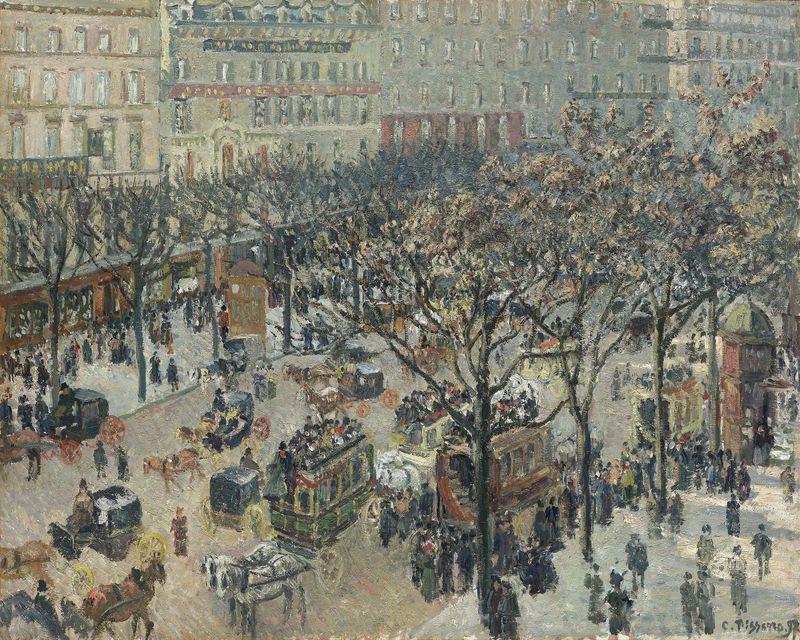
Boulevard des Italiens,Morning_Sunlight
Camille Pissarro
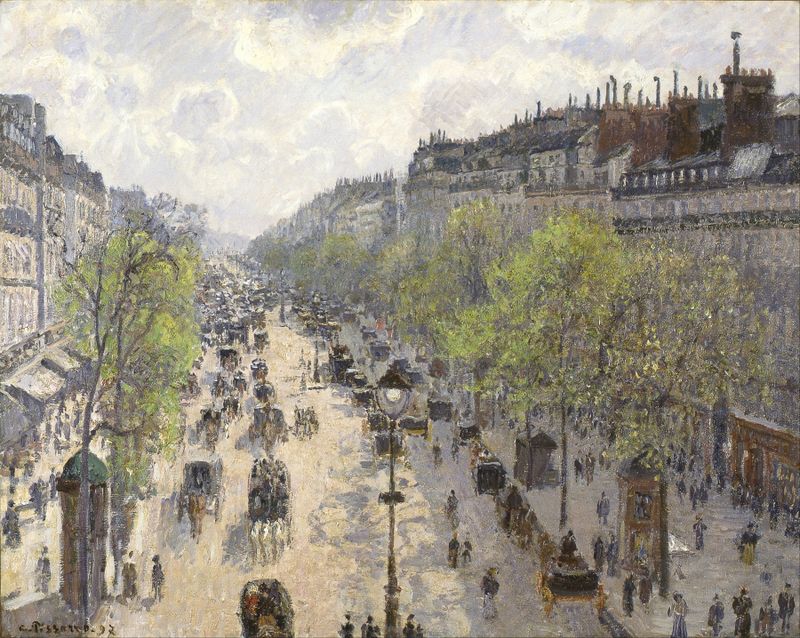
Boulevard Montmartre, Spring
Camille Pissarro
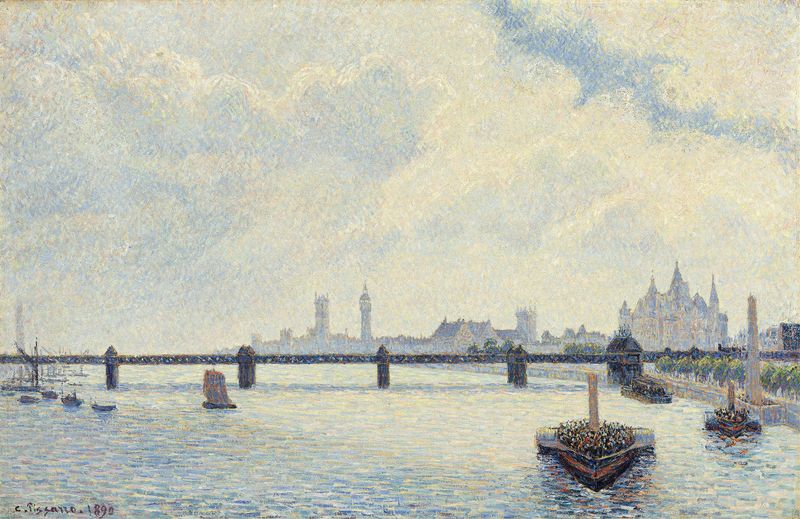
Charing Cross Bridge,London
Camille Pissarro
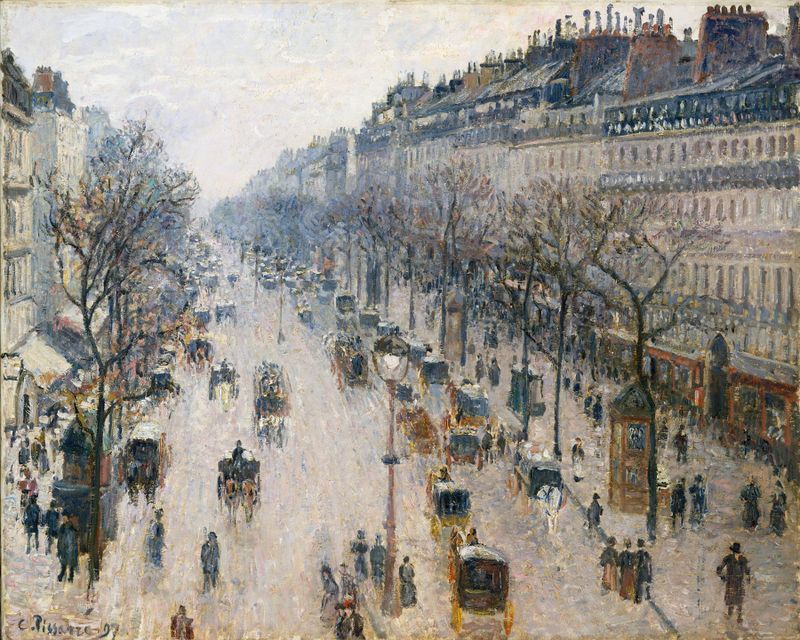
The Boulevard Montmartre on a Winter Morning
Camille Pissarro
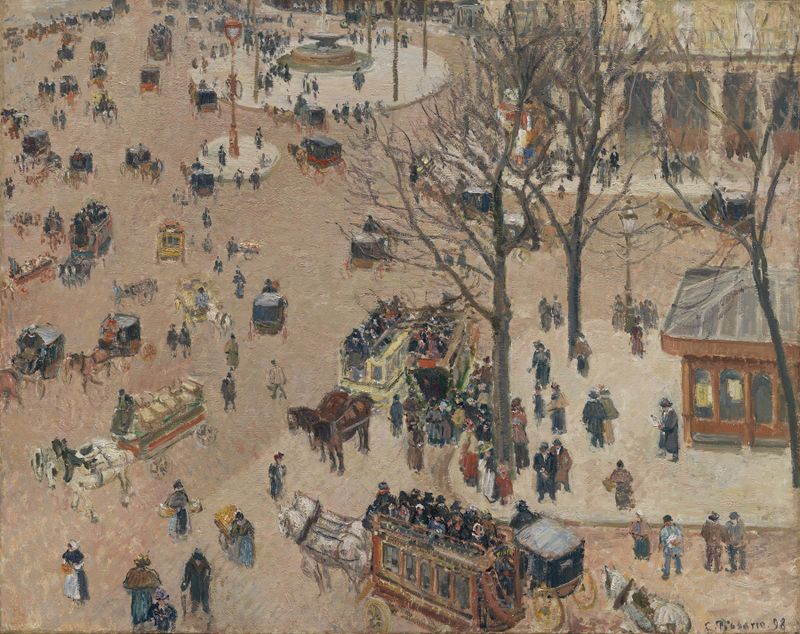
La Place du Théâtre Français
Camille Pissarro

Rue Saint-Lazare, Paris
Camille Pissarro
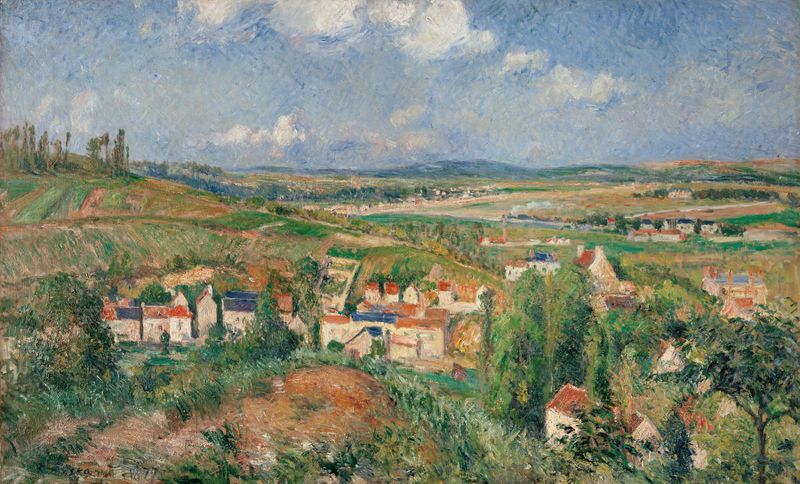
L’hermitage En Été, Pontoise
Camille Pissarro

Place du Theatre Francais,Fog Effect
Camille Pissarro
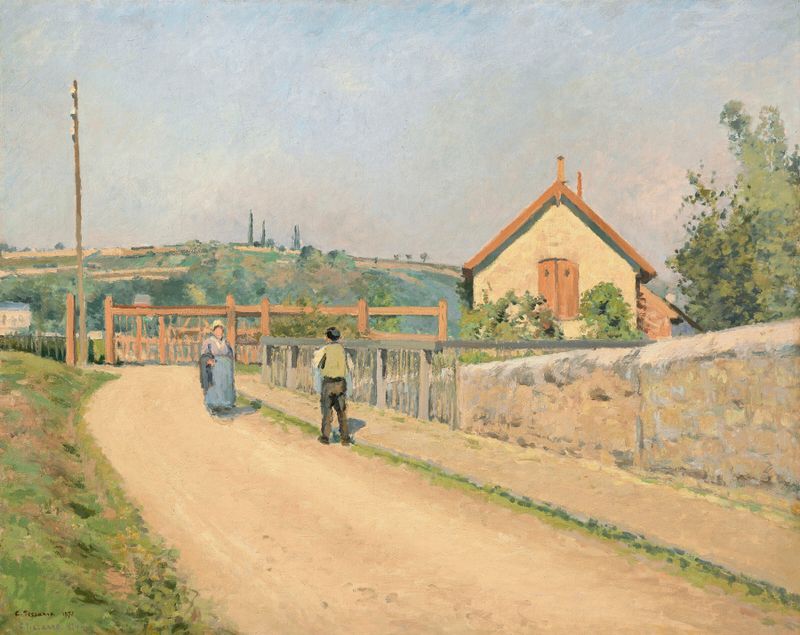
La barrière du chemin de fer, aux Pâtis près Pontoise
Camille Pissarro
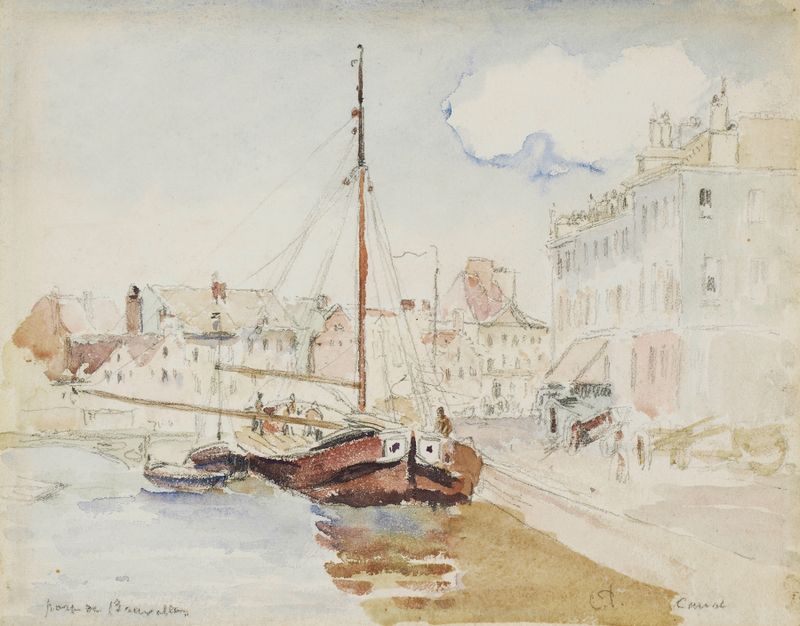
Port de Bruxelles
Camille Pissarro





