
Village Square — History & Facts
Who listens when art speaks of silence? In Village Square, the stillness of a moment holds a tension that reverberates through time, capturing a community on the brink of change. Focus on the center where the cobblestone path weaves its way through the square. Notice how the sunlight filters through the overhanging trees, casting dappled shadows that play against the figures below. Your gaze is drawn to the two men engaged in a quiet conversation, their postures suggesting both camaraderie and conflict.
The palette of warm earth tones contrasts with the hints of cooler shades in the background, creating a sense of balance amid unease. Beneath the surface, this scene breathes with unspoken narratives. The gestures of the figures, the soft expressions on their faces, hint at deeper tensions — possibly the stirrings of societal revolution. The contrasting solidity of the buildings against the fluidity of the crowd evokes a sense of stability threatened by change.
Each character, seemingly etched in their own world, reflects the broader struggles of a community grappling with its identity. In the year 1870, Edward Lamson Henry painted this scene amidst a rapidly changing America, where the echoes of the Civil War were still fresh and the nation was wrestling with questions of unity and identity. Living primarily in the Northeast, Henry’s work often focused on the American experience, capturing the essence of everyday life with a keen eye for detail and emotion, making Village Square a poignant reflection of his time.
More Artworks by Edward Lamson Henry
Browse all →
The Attack on Chew's House during the Battle of Germantown, 1777
Edward Lamson Henry
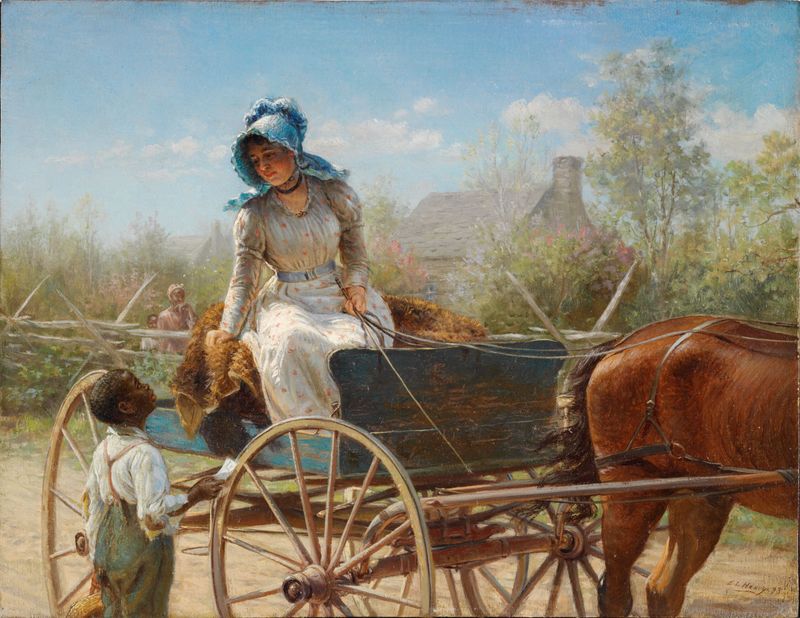
The Message
Edward Lamson Henry
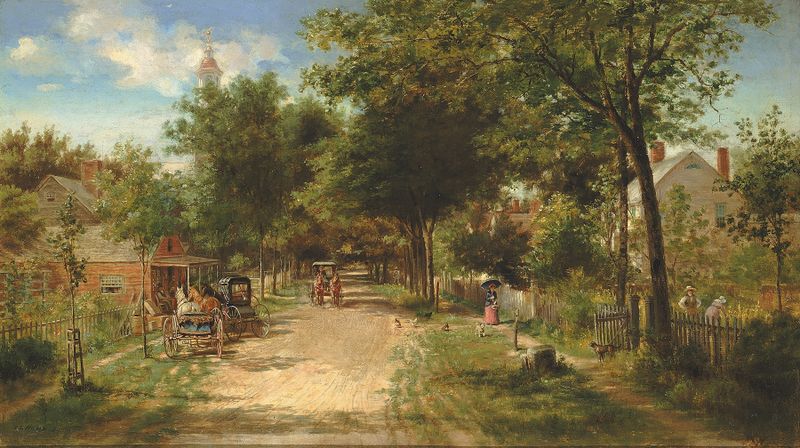
The Country Store
Edward Lamson Henry
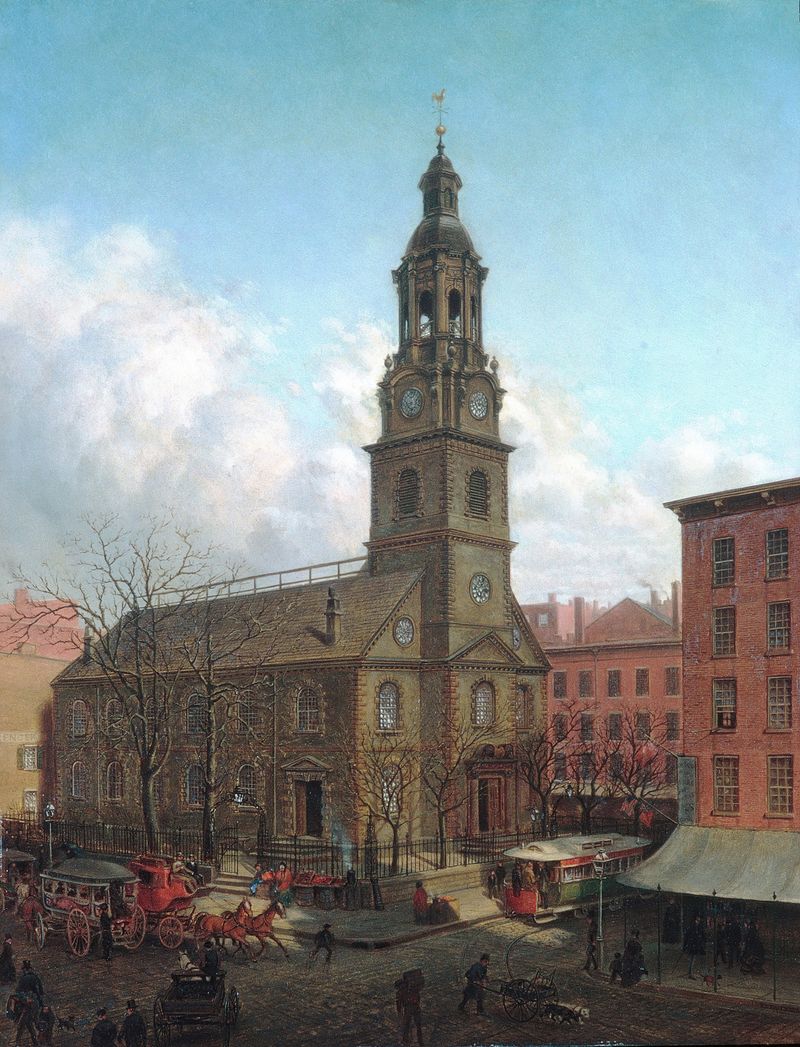
The North Dutch Church, Fulton and William Streets, New York
Edward Lamson Henry
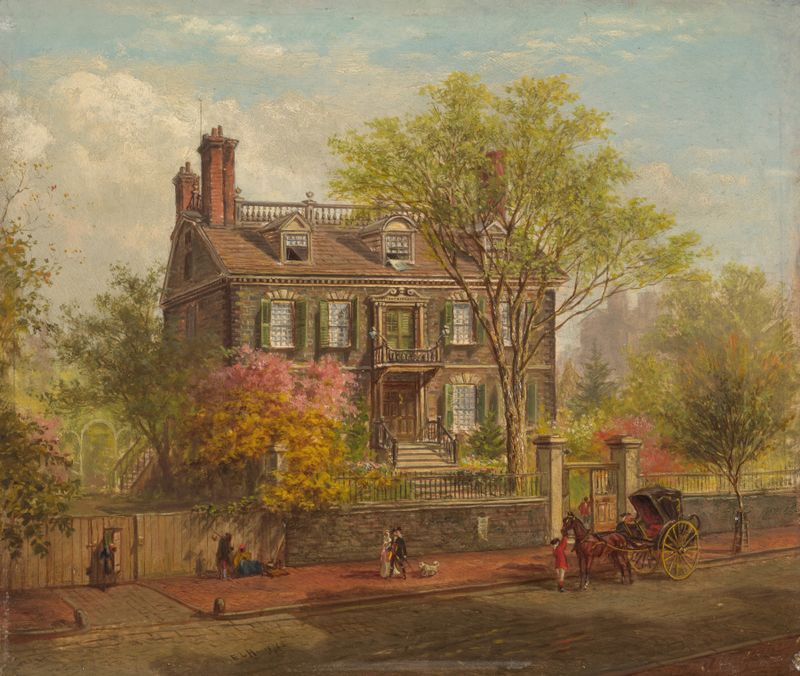
The John Hancock House
Edward Lamson Henry
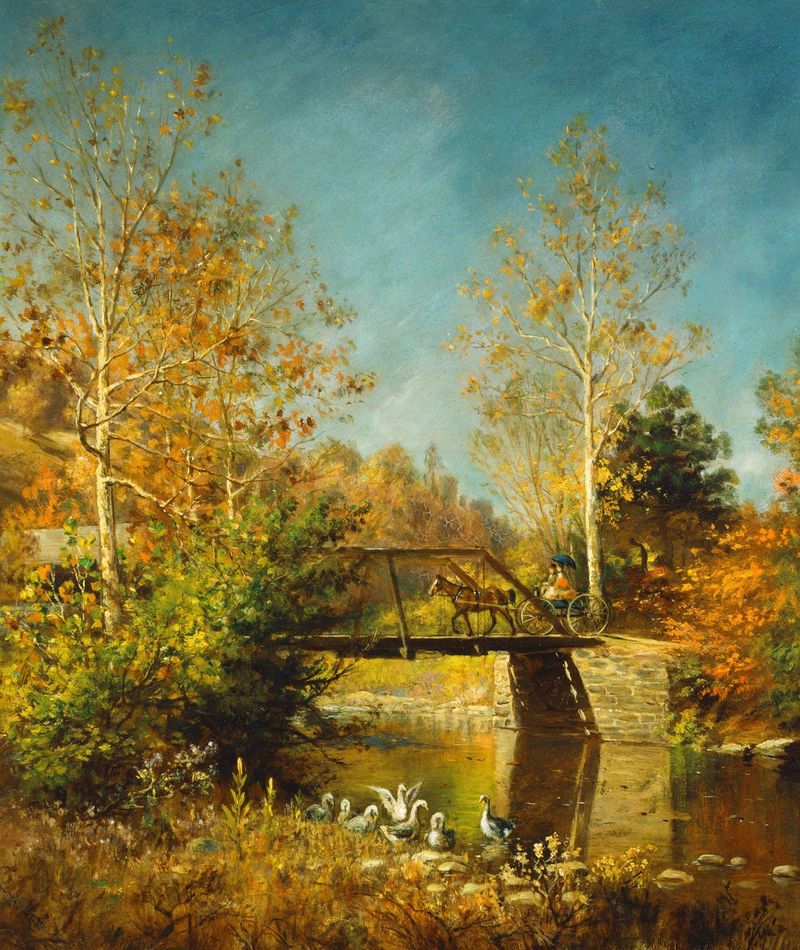
Going to Town
Edward Lamson Henry
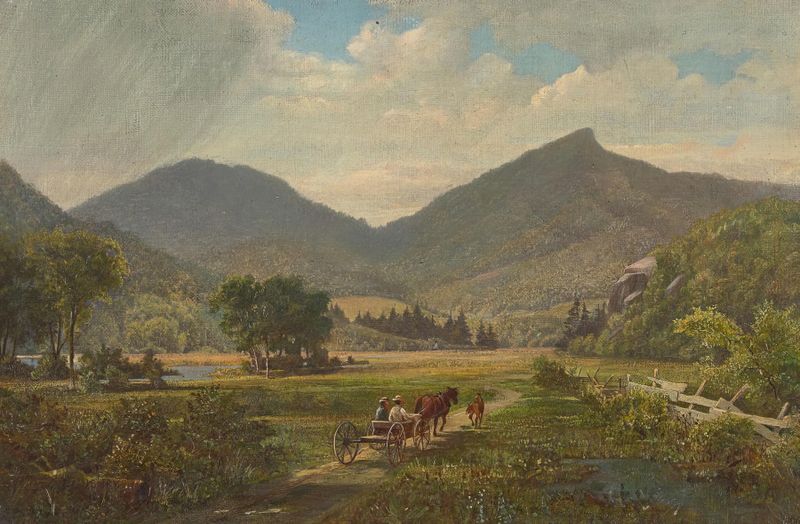
Mountain Carriage (Saugerties)
Edward Lamson Henry

Old Hook Mill, Easthampton
Edward Lamson Henry
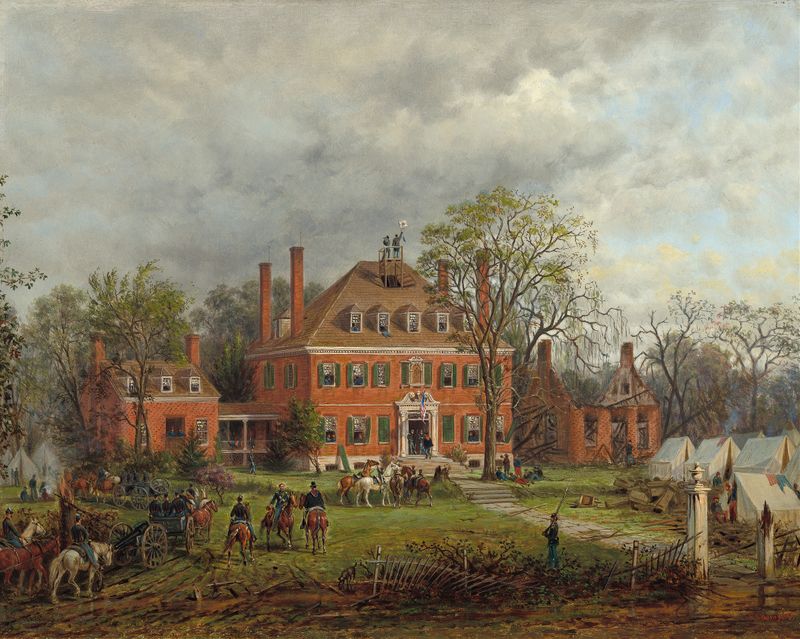
The Old Westover House
Edward Lamson Henry

Homestead
Edward Lamson Henry





