
Village Steeple at the Seaside — History & Facts
A steeple rises like a compass needle above the clustered rooftops, drawing the eye upward before letting it wander across the rest of Village Steeple at the Seaside. The church is not just an anchor for the village but for the entire composition: its spire splits the sky, while the buildings huddle around it as if for shelter. Look closer, and you’ll find life quietly unfolding—a figure bends at the water’s edge, two villagers pause in conversation by the wall, and distant boats slip out to sea.
The artist’s fine, restless lines animate the scene, giving the clouds a sense of movement and the water a gentle shimmer, while the careful placement of trees and fences leads the viewer’s gaze in a gentle loop from land to sea and back again. Works like this belong to a Northern European tradition that flourished during the seventeenth century, when artists such as Antonie Waterloo made the everyday landscape a worthy subject in its own right. These views were often collected by a growing class of urban patrons who prized scenes of familiar countryside and village life—images that balanced the serenity of nature with the rhythms of work and worship. The presence of this print in the National Gallery of Art, as noted in its open-access donation, is a testament to the enduring appeal of such images, even when history has left few traces of their individual stories.
The next time you look, let your eye linger on the steeple, and imagine the lives unfolding quietly beneath its watchful point.
More Artworks by Antonie Waterloo
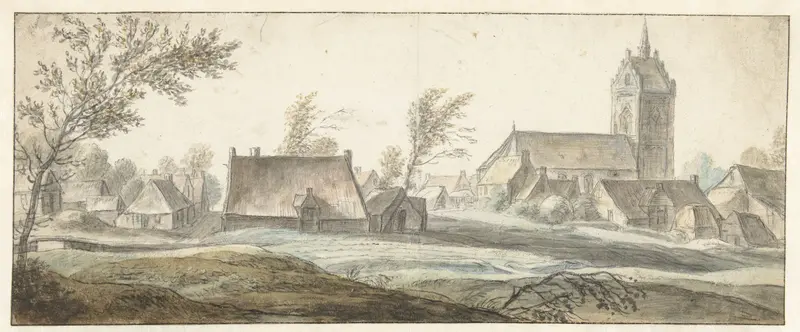
Gezicht op het dorp Soest
Antonie Waterloo
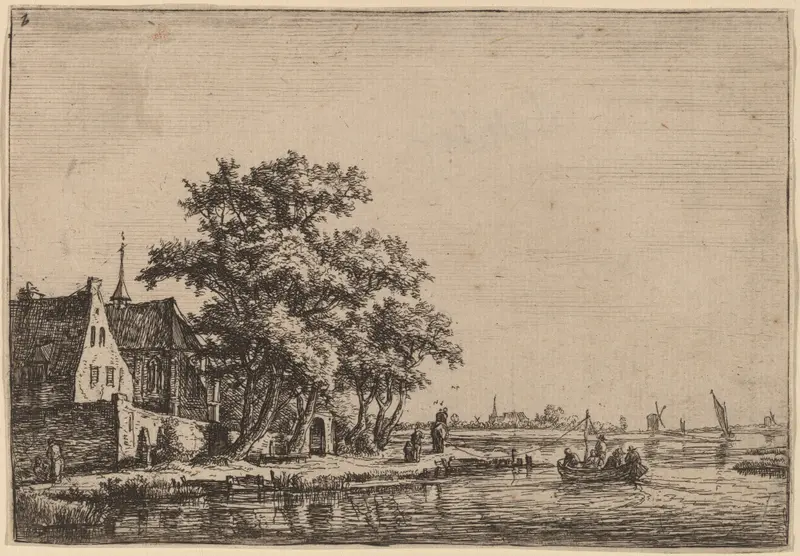
Churchyard at the Waterside
Antonie Waterloo
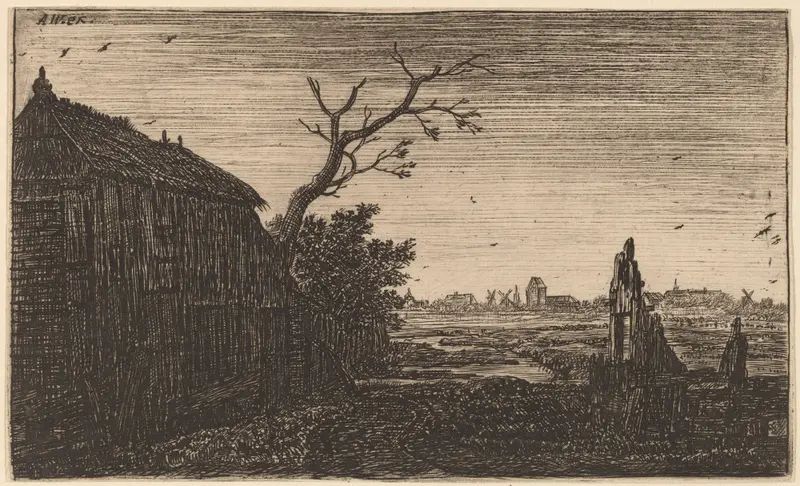
The Sluice
Antonie Waterloo
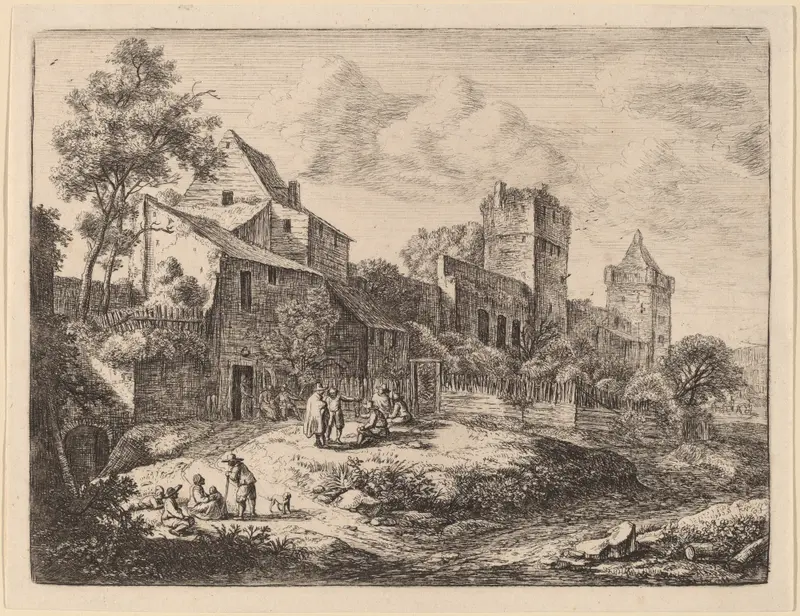
Square in Front of an Inn
Antonie Waterloo
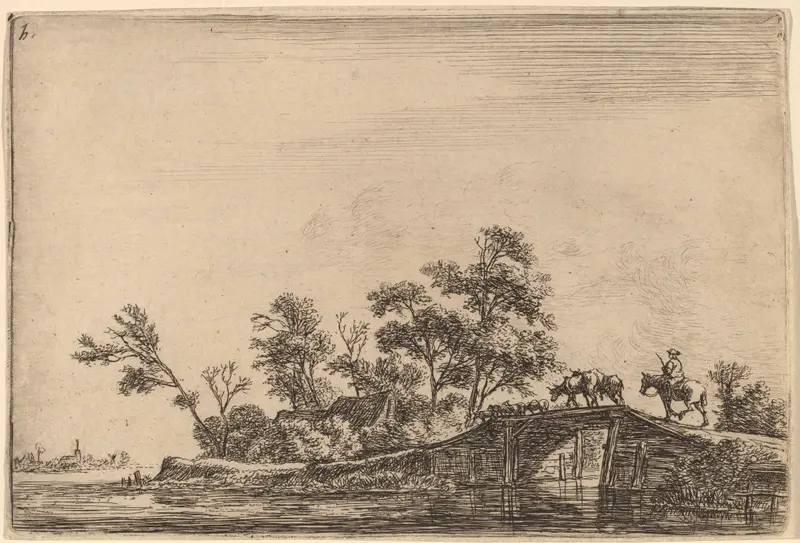
Rider and Flock on a Bridge
Antonie Waterloo
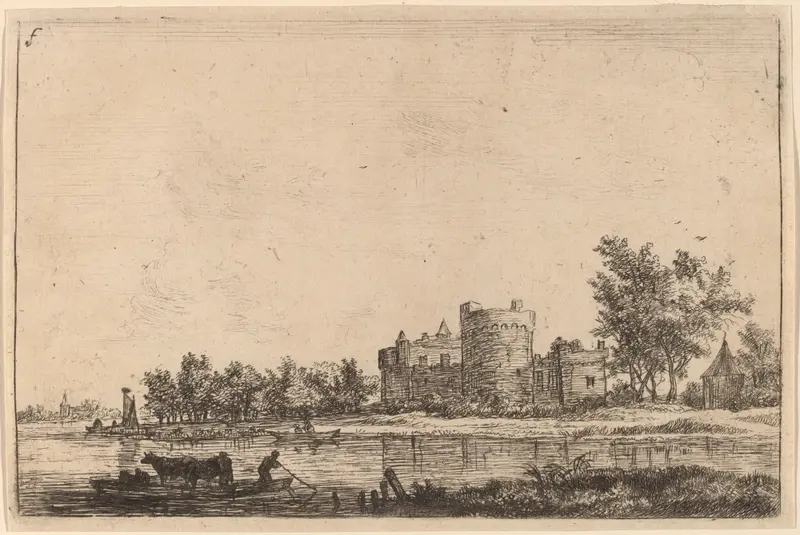
Two Cows on a Ferry
Antonie Waterloo
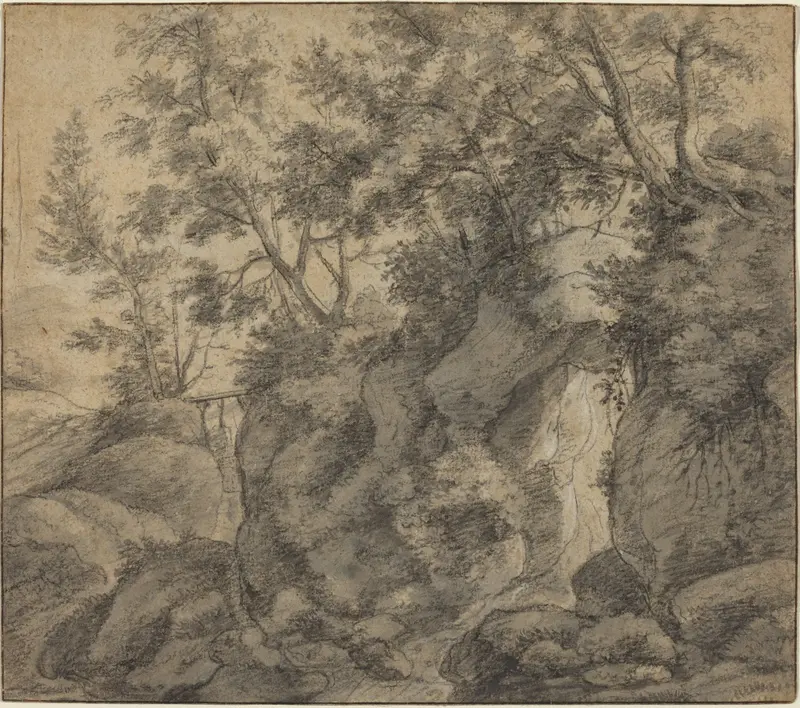
Landscape with a Wooded Ravine
Antonie Waterloo
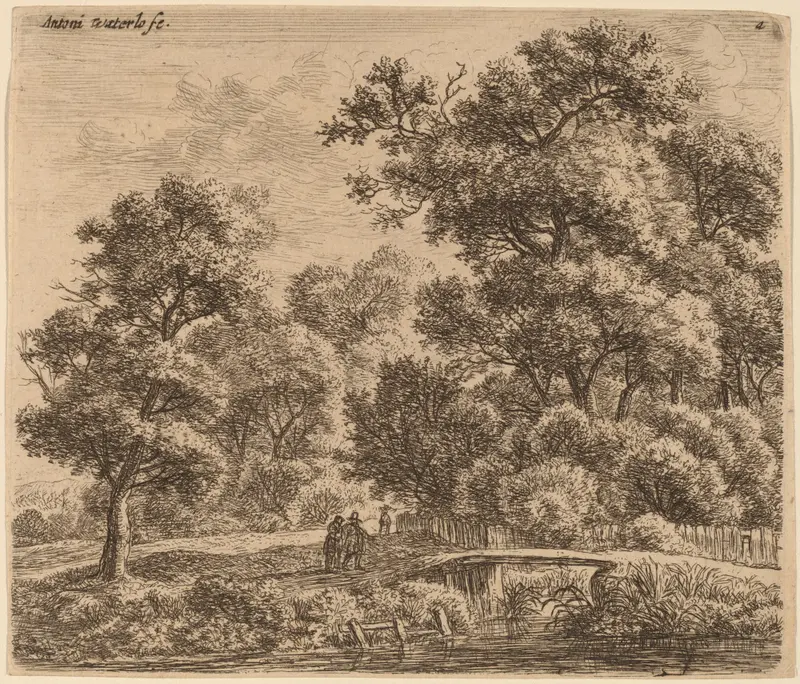
Wooded Landscape with a Bridge
Antonie Waterloo
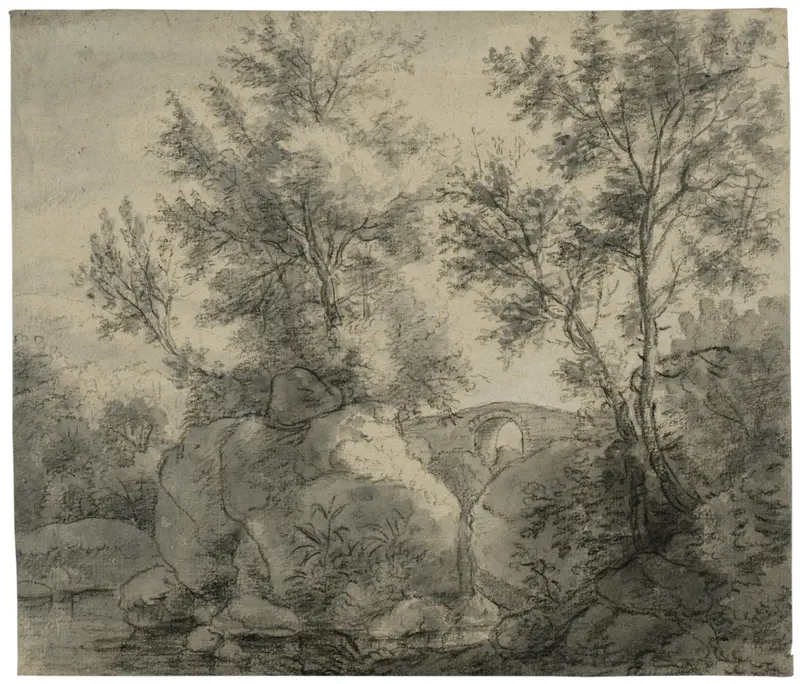
Rocky Landscape with a Stone Bridge
Antonie Waterloo
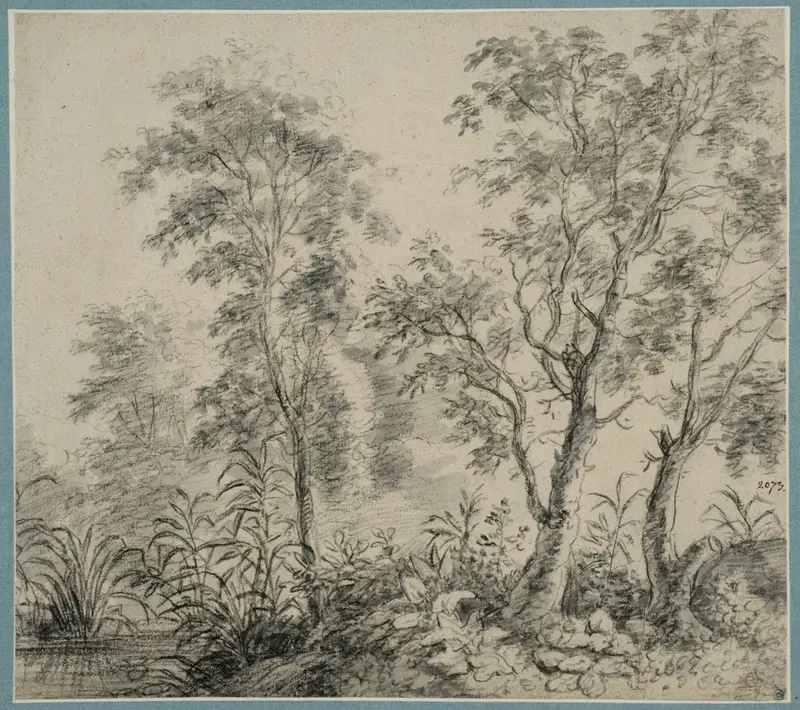
River Bank with a Row of Trees
Antonie Waterloo
More Landscape Art

The Starry Night
Vincent van Gogh

View of Delft
Johannes Vermeer

Water Lilies
Claude Monet

The Grand Canal, Venice, looking north-west from the Ca' Corner to the Ca' Contarini degli Scrigni, with the campanile of Santa Maria della Carità
Canaletto

Windsor Castle
Canaletto

The Grand Canal looking North-East from the Palazzo Dolfin-Manin to the Rialto Bridge
Canaletto