
Virgin and Child — History & Facts
What draws the eye first in Virgin and Child by Abraham Bloemaert is the extraordinary intimacy between mother and child, captured not through grand gestures but through the soft geometry of their embrace. The Virgin’s head inclines gently toward the Christ Child, her gaze lowered in quiet contemplation. The child, nestled securely in her arms, looks upward with a serene, almost knowing expression, his small hand resting on his mother’s.
The light—delicate and warm—bathes their faces and hands, setting them apart from the deep, undistracting background. Every fold of the Virgin’s mantle, every rosy flush on the child’s cheek, seems designed to draw the viewer into this private, tender moment, inviting us to linger on the subtle choreography of touch and glance. Painted around 1625, this work belongs to a flourishing moment in Dutch art, when religious images like this were crafted for private devotion as much as for public display. In the Protestant Netherlands, overtly Catholic imagery was less common, but artists such as Bloemaert—known for his versatility and teaching—continued to shape the visual language of the sacred.
The Schorr Collection’s oil on canvas shows the artist’s hand at a time when the boundaries between Italianate idealism and Northern naturalism were being explored anew. Though history has kept few traces of this painting’s early journey, its gentle humanity and careful finish speak to the quiet power such works held in the homes and hearts of their first viewers. The story lingers in the soft shadows and the meeting of their eyes—look again, and see how much is said without a word.
More Artworks by Abraham Bloemaert

Adam and Eve
Abraham Bloemaert
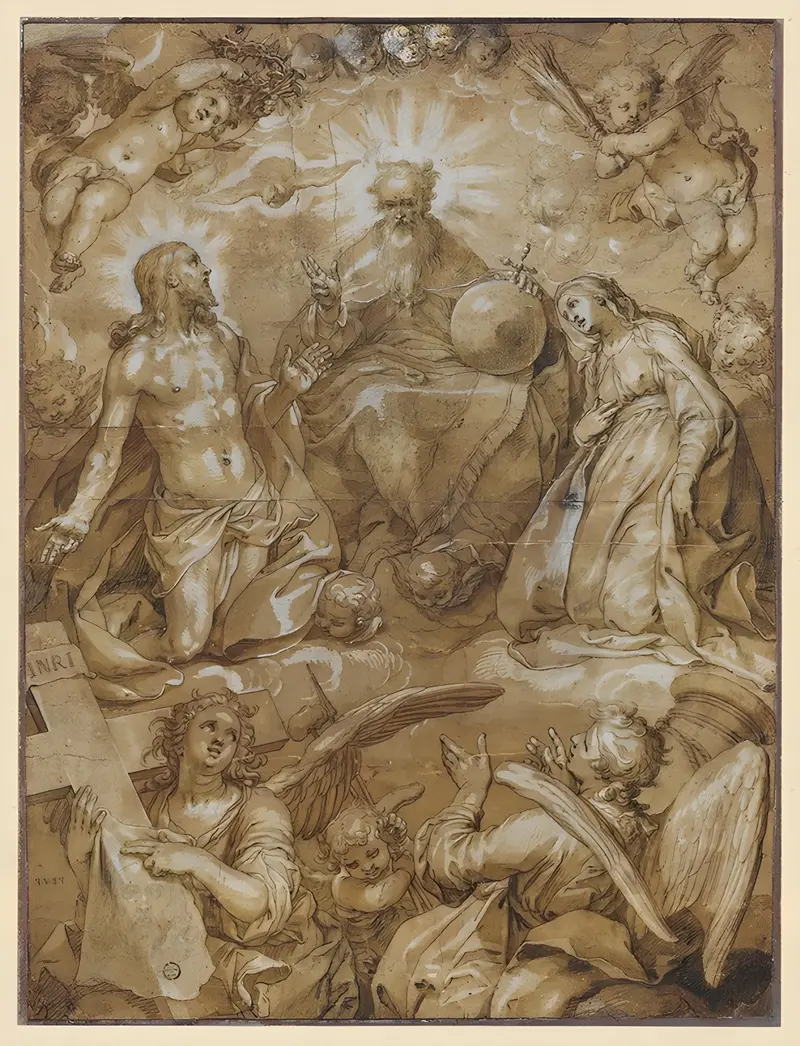
Intercession of Christ and Mary before God the Father
Abraham Bloemaert
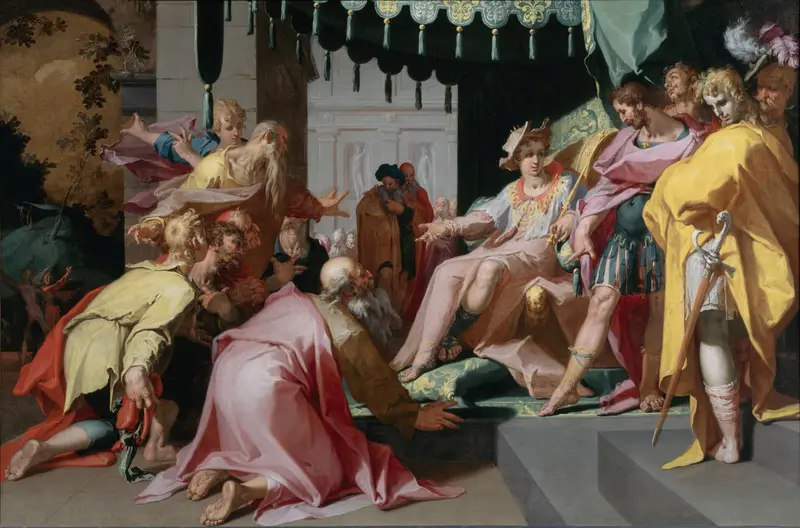
Joseph and his Brothers
Abraham Bloemaert
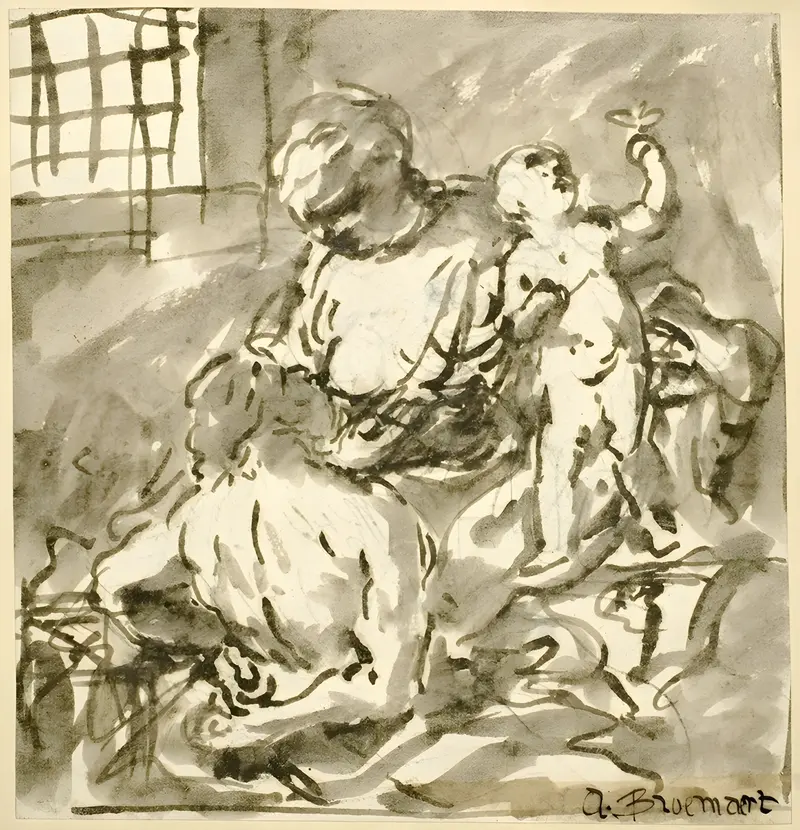
Caritas Romana
Abraham Bloemaert
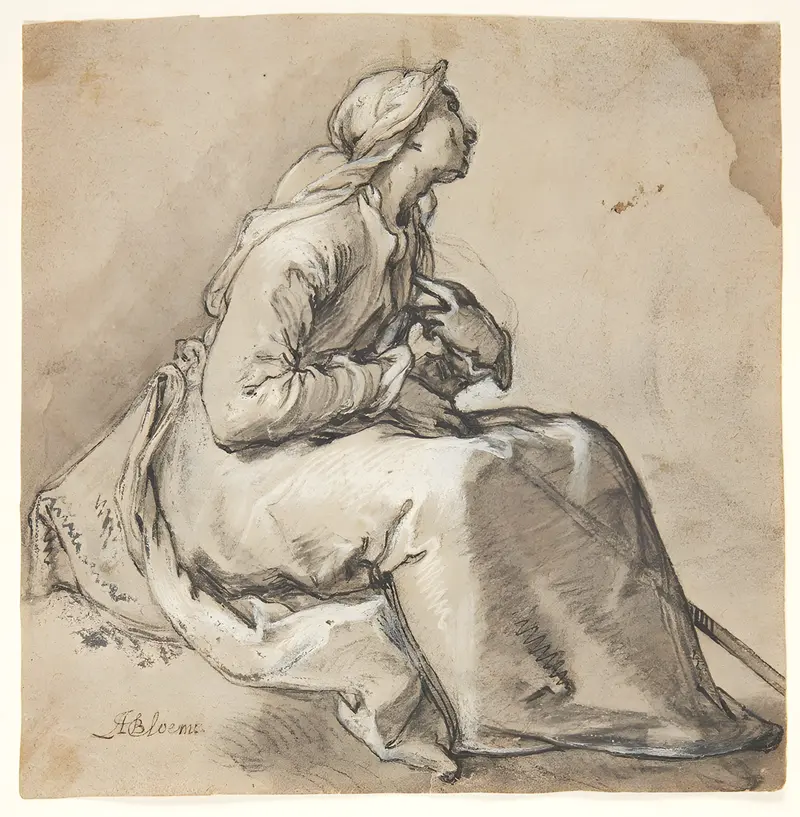
A seated woman facing right
Abraham Bloemaert
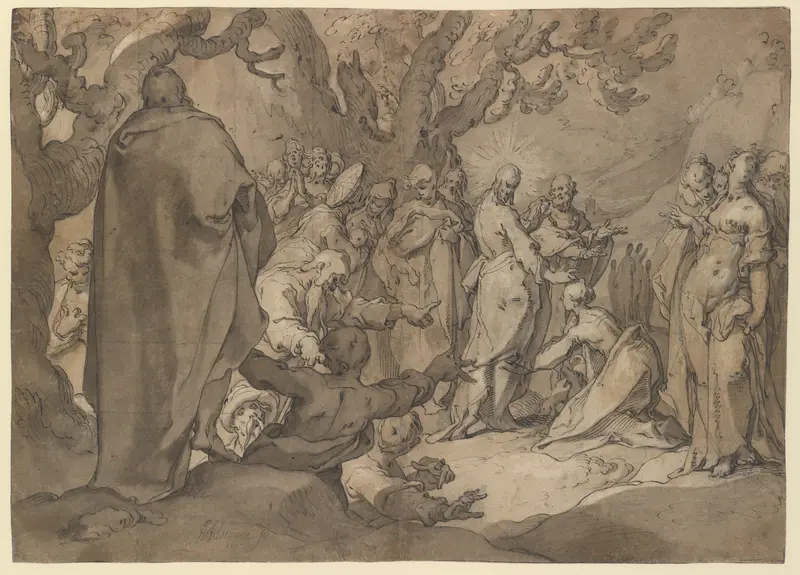
Christ and the Canaanite Women
Abraham Bloemaert
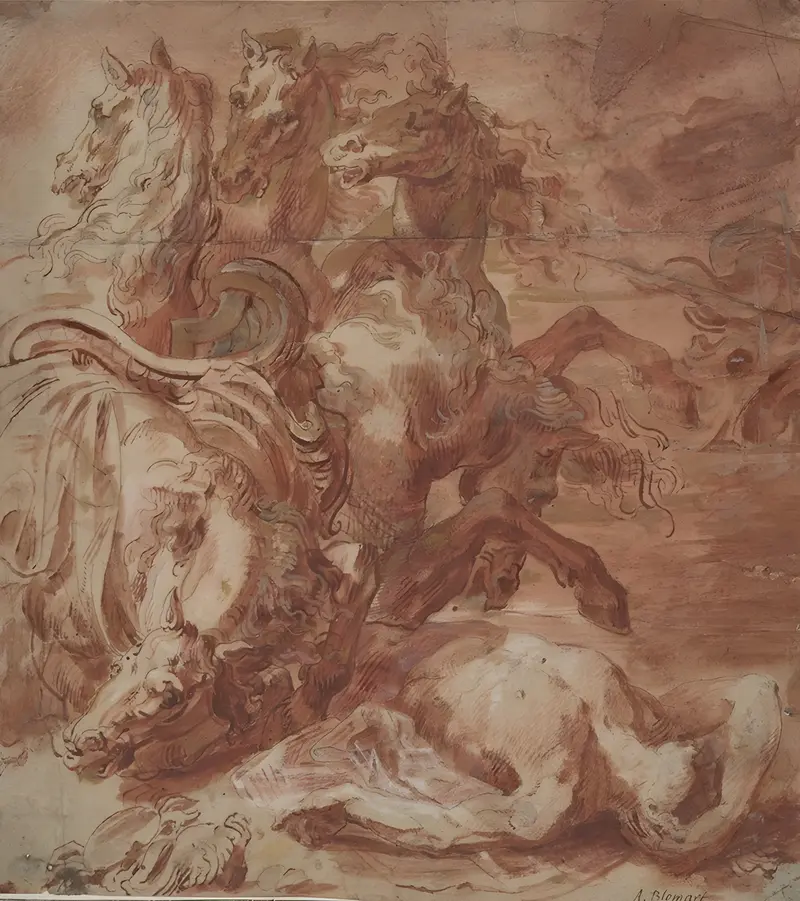
Hippolytus
Abraham Bloemaert
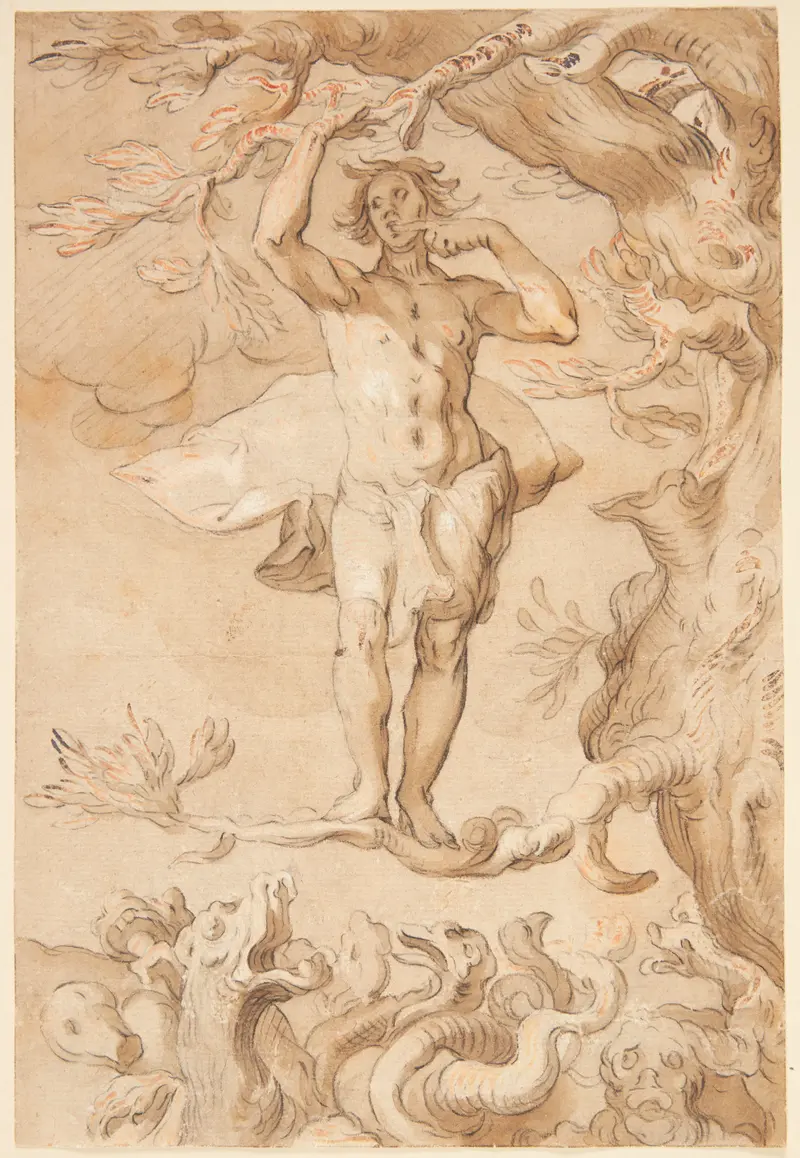
Den menneskelige glædes skrøbelighed En mand, der jages af en drage, klynger sig til en gren, mens han slikker honning af sin finger
Abraham Bloemaert

Moses Striking the Rock
Abraham Bloemaert
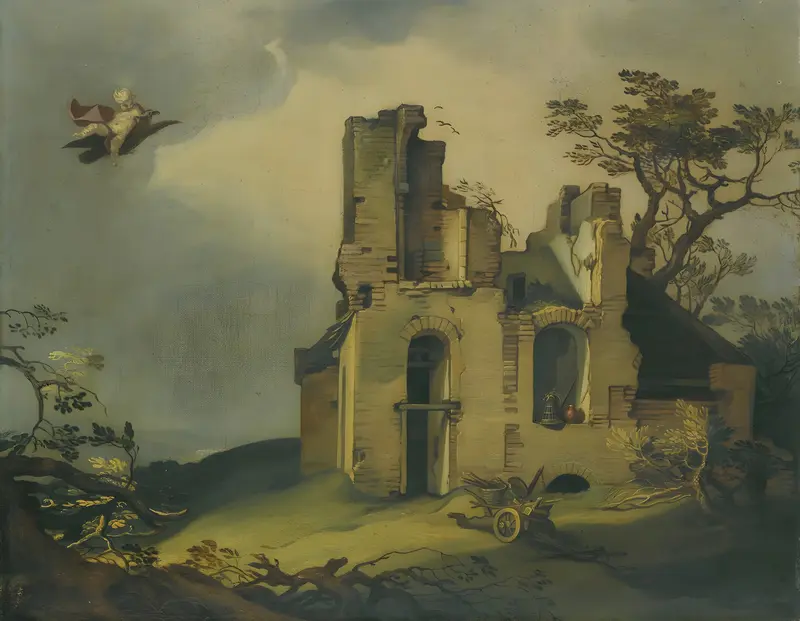
A Landscape With Ruins, With The Rape Of Ganymede
Abraham Bloemaert





