Vlinders en een mot — History & Facts
In the delicate interplay of nature, transformation unfolds, revealing the intricacies that often lie hidden in plain sight. Look closely at the meticulous details in Vlinders en een mot. The soft, muted colors blend harmoniously, drawing your gaze first to the two butterflies, their wings outstretched in all their fragile beauty. Note how the gentle strokes capture the fluttering motion of the creatures, their patterns vibrant against the brief backdrop of foliage that frames them.
The composition whispers of tranquility, yet hints at the fleeting nature of life, emphasizing the juxtaposition between the ephemeral and the eternal. As you delve deeper, observe the subtle interplay between light and shadow, where hints of blue and gold dance across the wings. The moth, often overlooked, rests in contrast—its muted tones suggest a hidden wisdom that shadows the brighter, more flamboyant butterflies. This juxtaposition reflects the duality of existence; beauty lies intertwined with the mundane, revealing a narrative of transformation and the transient moments that shape our understanding of the world. In 1646, Wenceslaus Hollar created this piece amidst the artistic fervor of the Baroque period, a time when naturalism and the study of the world around took precedence.
Working in the Netherlands, Hollar was influenced by the detailed observation of nature, a reflection of both his personal journey and the broader artistic movement that sought to capture the essence of life’s beauty and complexity.
More Artworks by Wenceslaus Hollar
Browse all →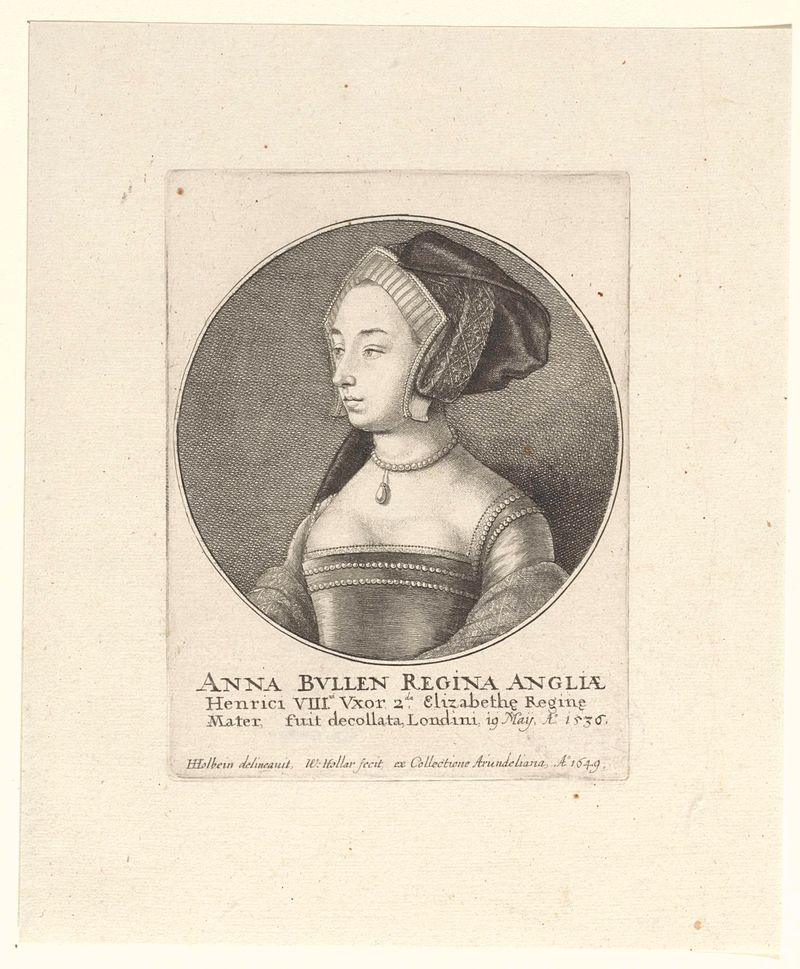
Portret van Anna Boleyn, koningin van Engeland
Wenceslaus Hollar
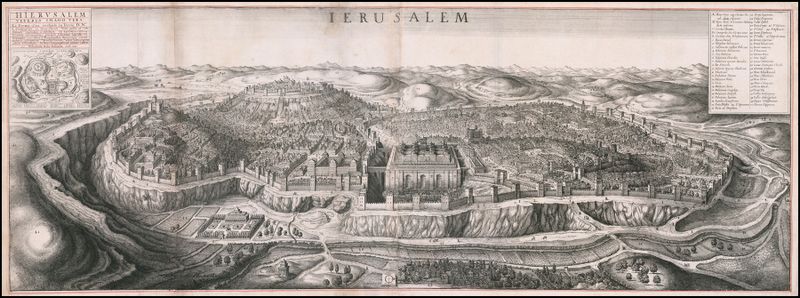
Bird’s eye view of Jerusalem
Wenceslaus Hollar
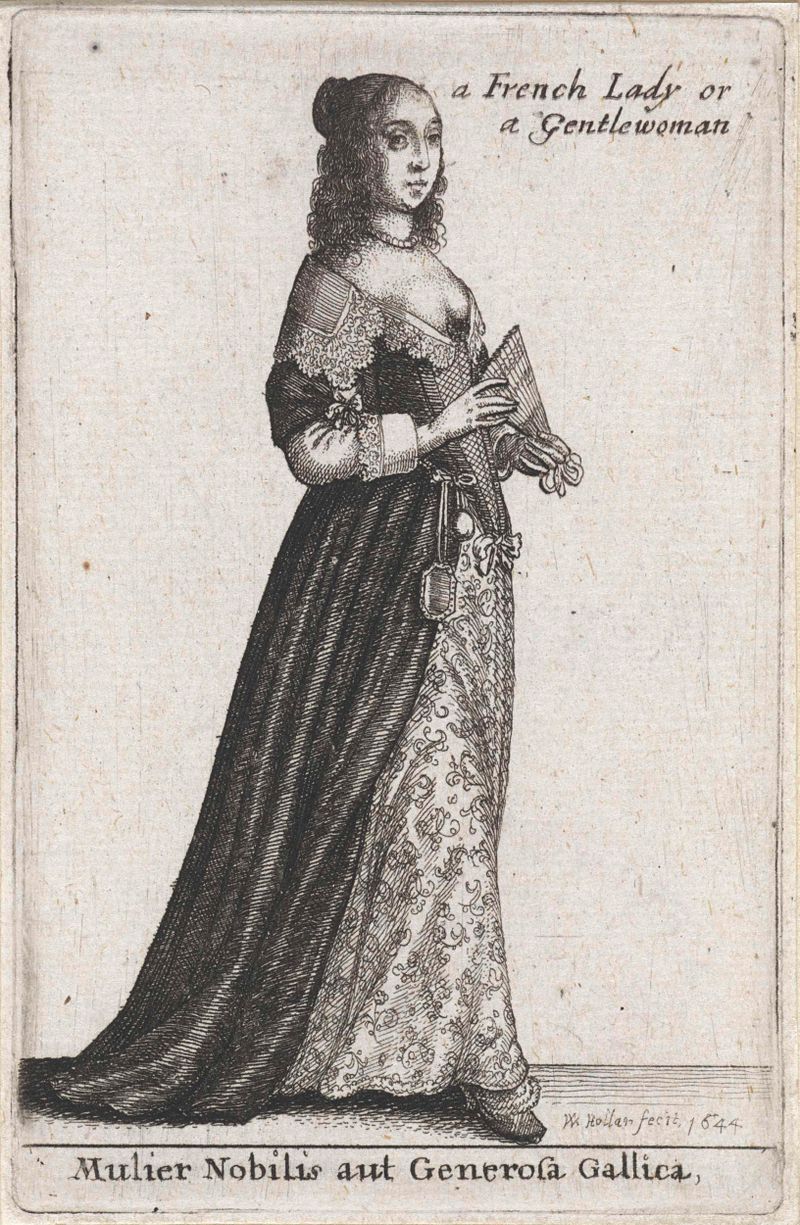
Mulier Nobilis aut Generosa Gallica / a French Lady or Gentlewoman
Wenceslaus Hollar
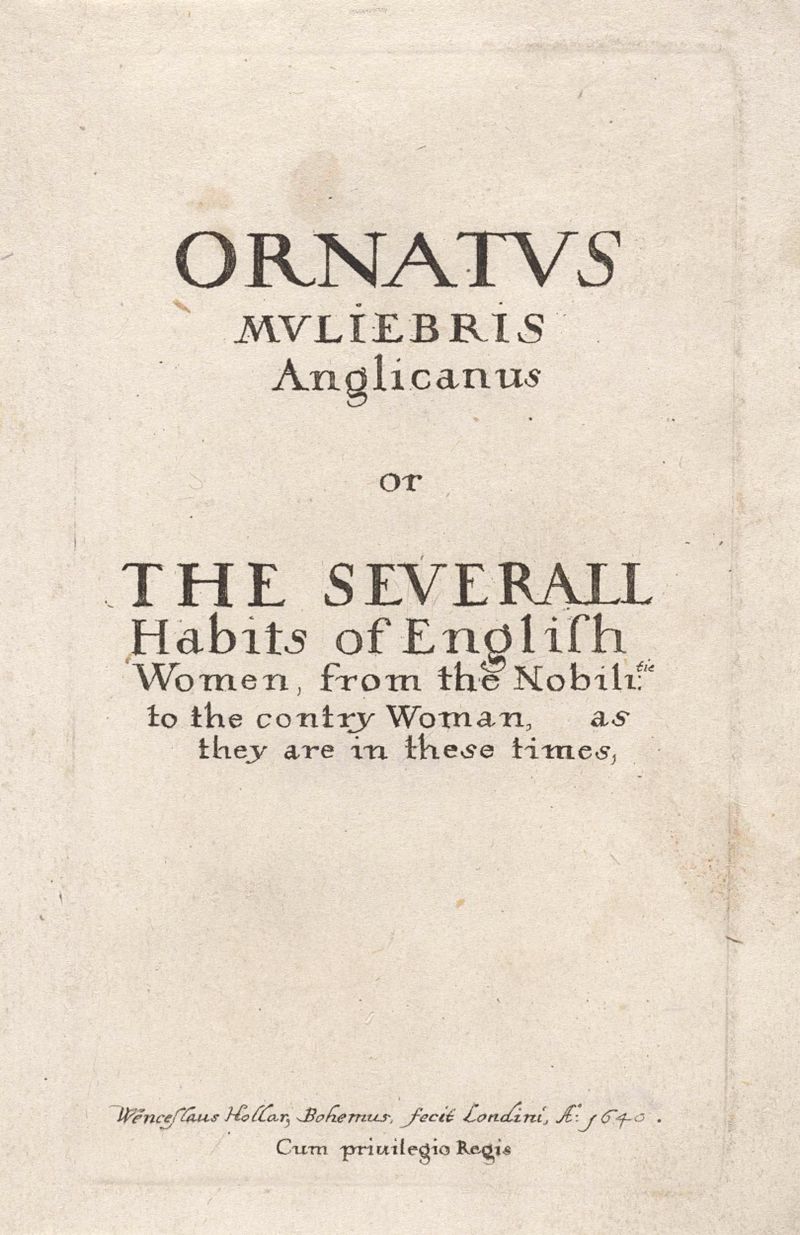
Titelprent voor: Ornatus Muliebris Anglicanus
Wenceslaus Hollar
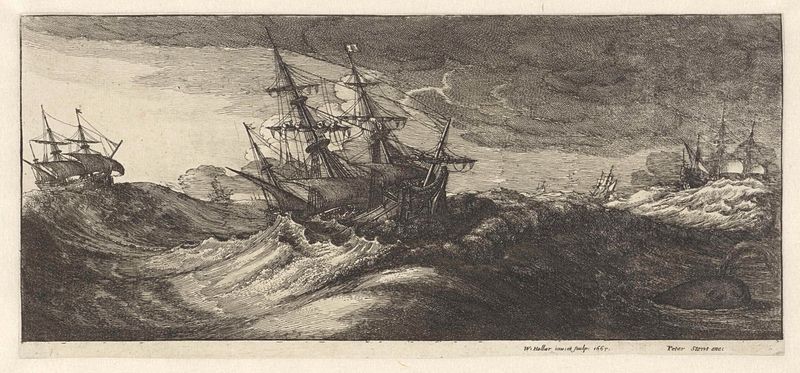
Oorlogsschepen en een walvis in een zeestorm
Wenceslaus Hollar
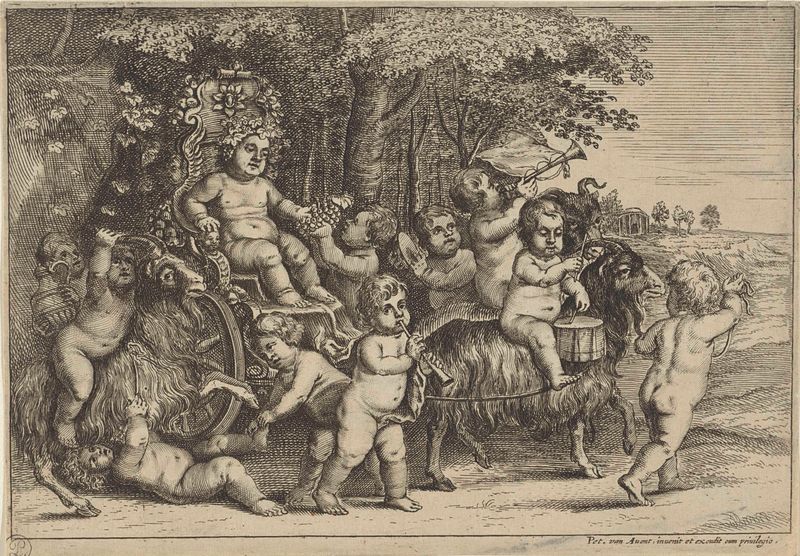
Optocht van bacchant en jongetjes op geiten
Wenceslaus Hollar
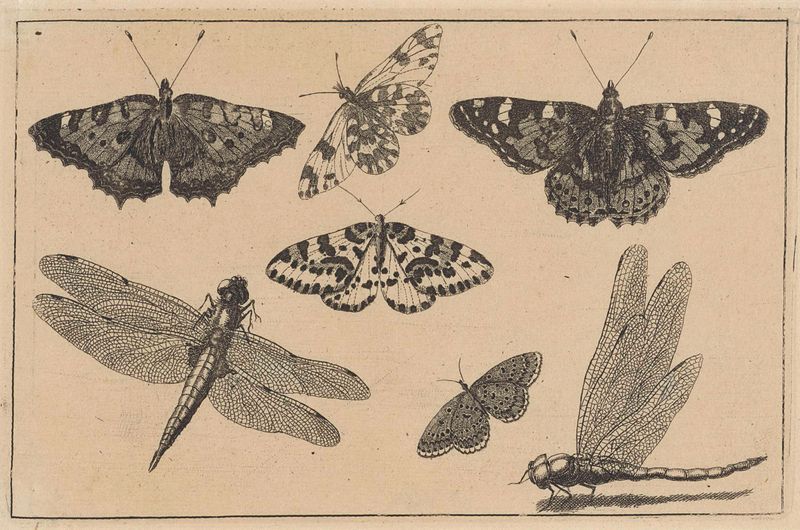
Twee libellen en vijf vlinders
Wenceslaus Hollar
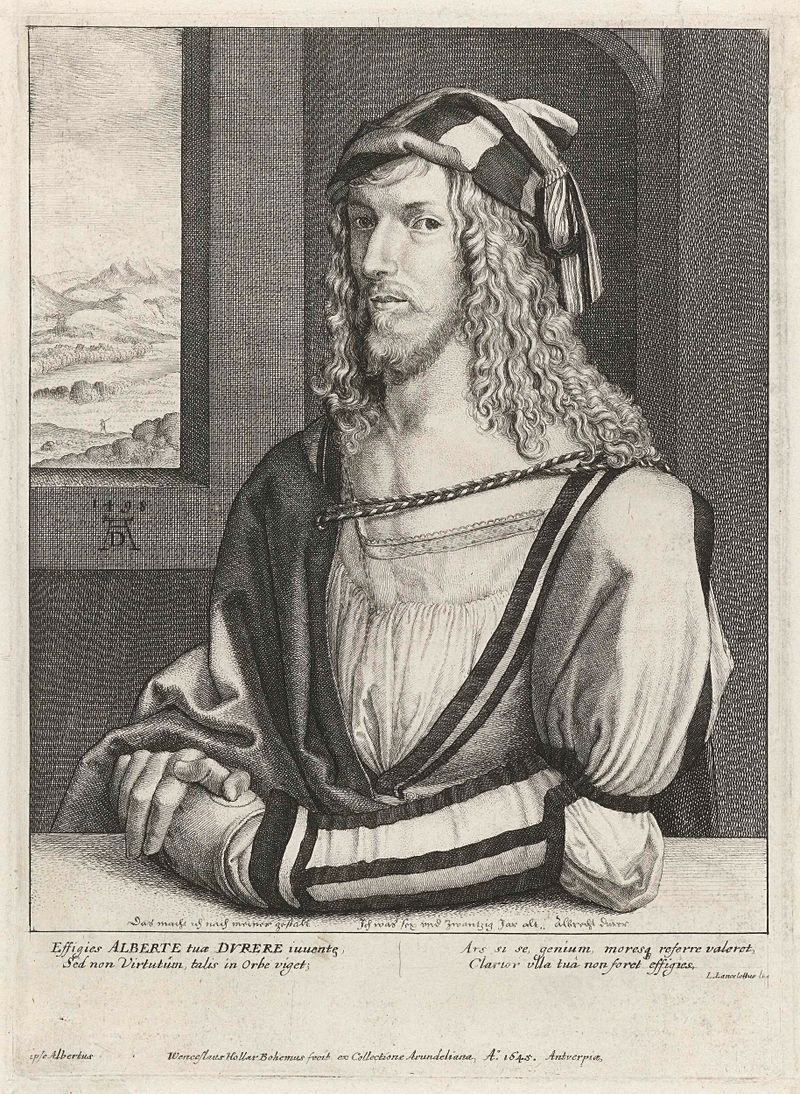
Portret van Albrecht Dürer
Wenceslaus Hollar
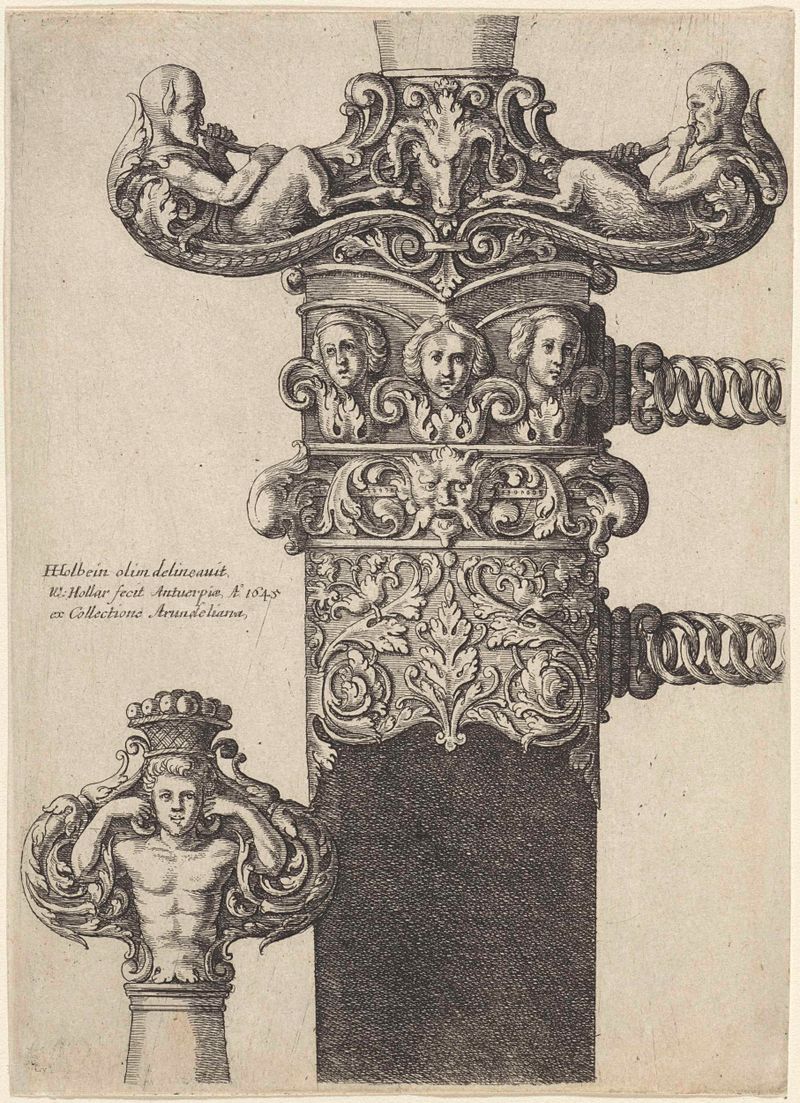
Ornamenteel ontwerp voor een dolk
Wenceslaus Hollar
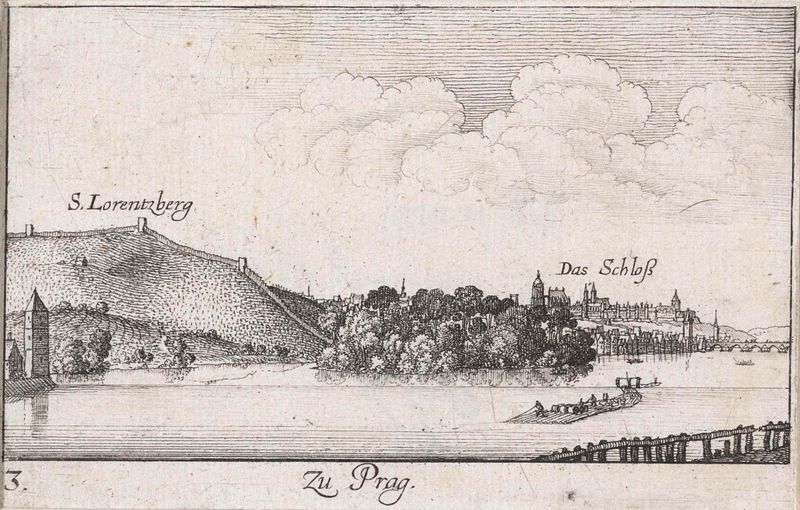
Gezicht op Praag vanaf de Moldau
Wenceslaus Hollar