Vlinders en een wesp — History & Facts
Who listens when art speaks of silence? In Wenceslaus Hollar's Vlinders en een wesp, the stillness of nature becomes a canvas for desire, whispering stories of longing and transience. Look to the left at the delicate butterflies, their wings painted with a meticulous attention to detail that celebrates both beauty and fragility. Notice how the sunlight bathes them in warm hues, creating a gentle contrast against the darker tones of the wasp nearby. Each element is carefully composed, with the butterflies positioned gracefully amidst an array of flora, drawing the viewer's eye across the canvas, inviting exploration of both color and form. Yet beneath this serene beauty lies a tension — the juxtaposition of the ephemeral butterflies and the predatory wasp suggests an underlying theme of danger intertwined with desire.
While the butterflies embody the fleeting joys of life, the wasp serves as a reminder of nature's harsher realities. This contrast not only highlights the fragility of existence but also echoes the complexities of desire itself, which can be both enchanting and perilous. Created in 1646, Vlinders en een wesp reflects Hollar's experiences in Holland, where he found himself influenced by the burgeoning Dutch interest in detailed nature studies. During this time, the art world was evolving, embracing realism and the intricate beauty of the natural world, and Hollar's work exemplifies this shift by capturing both the vibrancy and vulnerability of life through exquisite detail.
More Artworks by Wenceslaus Hollar
Browse all →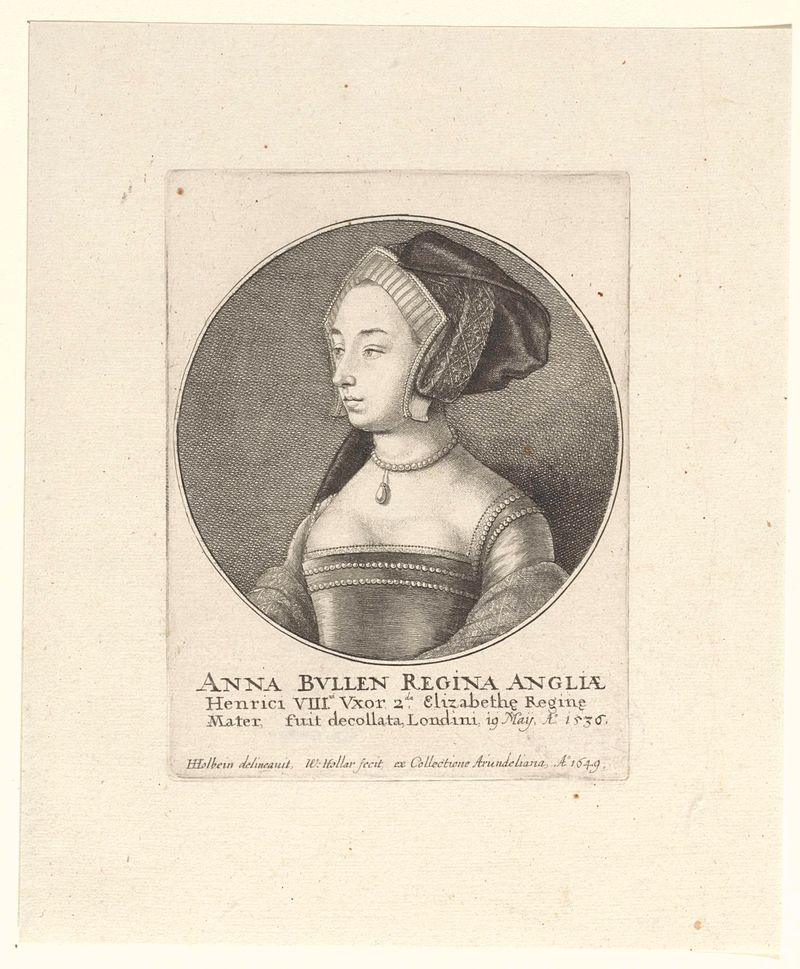
Portret van Anna Boleyn, koningin van Engeland
Wenceslaus Hollar
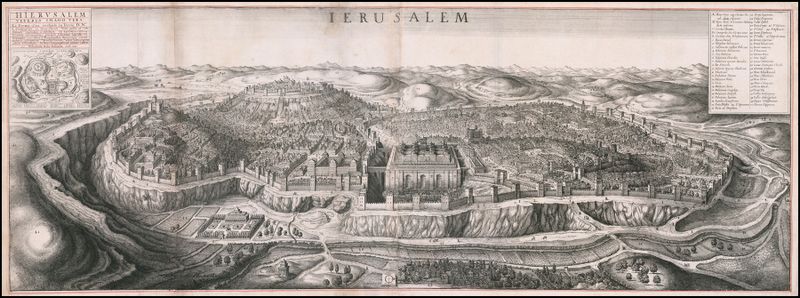
Bird’s eye view of Jerusalem
Wenceslaus Hollar
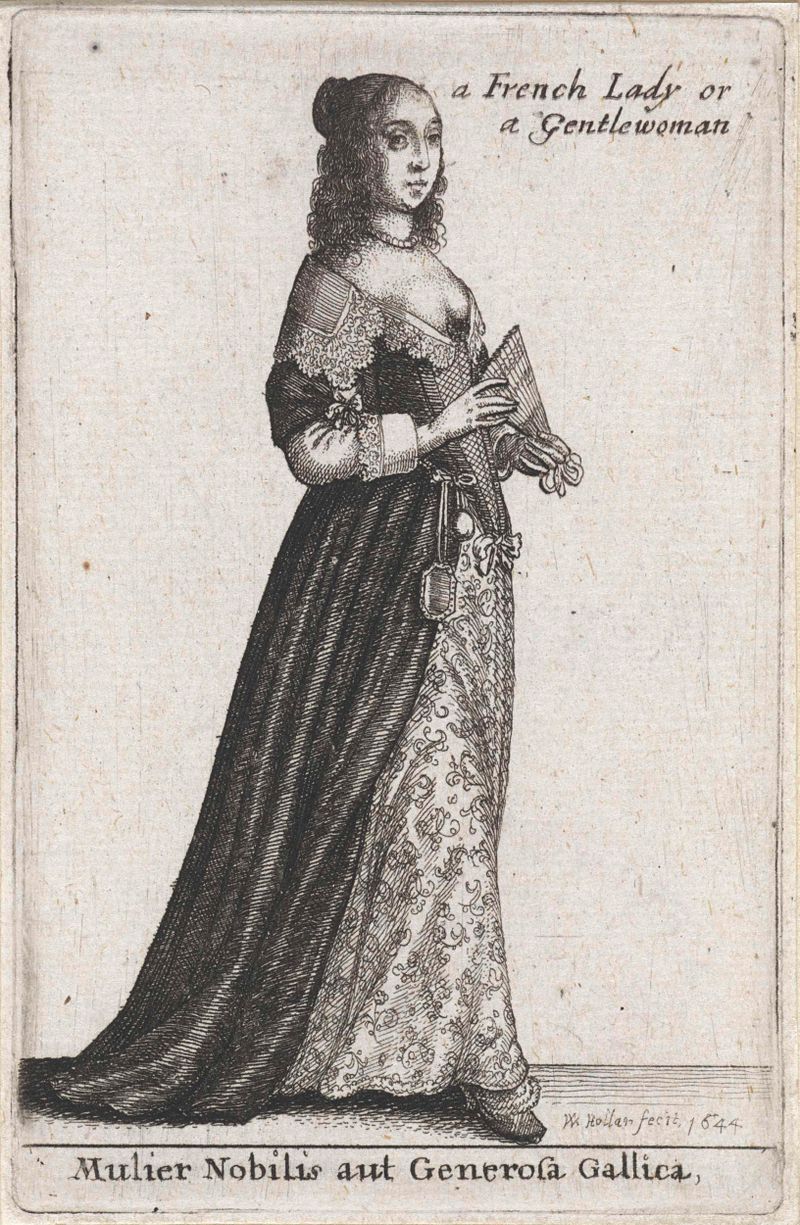
Mulier Nobilis aut Generosa Gallica / a French Lady or Gentlewoman
Wenceslaus Hollar
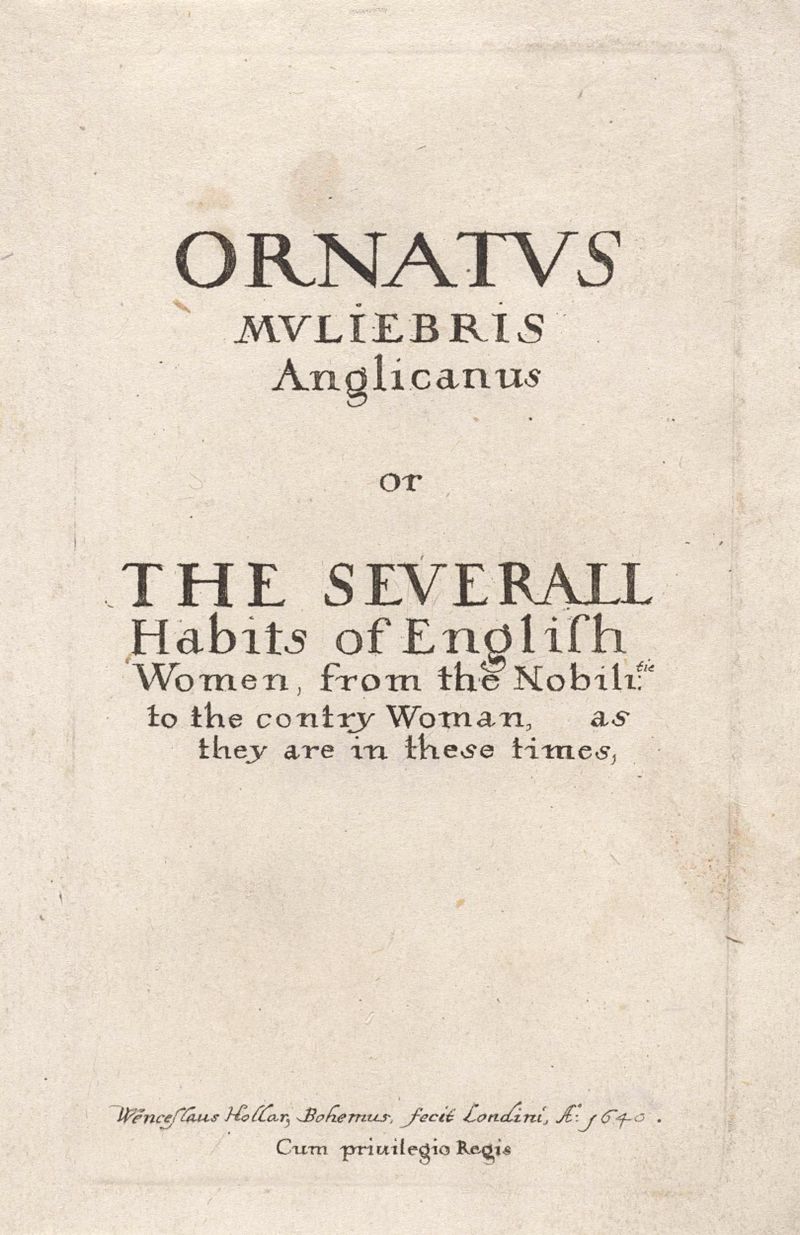
Titelprent voor: Ornatus Muliebris Anglicanus
Wenceslaus Hollar
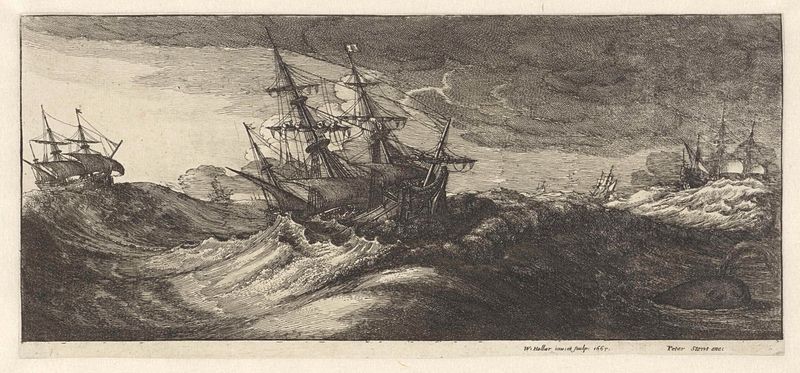
Oorlogsschepen en een walvis in een zeestorm
Wenceslaus Hollar
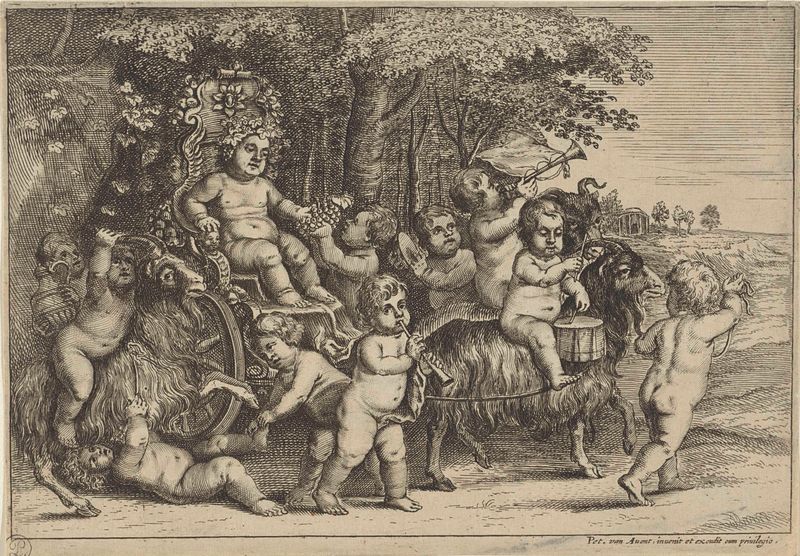
Optocht van bacchant en jongetjes op geiten
Wenceslaus Hollar
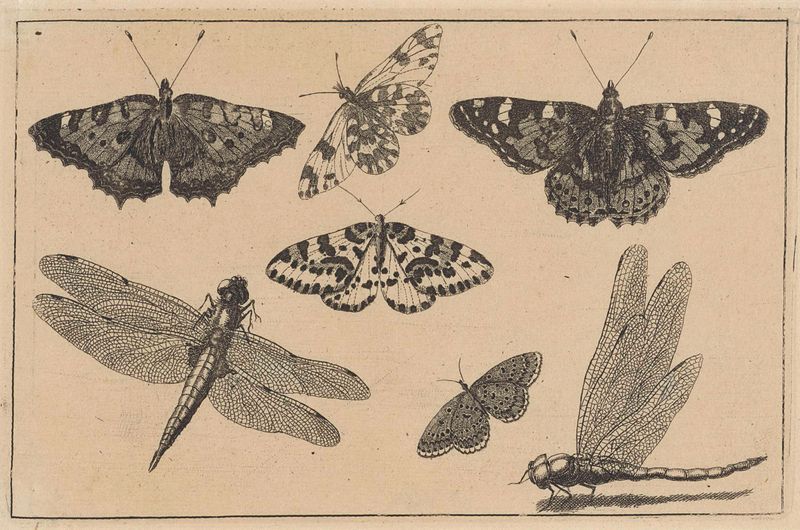
Twee libellen en vijf vlinders
Wenceslaus Hollar
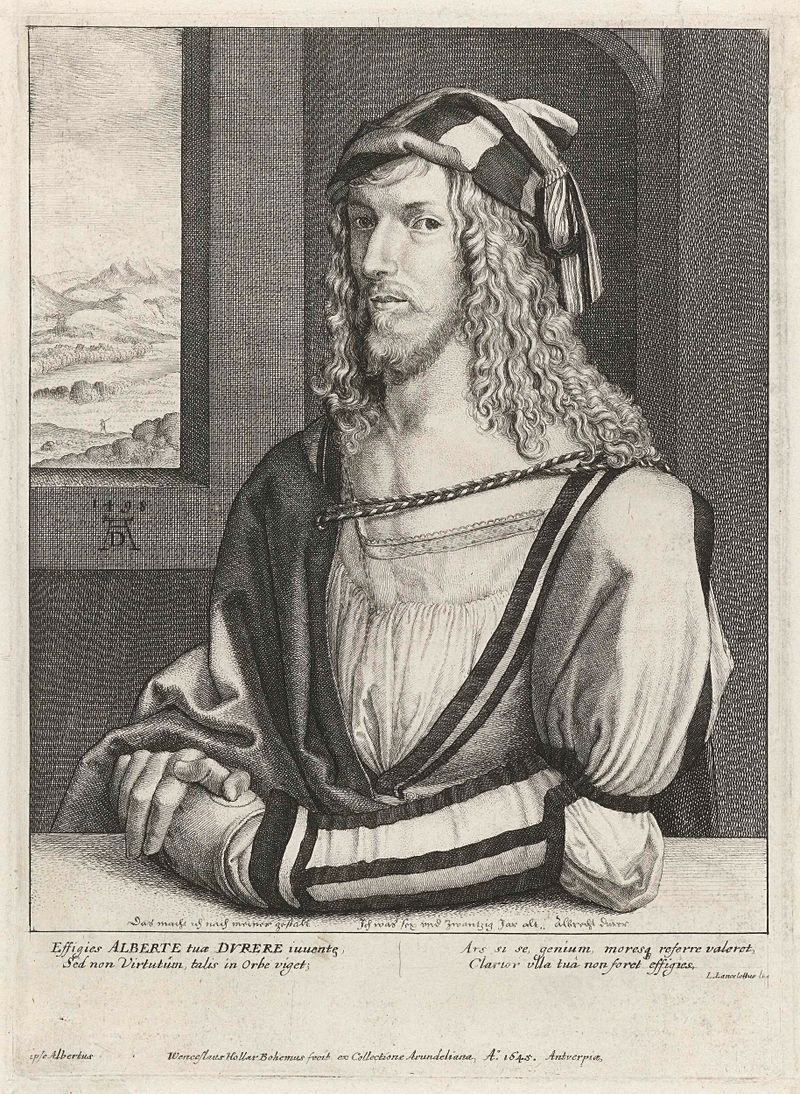
Portret van Albrecht Dürer
Wenceslaus Hollar
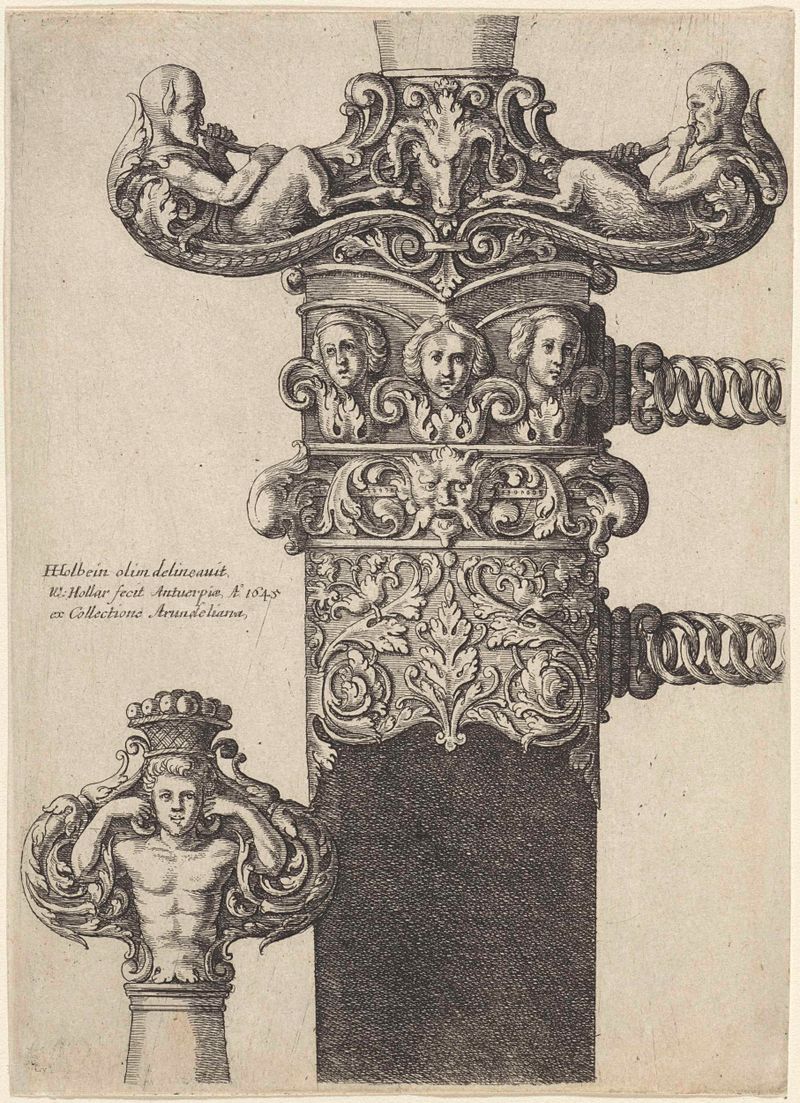
Ornamenteel ontwerp voor een dolk
Wenceslaus Hollar
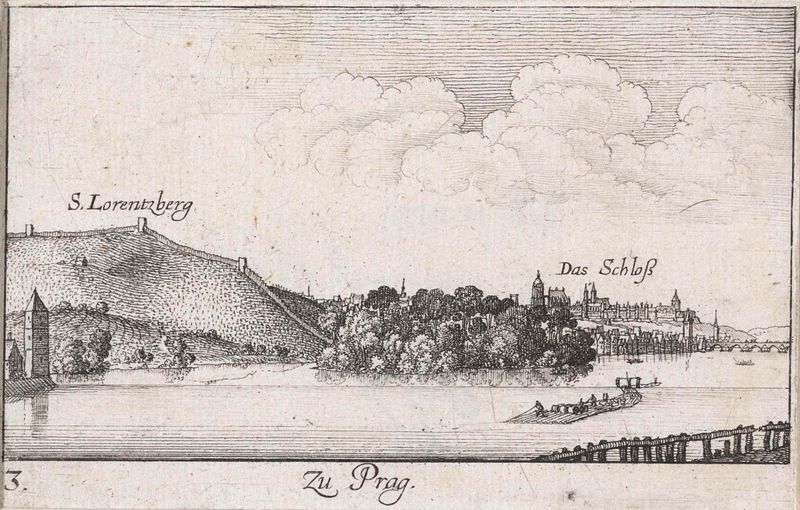
Gezicht op Praag vanaf de Moldau
Wenceslaus Hollar