Vlinders, torren en een mot — History & Facts
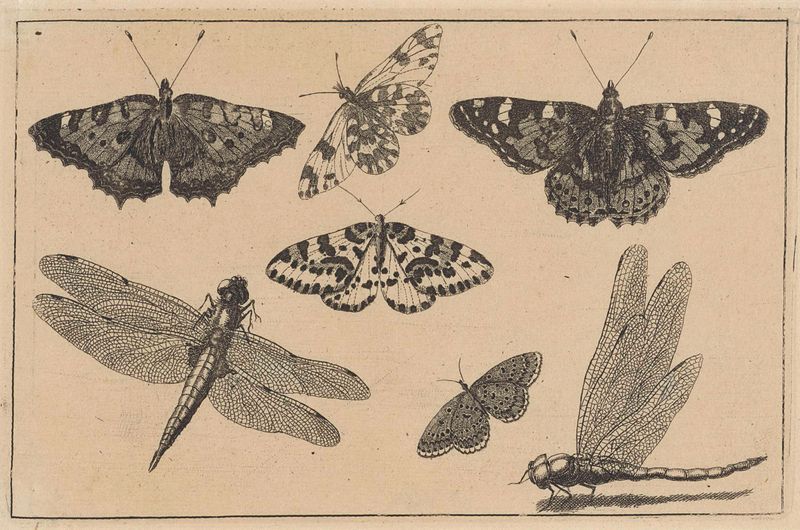
Can beauty exist without sorrow? In Vlinders, torren en een mot, Wenceslaus Hollar invites us to ponder this dichotomy through his intricate study of nature’s delicate creatures. The scene brims with a desire for understanding, an invitation to reflect on the fragile balance between joy and melancholy that nature embodies. Look to the center where the moth, with its soft, muted colors, draws your attention like a whisper among the bolder butterflies and beetles that surround it. Notice how the light filters through the translucent wings, casting gentle shadows that evoke a sense of vulnerability.
The artist's meticulous attention to detail is evident in the fine lines that define each insect, enhancing the lifelike quality of the composition while emphasizing their transient nature through a rich yet subtle color palette. Beneath the exquisite surface lies a deeper narrative. The juxtaposition of the vibrant butterflies and the somber moth speaks to the duality of life—beauty that flourishes alongside decay. Each insect, in its own way, carries the weight of existence, embodying desires and fleeting moments; the butterflies revel in their colorful glory, while the moth hints at the inevitability of dusk.
This tension prompts us to reflect on our own desires, the beauty we chase, and the shadows that linger behind. Hollar painted this work in 1646, during a time of personal struggle and artistic exploration in Prague. The Thirty Years' War had ravaged the region, leaving an imprint on the artistic community and shaping the narratives surrounding beauty and loss. This period marked a significant transition in Hollar’s life, as he grappled with the intersection of his own experiences and the natural world—a theme that resonates powerfully in his detailed studies of flora and fauna.
More Artworks by Wenceslaus Hollar
Browse all →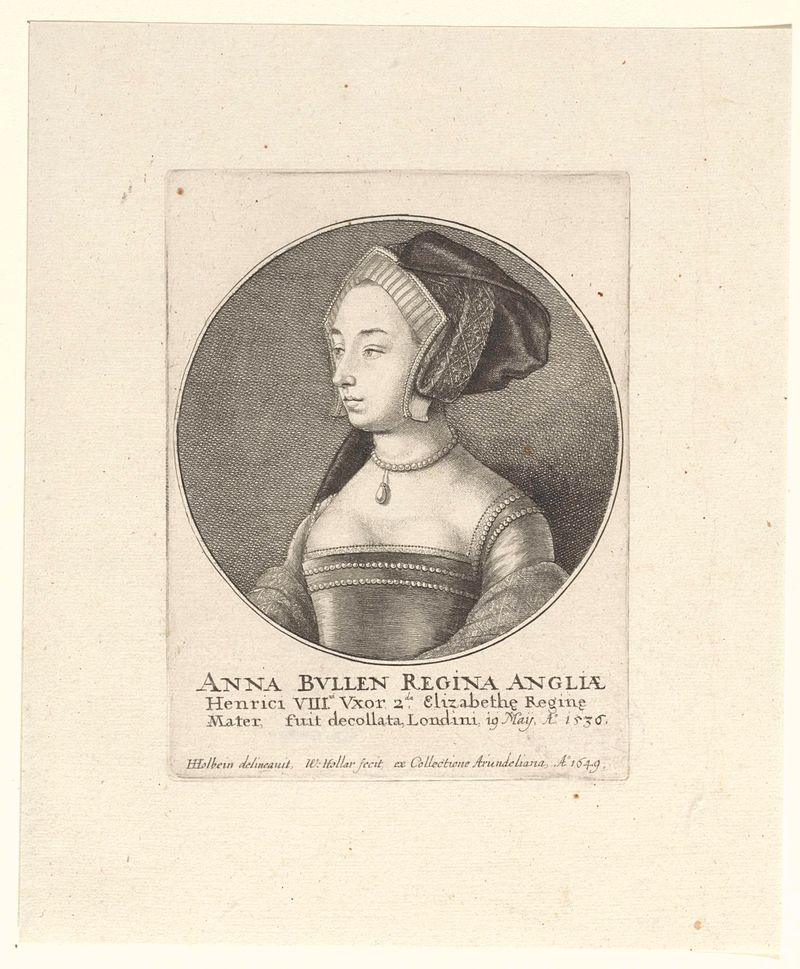
Portret van Anna Boleyn, koningin van Engeland
Wenceslaus Hollar
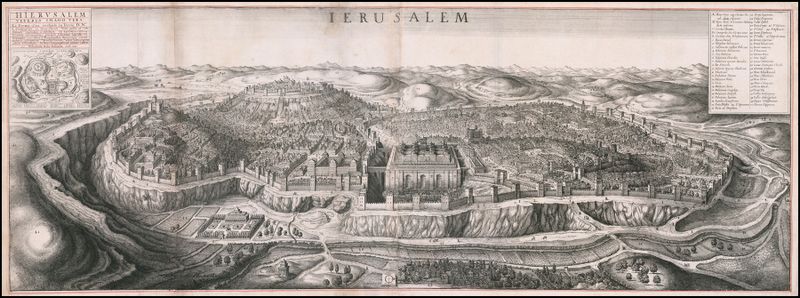
Bird’s eye view of Jerusalem
Wenceslaus Hollar
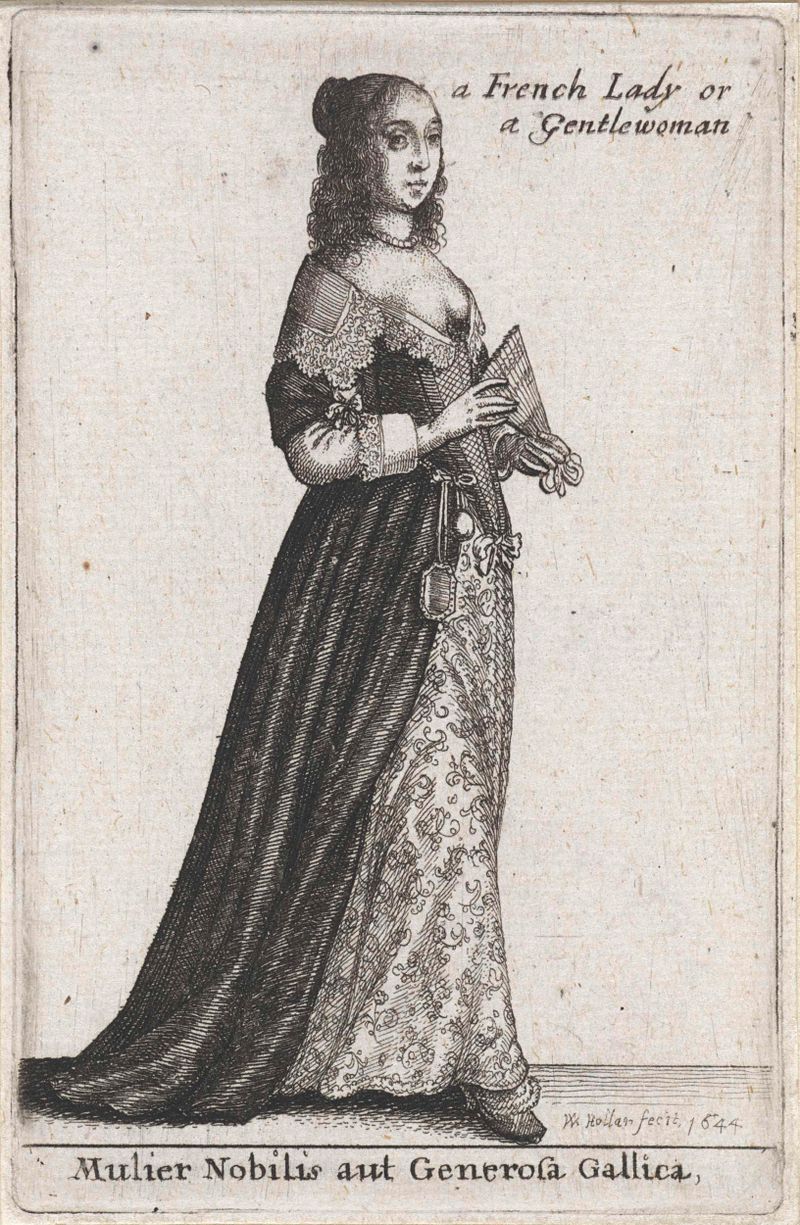
Mulier Nobilis aut Generosa Gallica / a French Lady or Gentlewoman
Wenceslaus Hollar
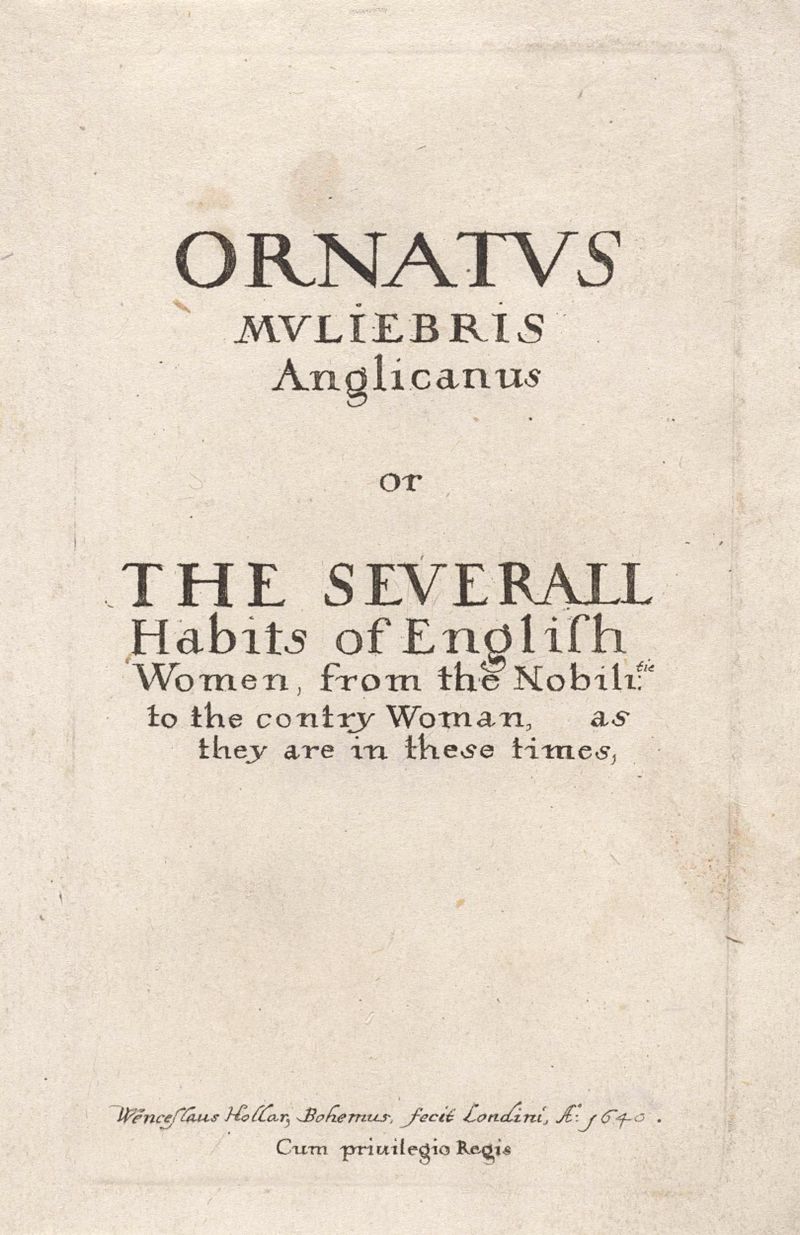
Titelprent voor: Ornatus Muliebris Anglicanus
Wenceslaus Hollar
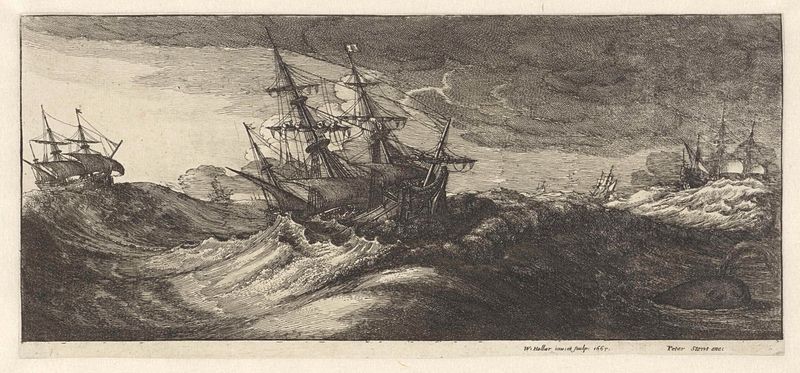
Oorlogsschepen en een walvis in een zeestorm
Wenceslaus Hollar
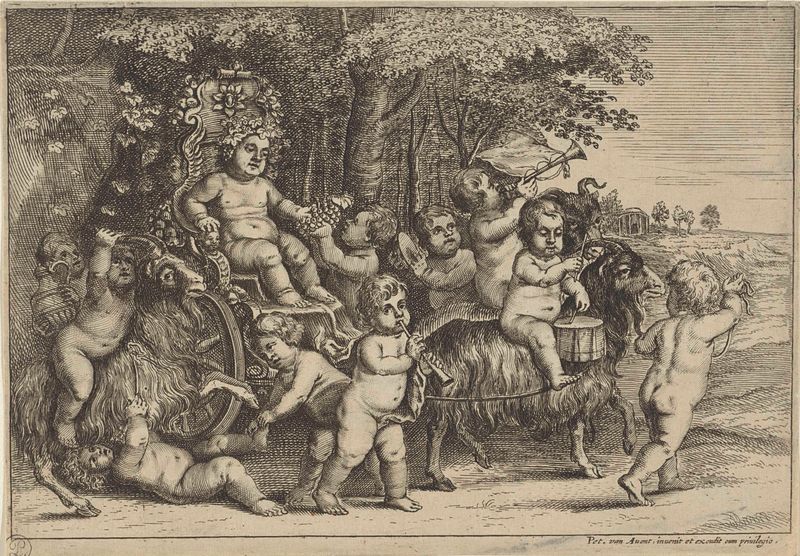
Optocht van bacchant en jongetjes op geiten
Wenceslaus Hollar
Twee libellen en vijf vlinders
Wenceslaus Hollar
Portret van Albrecht Dürer
Wenceslaus Hollar
Ornamenteel ontwerp voor een dolk
Wenceslaus Hollar
Gezicht op Praag vanaf de Moldau
Wenceslaus Hollar