
Voetwassing — History & Facts
In Voetwassing, we encounter a moment steeped in melancholy, as stillness envelops the figures, capturing the quiet absurdity of human existence. Look closely at the central figure, pouring water over the weary feet of a seated man. Notice how the intricate lines and delicate shading lend an air of tenderness to this intimate act. The subdued palette, blending sepia tones and muted greens, invites introspection and sets a somber mood, while the careful attention to detail highlights the textures of skin and fabric, revealing the empathy inherent in the scene. Beyond the surface, the work speaks volumes about vulnerability and the hidden burdens we carry.
The act of foot washing, traditionally a gesture of humility and service, becomes a poignant metaphor for life’s disappointments and the burdens we choose to bear for one another. The figures, cast in soft light against the darkness of their surroundings, embody a profound sense of connection amid an unspoken sadness. Jacques Callot painted Voetwassing between 1619 and 1624, during a period marked by both artistic innovation and personal struggles. Living in Nancy, France, he was influenced by the Mannerist style yet sought to convey deeper emotional truths through his work.
This piece, reflective of his mastery in printmaking and narrative depth, emerges from a time when art was beginning to explore the complexities of human emotion beyond mere representation.
More Artworks by Jacques Callot
Browse all →
Titelprent voor de prentreeks 'De kleine apostelen' (Het martelaarschap van de apostelen)
Jacques Callot
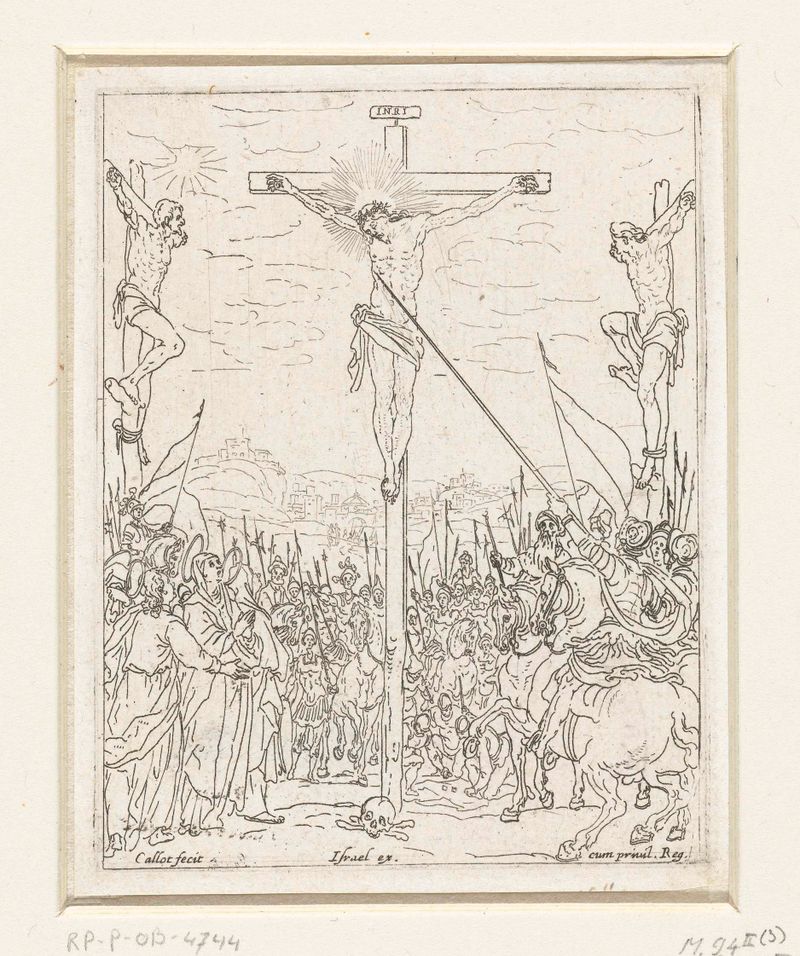
Kruisiging
Jacques Callot

De doortocht door de Rode Zee
Jacques Callot

De verloren zoon als zwijnenhoeder
Jacques Callot

Annunciatie
Jacques Callot
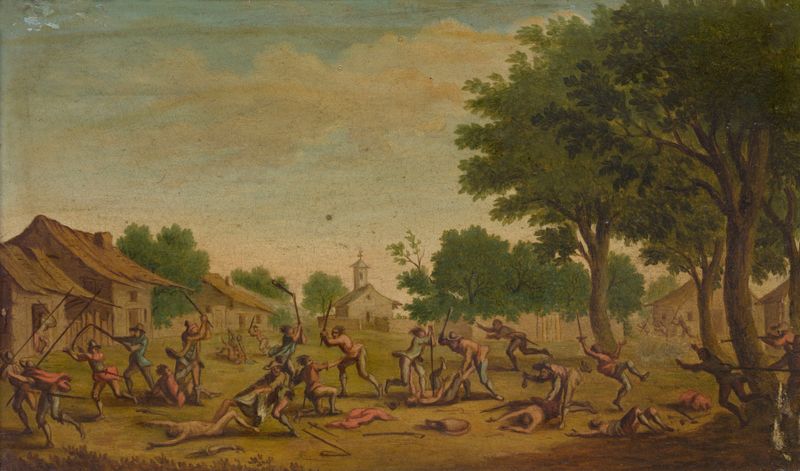
Village Fight
Jacques Callot

Titelprent voor prentreeks 'Het leven van Maria'
Jacques Callot
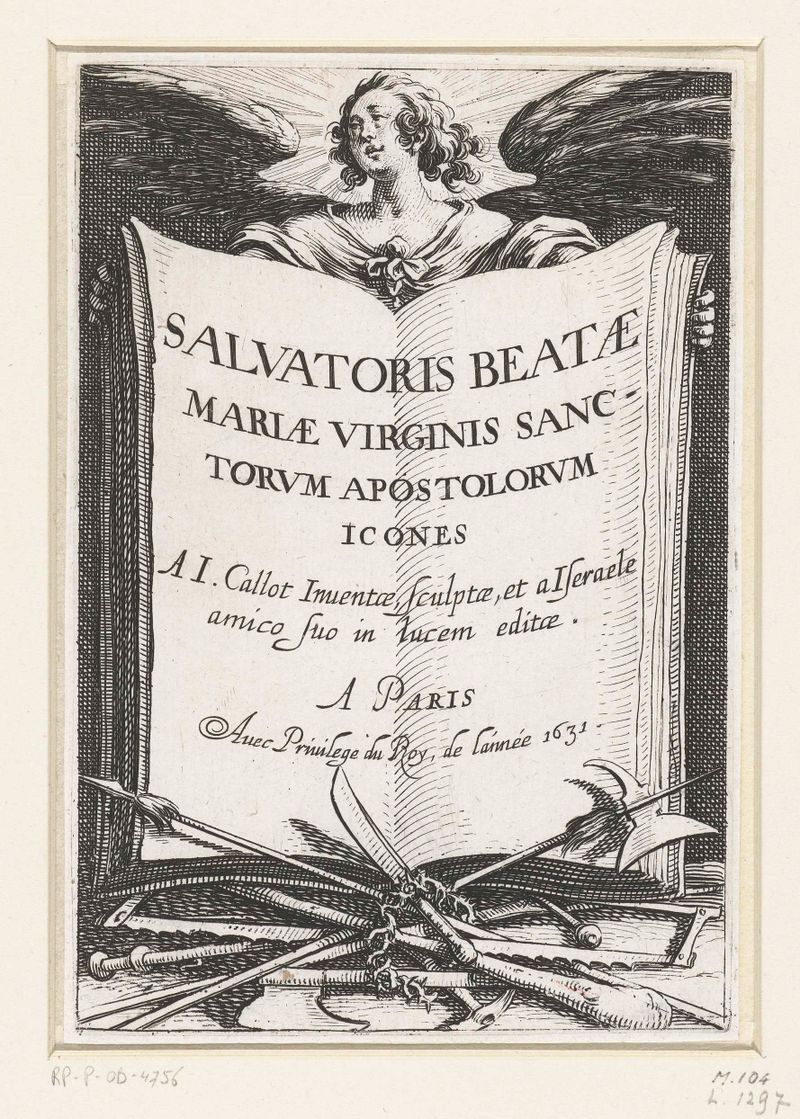
Titelprent voor de prentreeks 'De grote apostelen' (Christus, Maria en de apostelen)
Jacques Callot

Christus aan het volk getoond (Ecce homo)
Jacques Callot
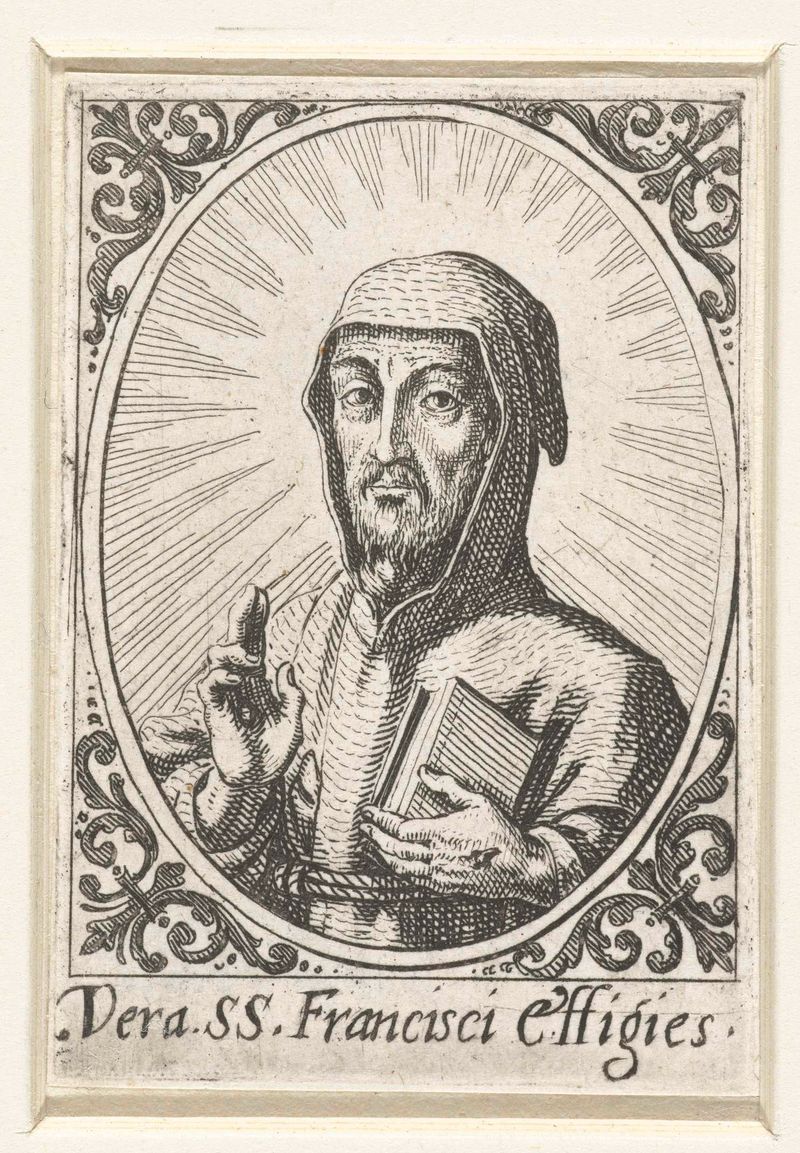
Portret van de Heilige Franciscus
Jacques Callot





