
Watchdogs — History & Facts
The first thing that seizes the viewer in Watchdogs is the sheer presence of the animals themselves: not just painted, but stationed like sentinels at the edge of a farmyard world. The larger dog sits upright, its body tense and alert, while its companion crouches low, eyes wary and half-hidden in shadow. The light falls directly on the upright dog’s white coat, making it almost luminous against the gloom of the shed behind, while the rest of the yard recedes into a haze of dusky browns and muted greens.
A gnawed bone lies close to the foreground, a silent testament to territory and survival, while the distant farmhouses and scattering of livestock hint at the daily rhythms these dogs are charged to guard. Painted in 1829, this work belongs to a period when French artists like Alexandre-Gabriel Decamps turned their attention to the everyday, finding drama in the ordinary lives of animals and rural people. The early nineteenth century saw a growing appetite for scenes of rustic life among urban collectors, and animal paintings became a favored genre for their blend of realism and allegory. Little is recorded about the specific history of this painting, now housed in The Mesdag Collection, but its raw immediacy and unvarnished detail speak to a moment when artists sought to capture the world as it was, not as it should be.
The longer you look, the more the dogs’ wary vigilance pulls you into their world, inviting you to imagine what—just out of sight—might threaten the peace of this farmyard.
More Artworks by Alexandre-Gabriel Decamps

Still Life with Herring, Bread, and Cheese
Alexandre-Gabriel Decamps
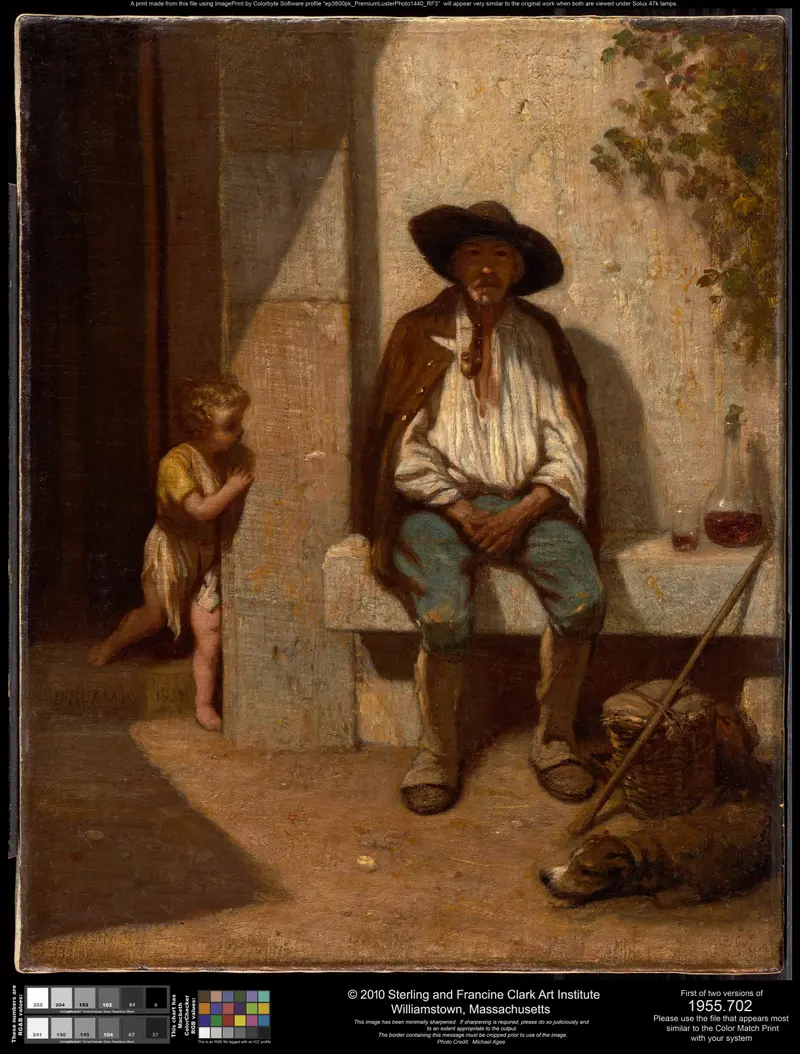
Italian Peasant
Alexandre-Gabriel Decamps
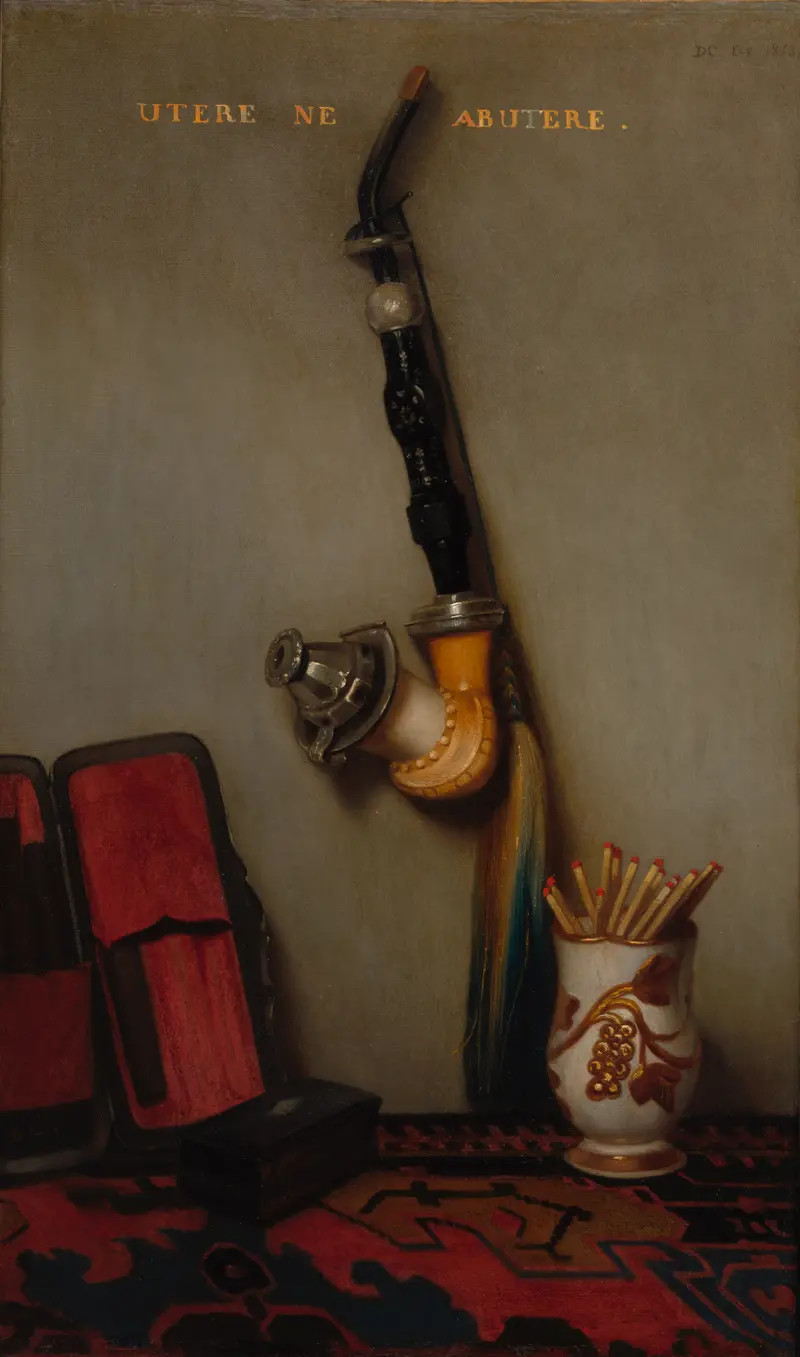
Still Life with Pipe and Matches
Alexandre-Gabriel Decamps
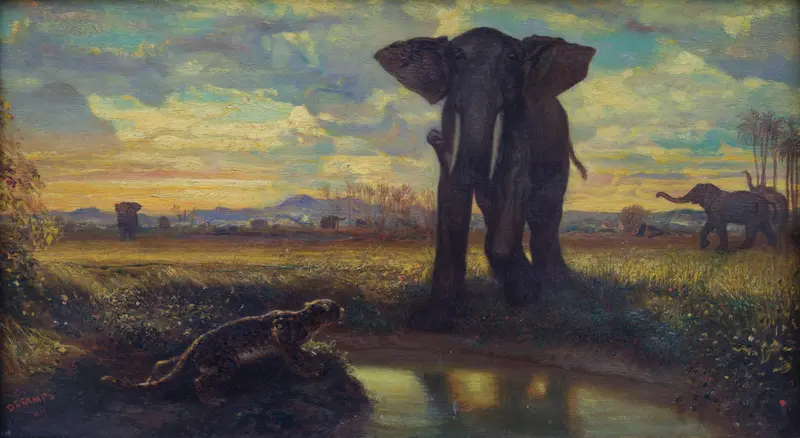
Tigre et éléphant à la source Musée du Louvre Peintures RF
Alexandre-Gabriel Decamps
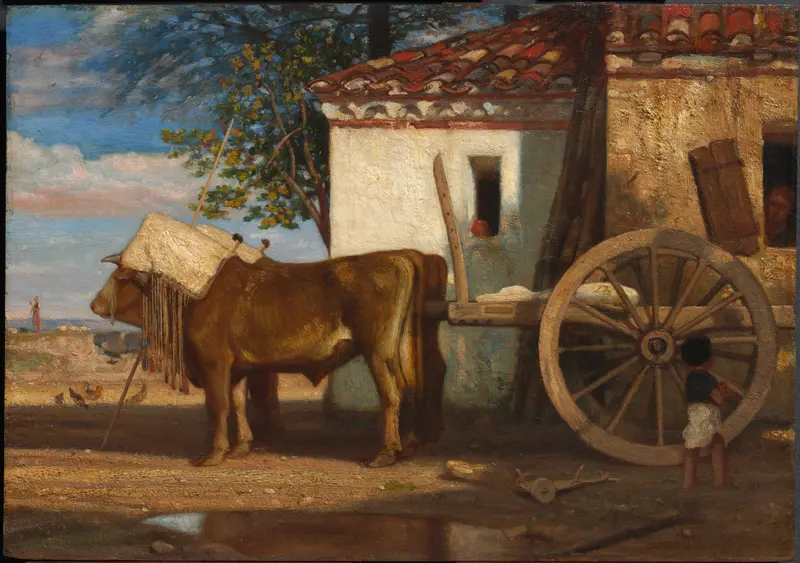
Oxen before a Farmhouse at Le Verrier
Alexandre-Gabriel Decamps
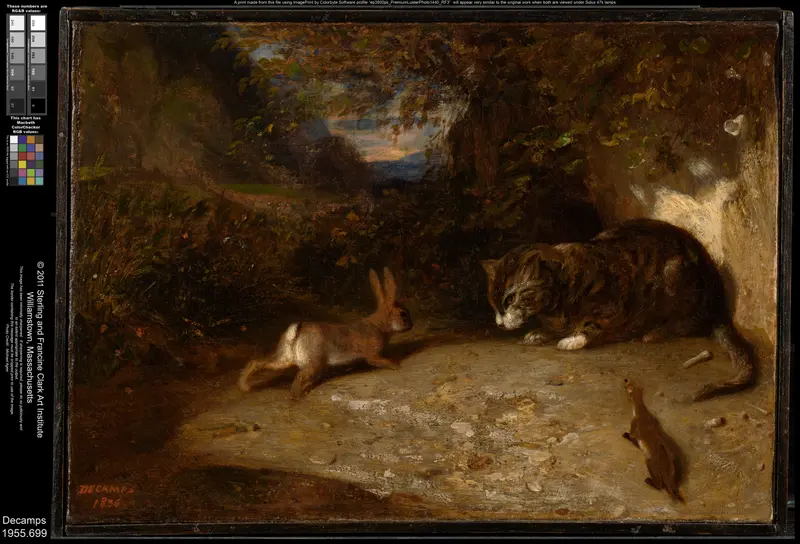
Cat, Weasel, and Rabbit
Alexandre-Gabriel Decamps
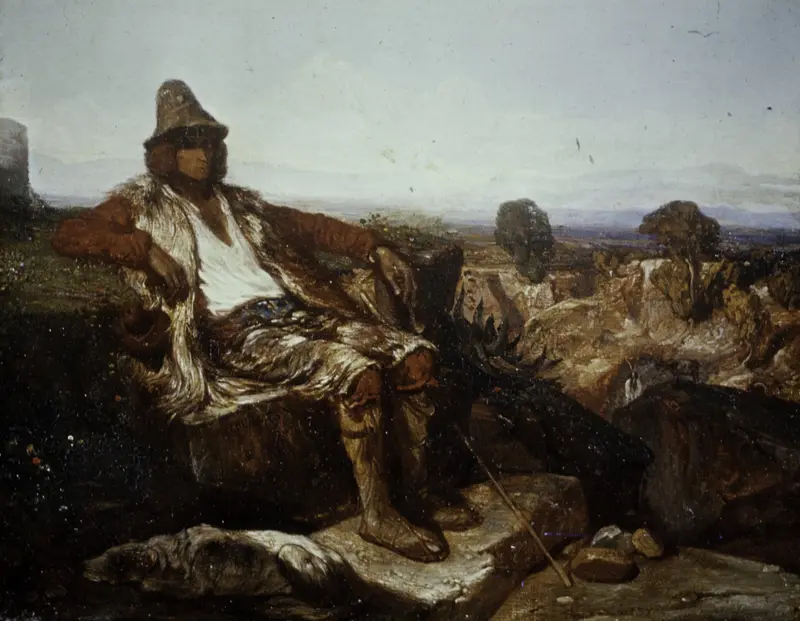
Goatherd of the Abruzzi
Alexandre-Gabriel Decamps
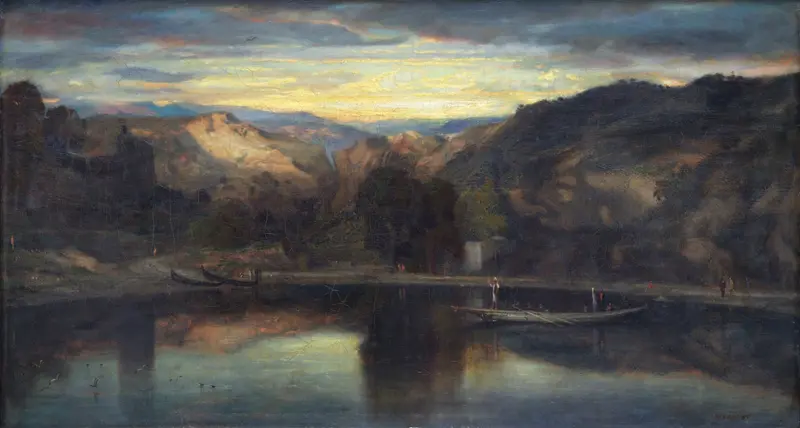
Jésus sur le lac de Génésareth Musée du Louvre Peintures RF
Alexandre-Gabriel Decamps

Espagnols jouant aux cartes Musée du Louvre Peintures RF
Alexandre-Gabriel Decamps
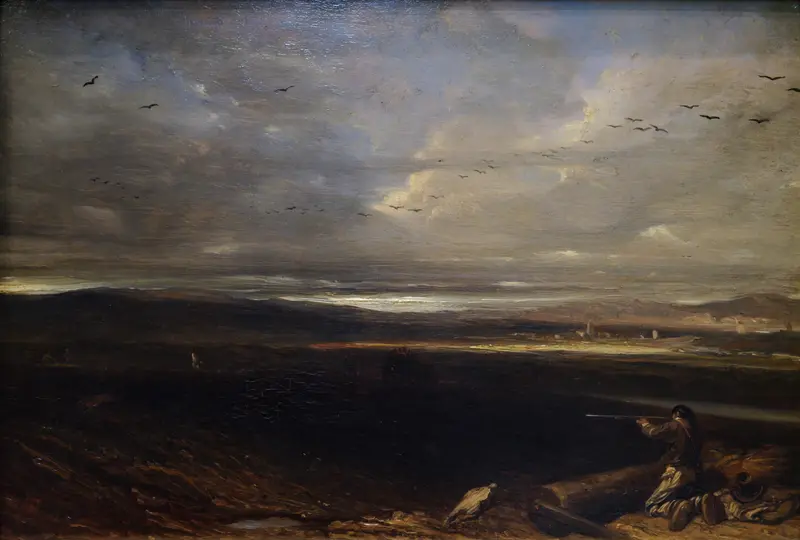
La battue en plaine Musée du Louvre Peintures RF
Alexandre-Gabriel Decamps





