West Point — History & Analysis
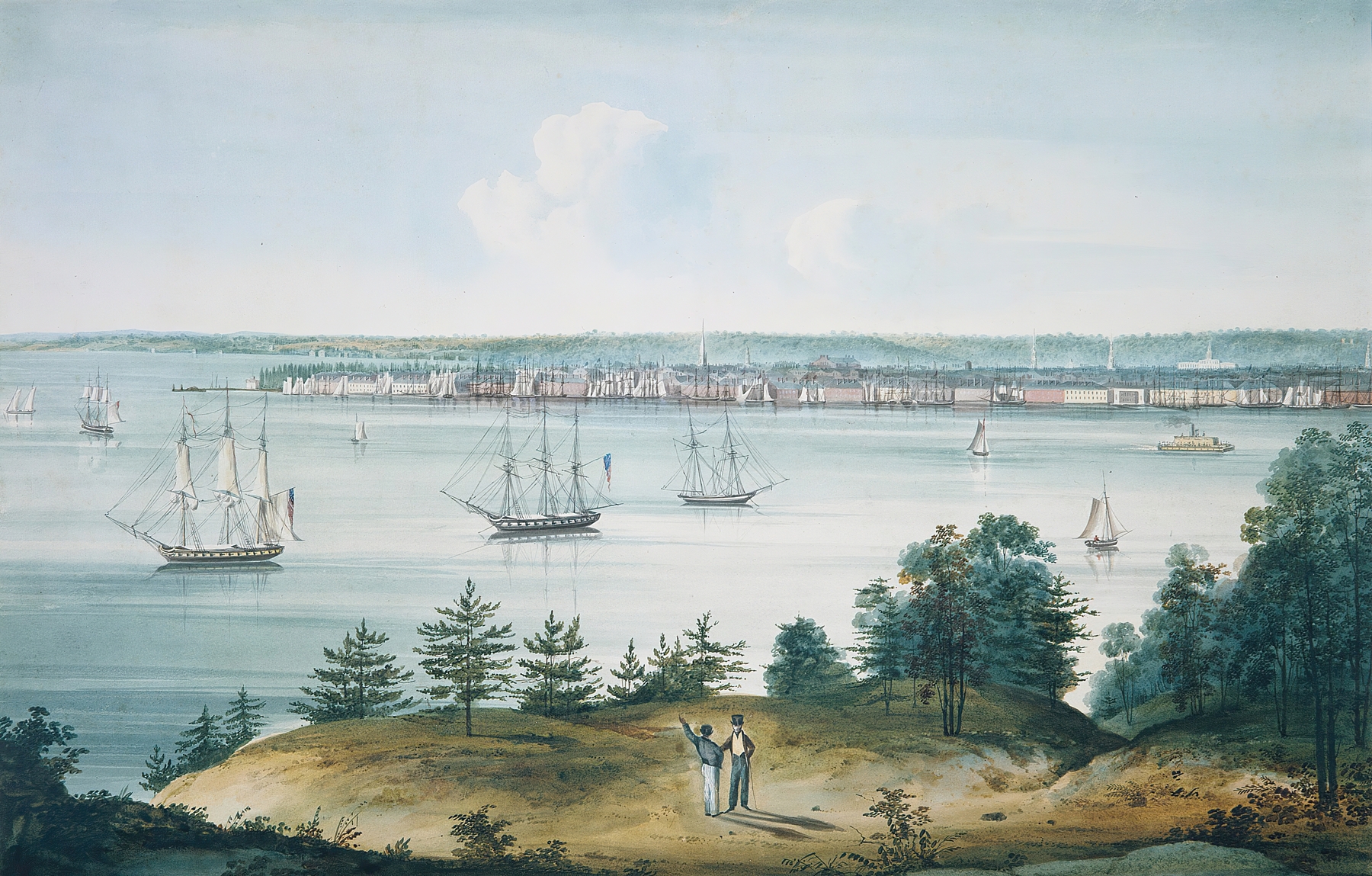
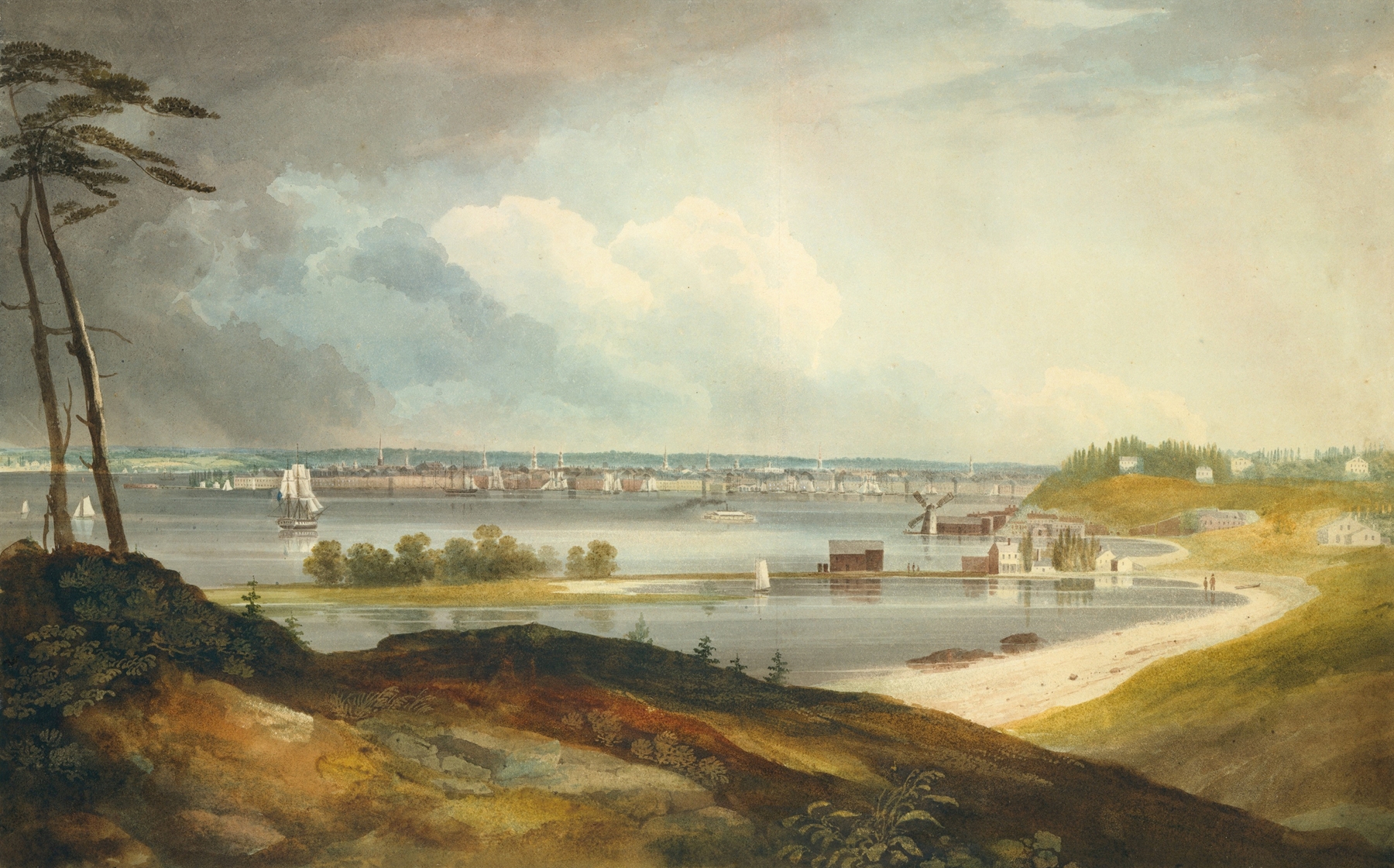
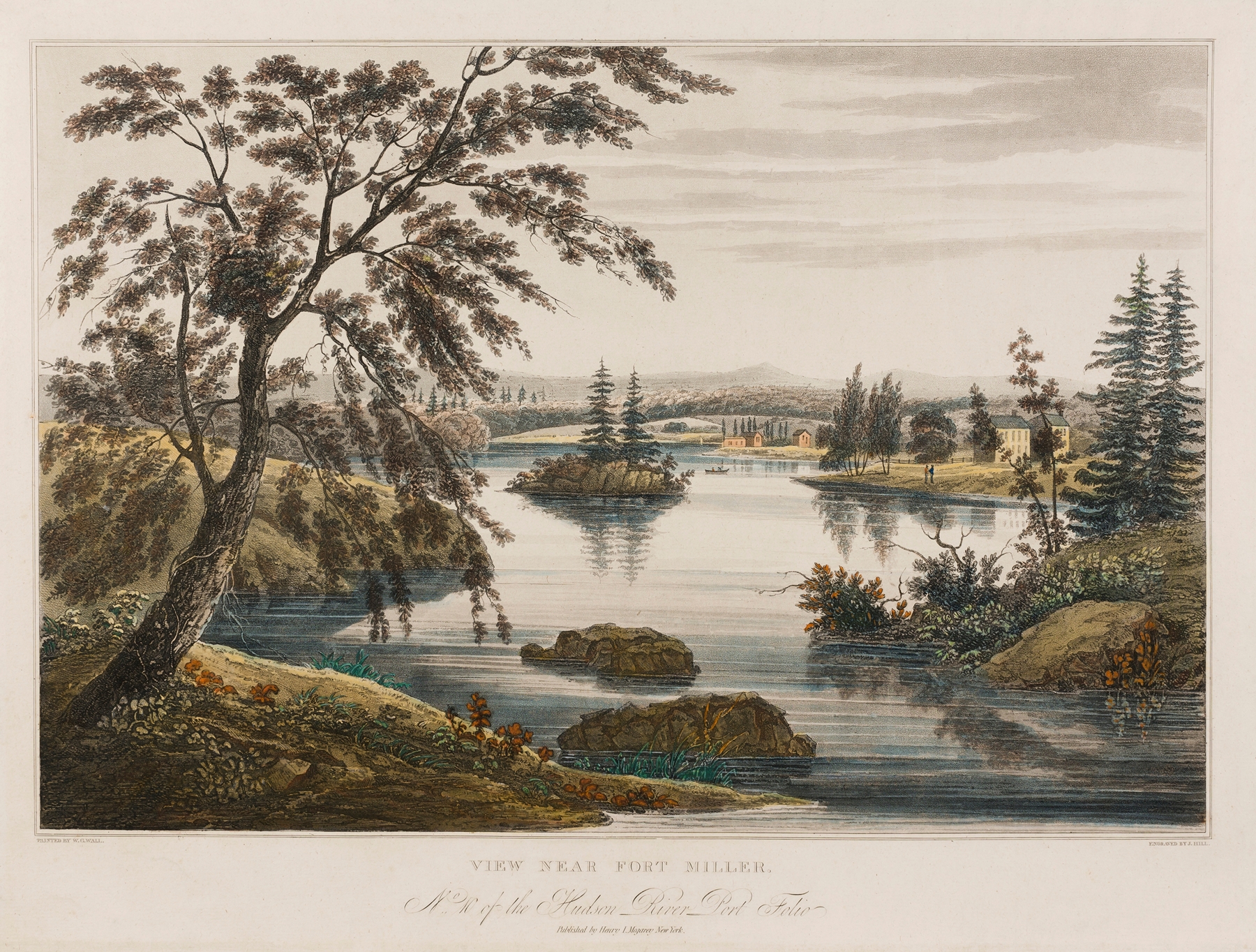
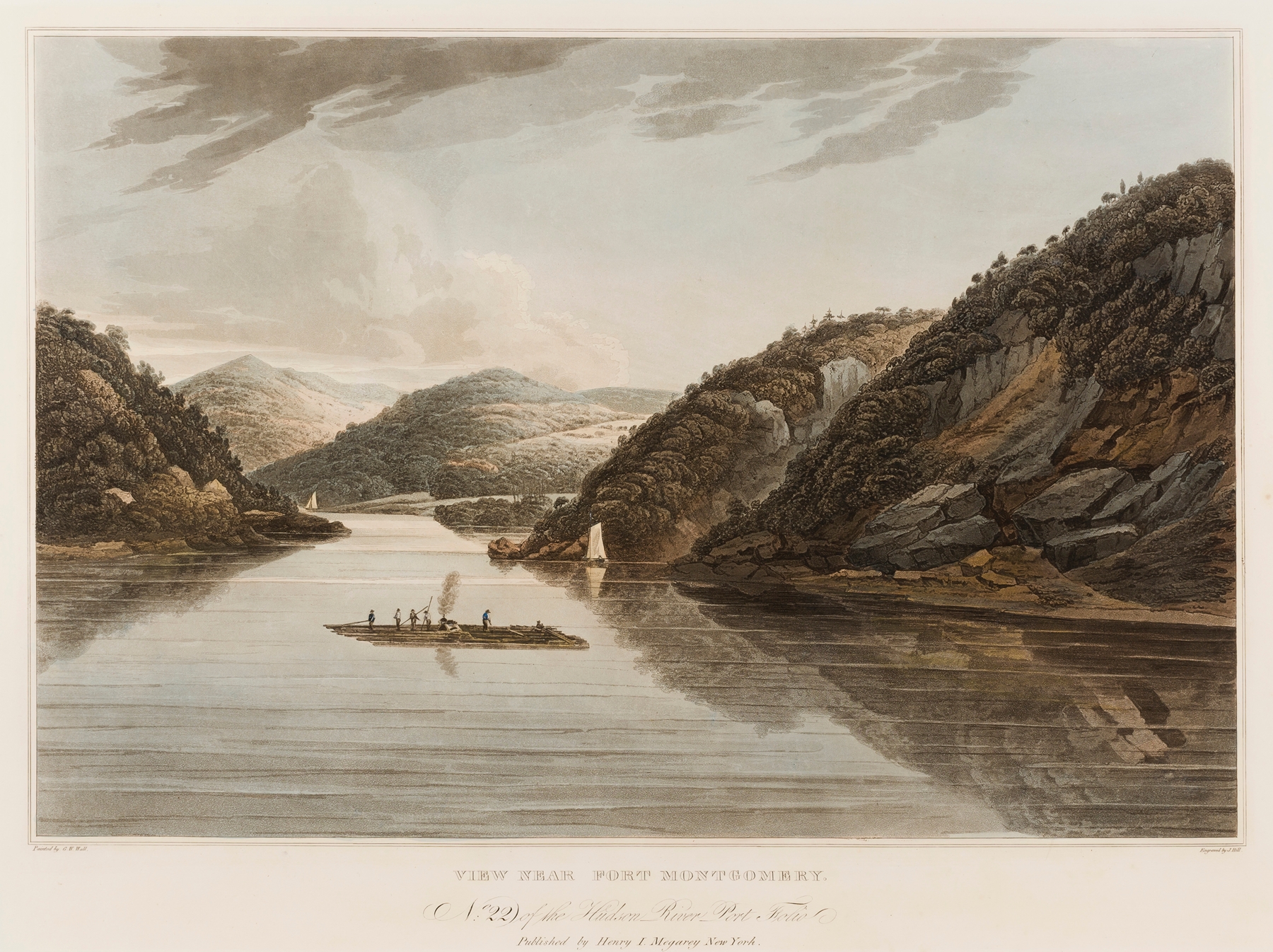
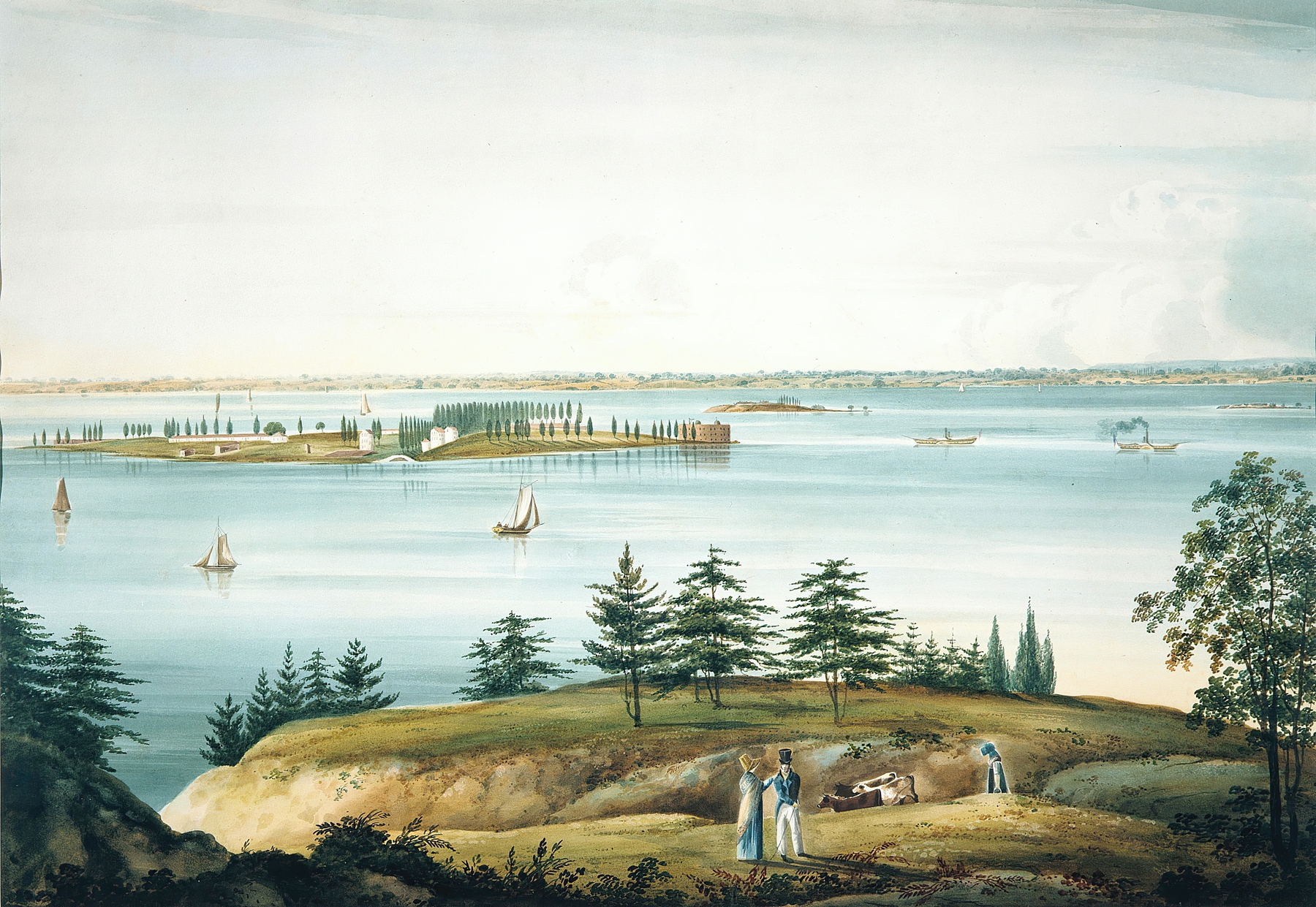
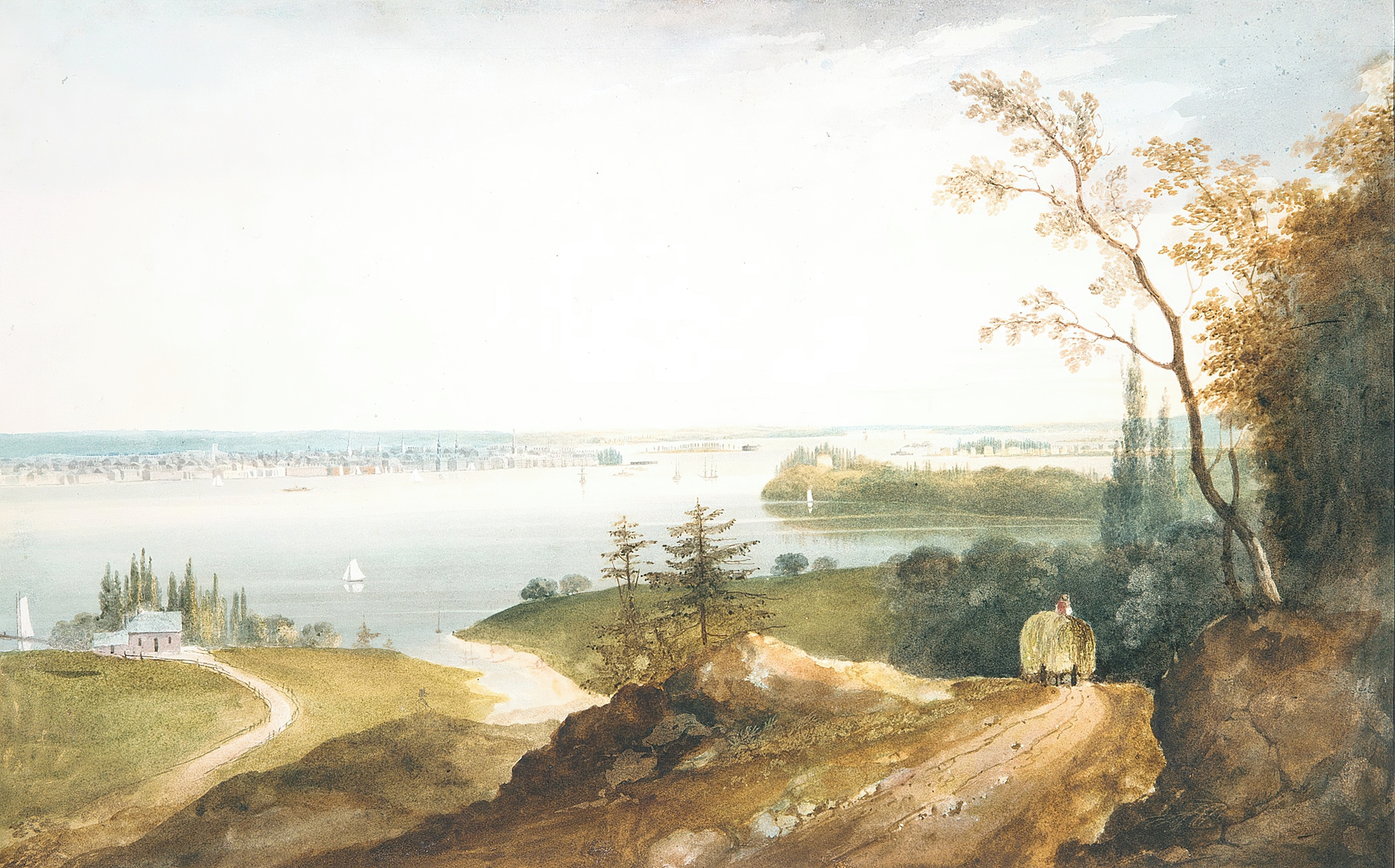
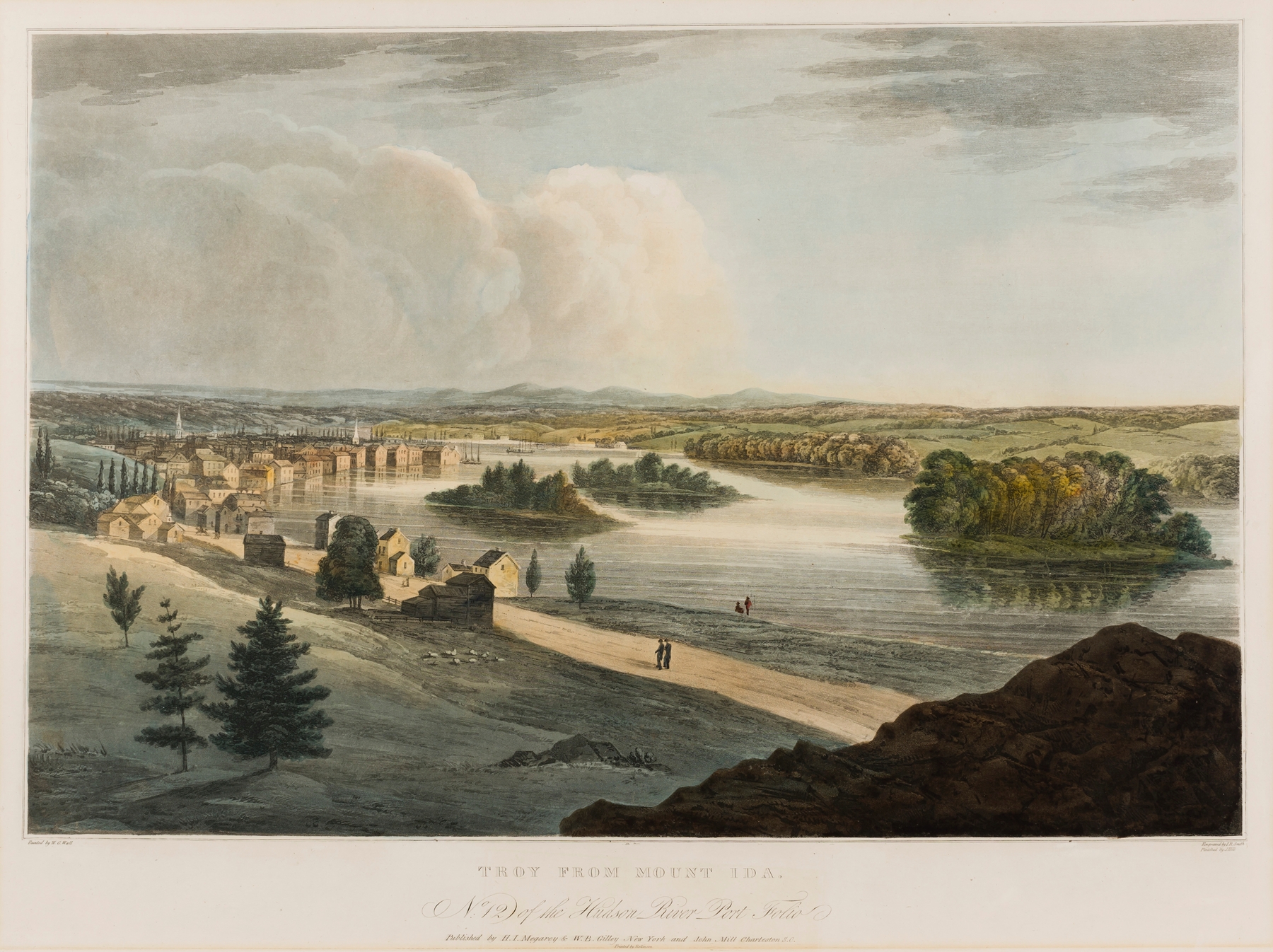
“Art reveals the soul when the world turns away.” In the quiet embrace of a canvas, dreams unfurl like petals, revealing a world beyond the mundane. Look to the left at the gentle curve of the river, where the water reflects the soft hues of twilight, mirroring the delicate brushstrokes that encapsulate serenity. The foreground is alive with lush greenery, a textured carpet of leaves and grass that invites exploration. Notice how the distant peaks rise majestically, their muted tones of blue and gray suggesting both solitude and grandeur.
The horizon stretches wide, leading the eye and heart toward the promise of distant lands, while the clouds drift lazily overhead, infused with the last whispers of daylight. Embedded within this landscape are the dualities of ambition and tranquility. The scene captures a moment that balances the weight of human aspiration—evident in the distant fortifications of West Point—with the ephemeral beauty of nature. Each element holds significance; the river, a symbol of life’s passage, encourages reflection and an understanding of the harmony between man-made structures and the natural world.
This interplay of light and shadow reveals a timeless narrative, a reminder of the dreams that breathe life into the canvas. In 1825, the artist found inspiration in the raw beauty of the American landscape while living in New York. This period marked a growing interest in the sublime aspects of nature among artists, blending romanticism with the budding American identity. West Point exemplifies this merging of ideals, depicting not just a location, but a vision of hope that resonates through the ages.