
Winter — History & Facts
What if silence could speak through light? In Winter, Tadeusz Makowski captures a hushed moment where innocence and tranquility dance beneath a snowy veil, evoking a world untouched by time. Look to the center of the canvas, where a solitary figure, cloaked in white, stands against a backdrop of tranquil blues and soft whites. The muted palette envelops the scene, emphasizing the purity of the winter landscape. Notice the delicate brushstrokes that create the impression of falling snowflakes, almost as if they are frozen whispers.
The figure’s posture, slightly bent as if surrendering to the weight of the cold, draws the viewer into a contemplative space where every detail feels intentional. The contrast between the lively white snow and the deep, still blues suggests a tension between innocence and the bittersweet nature of solitude. The stillness of the scene speaks to a childlike wonder, yet there’s a haunting quality in the way the figure gazes into the distance, hinting at deeper layers of longing and introspection. This duality provokes questions about the nature of joy and melancholy, showing how beauty and sorrow often coexist in life. In 1918, as Europe emerged from the devastation of World War I, Makowski painted Winter during a time of reflection and renewal.
Settling in Paris as a Polish émigré, he was influenced by the avant-garde movements surrounding him. The war’s impact on society deeply colored his work, and through this piece, he explored themes of innocence against the backdrop of a world yearning for peace and healing.
More Artworks by Tadeusz Makowski
Browse all →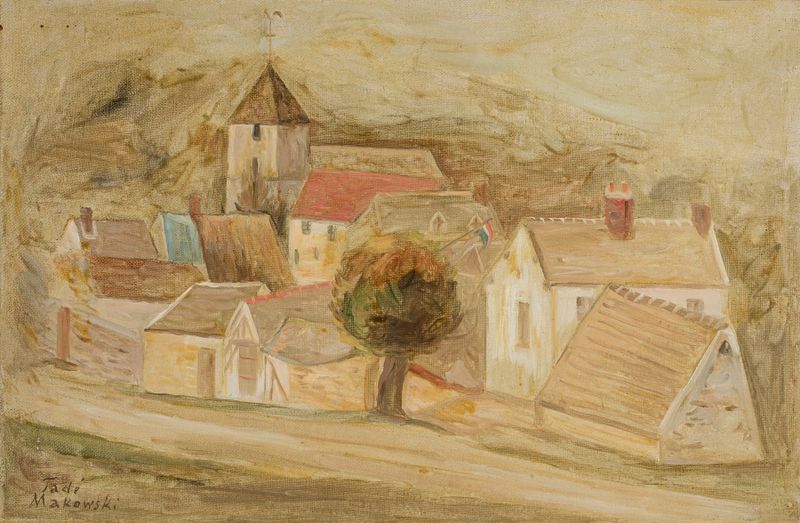
Miasteczko
Tadeusz Makowski

Pejzaż wiosenny
Tadeusz Makowski
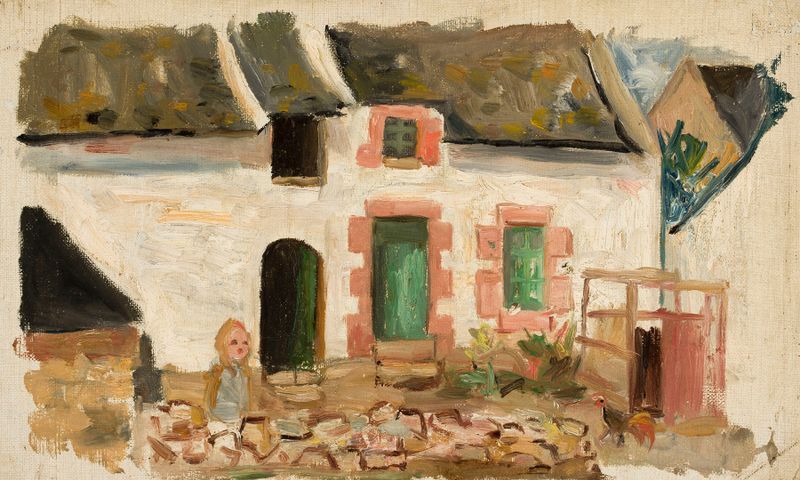
Dziecko przed domem
Tadeusz Makowski
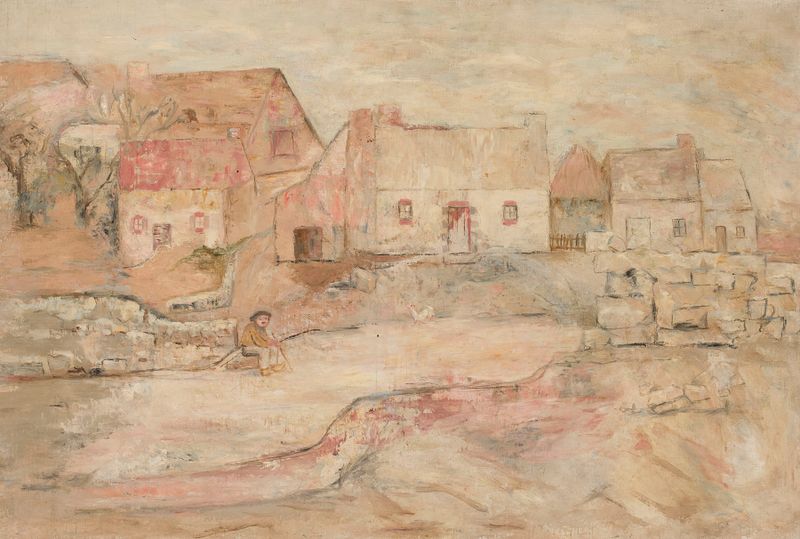
Pejzaż bretoński z siedzącym człowiekiem
Tadeusz Makowski
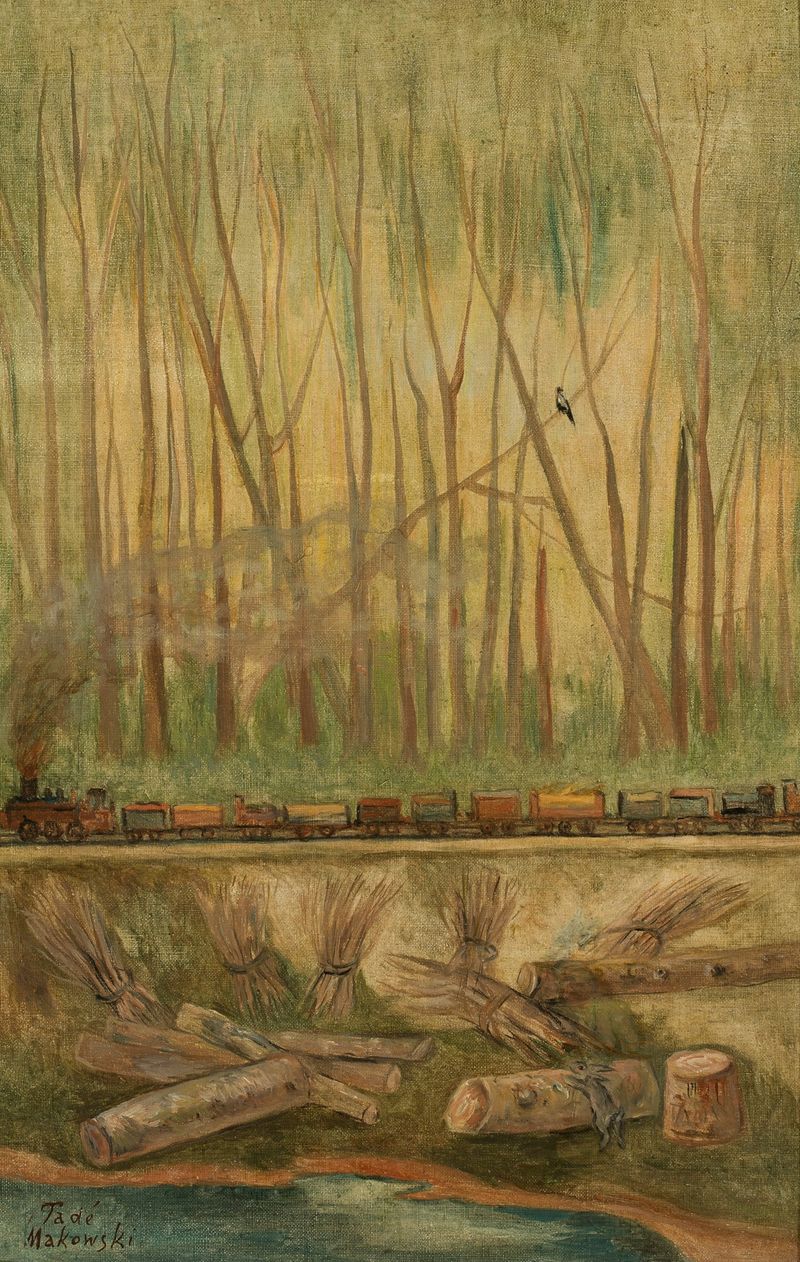
Pociąg
Tadeusz Makowski
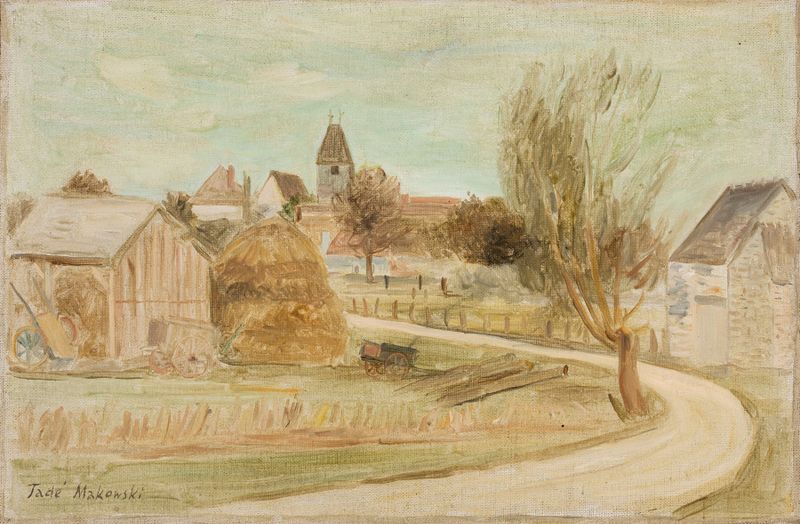
Na skraju wsi
Tadeusz Makowski

Pejzaż miejski (Esplanade des Invalides)
Tadeusz Makowski
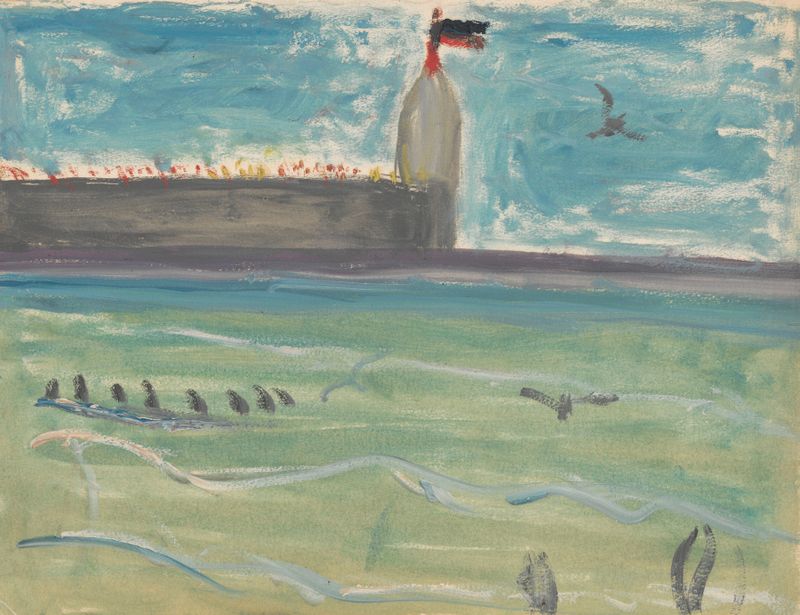
Latarnia morska w Tréport
Tadeusz Makowski
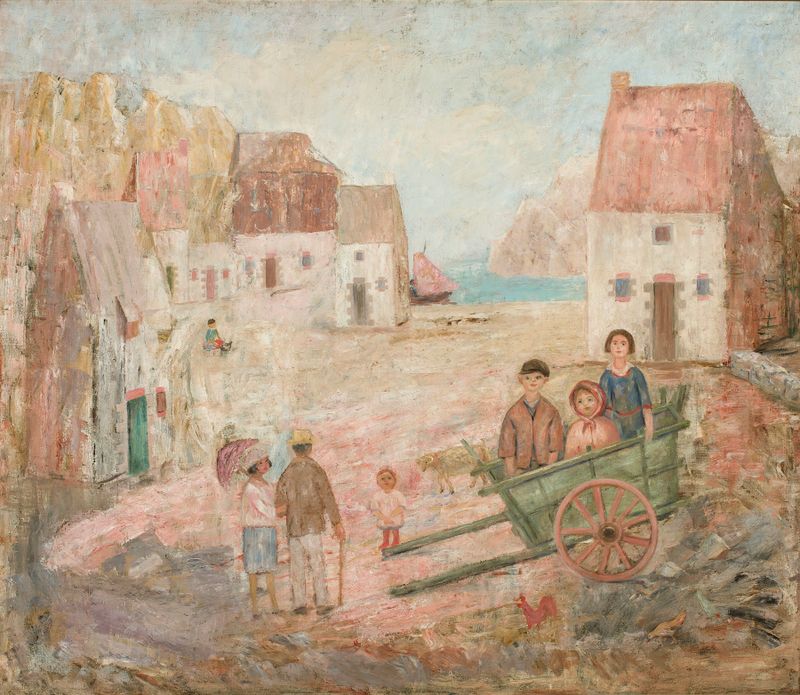
Landscape of a small town with children in a pram
Tadeusz Makowski
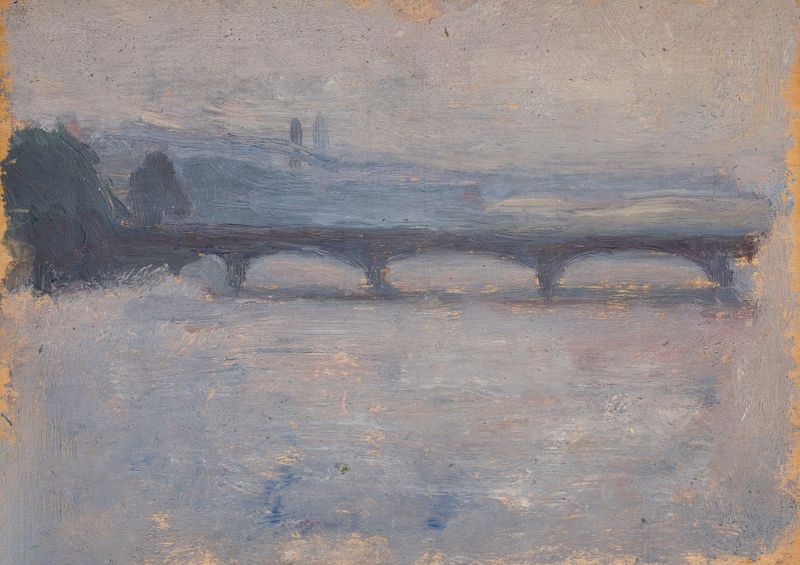
Bridge on the Seine
Tadeusz Makowski





