
Woman spinning — History & Facts
Where does light end, and longing begin? In the act of creation, a legacy is spun from the delicate threads of existence, each strand whispering the stories of those who came before. Focus on the luminous glow cascading down from the window, illuminating the woman at her wheel. The soft golden hue bathes her left hand, guiding the fibers with a tender grace, while her profile is framed by a gentle shadow that hints at both solitude and concentration. Notice how the rich, earthy tones of the spinning fibers contrast with the gentle white of her linen attire, symbolizing purity amidst the complexities of daily labor.
The intimate composition invites you into her world, where each twist of yarn becomes a narrative of perseverance. The juxtaposition of light and shadow not only highlights her craft but also implies a deeper emotional resonance — the tension between duty and aspiration. The woman's contemplative expression suggests an internal struggle, perhaps between the demands of her role and her unspoken dreams. Furthermore, the simplicity of the scene belies an intricate web of connections, where the act of spinning transcends mere labor, evolving into a metaphor for the intricate tapestry of life and legacy itself. During the years 1653 to 1657, Gerbrand van den Eeckhout was amidst the flourishing of Dutch Golden Age painting, deeply engaged in the exploration of genre scenes that depicted everyday life.
At this time, the artist was in Amsterdam, refining his skills under the influence of prominent masters. His focus on intimate, domestic moments like this one reveals his commitment to portraying the human experience with sincerity and depth, capturing both the mundane and the profound in harmonious balance.
More Artworks by Gerbrand van den Eeckhout
Browse all →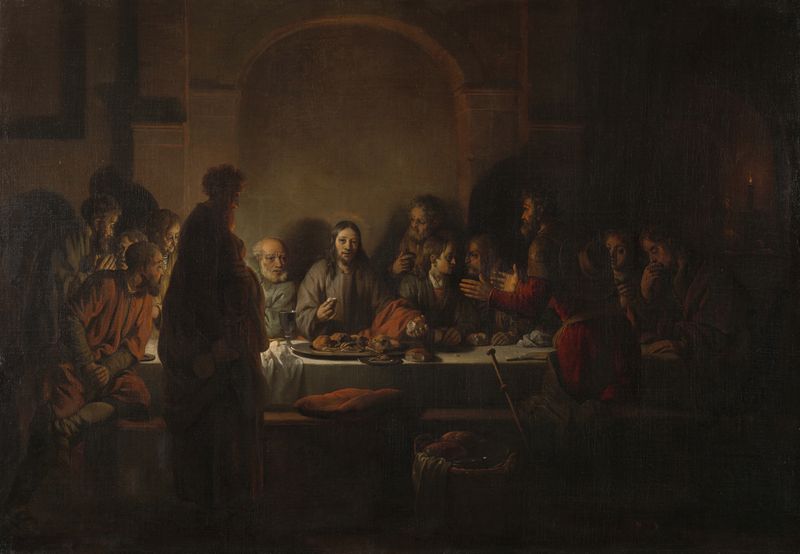
The Last Supper
Gerbrand van den Eeckhout
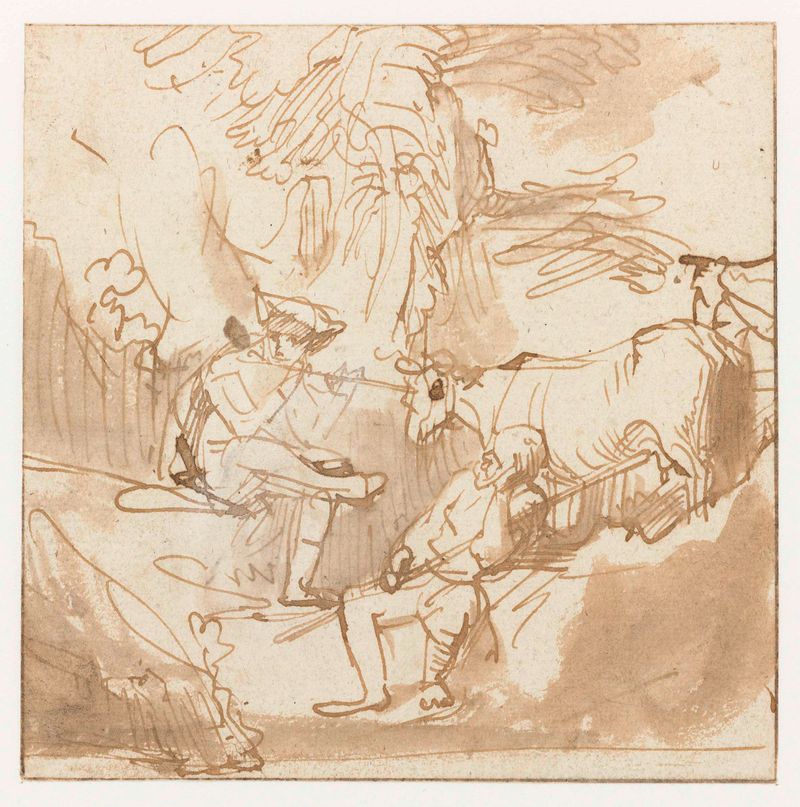
Mercury, Argus and Io
Gerbrand van den Eeckhout
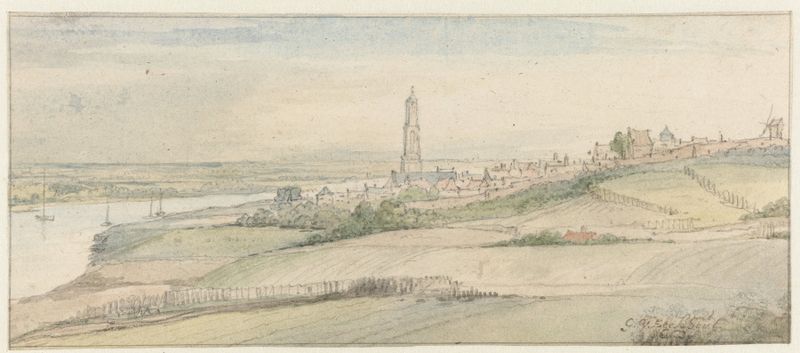
View of Rhenen and the Rhine from the East
Gerbrand van den Eeckhout
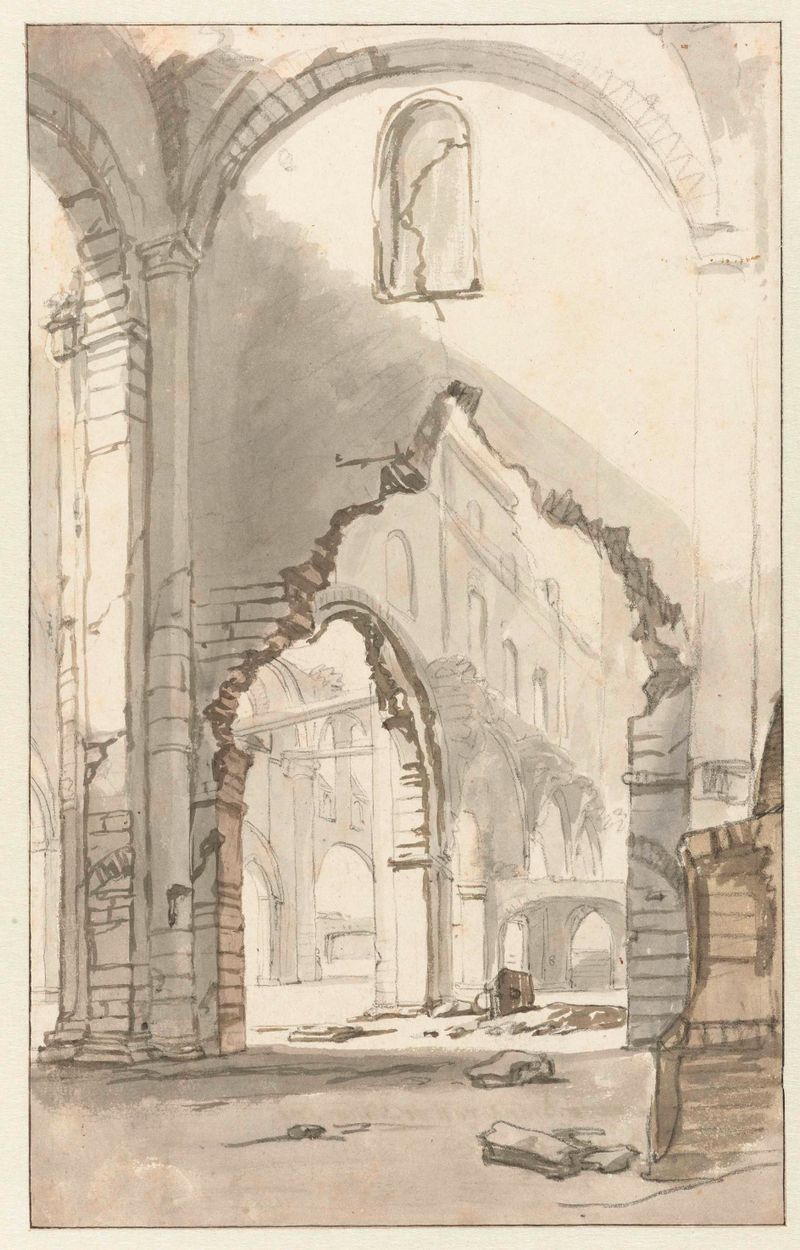
Interior of a Delapidated Church
Gerbrand van den Eeckhout
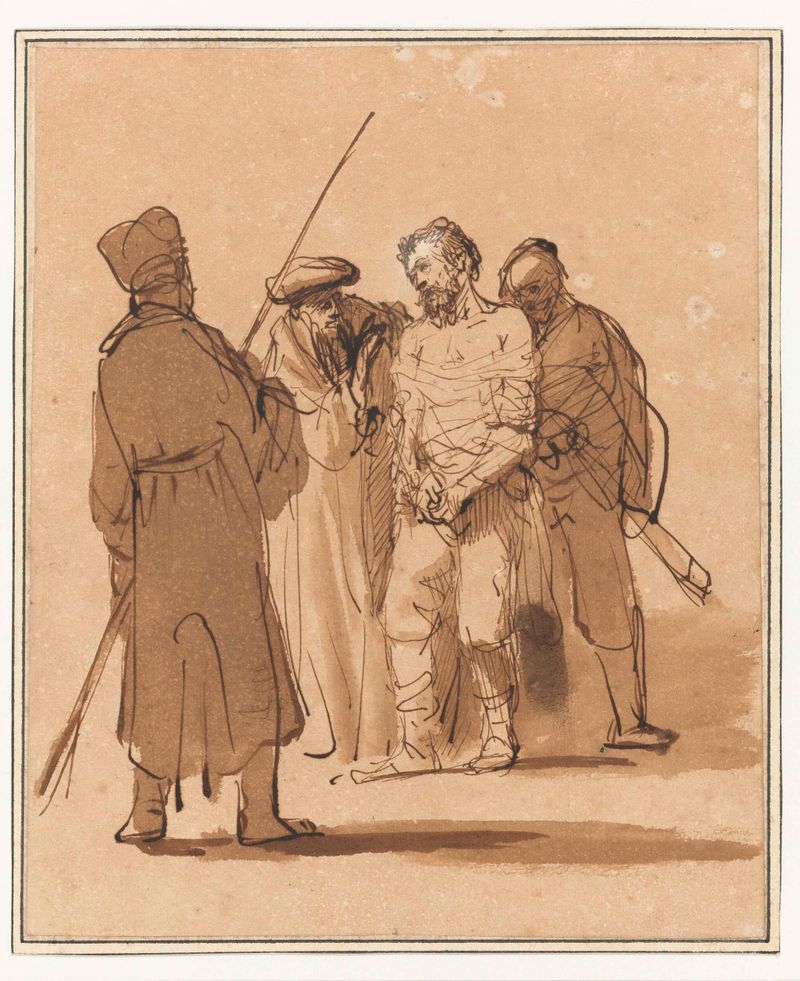
Christ Bound between Two Soldiers and a High Priest
Gerbrand van den Eeckhout
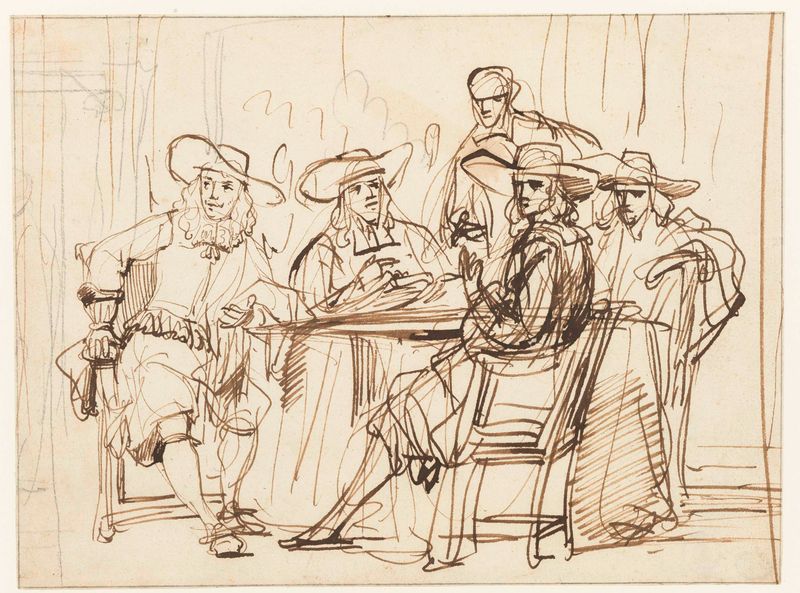
Officers of the Coopers’ and Wine-Rackers’ Guild
Gerbrand van den Eeckhout
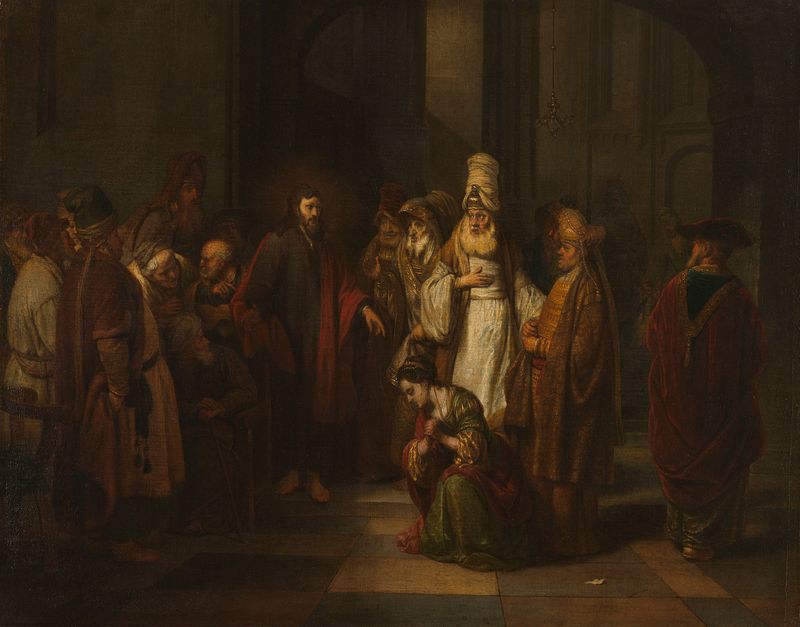
Christ and the Woman in Adultery
Gerbrand van den Eeckhout
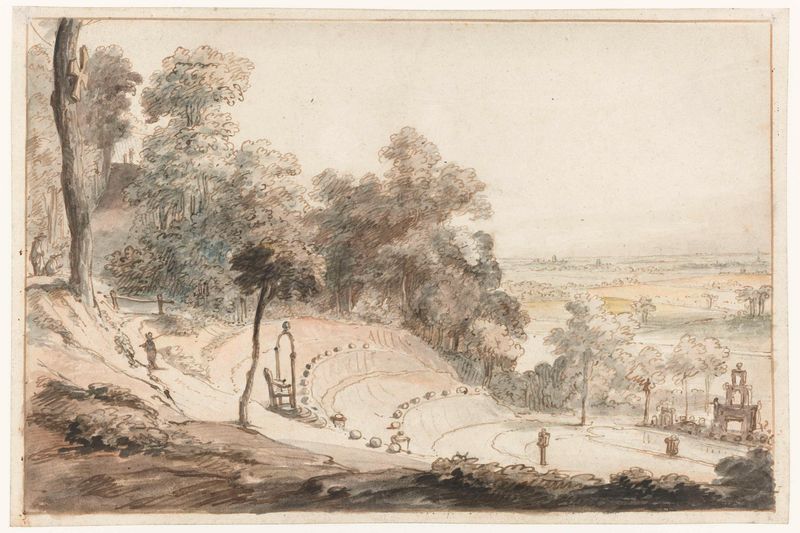
The Amphitheatre on the Springenberg in Cleves
Gerbrand van den Eeckhout
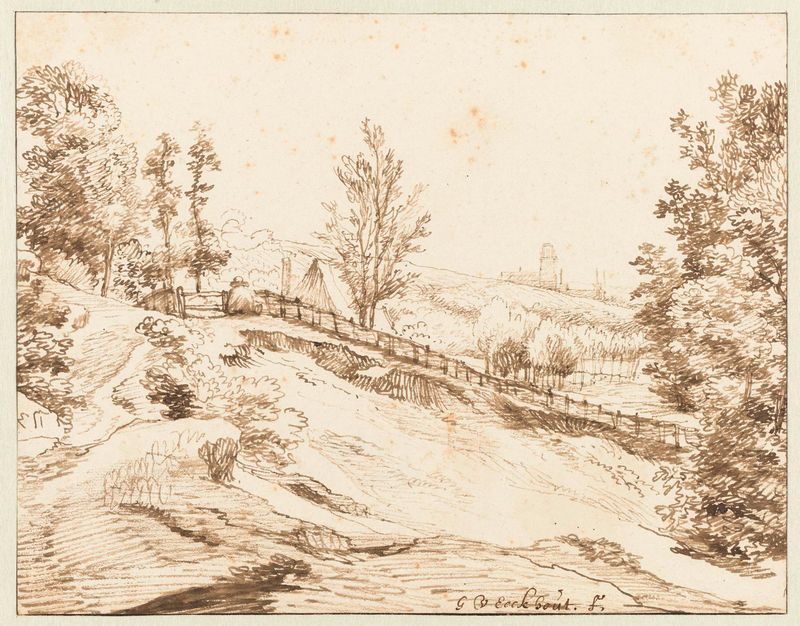
Undulating Landscape with Arnhem in the Distance
Gerbrand van den Eeckhout
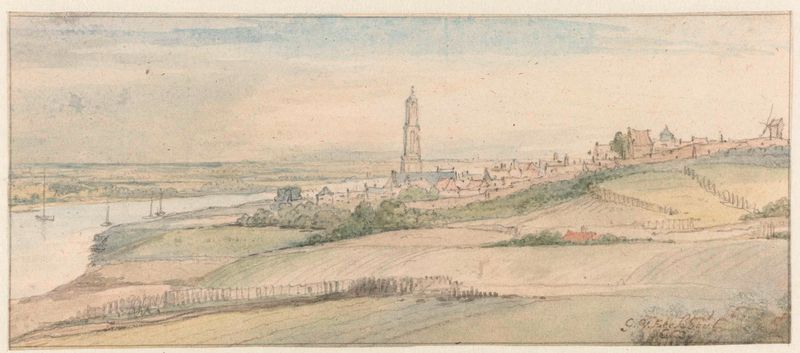
View of Rhenen and the Rhine from the East
Gerbrand van den Eeckhout





