
Women Admiring a Child — History & Facts
When Women Admiring a Child was first shown in 1897, it marked one of the last times Mary Cassatt would exhibit a major new work in Paris before her eyesight began to fail. Cassatt, an American in the heart of the French art world, had become renowned for her sensitive depictions of women and children, yet by the late 1890s she was increasingly isolated by health issues and shifting artistic fashions. This painting stands as a testament to her enduring fascination with the intimate rituals of domestic life, even as her own artistic career was entering its twilight.
The work’s provenance remains somewhat unclear, as it was not included in the major exhibitions that defined her earlier years with the Impressionist group. Cassatt chooses a quiet, almost theatrical moment: two women, perhaps a mother and a friend or relative, lean in to admire a child nestled on a lap. The women’s faces are attentive, their postures gentle, drawing the viewer into a circle of admiration and affection. The child, the focal point, is rendered with soft, rounded forms, while the women’s clothing—likely rendered in Cassatt’s favored pastels or oils—contrasts with the delicate skin tones.
The composition is intimate and cropped, a technique Cassatt admired in Japanese prints and often employed to heighten immediacy. Unlike the more formal maternal portraits of Berthe Morisot or the bustling domestic scenes of Pierre-Auguste Renoir, Cassatt’s approach here is quiet and psychological, focusing on the silent exchange of gazes and gestures. The subsequent history of Women Admiring a Child is less well documented than some of Cassatt’s other works. While many of her paintings entered American collections through the efforts of collectors such as Louisine Havemeyer, this particular piece appears to have passed through private hands before entering the public domain.
Its current location in an online gallery reflects the broader reevaluation of Mary Cassatt’s legacy in the 21st century, as scholars and audiences alike rediscover her contributions to the Impressionist movement and her nuanced explorations of women’s lives. Today, the painting stands as a late-career example of Cassatt’s enduring commitment to capturing the complexities of female relationships and the quiet drama of everyday moments.
More Artworks by Mary Cassatt

The Child's Bath
Mary Cassatt
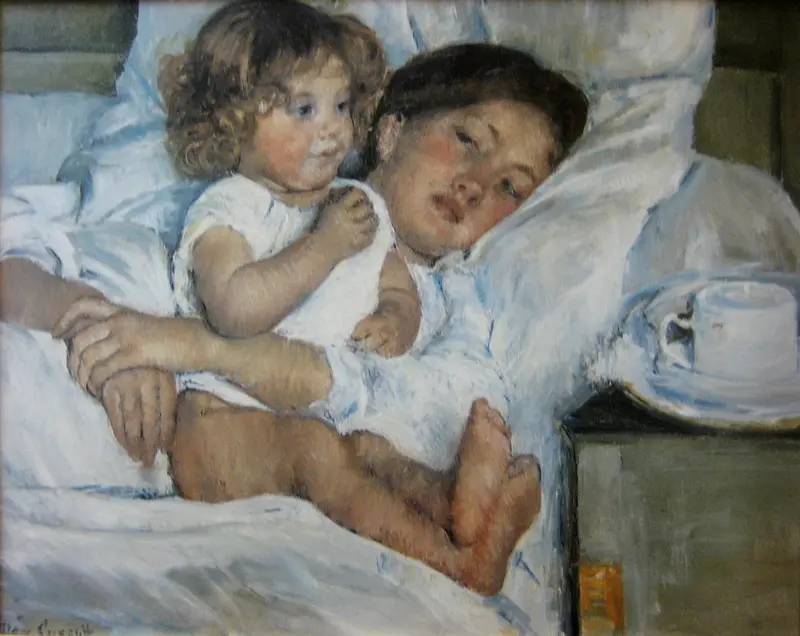
Breakfast in Bed
Mary Cassatt

Mother and Child (Baby Getting Up from His Nap)
Mary Cassatt
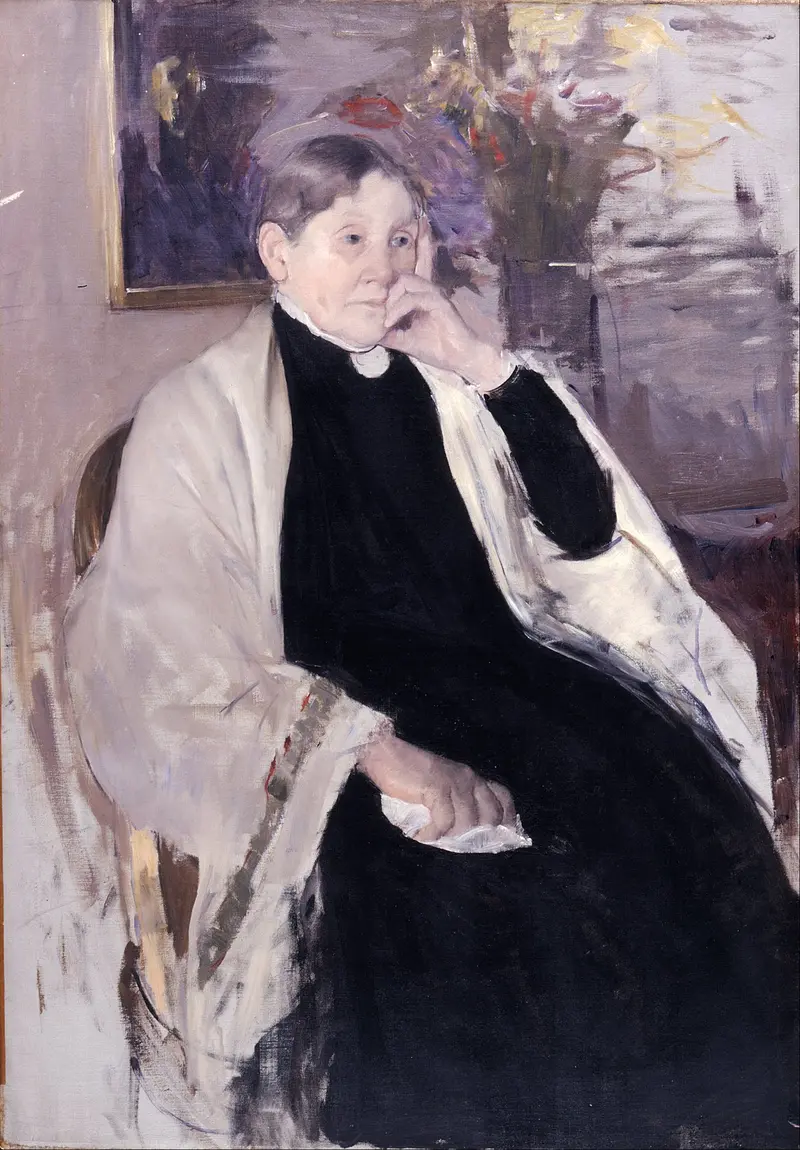
Mrs. Robert S. Cassatt, the Artist's Mother
Mary Cassatt
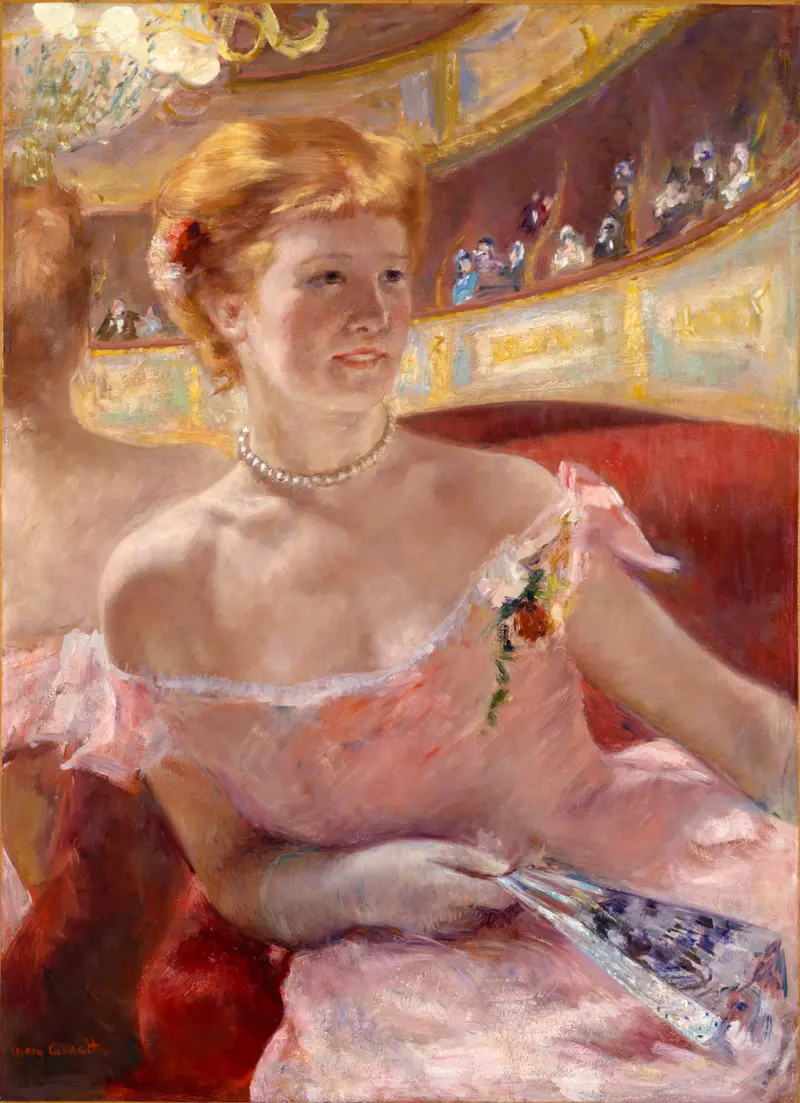
Woman with a Pearl Necklace in a Loge
Mary Cassatt
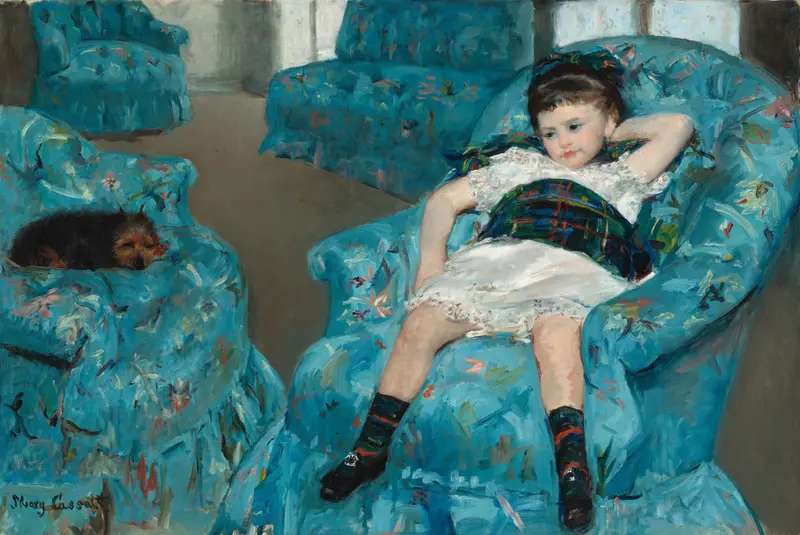
Little Girl in a Blue Armchair
Mary Cassatt
Mother and Child (The Oval Mirror)
Mary Cassatt
Mother and Child
Mary Cassatt
In The Loge
Mary Cassatt
On a Balcony
Mary Cassatt
More Genre Scene Art

Banquet of the Officers of the St George Civic Guard
Frans Hals

Rembrandt and Saskia in the Scene of the Prodigal Son
Rembrandt van Rijn

Bal du moulin de la Galette
Pierre-Auguste Renoir

Quadrille at the Moulin Rouge
Henri de Toulouse-Lautrec

A Burial at Ornans
Gustave Courbet

When Will You Marry?
Paul Gauguin