
Young Man in a Fur Cap — History & Facts
No one knows for certain who the young man in Young Man in a Fur Cap is, nor even if he truly existed outside the studio of Carel Fabritius—a mystery that has intrigued viewers and scholars since the painting surfaced in the 19th century. Some have speculated that the work is a self-portrait, while others suggest it is a tronie, a study of character rather than a likeness of a specific person. The year 1654, inscribed on the canvas, is especially poignant: it is the year of the tragic Delft gunpowder explosion that claimed the artist’s life at just 32.
This painting may be among the last he completed. A young man gazes out, his face half-lit, framed by a dark, velvety cap trimmed with fur. The sitter’s direct look is both steady and enigmatic, his lips set in a faint, knowing smile. Fabritius’s brushwork is loose and lively, capturing the sheen of the fur and the softness of the skin with remarkable immediacy.
The light falls from the left, carving the figure from the shadowy background and lending a sense of intimacy and presence. Unlike the theatrical costumes and elaborate backgrounds favored by Rembrandt, Fabritius’s mentor, here the focus is entirely on the subject’s expression and character, stripped of all narrative props. The painting’s origins remain obscure: no early records mention it, and its medium is still debated, though it is likely oil on panel or canvas. It was only attributed to Carel Fabritius in the 20th century, after careful comparison with authenticated works like The Goldfinch.
Today, Young Man in a Fur Cap is recognized as a rare surviving example of Fabritius’s small oeuvre, a glimpse into the innovative portraiture emerging in Delft just before his untimely death. The painting now hangs in the care of a major museum, a testament to both the promise and the loss of one of the Dutch Golden Age’s most original voices.
More Artworks by Carel Fabritius

The Goldfinch
Carel Fabritius
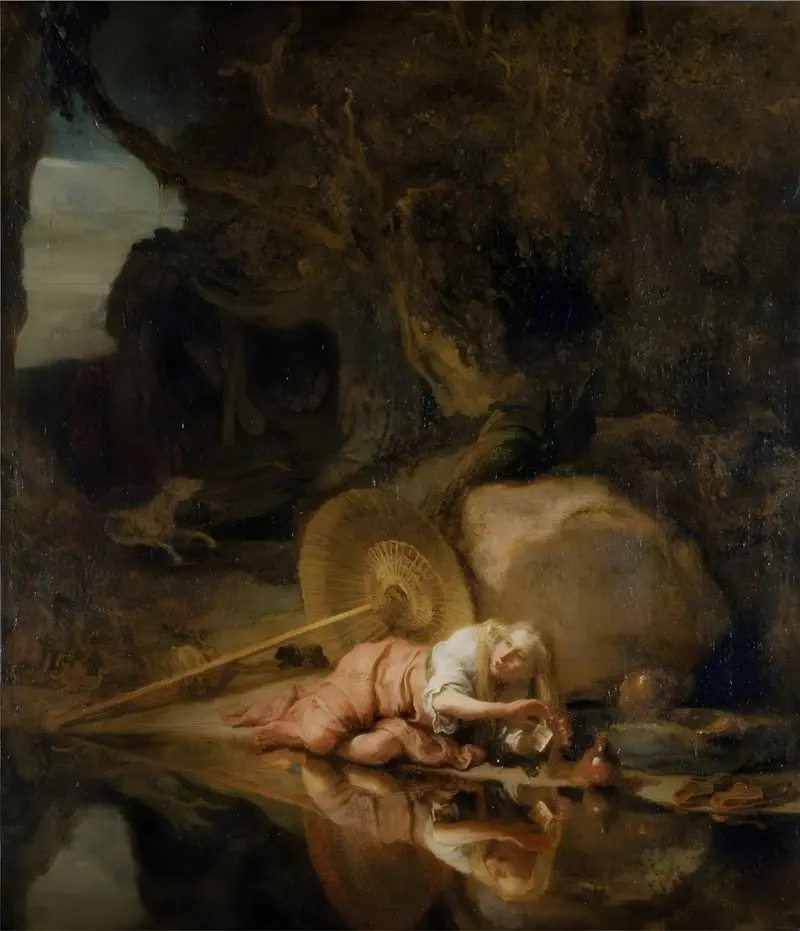
Hera hiding during the battle between the gods and the giants
Carel Fabritius
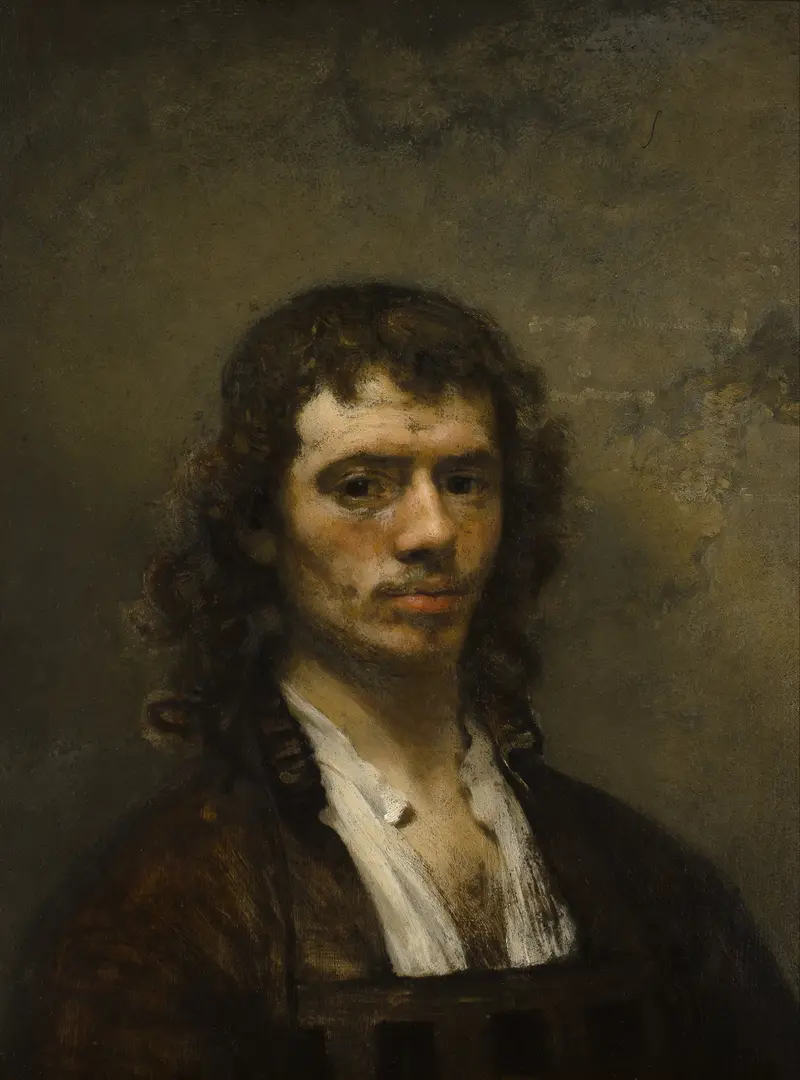
Self-portrait
Carel Fabritius
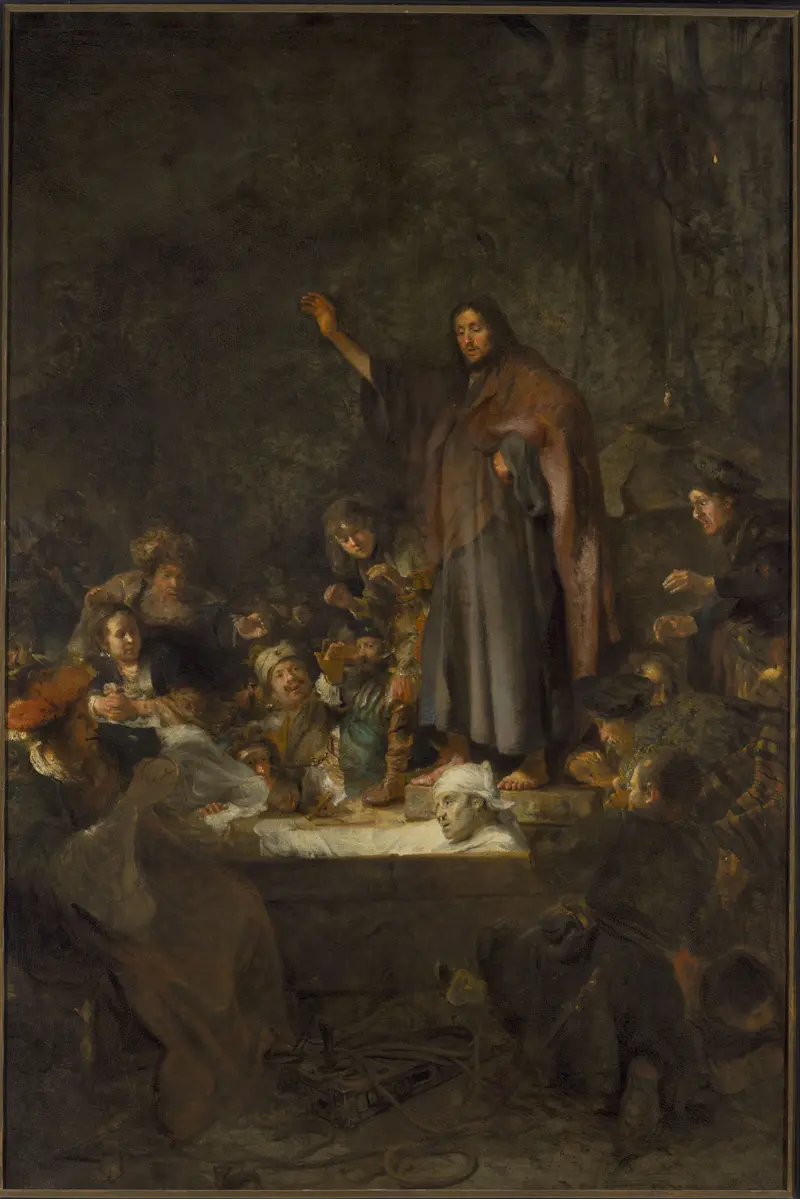
The Raising of Lazarus
Carel Fabritius
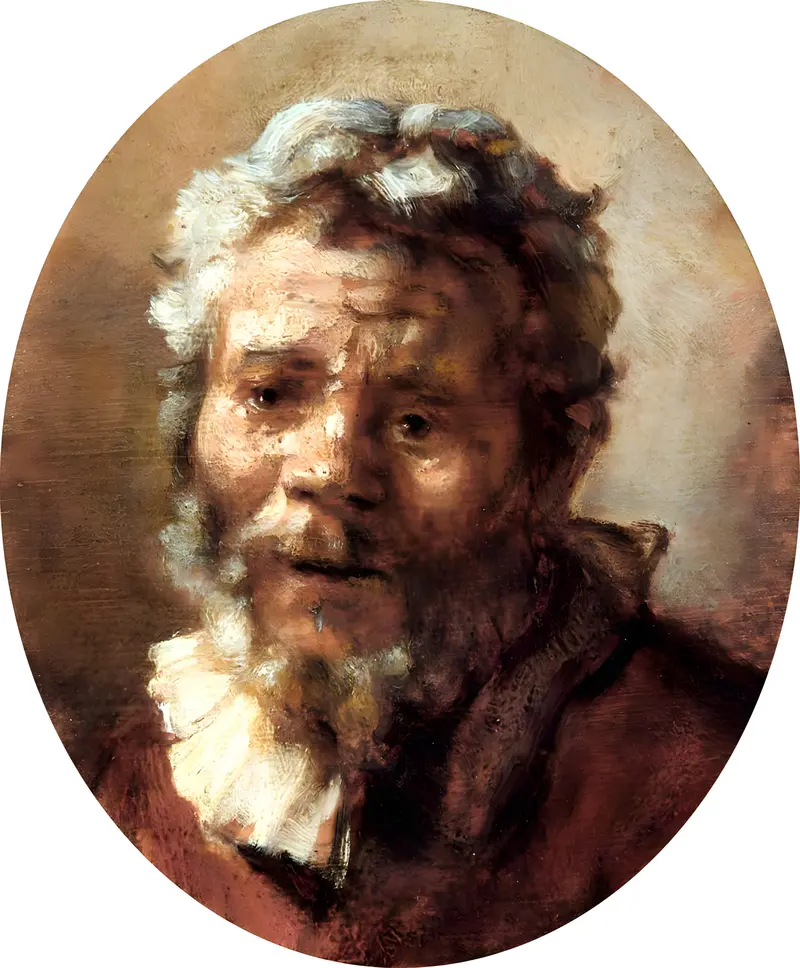
Portrait of a Bearded Man
Carel Fabritius
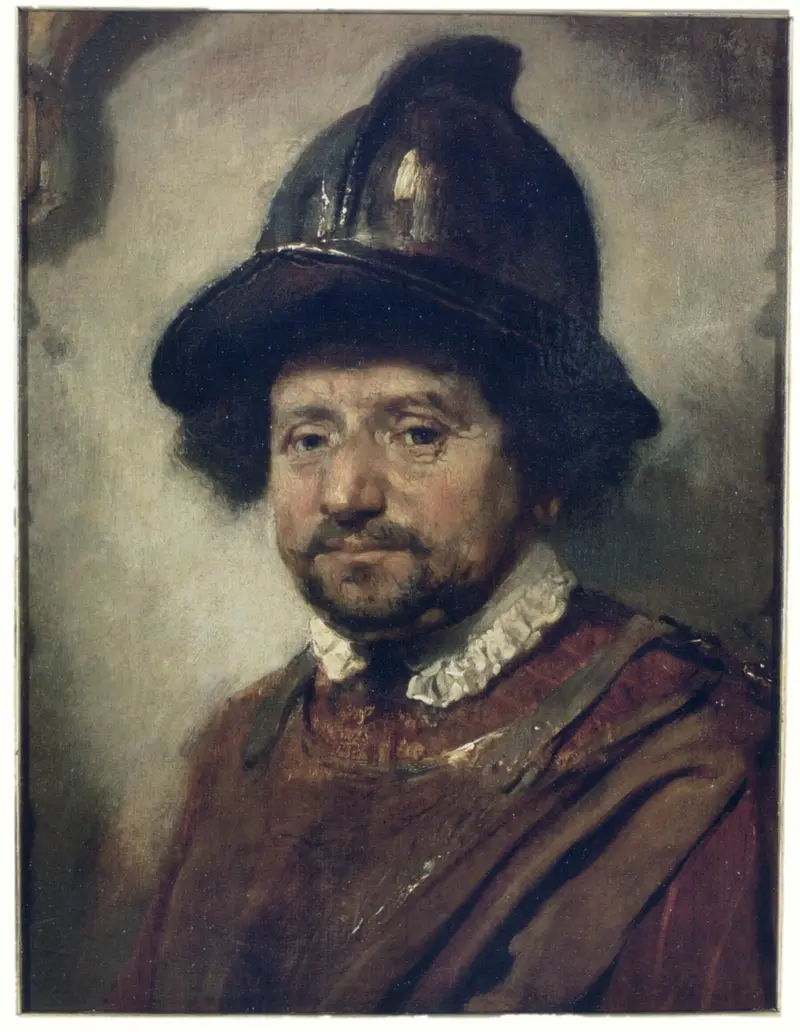
Man with a Helmet
Carel Fabritius
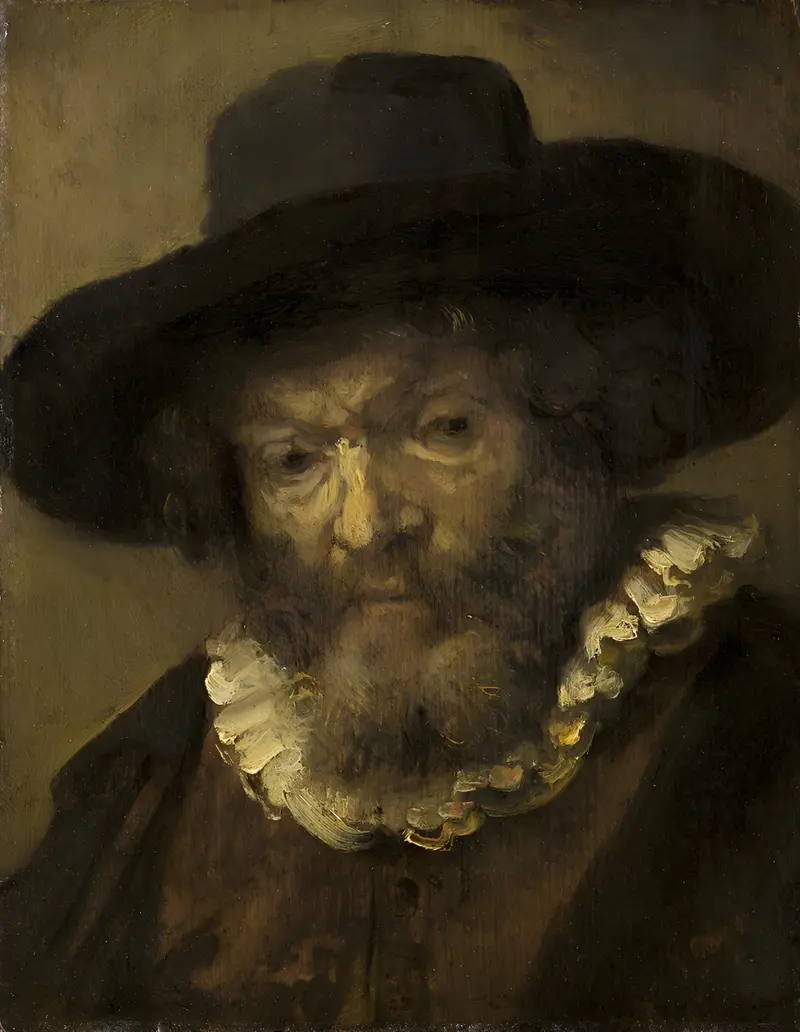
Head of an Old Man
Carel Fabritius
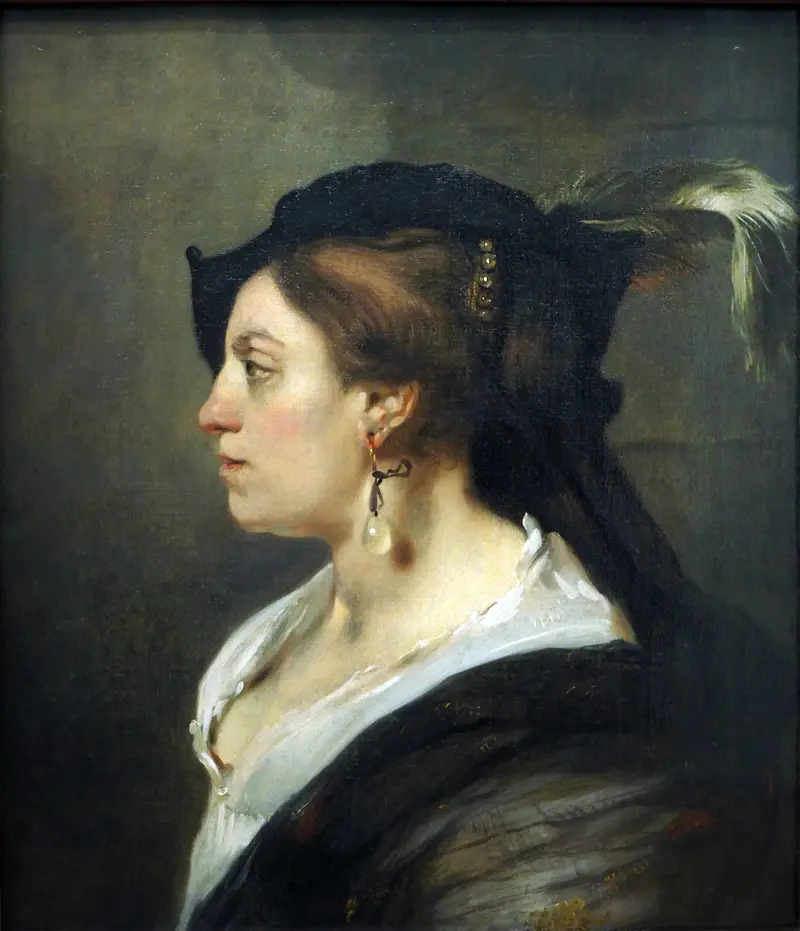
Portrait of a lady in profile
Carel Fabritius
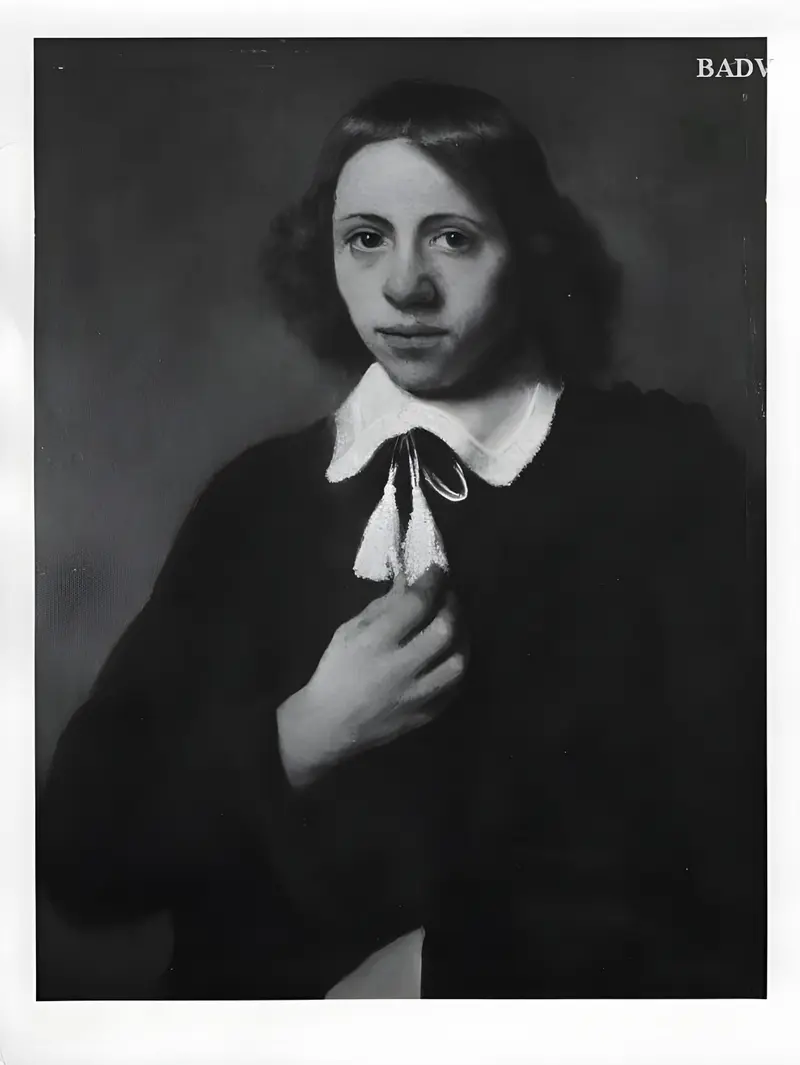
portrait of a boy
Carel Fabritius
Mercury and Aglauros
Carel Fabritius





