
Young Page in Florentine Garb — History & Facts
When Young Page in Florentine Garb was first exhibited in 1881, viewers were captivated by Alexandre Cabanel’s meticulous reimagining of Renaissance youth—so much so that critics remarked on its uncanny ability to “summon the past with living color.” While the sitter’s identity remains unknown, the painting stands as a testament to the late 19th-century fascination with Italy’s golden age, a nostalgia that swept through Parisian salons and inspired artists and collectors alike. Cabanel, already celebrated for his mythological and historical canvases, here turned his attention to the quiet drama of costume and character, blending academic precision with a romantic vision of Florence. The young page is caught in a moment of poised anticipation, his gaze directed just beyond the viewer, as if awaiting a summons from an unseen master. The opulent Florentine doublet, rendered in rich hues and intricate textures, signals both status and the page’s role as a trusted attendant in a noble household.
The delicate chain at his neck, the gloved hand resting lightly on a velvet cap—each detail is a clue to his station and the ceremonial world he inhabits. Unlike the bustling scenes of pages by Francesco Hayez, Cabanel’s approach is intimate and restrained, drawing the eye to the psychological tension in the boy’s expression and the play of light across his youthful features. While the exact provenance of Young Page in Florentine Garb is not fully documented, it is typical of the period’s taste for historicist portraiture, often commissioned by private collectors eager to display their admiration for Renaissance art. The work reflects Cabanel’s late-career shift toward genre scenes and portraits, moving away from the grand allegories that had made his name at the Paris Salon.
Today, the painting is held in a private collection, rarely seen in public, but it remains a touchstone for those studying the 19th-century revival of Renaissance themes and the enduring appeal of Cabanel’s academic style.
More Artworks by Alexandre Cabanel
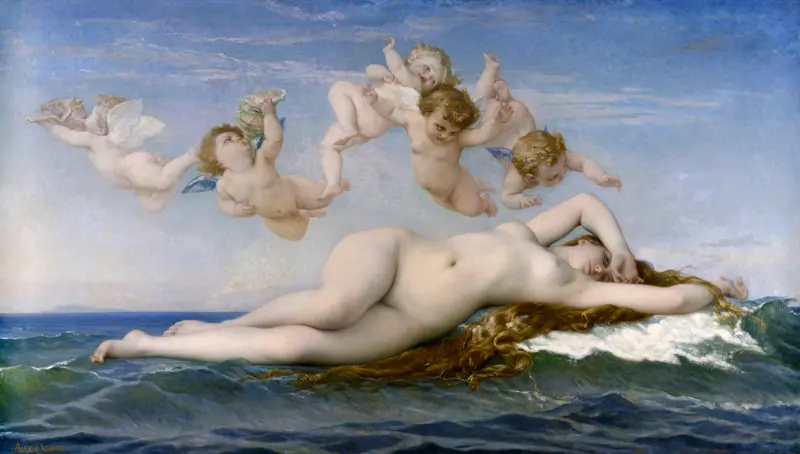
The Birth of Venus
Alexandre Cabanel
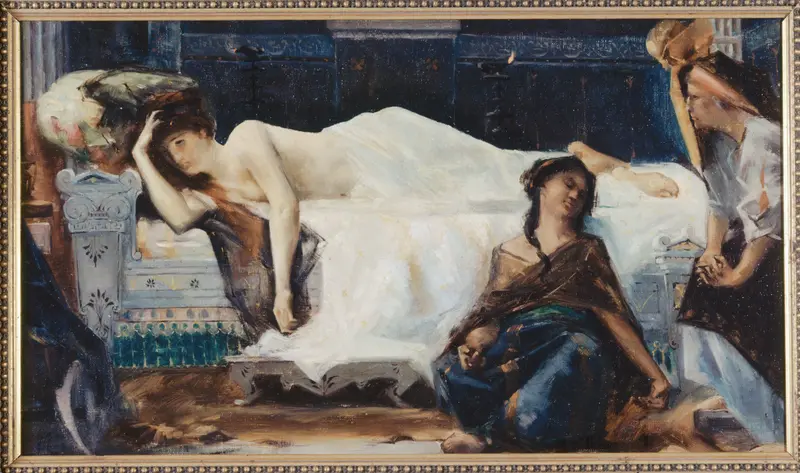
Phèdre
Alexandre Cabanel
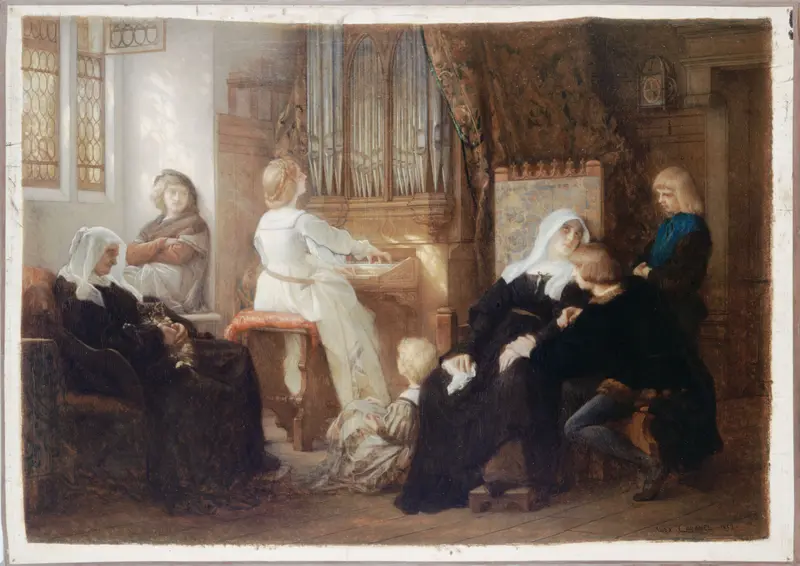
La veuve du maître de chapelle
Alexandre Cabanel
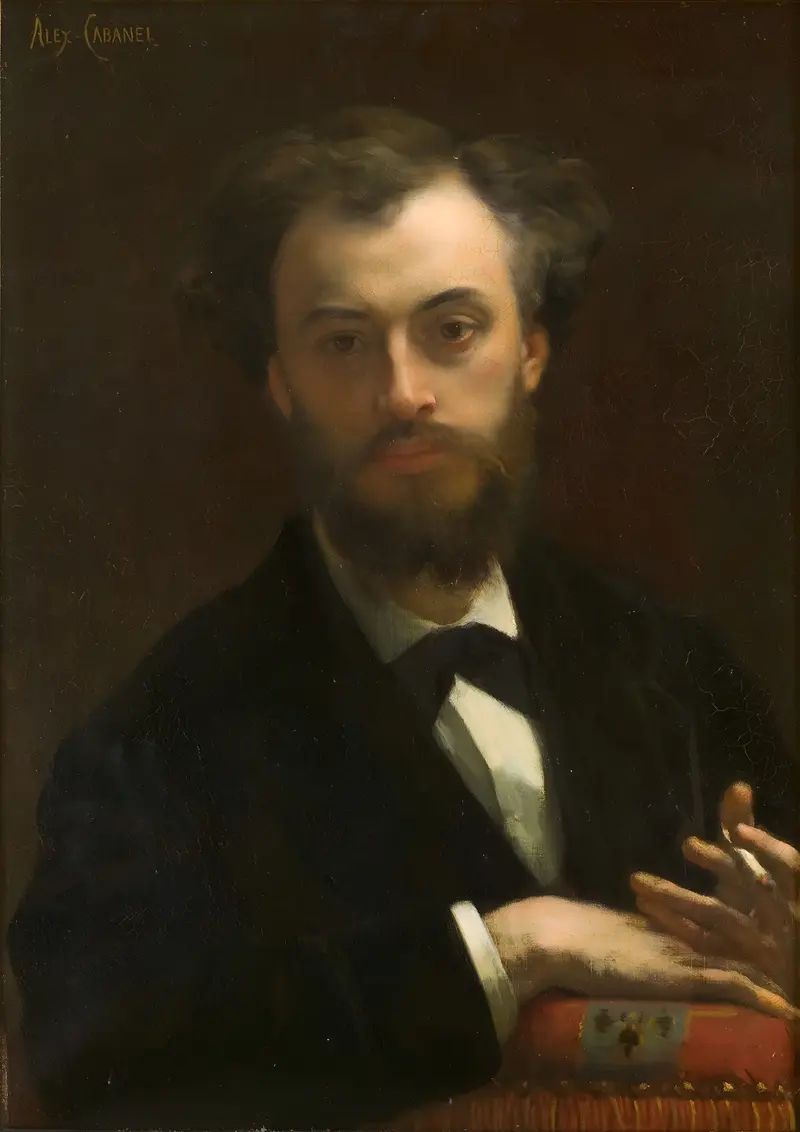
Portrait de M. Pierre Cabanel
Alexandre Cabanel
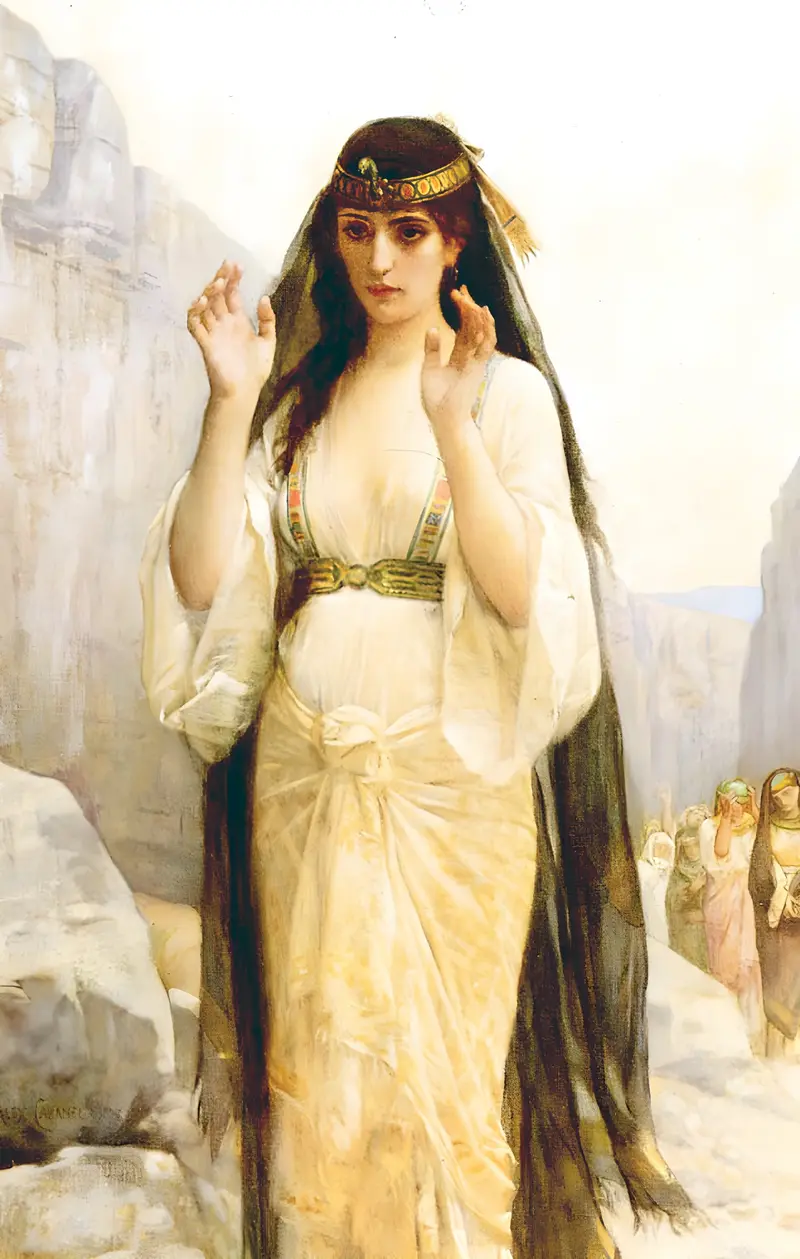
The Daughter of Jephthah
Alexandre Cabanel
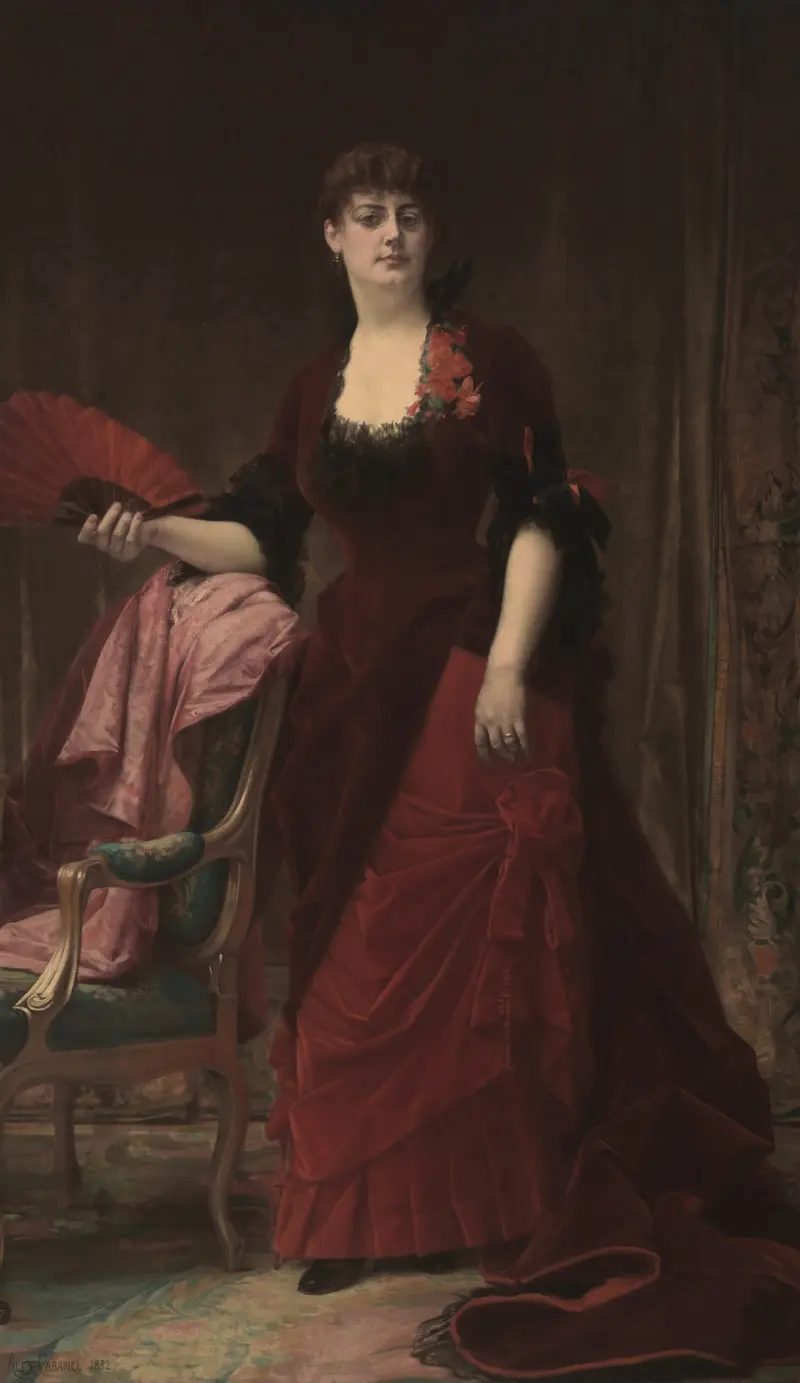
Portrait of Arabella Worsham (later Arabella Huntington)
Alexandre Cabanel
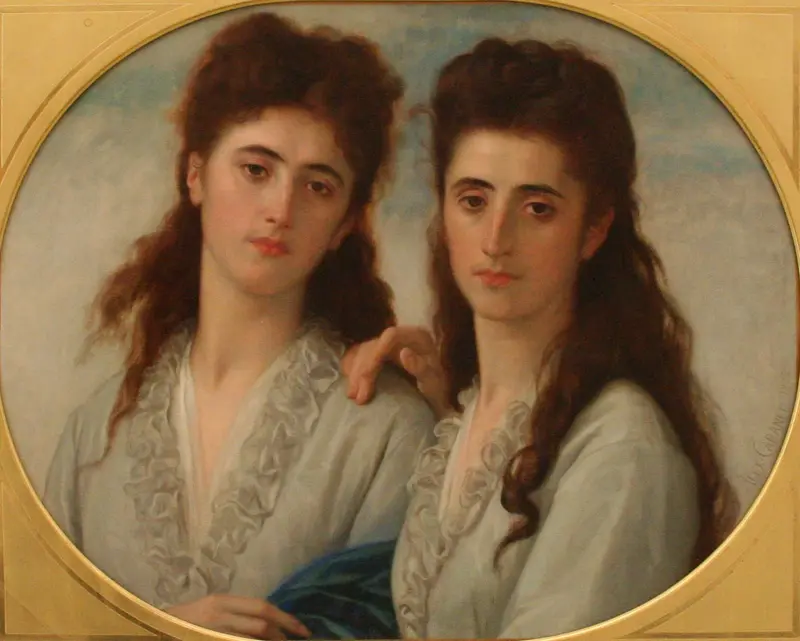
Portrait de mesdemoiselles Sophie et Berthe Cabanel
Alexandre Cabanel
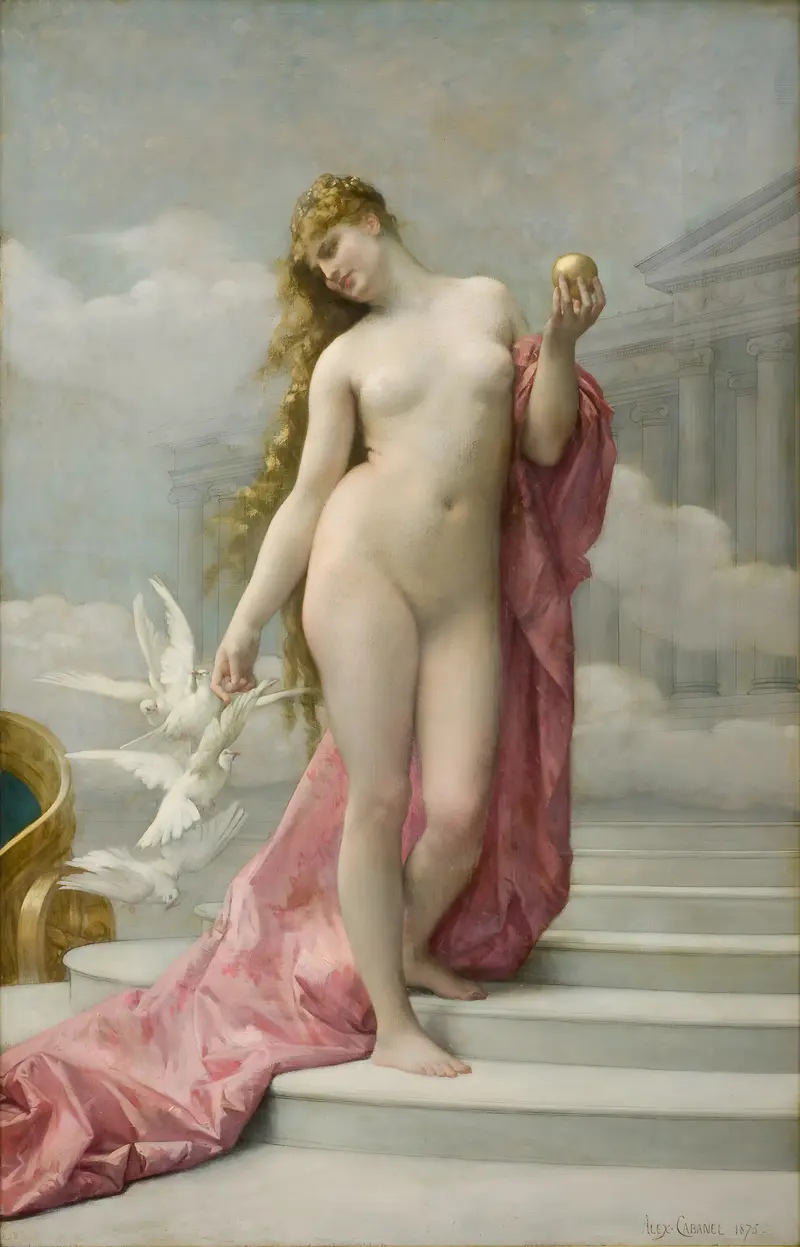
Vénus victorieuse
Alexandre Cabanel
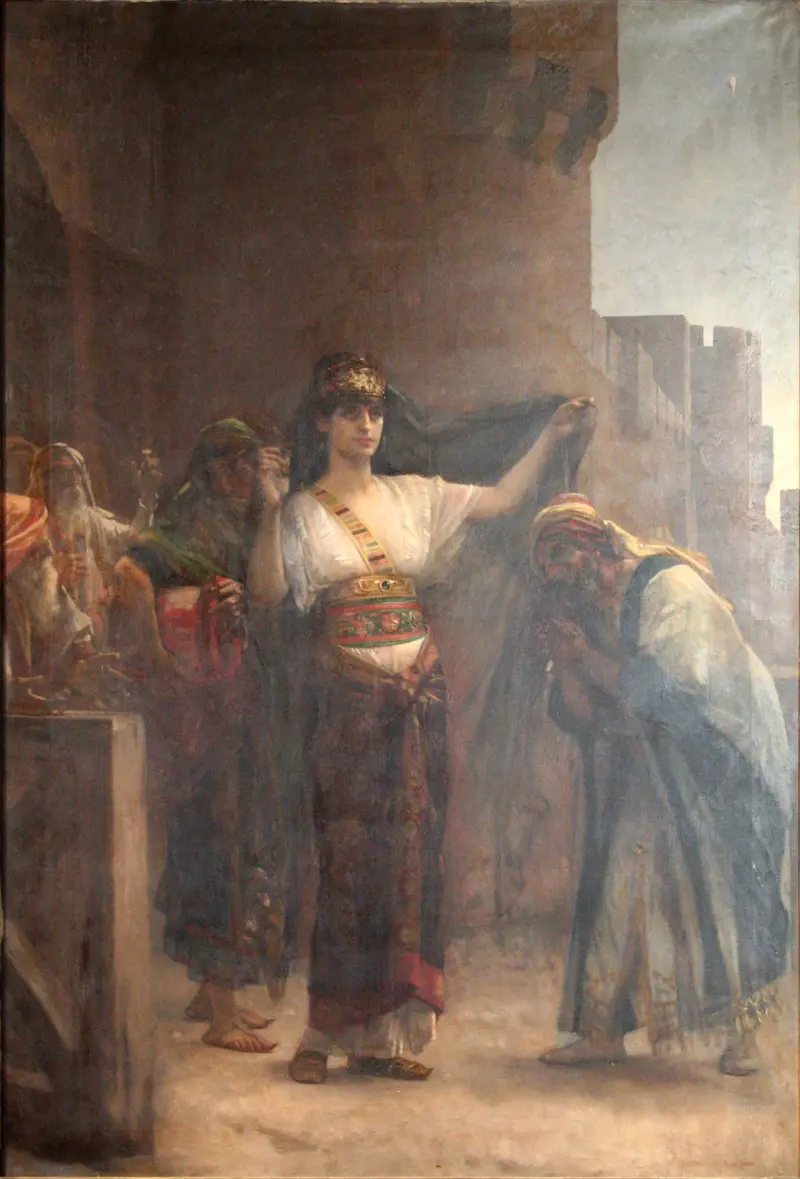
Judith
Alexandre Cabanel
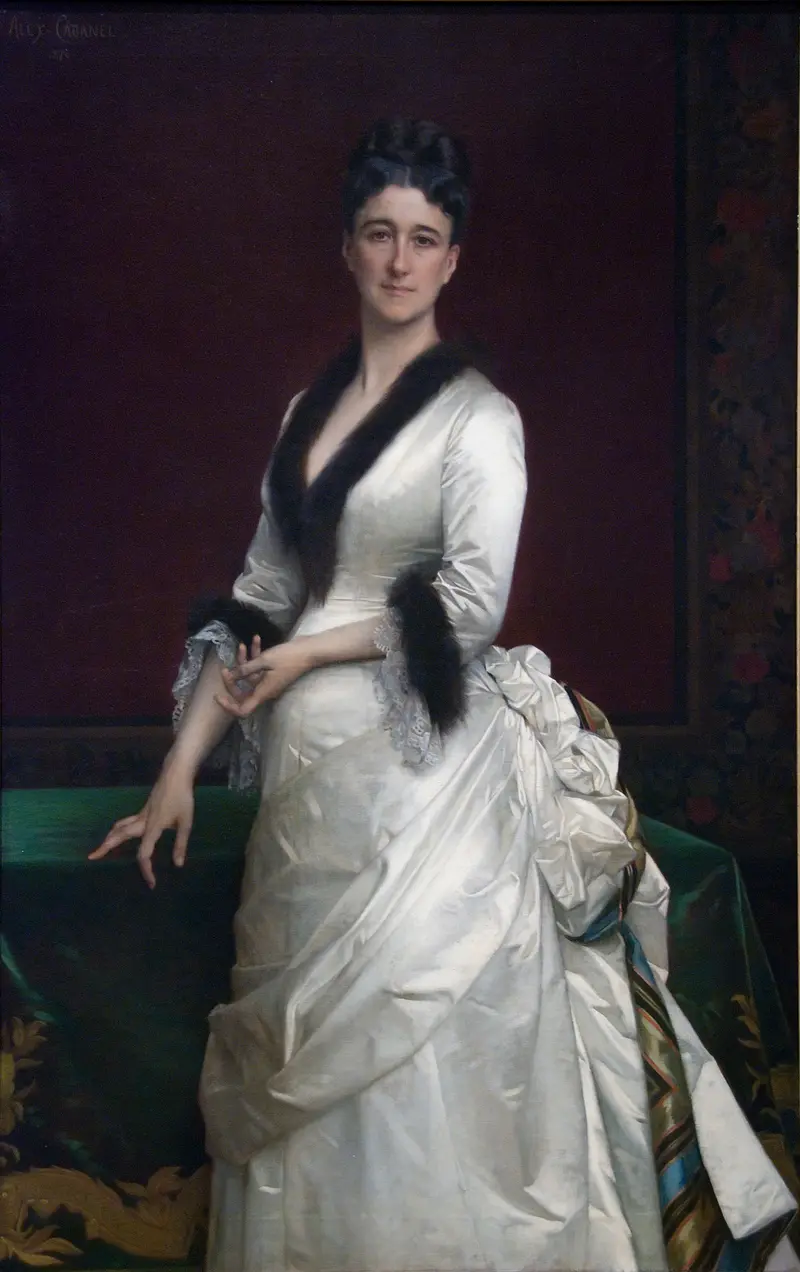
Catharine Lorillard Wolfe (1828–1887)
Alexandre Cabanel





