
Young Woman — History & Facts
When Young Woman was first exhibited in 1769, Parisian critics immediately recognized the sitter’s gaze: direct, playful, and unusually intimate for its time. Unlike the grand mythologies or formal portraits favored by the Rococo elite, Jean-Honoré Fragonard here offered something more personal—a glimpse into the private world of a young woman whose identity remains a mystery to this day. Some have speculated she was a close friend or even a lover of the artist, but no evidence has surfaced to confirm her name.
The painting’s allure lies in this ambiguity, inviting viewers to wonder not only who she is, but what unspoken story lies behind her half-smile. The woman turns slightly toward the viewer, her face lit by a soft, golden light that catches on her powdered hair and the delicate folds of her dress. She leans forward, as if about to speak, her lips parted in a moment of candor. A ribbon at her neck and a simple earring suggest both youth and modest elegance, while the loose brushwork of her gown and the blurred background focus all attention on her expression.
Unlike Élisabeth Vigée Le Brun’s more formal portraits of women from the same era, Fragonard captures a fleeting moment—an impression of personality rather than a record of status. The intimacy here is visual: the sitter meets our gaze, breaking the fourth wall, and in doing so, draws us into her confidence. The precise origins of Young Woman are uncertain; no patron is recorded, and the painting’s early history is undocumented. It likely remained in private hands for much of its existence, typical of Fragonard’s smaller, informal works, which were often given as gifts or kept within circles of friends and admirers.
Over the centuries, the painting has been attributed to various hands, but stylistic analysis—especially the lively brushwork and psychological immediacy—has firmly restored it to Fragonard. Today, it stands as a testament to the artist’s gift for capturing the fleeting moods of everyday life, and hangs in the collection as a quiet but compelling counterpoint to his more exuberant scenes of love and leisure.
More Artworks by Jean-Honoré Fragonard

The Swing
Jean-Honoré Fragonard

The Swing
Jean-Honoré Fragonard

A Young Girl Reading
Jean-Honoré Fragonard

The Lock
Jean-Honoré Fragonard

The Triumph of Venus
Jean-Honoré Fragonard

A Game of Hot Cockles
Jean-Honoré Fragonard
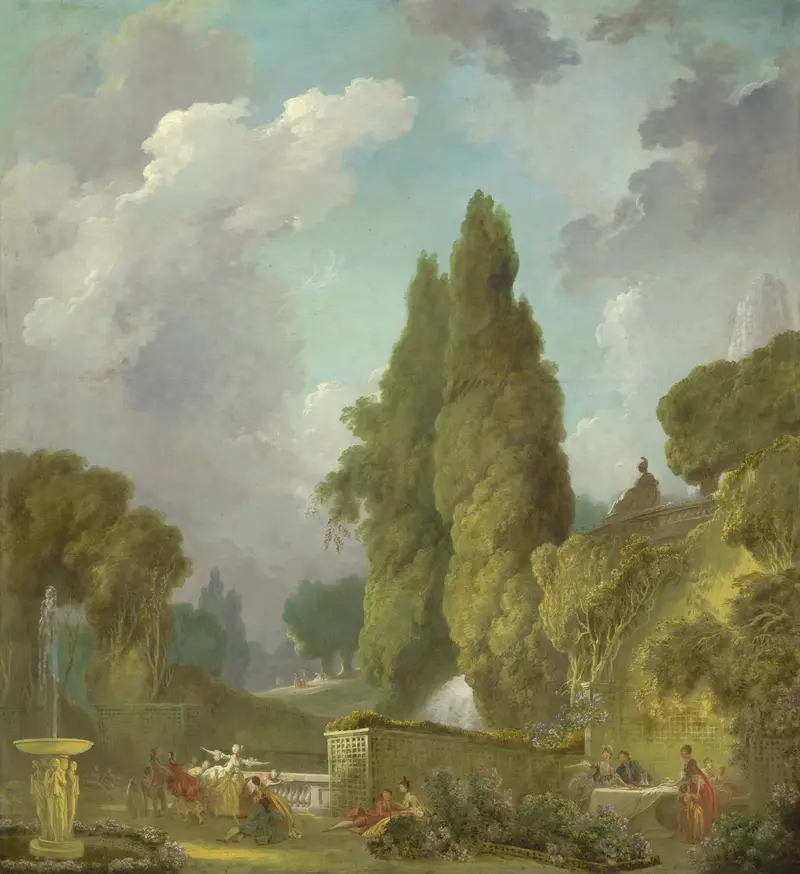
Blindman’s Buff
Jean-Honoré Fragonard
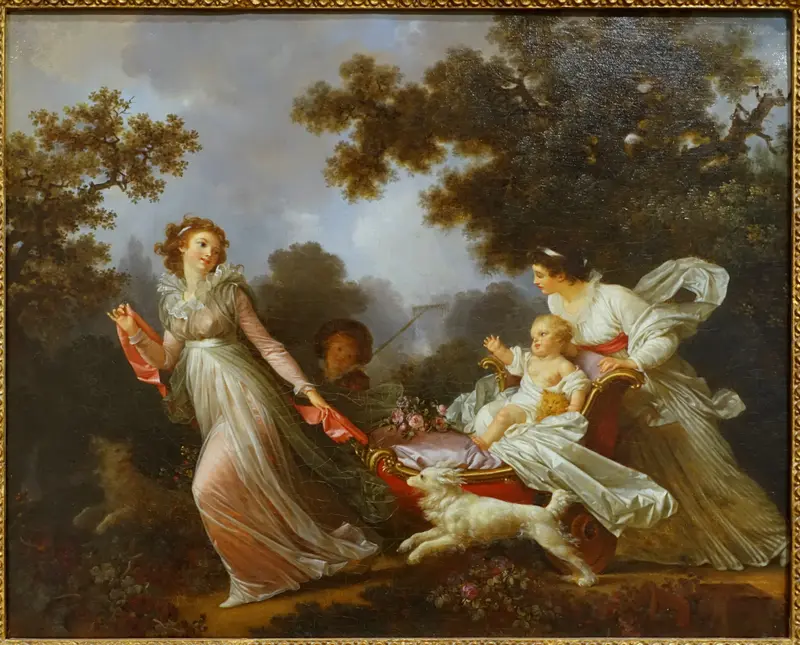
The Beloved Child
Jean-Honoré Fragonard
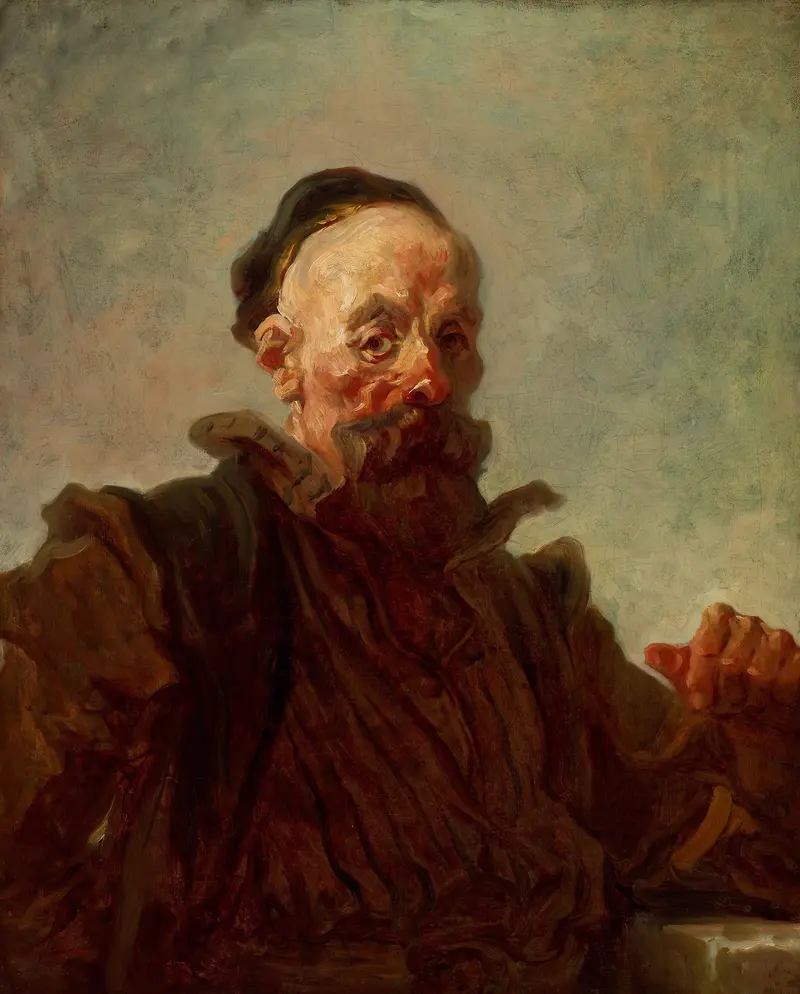
Portrait of a Man in Costume
Jean-Honoré Fragonard
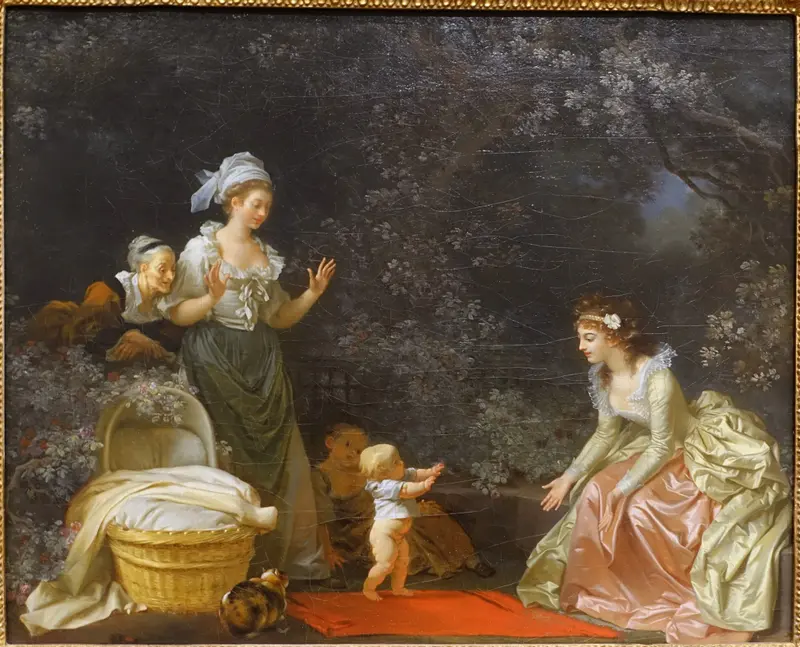
The First Steps
Jean-Honoré Fragonard





