
Zittende herder met hond — History & Facts
Could a single brushstroke hold eternity? In Zittende herder met hond, a seemingly simple pastoral scene unfolds, layered with a complexity that belies its tranquil exterior. The quiet interaction between the shepherd and his loyal dog invites us to delve deeper into the nuances of life, where peace and violence often coexist, just beyond the surface. Look to the left at the shepherd, his sturdy figure grounded against the verdant backdrop. Notice how the light dances across his woolen cloak, casting gentle shadows that hint at his watchful demeanor.
The dog, with its alert posture, mirrors this vigilance, its white fur contrasting sharply against the earthy tones of the landscape. Berchem employs a rich palette of greens and browns that envelops the figures, creating a harmonious balance that calms the senses even as underlying tensions lurk. Yet, upon closer inspection, the fragile balance begins to unravel. The shepherd's gaze, distant and contemplative, juxtaposes the liveliness of the dog, suggesting an inner conflict, perhaps a memory of violence that lingers like a ghost.
The serene beauty of the setting amplifies this tension, as blades of grass nod in the wind—reminders of nature's indifference. Here, Berchem masterfully captures the duality of peace and strife, evoking a sense of vulnerability amid tranquility. Created between 1648 and 1652, this artwork reflects Berchem's life during a time of personal struggle and artistic evolution. Painting in the Dutch Golden Age, when pastoral scenes flourished, he embraced the genre's elegance while imbuing it with deeper existential questions.
As Europe grappled with social and political upheaval, Berchem's art emerged as a testament to the human condition, revealing the complexity of existence beneath the surface of idyllic landscapes.
More Artworks by Nicolaes Pietersz Berchem
Browse all →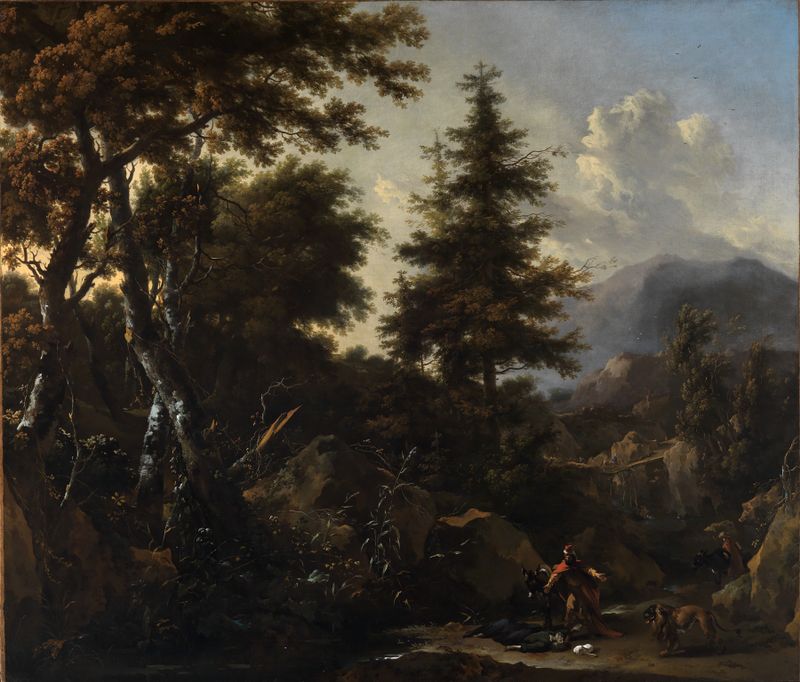
Schlucht im Bergwald mit alttestamentlicher Staffage
Nicolaes Pietersz Berchem
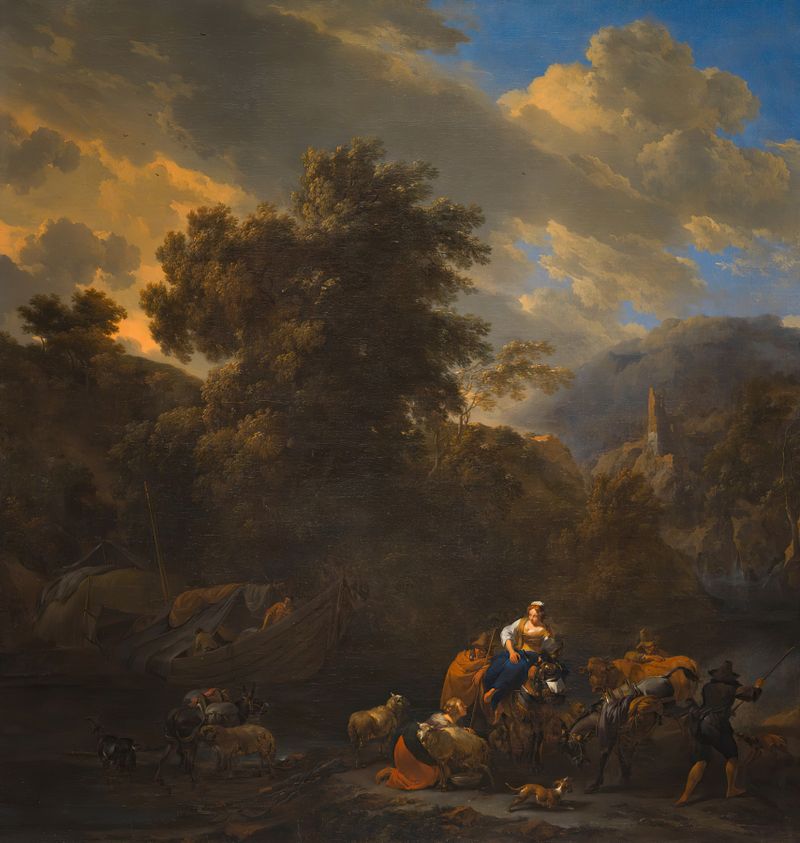
Italianate Landscape with Figures and Pack Animals on the Banks of a River
Nicolaes Pietersz Berchem
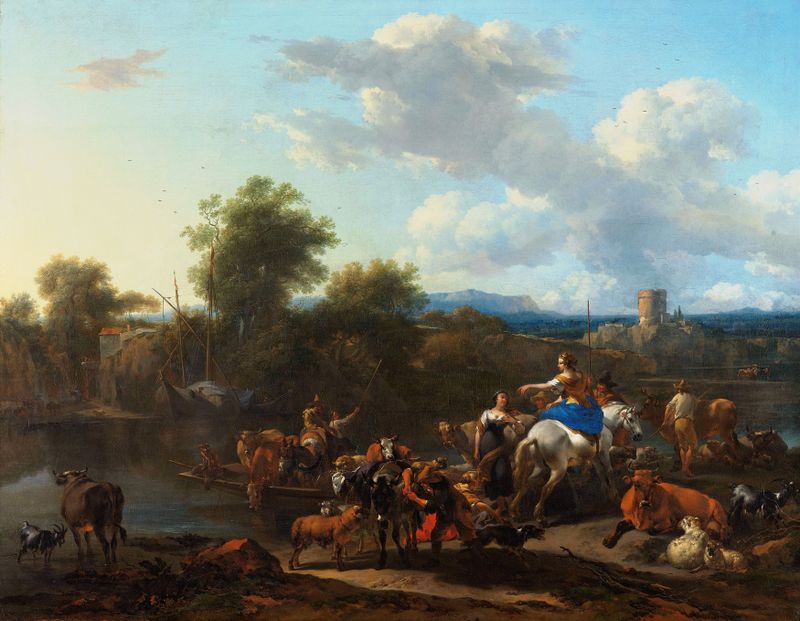
The Cattle Ferry
Nicolaes Pietersz Berchem
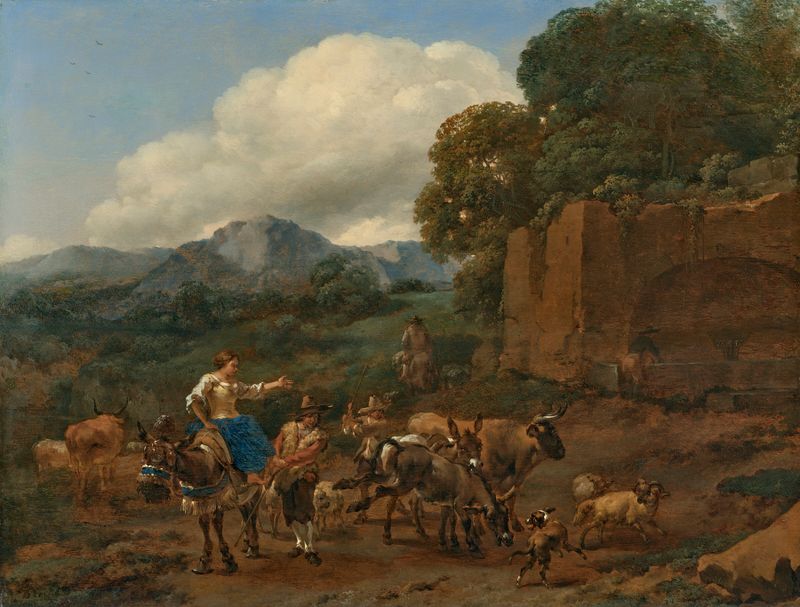
An Italianate landscape with a shepherdess on a mule and a shepherd, herding cattle, sheep, donkeys and dogs on a mountain track next to ruins
Nicolaes Pietersz Berchem
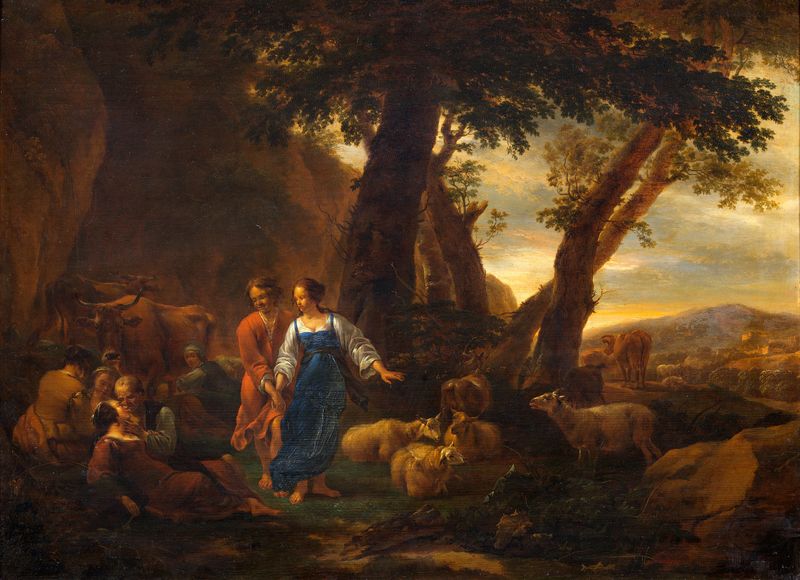
Landscape with Peasants and Cattle
Nicolaes Pietersz Berchem
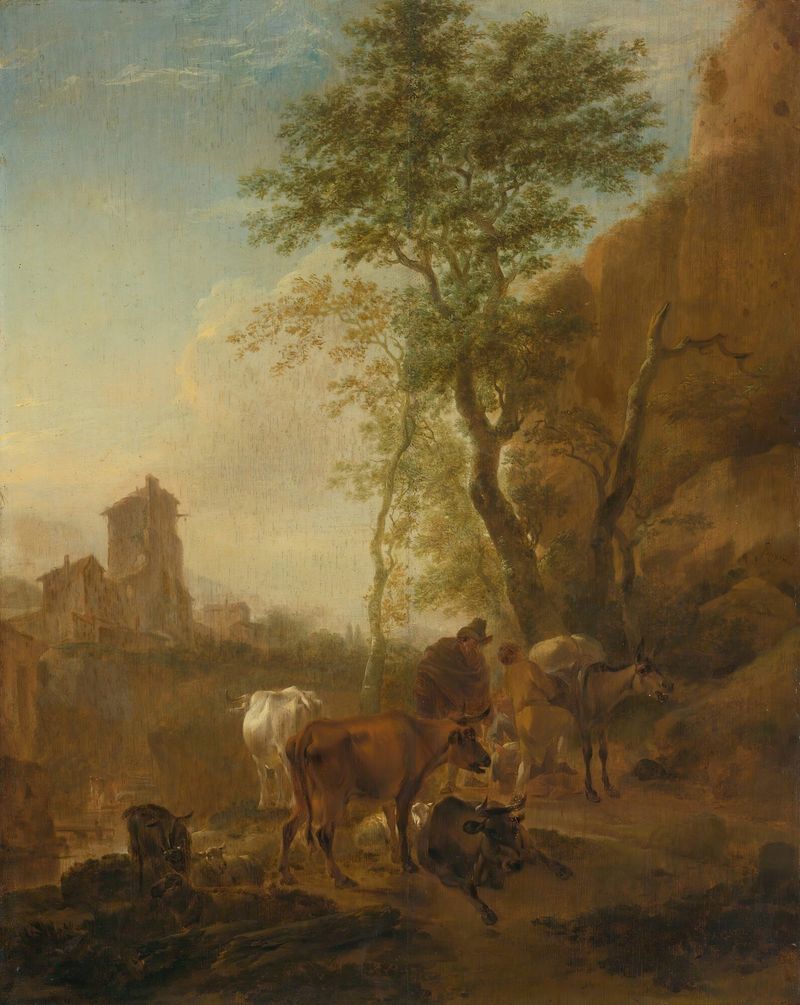
Italianate Landscape With Cows
Nicolaes Pietersz Berchem
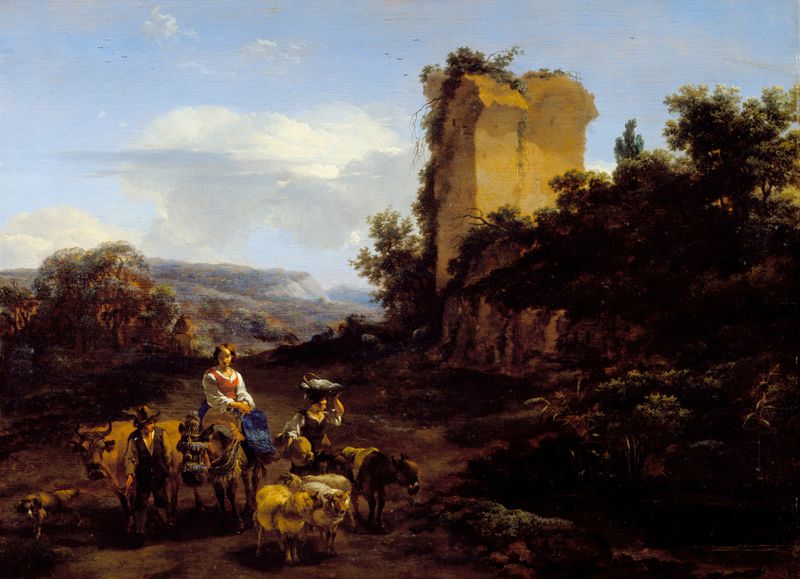
Landscape with Ruins and Travelers
Nicolaes Pietersz Berchem
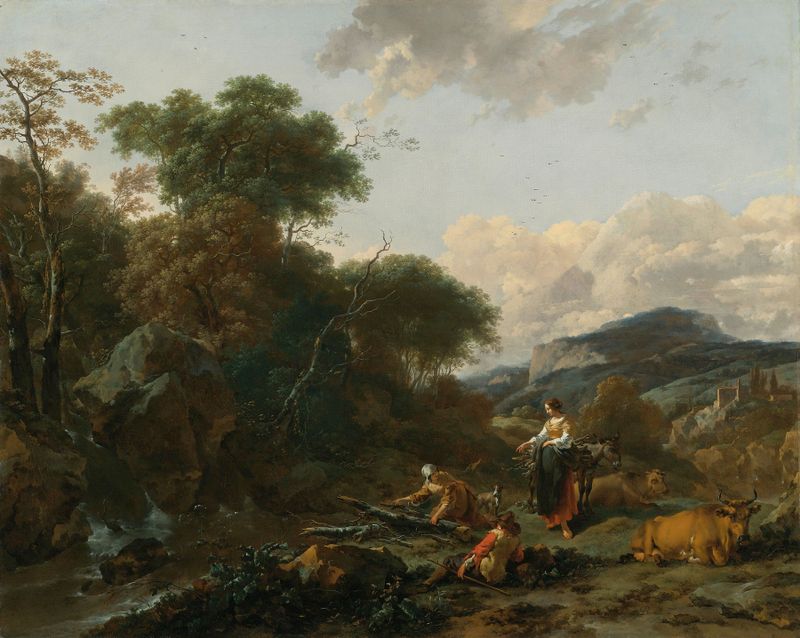
A Landscape With Figures
Nicolaes Pietersz Berchem
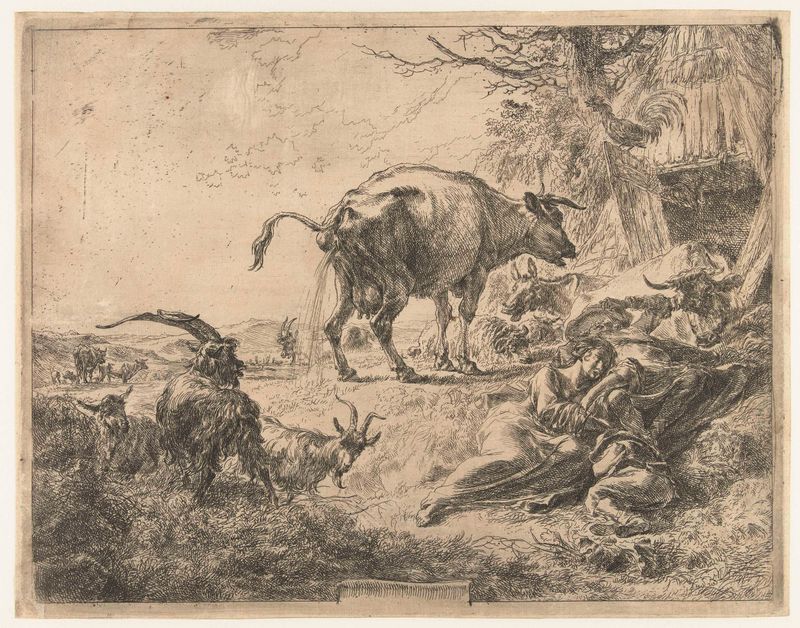
Slapende herdersfamilie en rustend vee
Nicolaes Pietersz Berchem
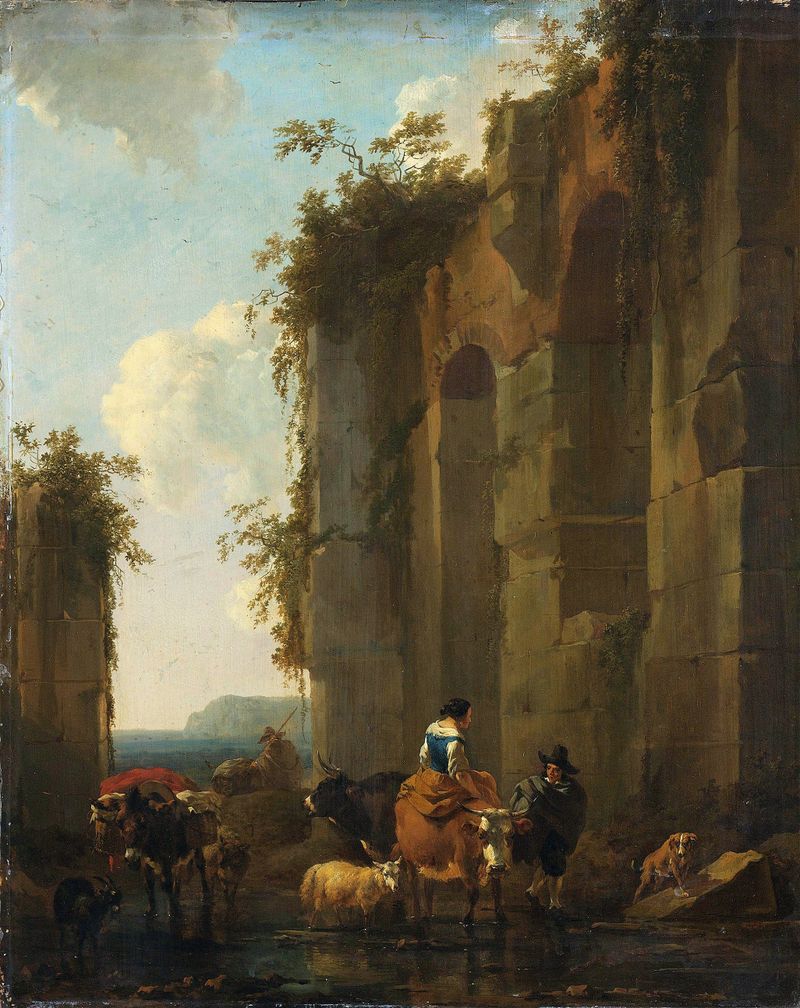
Ruins in Italy
Nicolaes Pietersz Berchem





