
Zittende herder met hond — History & Facts
In the fleeting grasp of time, we find solace in moments captured, eternally preserved. Within the confines of a canvas, narratives unfold that beckon us to pause, reflect, and connect deeply with our shared humanity. Focus first on the seated figure, a shepherd, at the center of this composition. He is depicted in serene repose, his gentle posture inviting the viewer into his quiet world.
Notice how the warm, earthy tones harmonize with the dappled light that filters through the trees, casting gentle shadows across the scene. The loyal dog at his feet offers a sense of companionship, grounding the piece in an intimate reality. Each brushstroke conveys a sense of calm, suggesting a tranquil relationship between man, nature, and time. Beneath this serene exterior lies the tension of transience.
The shepherd’s calm demeanor contrasts with the passing of time, evoking a sense of nostalgia for simpler days and the fleeting nature of pastoral life. The presence of the dog symbolizes loyalty but also the inevitability of change, as both man and beast must navigate the passage of seasons, life, and mortality. The landscape hints at the broader world beyond, reminding us of the inevitable cycles that govern existence. During the years 1648 to 1652, this work emerged from the skilled hand of Berchem in the Netherlands, a period when the Golden Age of Dutch painting flourished.
The artist was influenced by the growing popularity of pastoral scenes, reflecting an appreciation for rural life amidst the rising urbanization of Europe. As he painted, Berchem was engaged in a dialogue with nature, capturing the essence of a world that was rapidly transforming, yet still yearning for the simplicity of its past.
More Artworks by Nicolaes Pietersz Berchem
Browse all →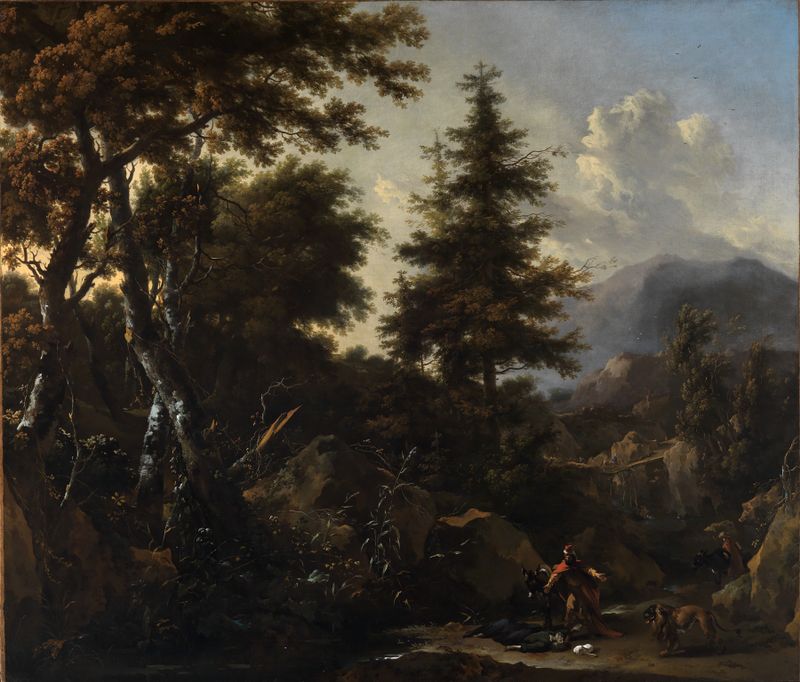
Schlucht im Bergwald mit alttestamentlicher Staffage
Nicolaes Pietersz Berchem
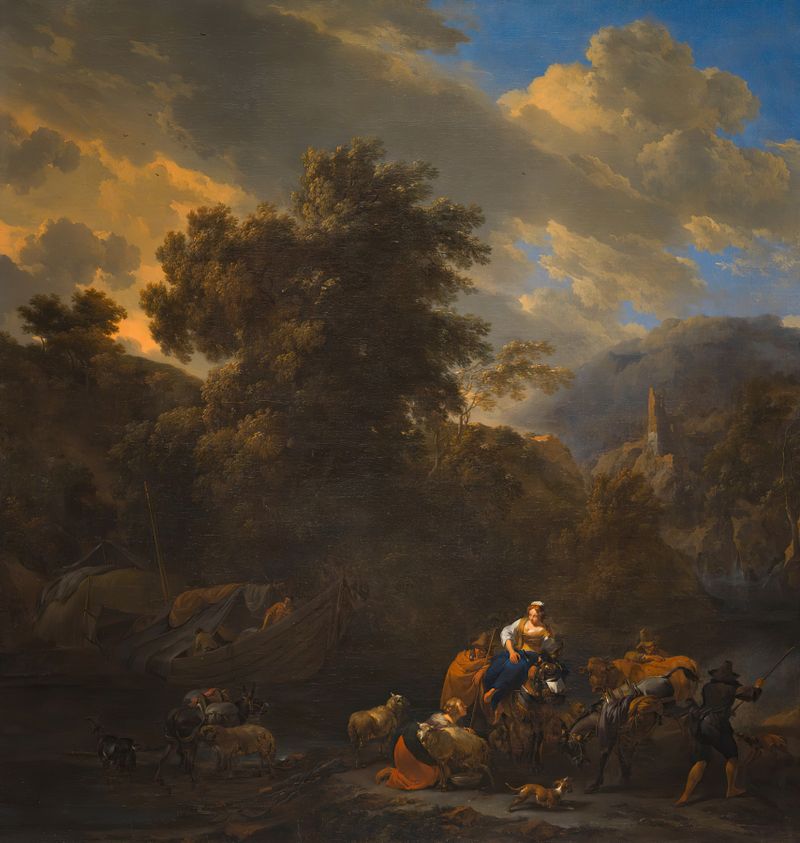
Italianate Landscape with Figures and Pack Animals on the Banks of a River
Nicolaes Pietersz Berchem
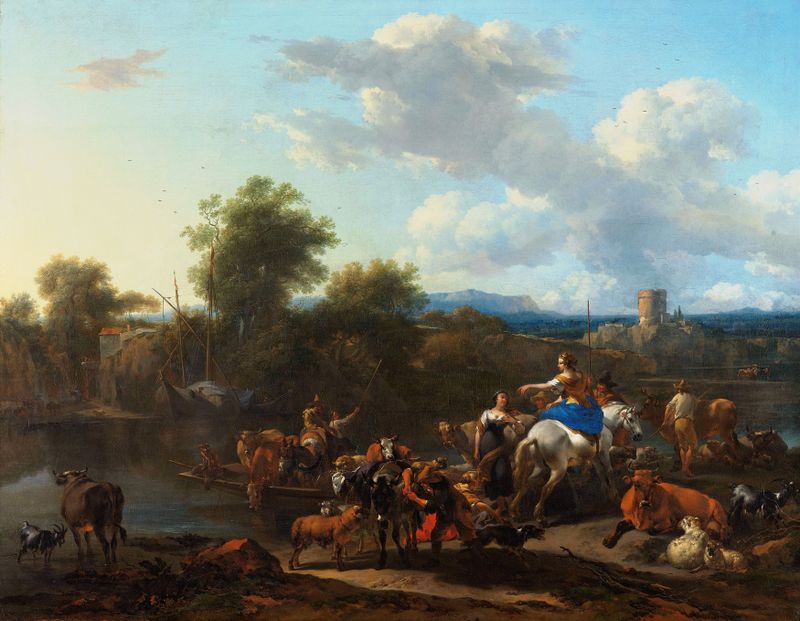
The Cattle Ferry
Nicolaes Pietersz Berchem
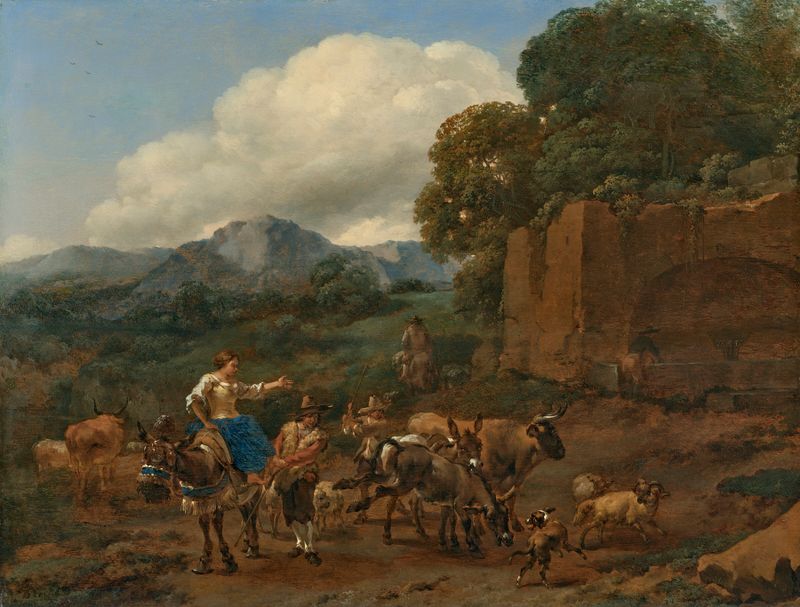
An Italianate landscape with a shepherdess on a mule and a shepherd, herding cattle, sheep, donkeys and dogs on a mountain track next to ruins
Nicolaes Pietersz Berchem
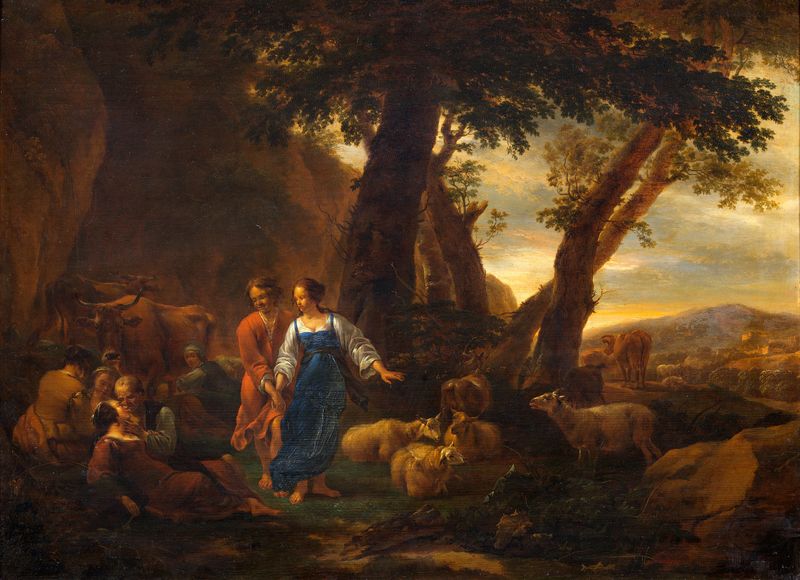
Landscape with Peasants and Cattle
Nicolaes Pietersz Berchem
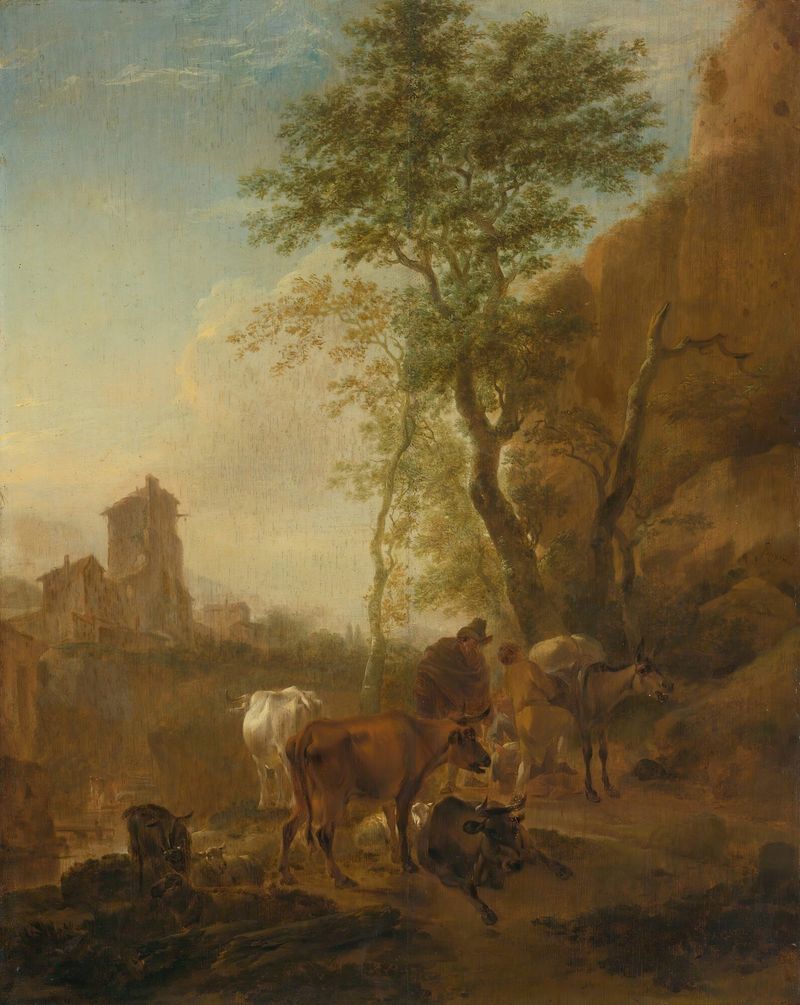
Italianate Landscape With Cows
Nicolaes Pietersz Berchem
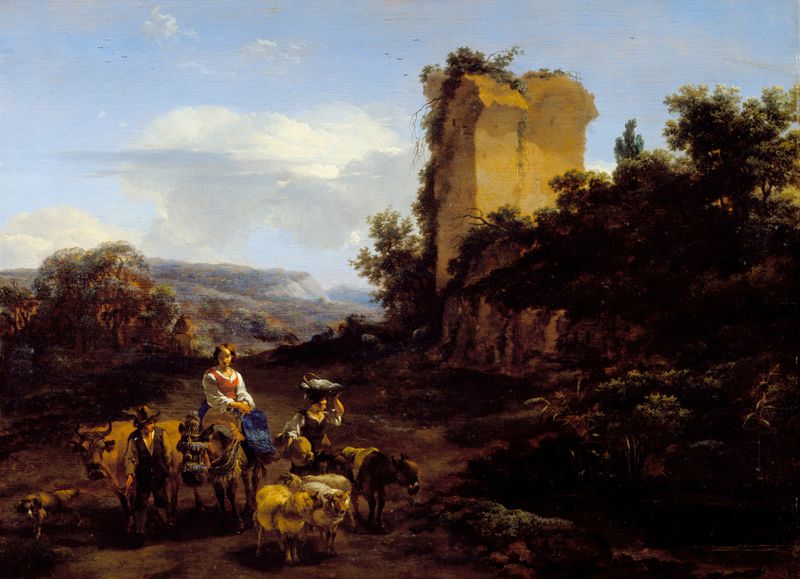
Landscape with Ruins and Travelers
Nicolaes Pietersz Berchem
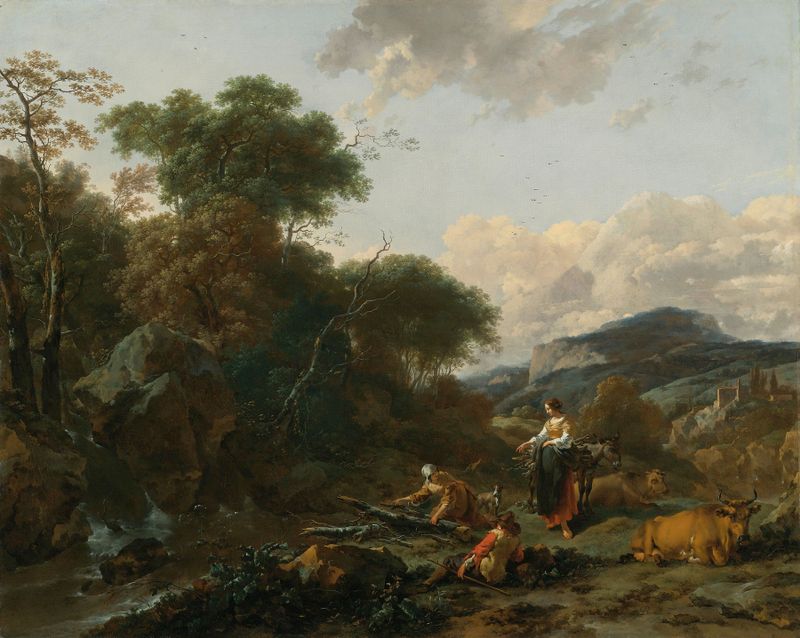
A Landscape With Figures
Nicolaes Pietersz Berchem
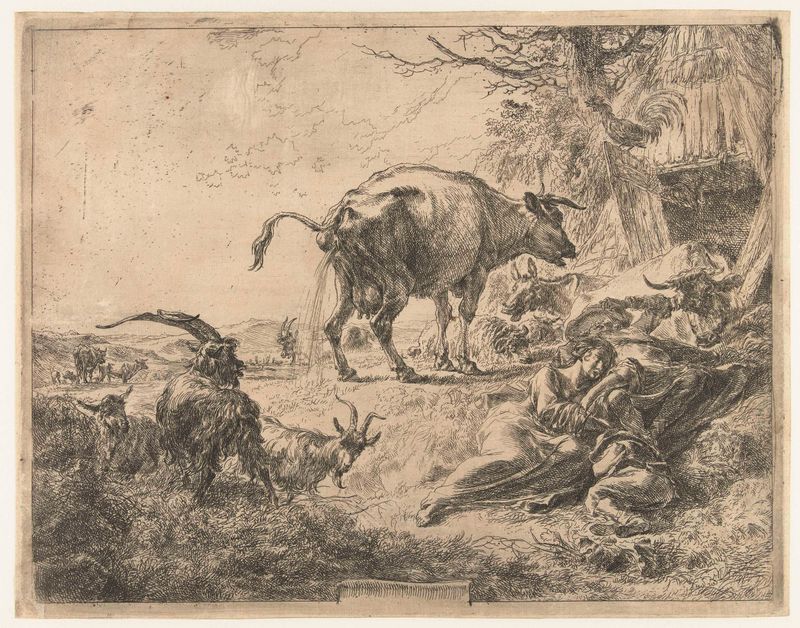
Slapende herdersfamilie en rustend vee
Nicolaes Pietersz Berchem
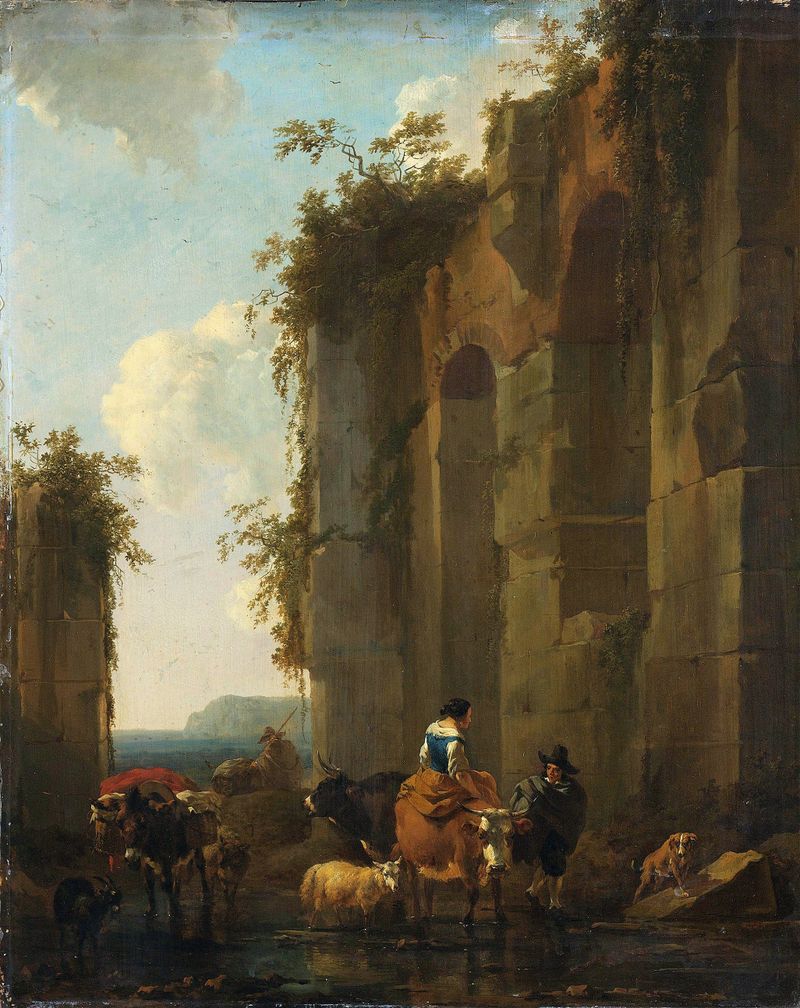
Ruins in Italy
Nicolaes Pietersz Berchem





