
Zittende herderin en twee schapen — History & Facts
Is this a mirror — or a memory? The pastoral simplicity of the moment captured invites viewers to reflect on the duality of innocence and the lurking shadows of betrayal. Look closely at the serene figure of the shepherdess seated amidst her two sheep. The warm earth tones envelop the scene, drawing attention first to her gentle posture and the soft expression on her face. Notice how the light caresses the contours of her dress and subtly outlines the sheep, lending them a tender yet slightly vulnerable quality.
The composition is balanced yet informal, evoking a sense of intimacy and tranquility that belies the deeper undercurrents present within the work. As you soak in the ambiance, consider the interplay of light and shadow—perhaps a metaphor for trust and treachery. The shepherdess, seemingly at peace, might embody the fragility of innocence, while the sheep, with their trusting gaze, can symbolize those unaware of impending betrayal. The quiet setting contrasts sharply with the complexities of human emotion, hinting at an underlying tension between the idyllic and the ominous, a reminder that tranquility can often cloak deeper narratives. During the years between 1646 and 1652, Nicolaes Pietersz Berchem was in the midst of forging his reputation within the Dutch Golden Age of painting.
In a climate rich with artistic exploration and burgeoning realism, he honed his capabilities in capturing the essence of rural life. This period witnessed a growing interest in pastoral scenes, reflecting both a deep appreciation for nature and a desire to escape the complexities of urban existence, yet Berchem layered his work with subtle emotional truths that invite reflection beyond mere aesthetics.
More Artworks by Nicolaes Pietersz Berchem
Browse all →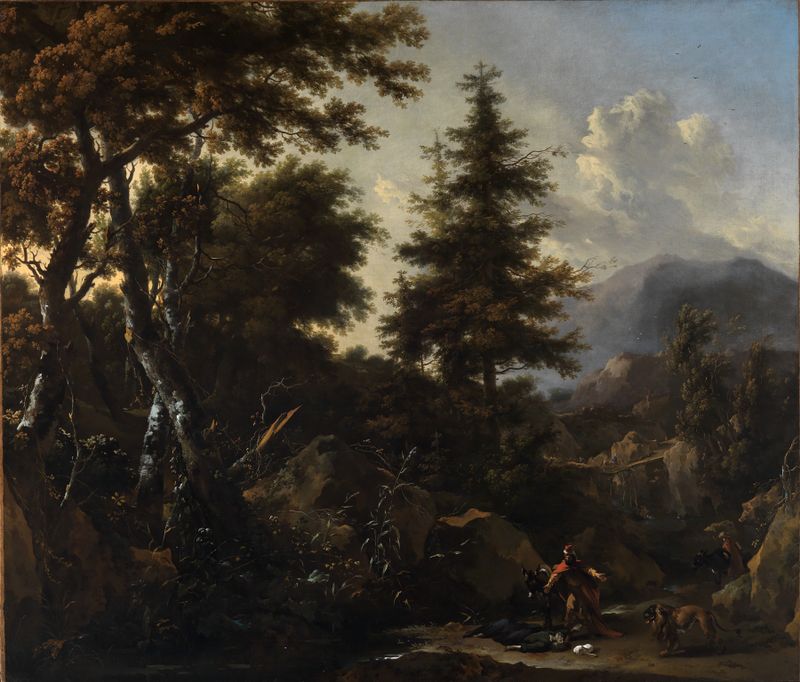
Schlucht im Bergwald mit alttestamentlicher Staffage
Nicolaes Pietersz Berchem
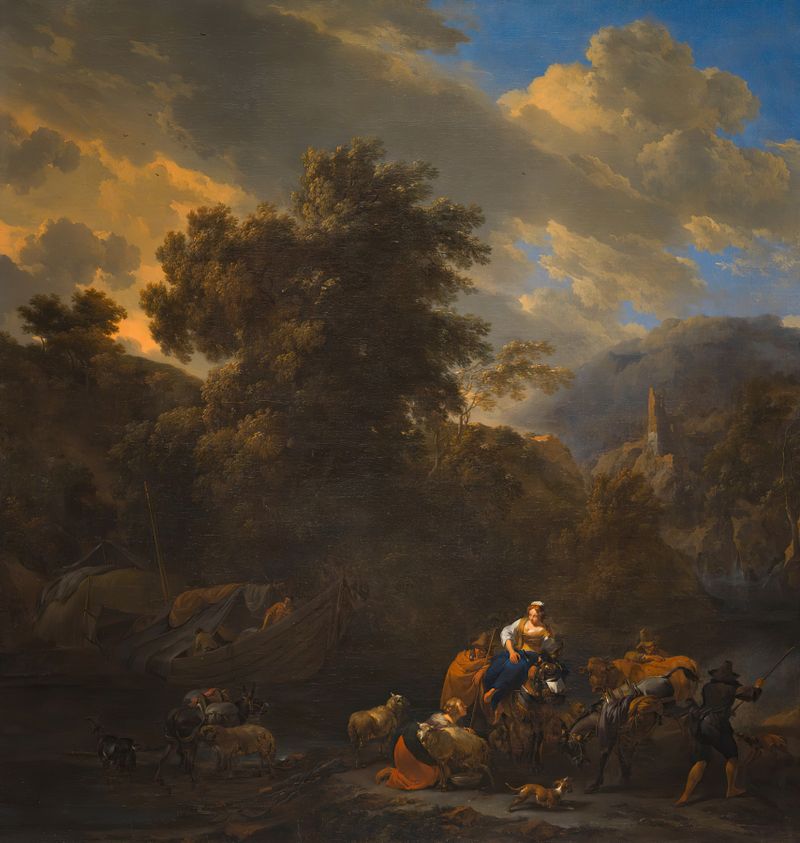
Italianate Landscape with Figures and Pack Animals on the Banks of a River
Nicolaes Pietersz Berchem
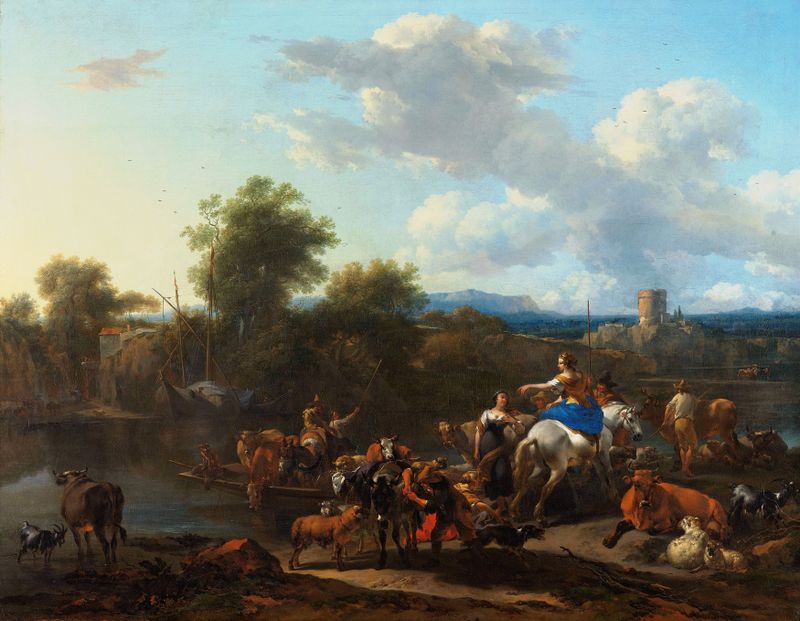
The Cattle Ferry
Nicolaes Pietersz Berchem
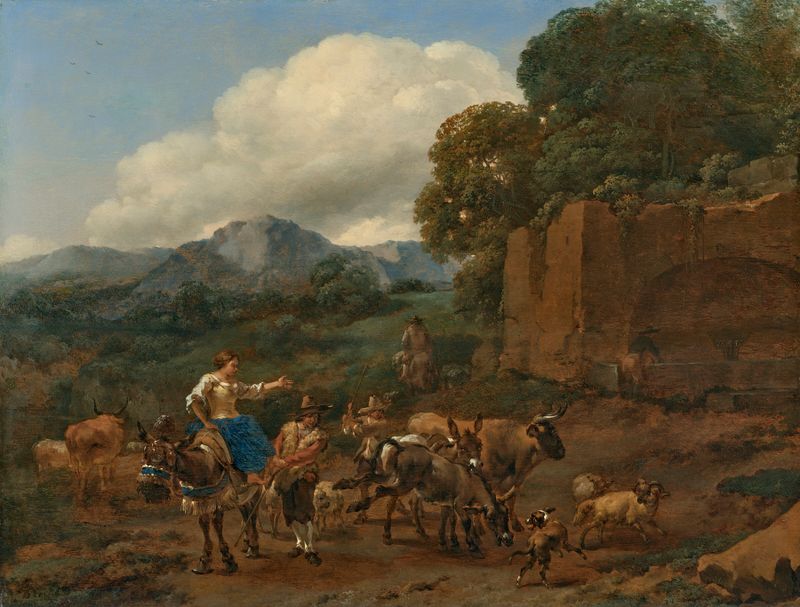
An Italianate landscape with a shepherdess on a mule and a shepherd, herding cattle, sheep, donkeys and dogs on a mountain track next to ruins
Nicolaes Pietersz Berchem
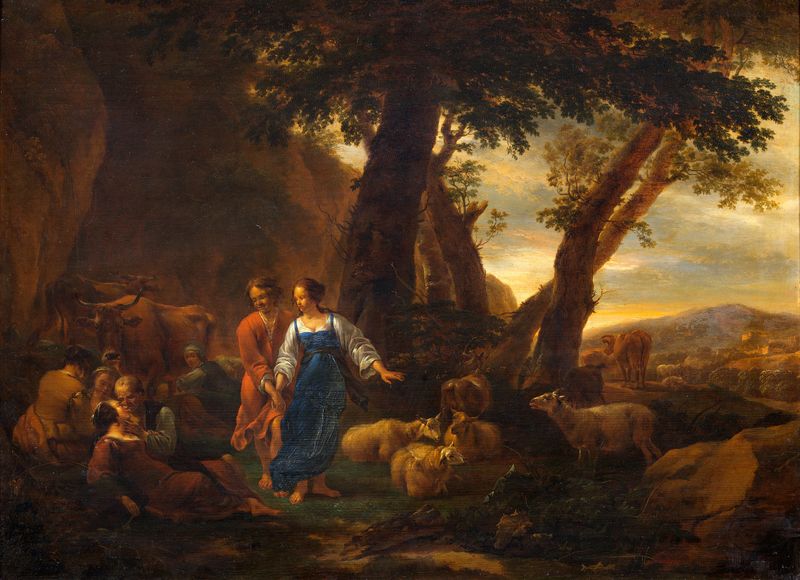
Landscape with Peasants and Cattle
Nicolaes Pietersz Berchem
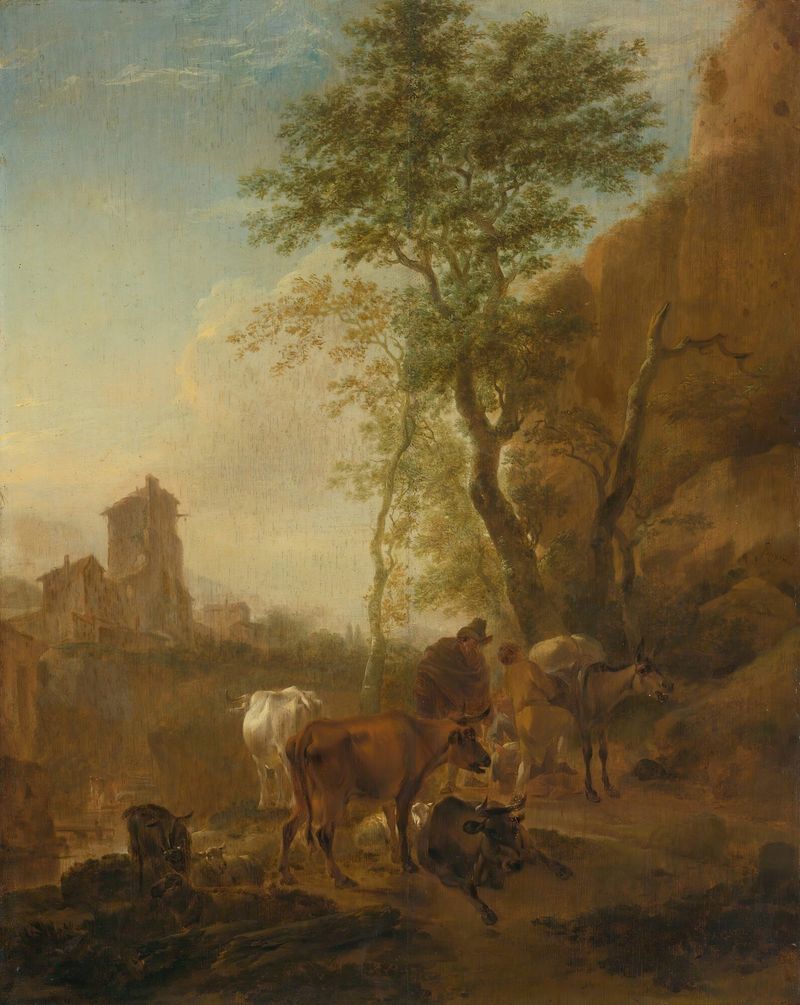
Italianate Landscape With Cows
Nicolaes Pietersz Berchem
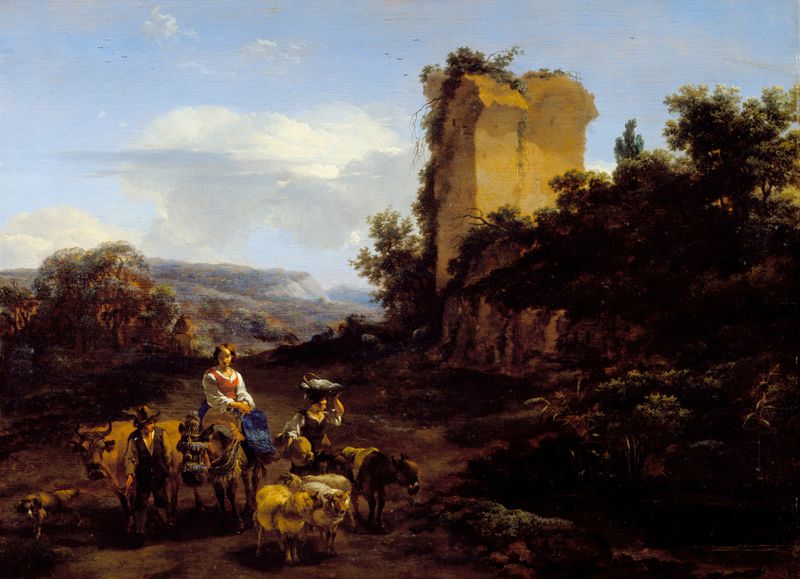
Landscape with Ruins and Travelers
Nicolaes Pietersz Berchem
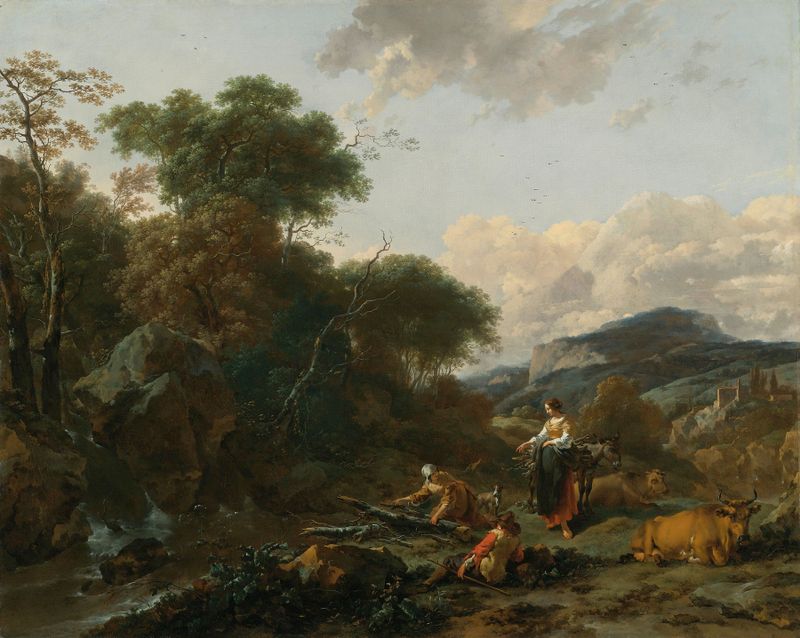
A Landscape With Figures
Nicolaes Pietersz Berchem
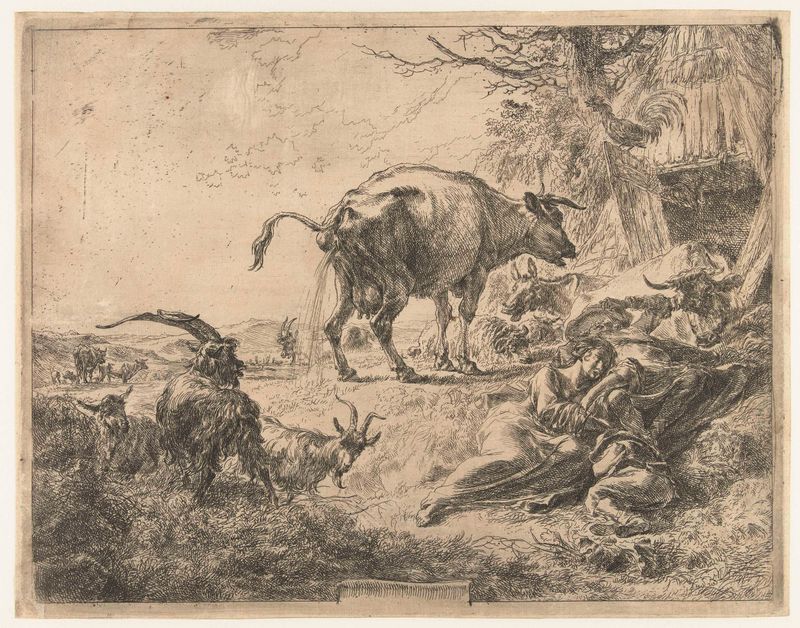
Slapende herdersfamilie en rustend vee
Nicolaes Pietersz Berchem
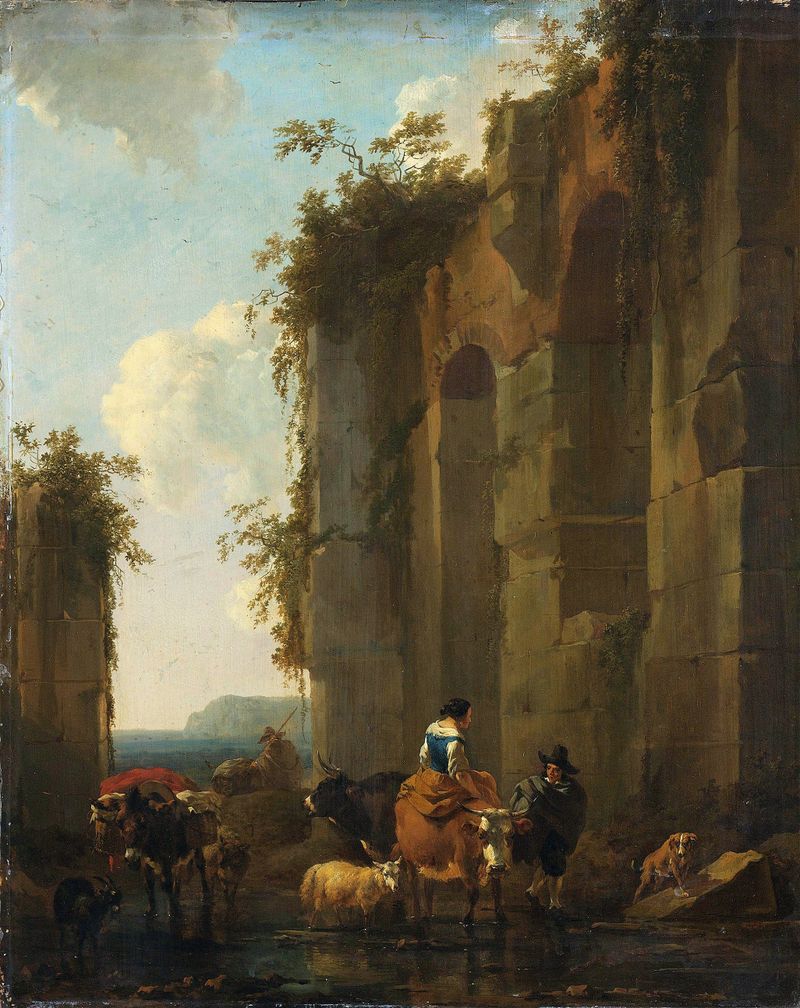
Ruins in Italy
Nicolaes Pietersz Berchem





