Zoologischer Garten München — History & Facts
A single flamingo, rendered in a bold, almost electric red, dominates the field of deep black in Zoologischer Garten München by Ludwig Hohlwein. The bird’s elongated neck curves in a perfect arc, echoing the elegance and strange geometry that made flamingos a favorite motif of early twentieth-century poster art. Every feather is reduced to a few sharp strokes, yet nothing is lost: the animal’s poise, its slightly bent knee, and the downward tilt of its beak create a sense of both stillness and alertness.
The eye is drawn first to the impossible brightness of the body, then down the impossibly long legs to the crisp, white letters announcing the Munich Zoo. This is not just an advertisement—it is an invitation, a promise that the exotic and the extraordinary await just beyond the city streets. Works like this were born in a world where the poster was king: in the early decades of the twentieth century, the streets of European cities became open-air galleries, and artists like Hohlwein transformed commercial commissions into icons of modern design. Farblithografie, or color lithography, allowed for these saturated, flat planes of color and sharp silhouettes, making images visible from a distance and unforgettable up close.
The poster’s confident minimalism and playful typography speak to the era’s fascination with both the natural world and the power of graphic art to shape public taste. Now part of the Sammlung Marc Wegner in Berlin, this sheet survives as a vivid trace of a time when a flamingo could stop a passerby in their tracks—just as it might stop you now.
More Artworks by Ludwig Hohlwein
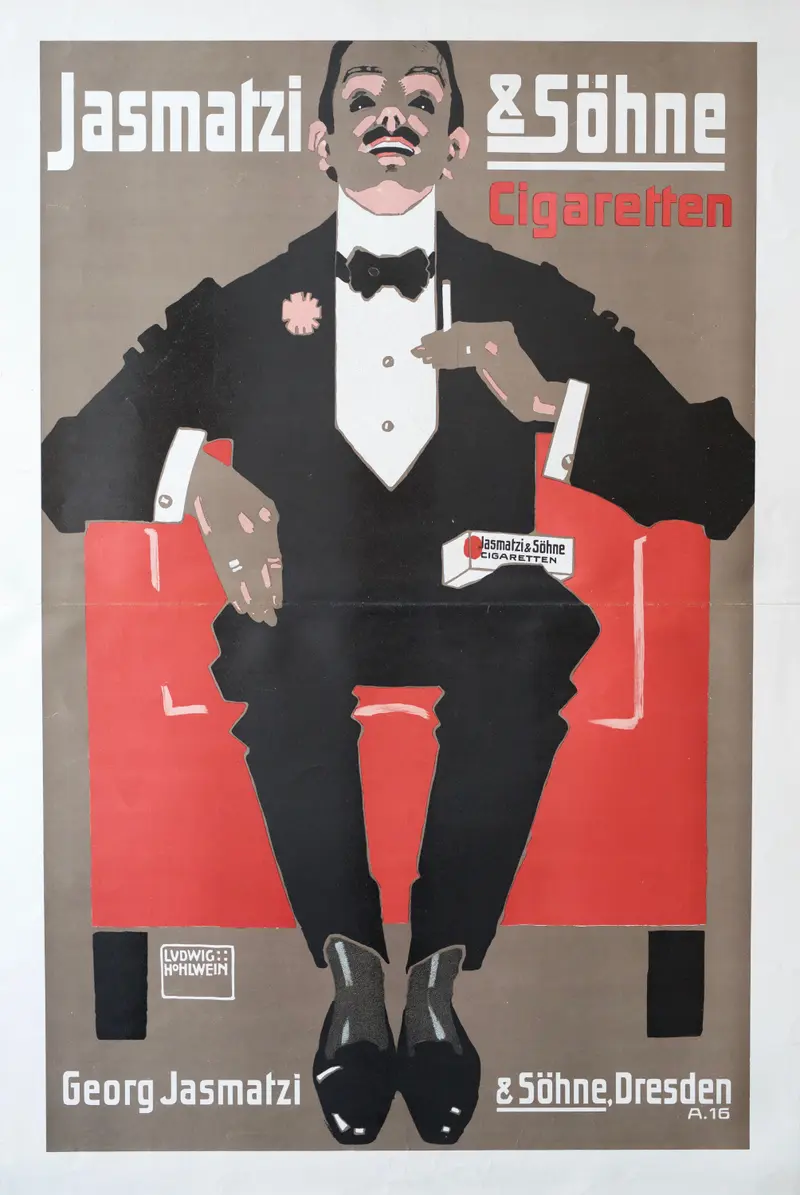
Jasmatzi & Söhne Zigaretten
Ludwig Hohlwein
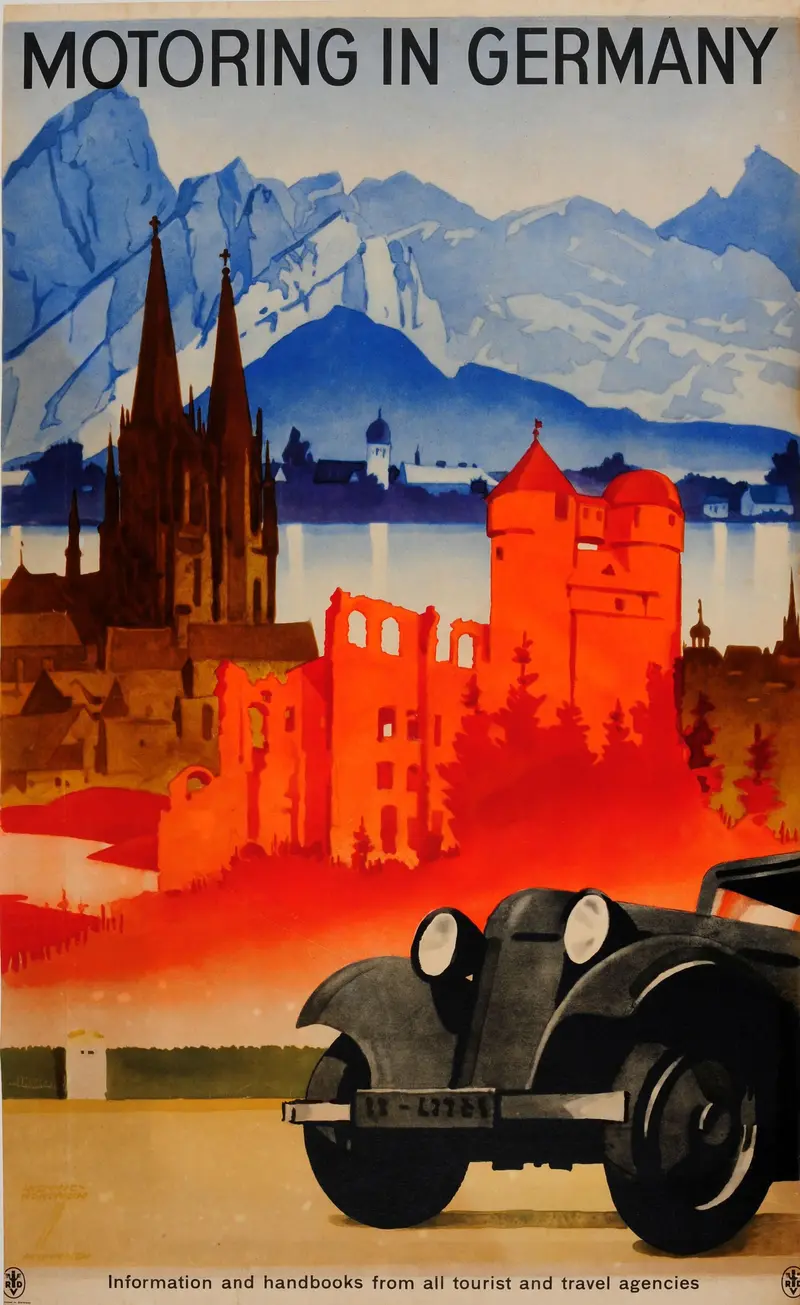
Motoring in Germany
Ludwig Hohlwein
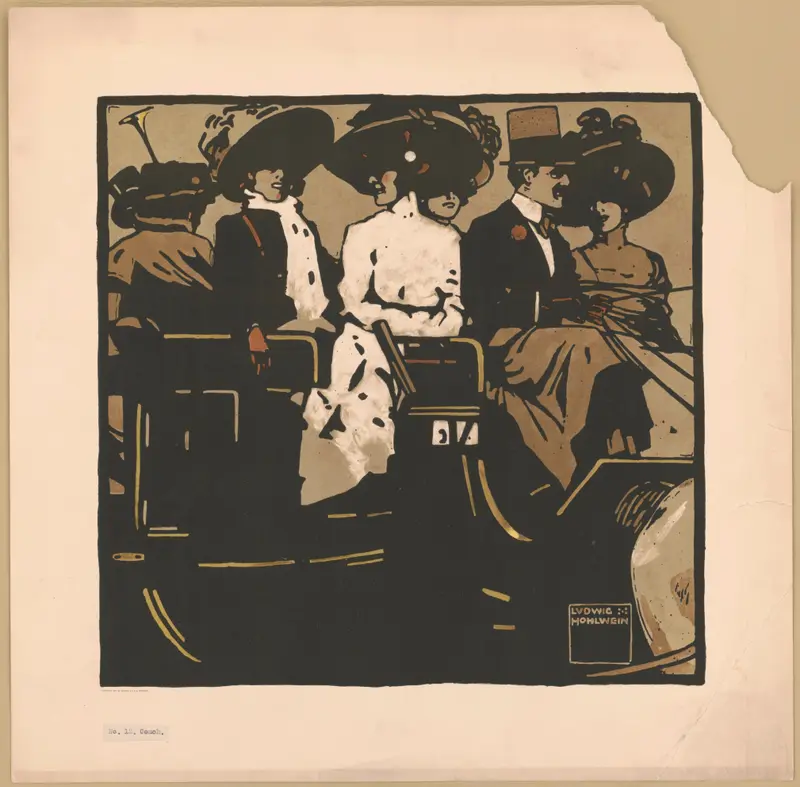
Coach (Turf)
Ludwig Hohlwein
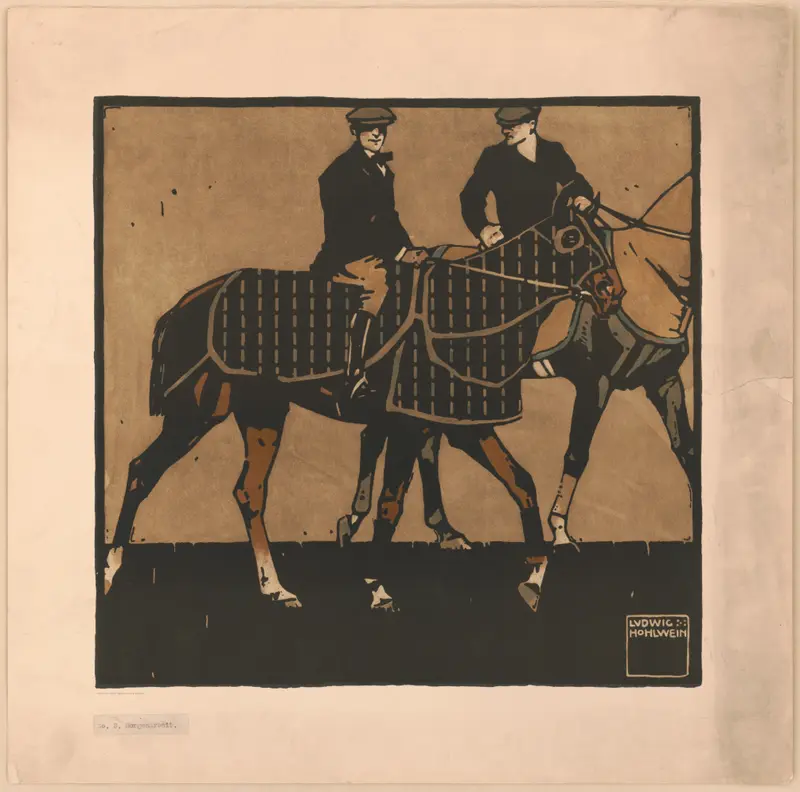
Morgenarbeit (Turf)
Ludwig Hohlwein
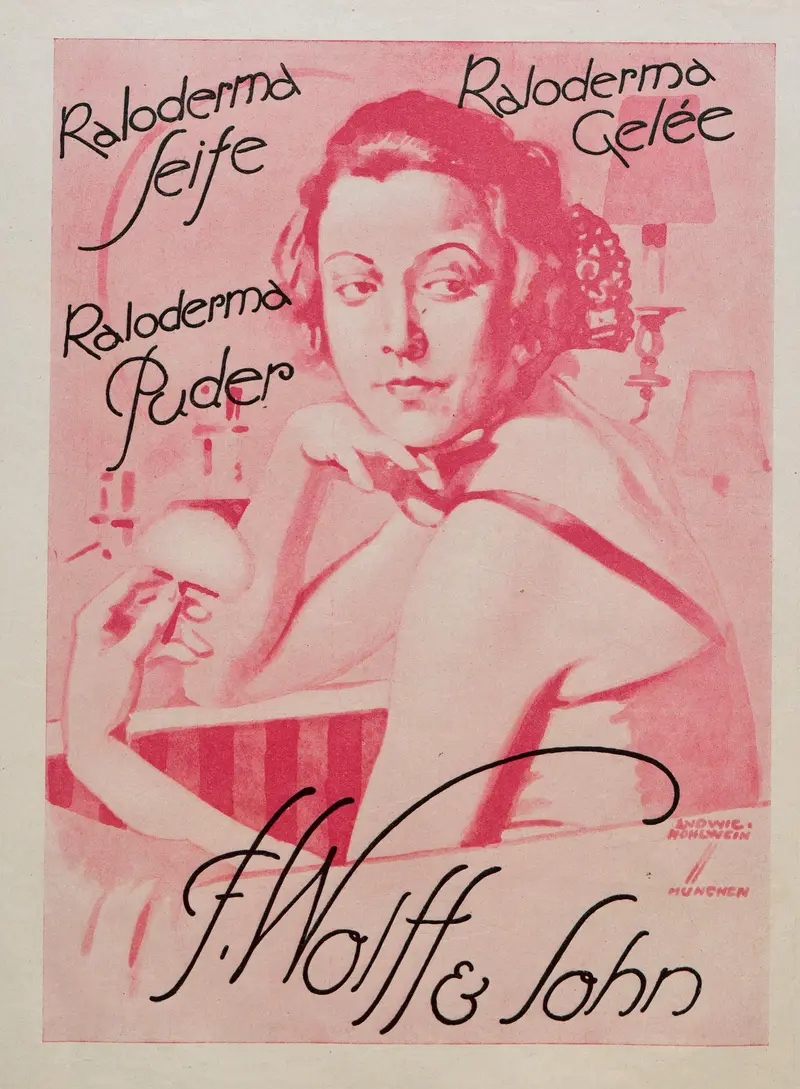
Kaloderma Seife, Gelée, Puder
Ludwig Hohlwein
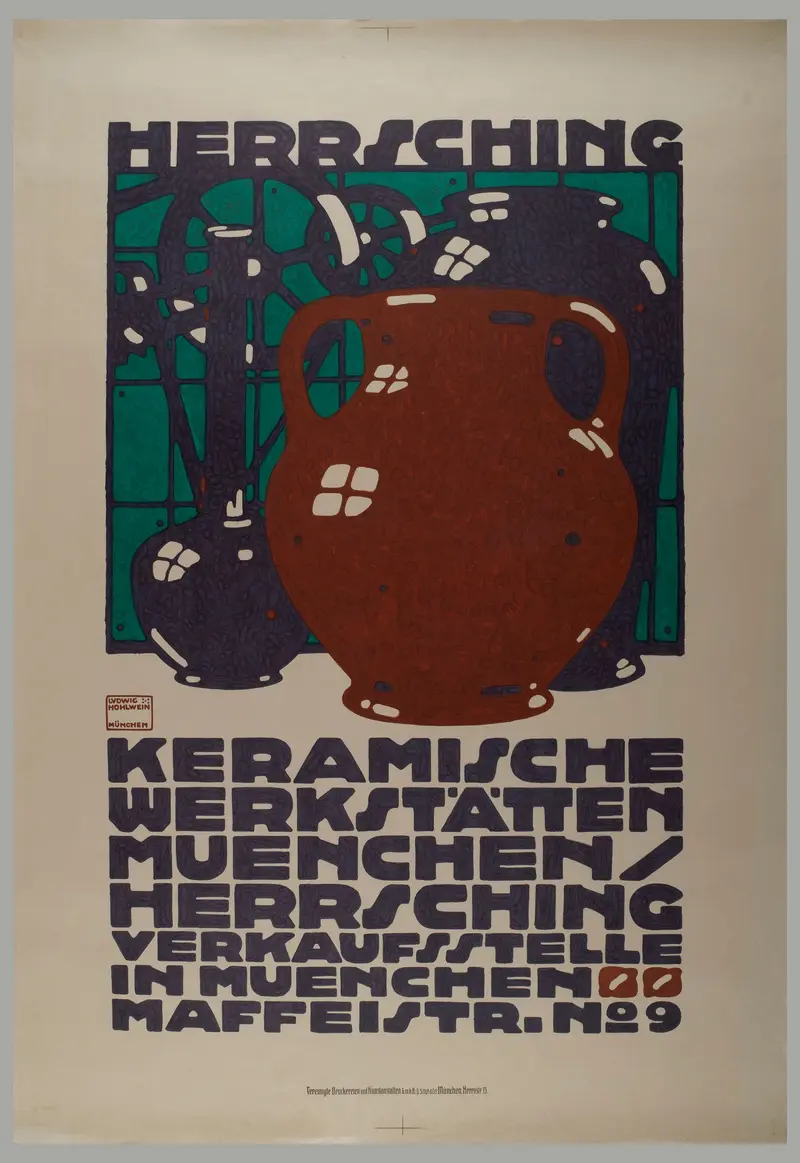
Keramische Werkstätten München-Herrsching
Ludwig Hohlwein
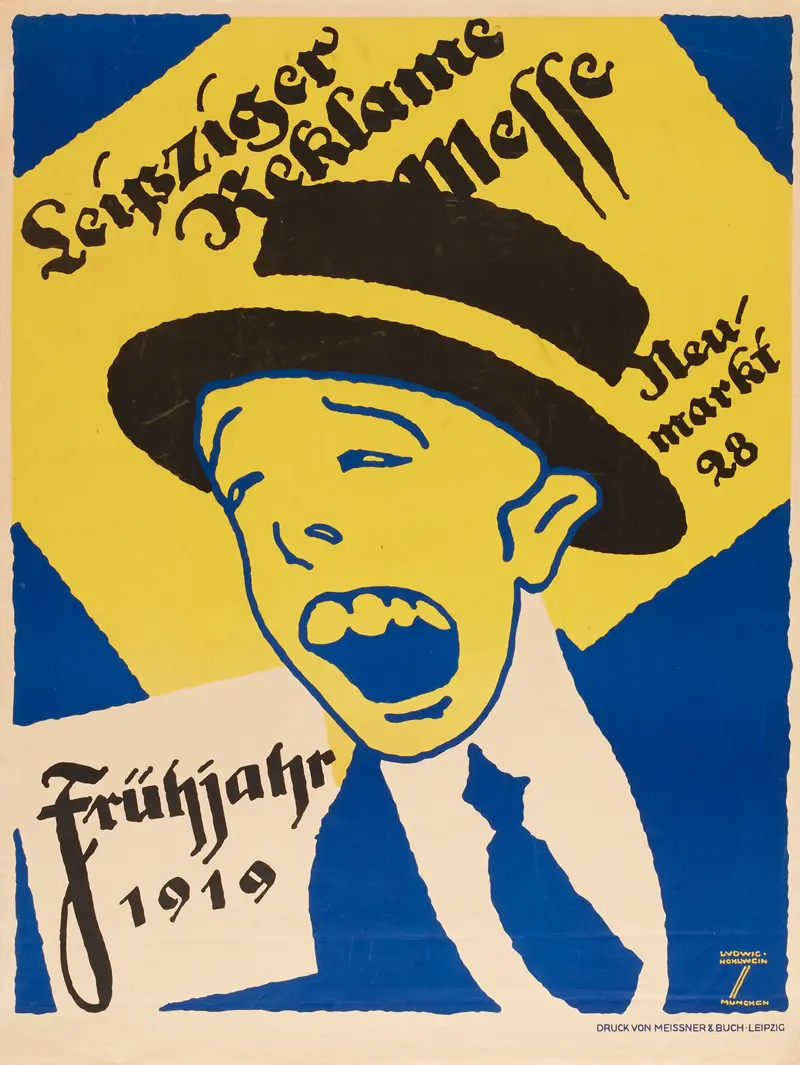
Leipziger Reklame-Messe, Frühjahr 1919
Ludwig Hohlwein
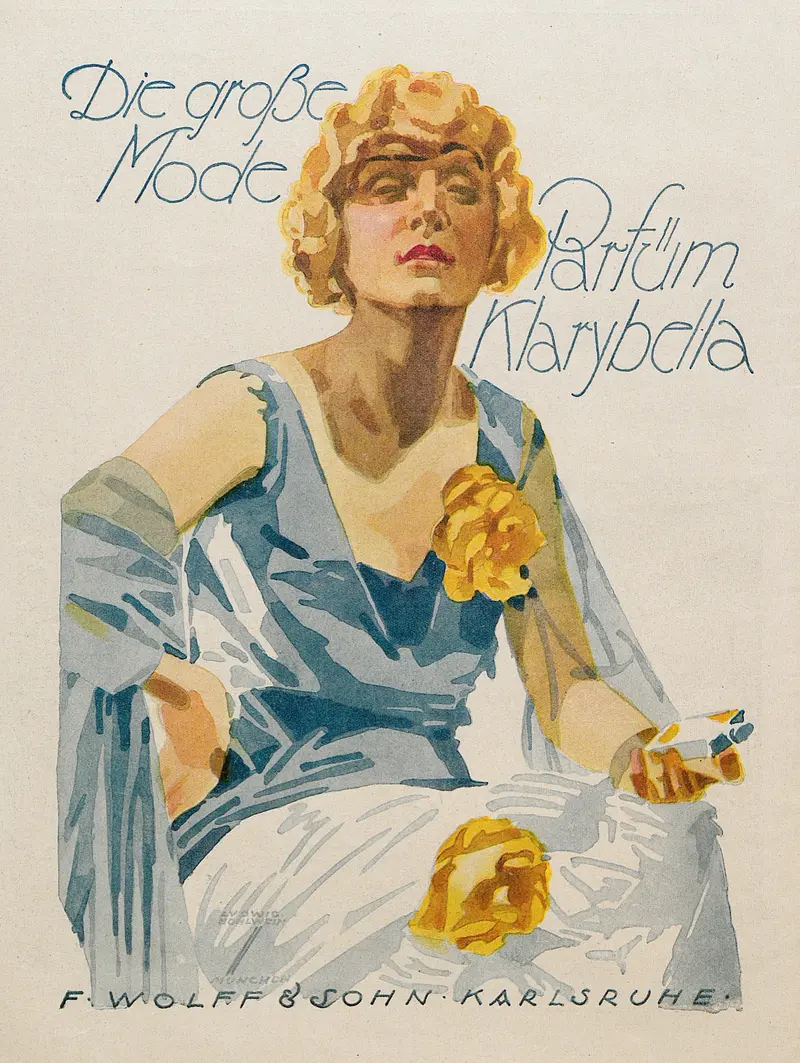
Parfüm Klarybella
Ludwig Hohlwein
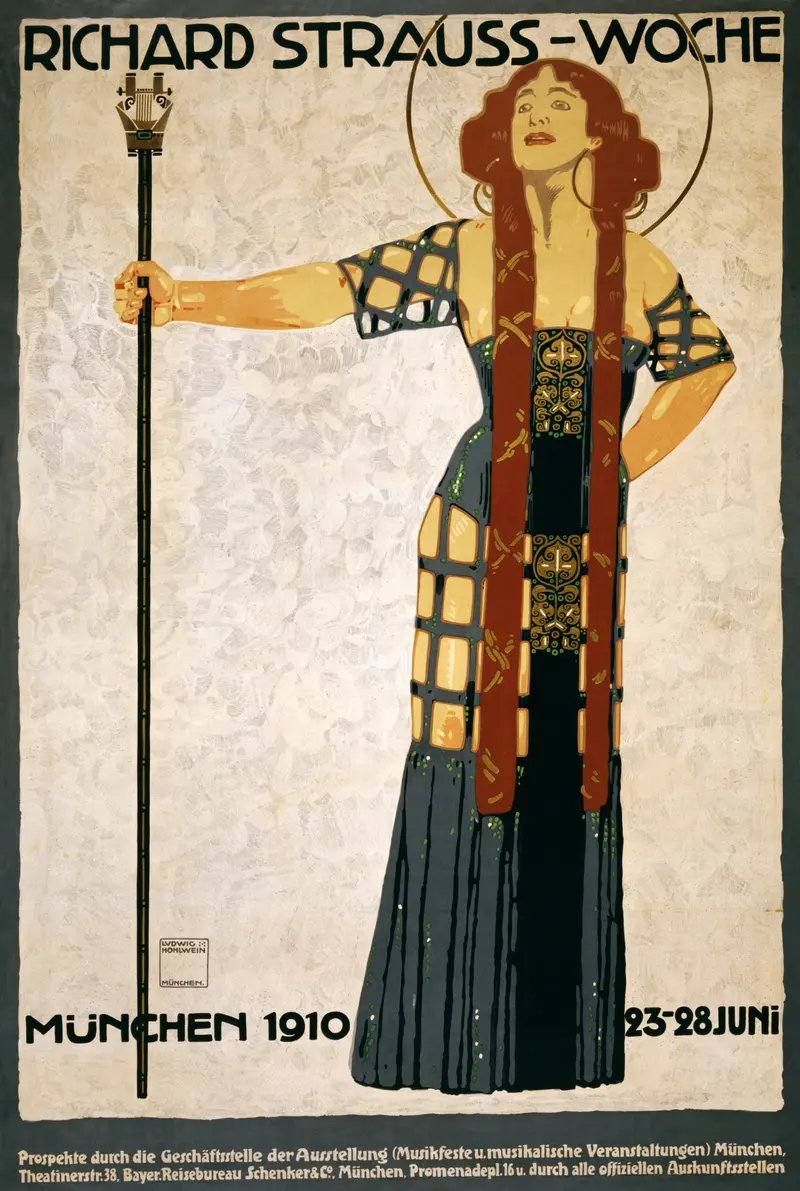
Richard Strauss-Woche, München 1910
Ludwig Hohlwein
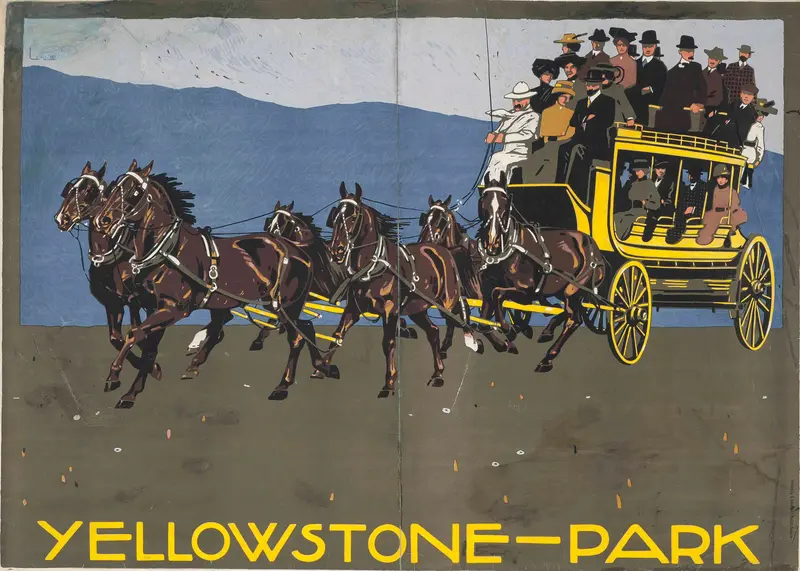
Yellowstone Park
Ludwig Hohlwein