
11. Plafond du Tombeau D’amenemant (n° 58), 12. Plafond du Tombeau D’amenheb (n° 90) — History & Facts
When did color learn to lie? This question resonates deeply within the confines of Gustave Jéquier’s intricate work, evoking an obsession that dances between truth and illusion. Look to the swirling patterns woven into the ornate ceilings, where vibrant blues and deep golds engage in a delicate interplay. Notice how the meticulous brushwork creates a sense of movement, inviting your gaze to follow the ornate motifs as they spiral outward from the center, imbuing the space with a celestial harmony. The juxtaposition of rich colors against the stark background breathes life into the scene, revealing Jéquier's masterful control over light and composition. Beneath the surface, an emotional tension simmers—the vibrant hues suggest vitality and celebration, yet they are encased within the solemnity of the tombs.
The interplay between the bright detailing and the shadowy recesses evokes an awareness of mortality, reminding us of the transient nature of life. Each motif whispers secrets of obsession—obsession with beauty, legacy, and the ephemeral, as they intertwine in a haunting yet alluring embrace. In 1911, Jéquier was deeply immersed in the revival of ancient decorative arts, finding inspiration in archaeological discoveries and classical themes. This period marked a renaissance of interest in color and design, a movement that sought to bridge the gap between the past and contemporary sensibilities.
The artist’s exploration of these vaulted ceilings represents a culmination of both personal and collective pursuits, a testament to a time where history and artistry coalesced into a singular, transcendent vision.
More Artworks by Gustave Jéquier
Browse all →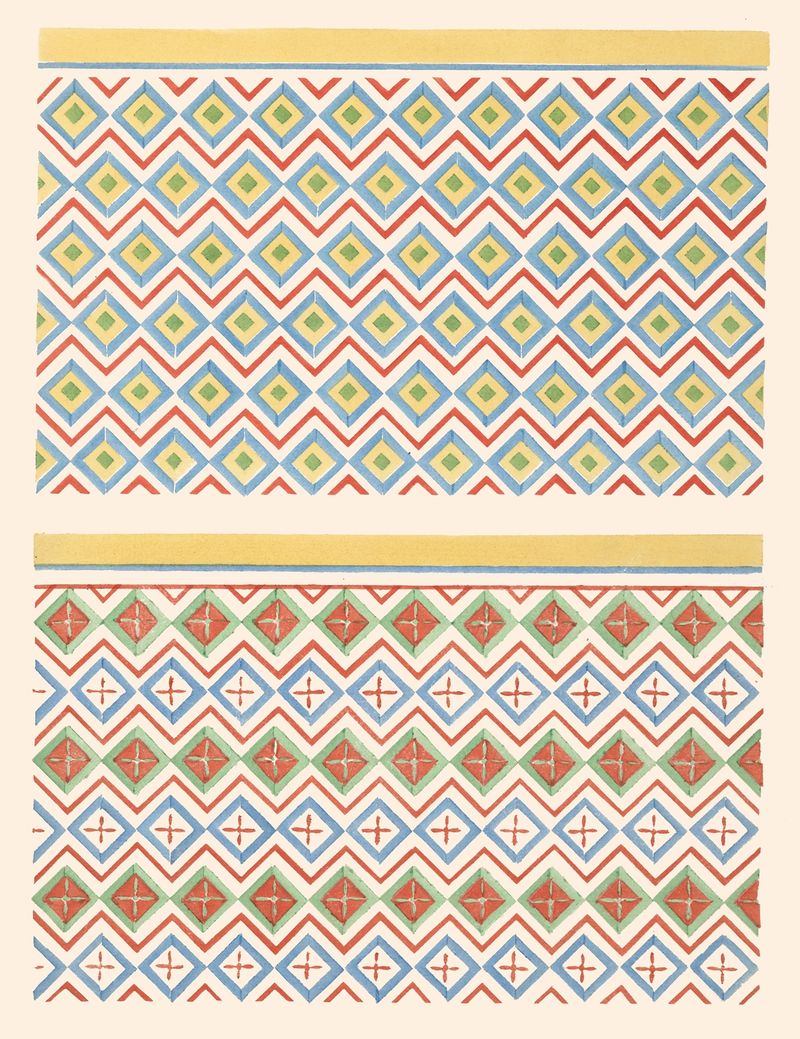
9. Plafond du Tombeau de Hapousenb (n° 67), 10. Plafond du Tombeau D’amounzeh (n° 84)
Gustave Jéquier
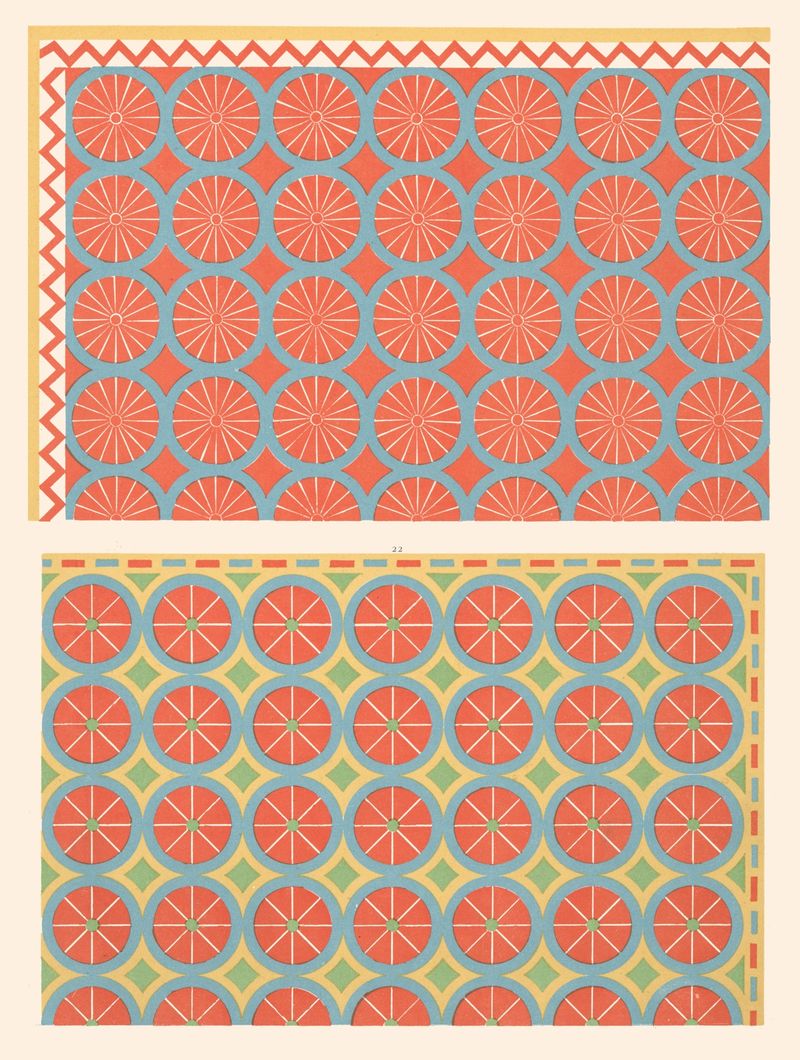
22. Plafond du Tombeau de Hiq-er-Neheh (n°64), 23. Plafond du Tombeau de Tenna (n° 76)
Gustave Jéquier
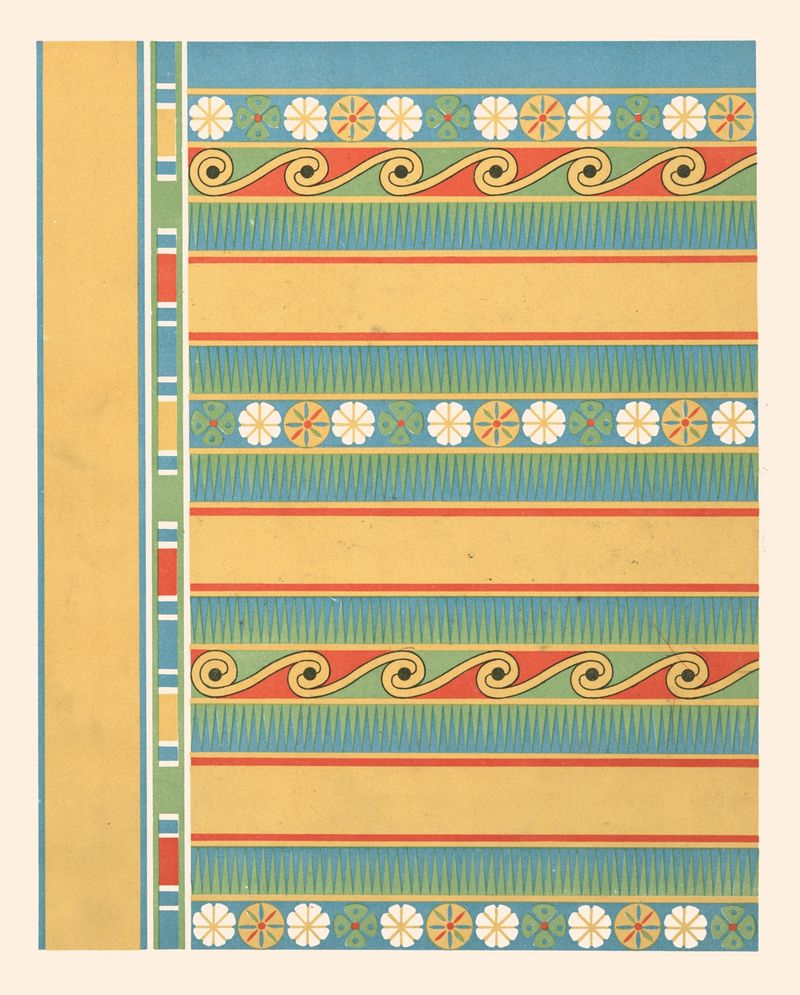
49. Plafond du Tombeau de Nesi-pa-Noferher (n° 68)
Gustave Jéquier
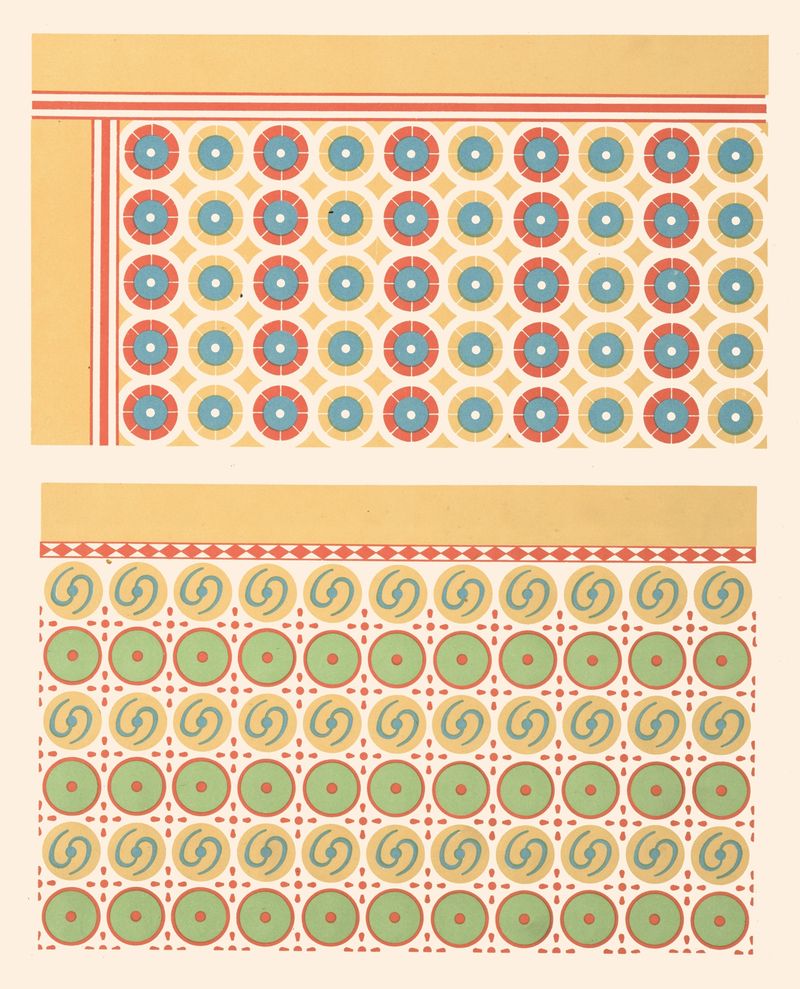
20. Plafond du Tombeau D’amenheb (n° 90), 21. Plafond du Tombeau de Menkheper (n° 79)
Gustave Jéquier
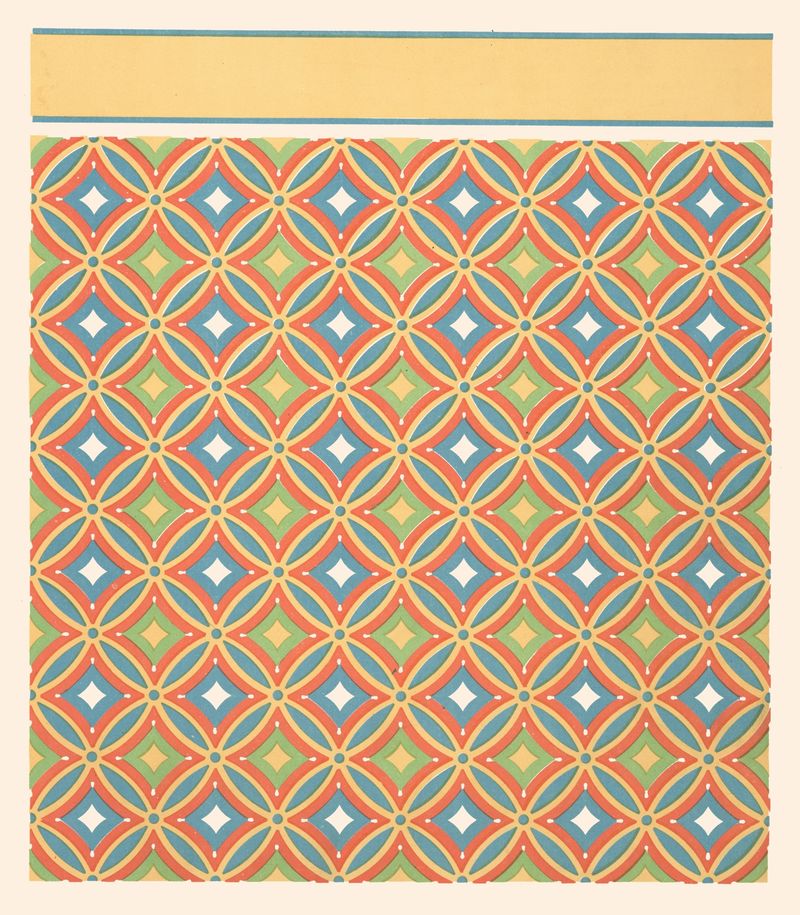
29. Plafond du Tombeau D’amenemhat (n° 82)
Gustave Jéquier
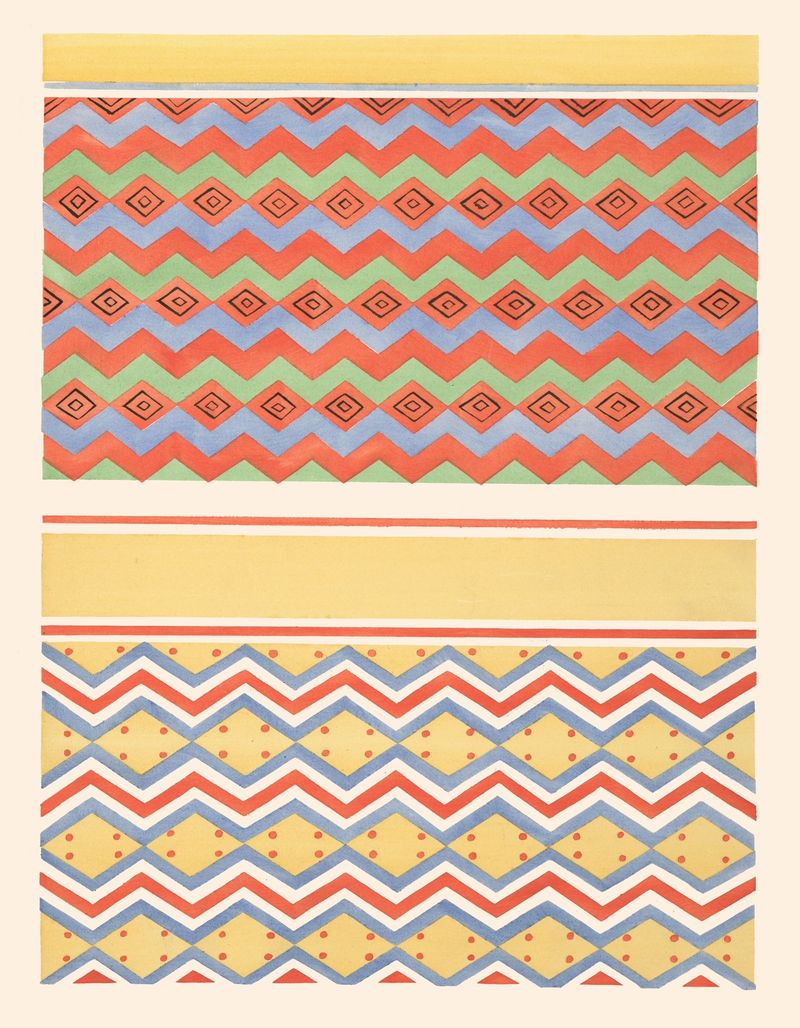
5. Plafond du Tombeau D’amounzeh (° 84), 6. Plafond du Tombeau D’amenemheb
Gustave Jéquier
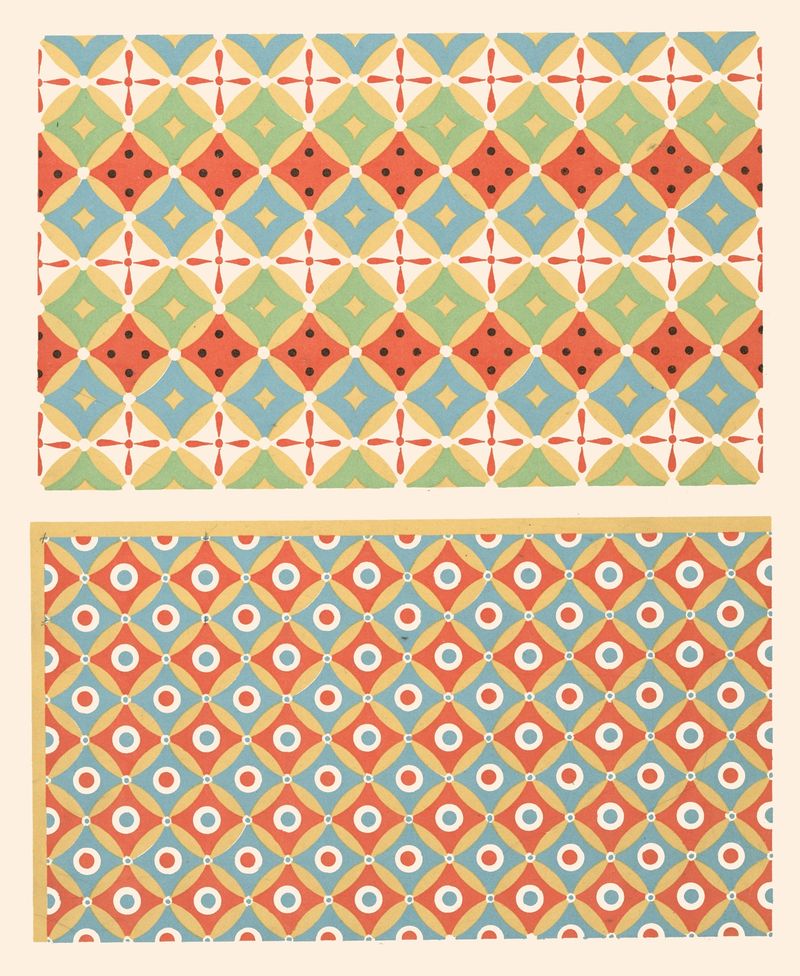
27. Plafond du Tombeau de Nekht-Mîn (n° 87), 28. Plafond du Tombeau n° 91 (Anonyme)
Gustave Jéquier
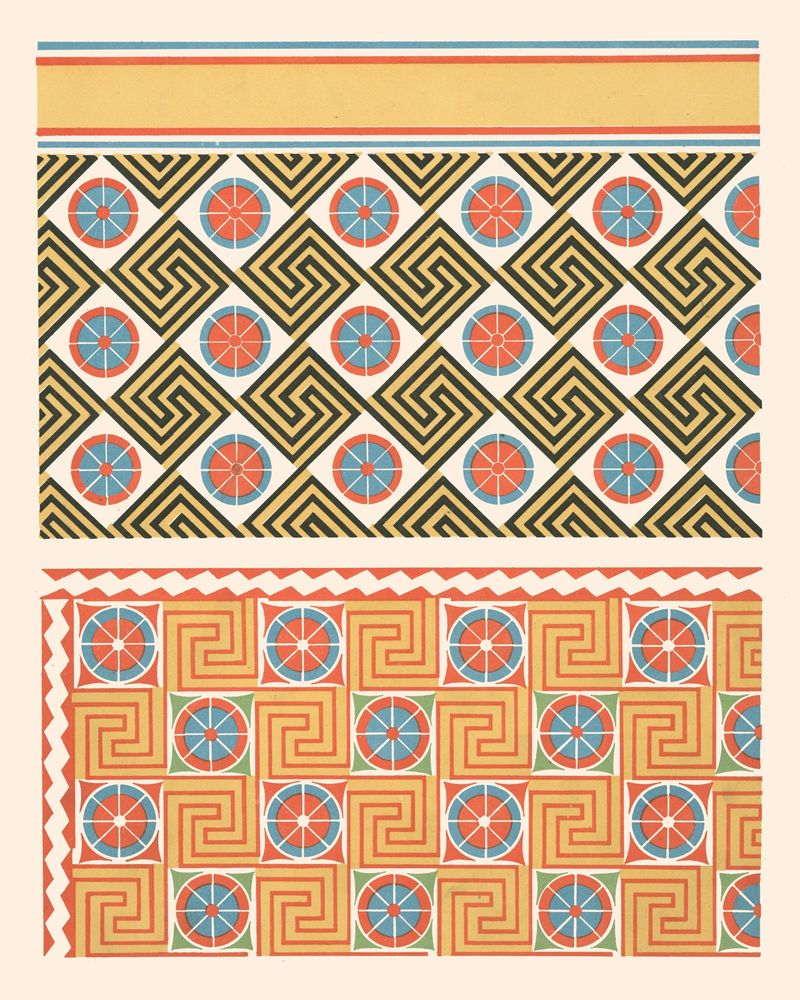
38. Plafond du Tombeau D’anna (n° 81), 39. Plafond du Tombeau de Senmout (n° 71)
Gustave Jéquier
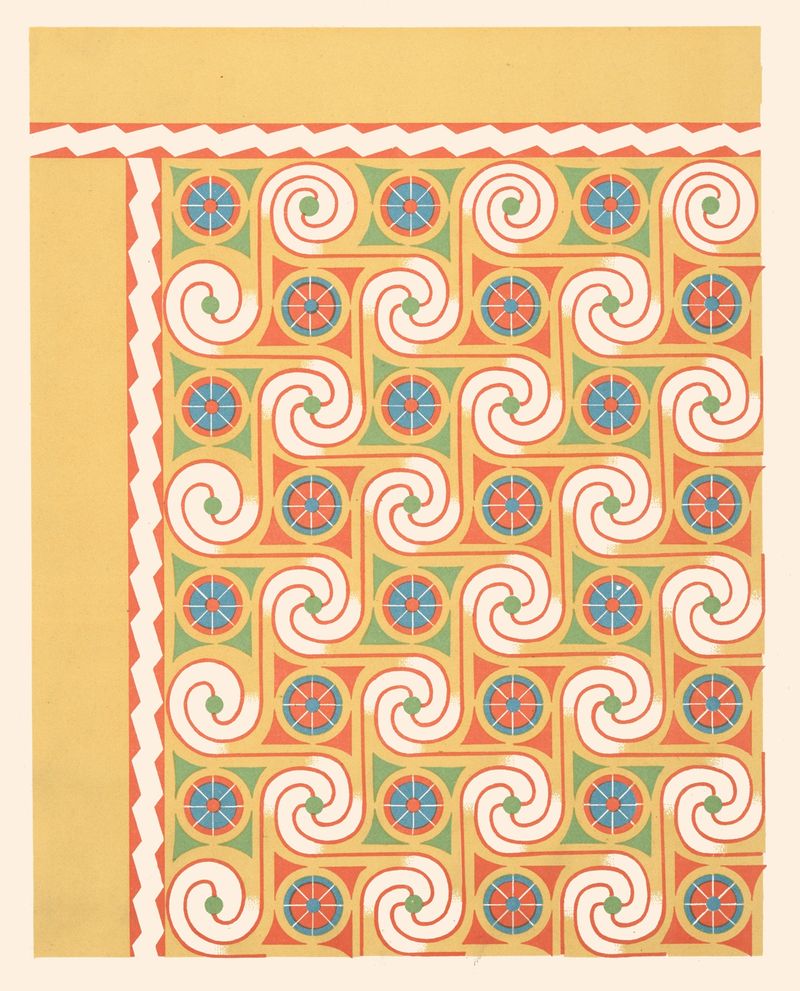
34. Plafond du Tombeau de Senmout (n° 71)
Gustave Jéquier
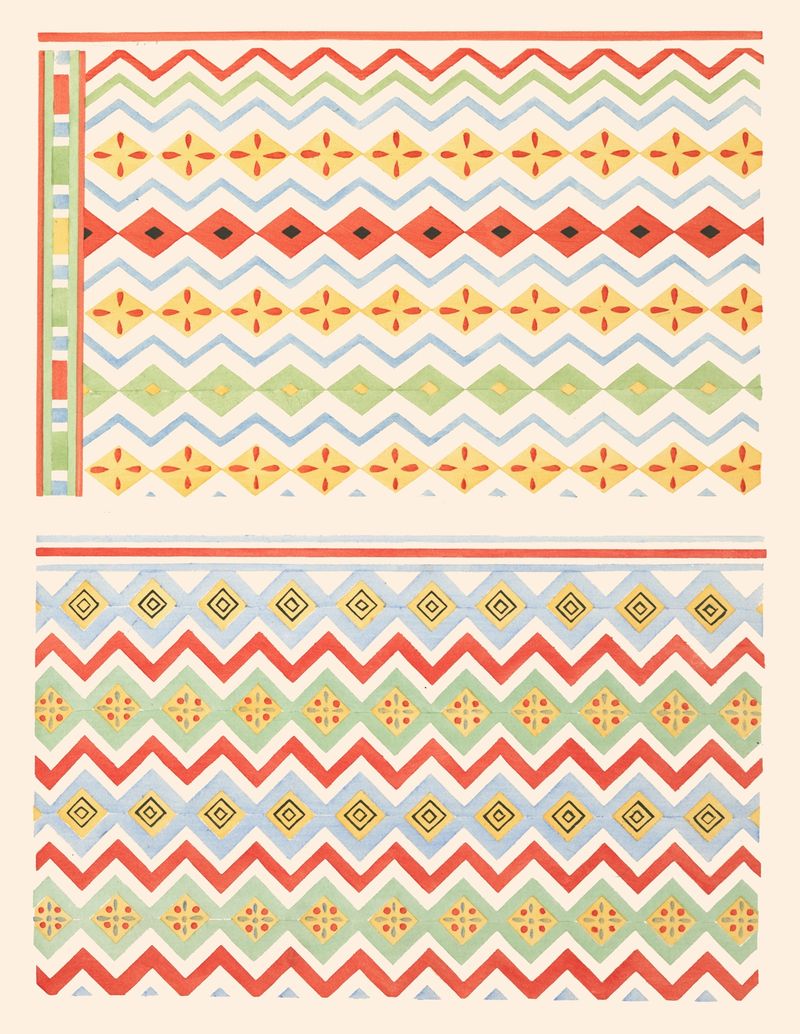
7. Plafond du Tombeau D’amenemant (n° 58), 8. Plafond du Tombeau de Pehsoukehr (n° 88)
Gustave Jéquier
More Architecture Art
Browse all →
The statue of Liberty
Frédéric Auguste Bartholdi

View of Houses in Delft, Known as ‘The Little Street’
Johannes Vermeer

View of Houses in Delft, Known as ‘The Little Street’
Johannes Vermeer

The Cathedral in Rouen. The portal, Grey Weather
Claude Monet

The yellow house
Vincent van Gogh

The Church in Auvers-sur-Oise, View from the Chevet
Vincent van Gogh