
45. Plafond du Tombeau de Nesi-pa Noferher (n° 68) — History & Facts
In its stillness, it captures the delicate balance of existence, portraying fragility in ways words cannot capture. Through the soft interplay of textures and colors, it invites contemplation, urging us to ponder the ephemeral nature of life itself. Look to the center of the work, where intricate details of the tomb’s ceiling unravel before you. Notice the delicate motifs that swirl and dance within the confines of a muted palette, softly illuminated by an invisible light source.
The careful brushwork draws the eye to the patterns, where gold accents glimmer like whispered secrets, suggesting both reverence and decay. Each stroke is a testament to the artist's meticulous craftsmanship, as form and color harmoniously converge to evoke a sense of sacredness. Yet beneath the surface of this heavenly ceiling lies a tension between grandeur and transience. The ornate designs, while striking, hint at the inevitable passage of time, reminding viewers of the fragility inherent in both existence and memory.
The delicate balance struck between beauty and impermanence invites a deeper reflection on mortality — an awareness that what we cherish may not last forever. Gustave Jéquier created this masterpiece in 1911, during a time when the art world was embracing modernity while still holding onto traditional forms. Living in Paris, Jéquier navigated an era marked by rapid change, yet his focus on the ancient and the sacred allowed him to bridge the past with contemporary thought. The work reflects both personal introspection and a broader evolution in artistic sensibilities, capturing the delicate essence of life and artistry.
More Artworks by Gustave Jéquier
Browse all →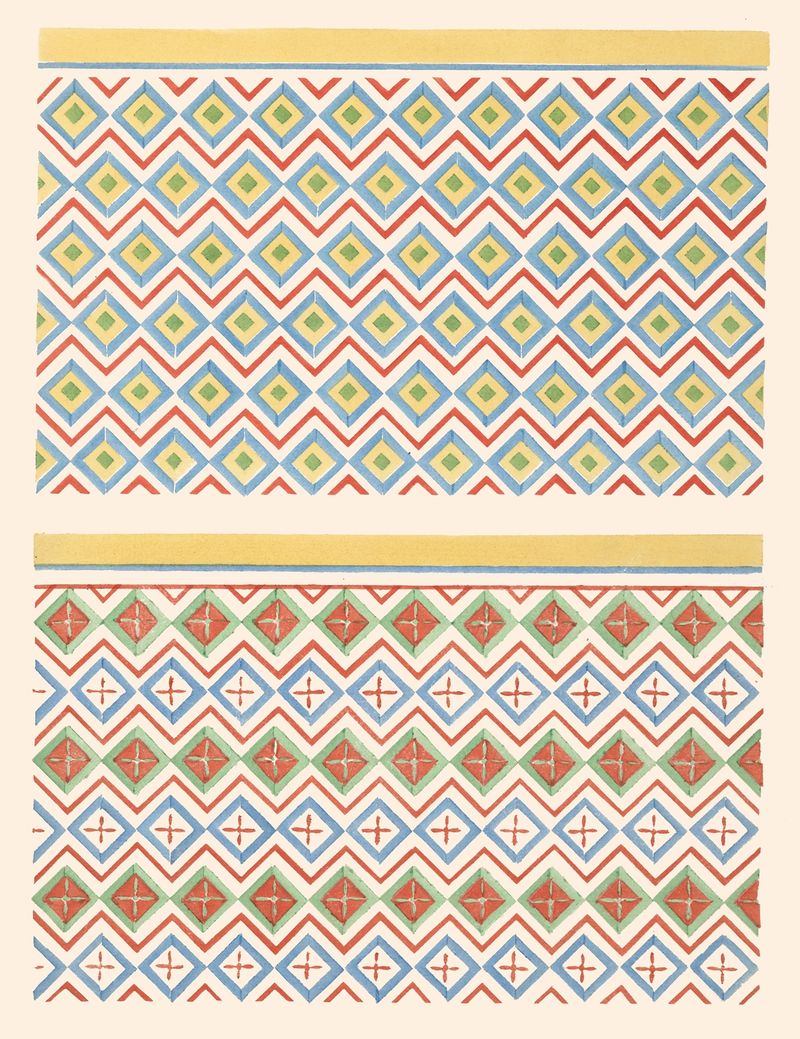
9. Plafond du Tombeau de Hapousenb (n° 67), 10. Plafond du Tombeau D’amounzeh (n° 84)
Gustave Jéquier
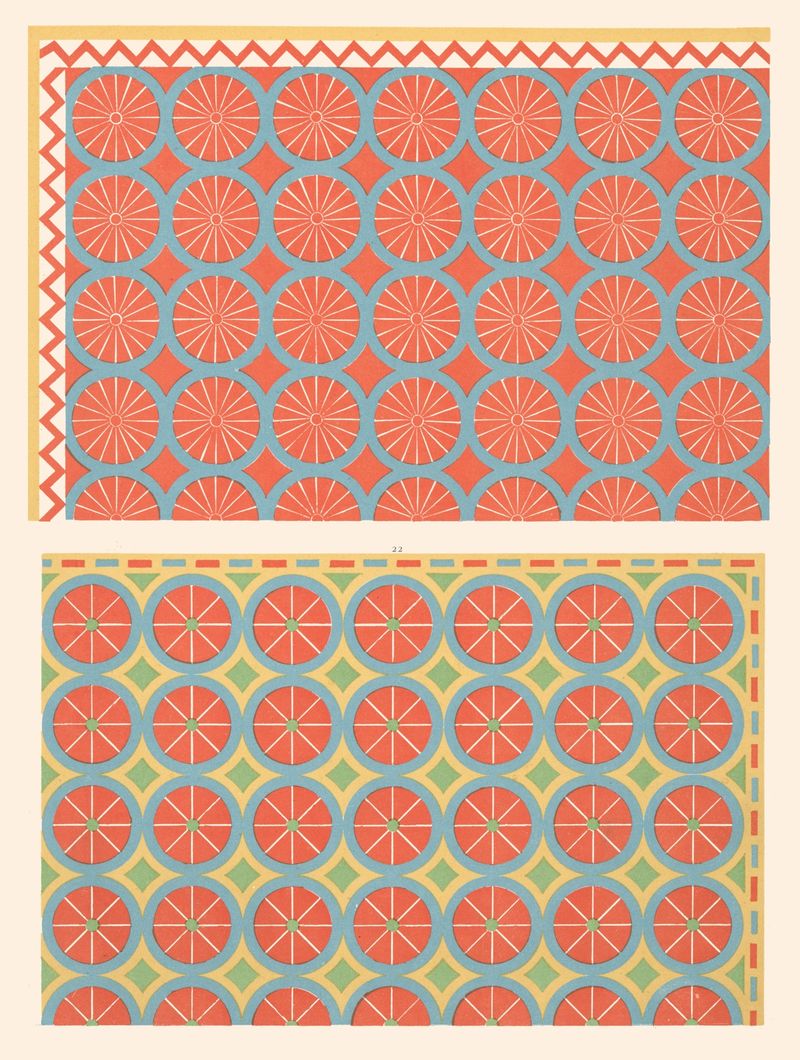
22. Plafond du Tombeau de Hiq-er-Neheh (n°64), 23. Plafond du Tombeau de Tenna (n° 76)
Gustave Jéquier
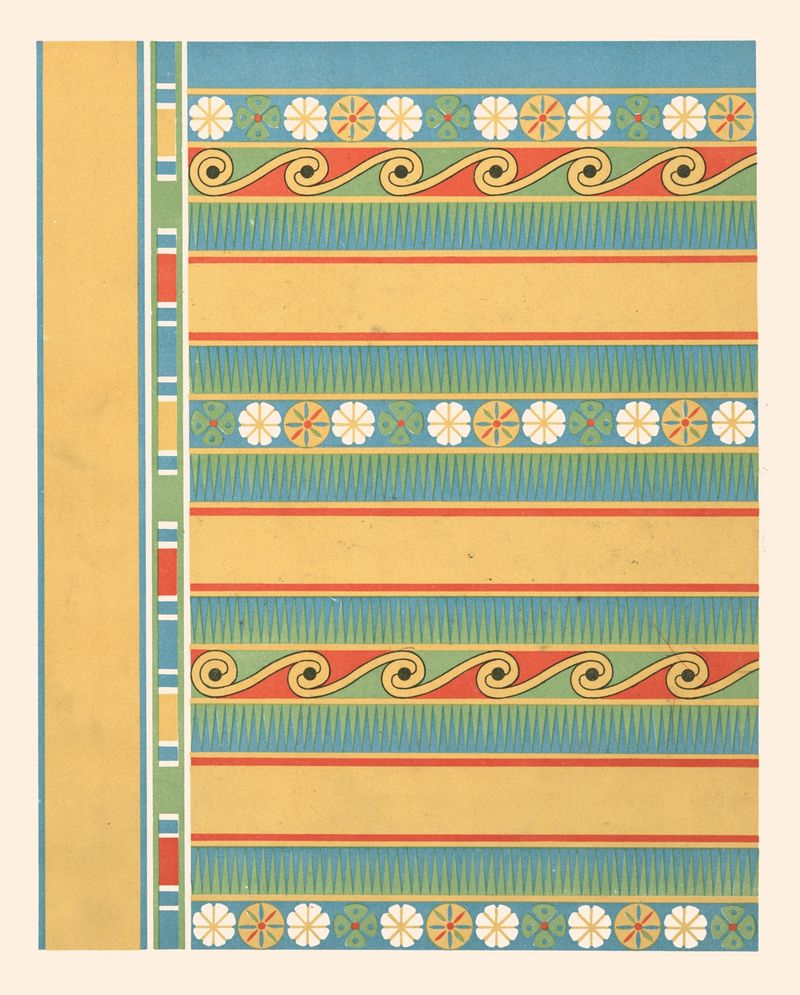
49. Plafond du Tombeau de Nesi-pa-Noferher (n° 68)
Gustave Jéquier
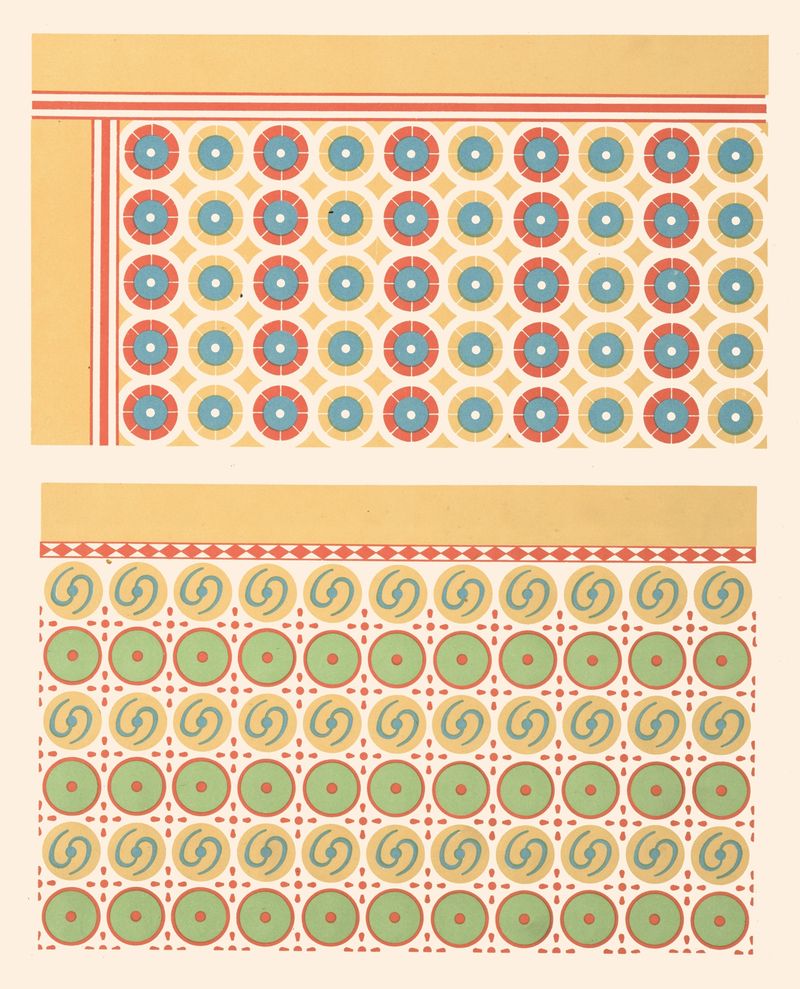
20. Plafond du Tombeau D’amenheb (n° 90), 21. Plafond du Tombeau de Menkheper (n° 79)
Gustave Jéquier
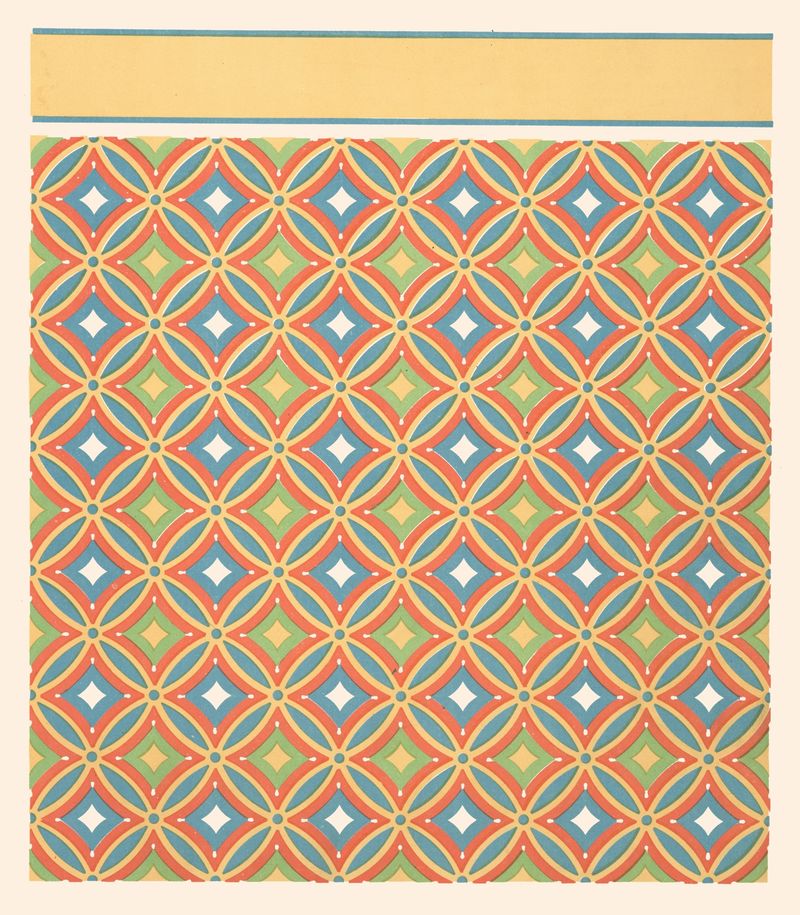
29. Plafond du Tombeau D’amenemhat (n° 82)
Gustave Jéquier
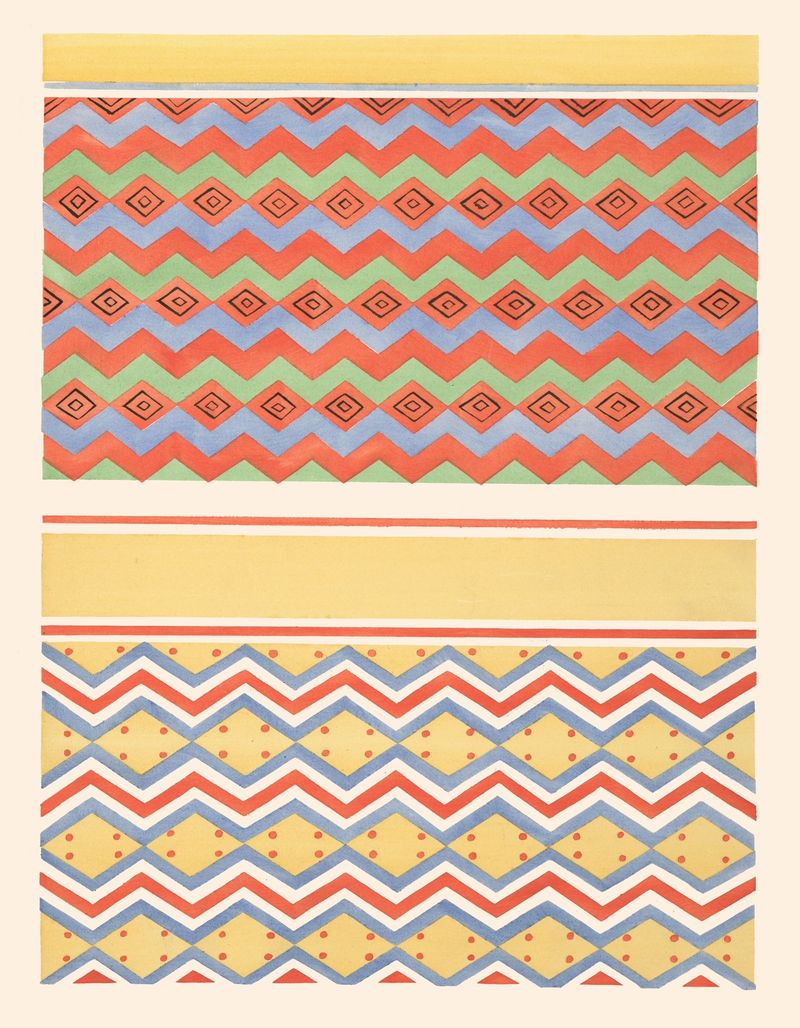
5. Plafond du Tombeau D’amounzeh (° 84), 6. Plafond du Tombeau D’amenemheb
Gustave Jéquier
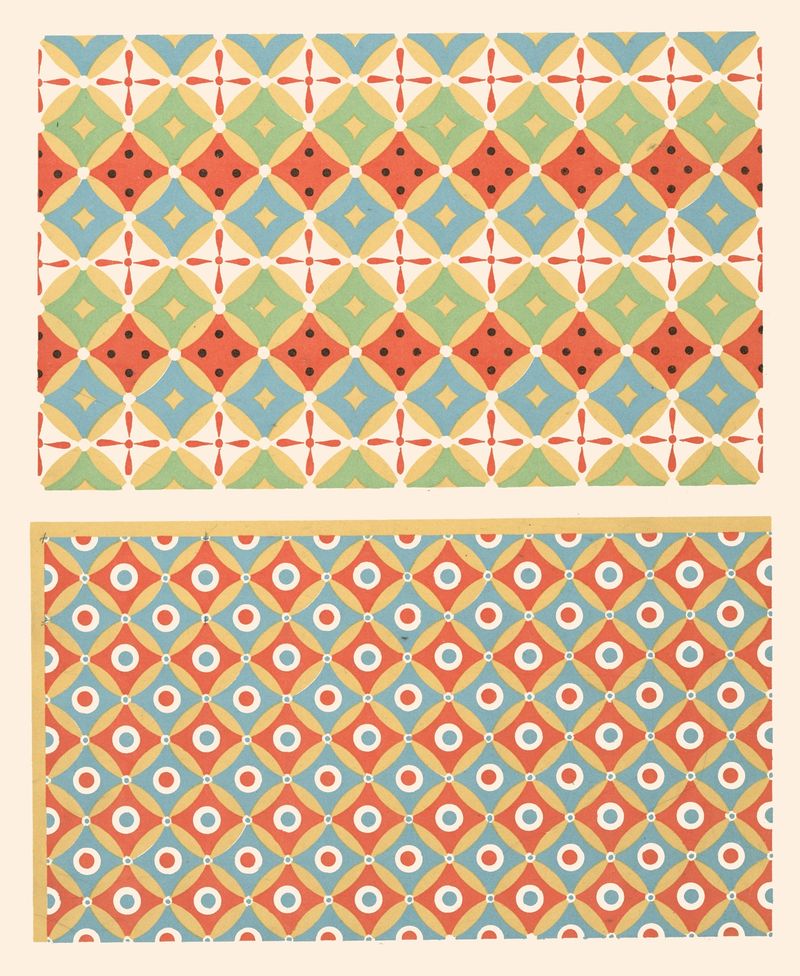
27. Plafond du Tombeau de Nekht-Mîn (n° 87), 28. Plafond du Tombeau n° 91 (Anonyme)
Gustave Jéquier
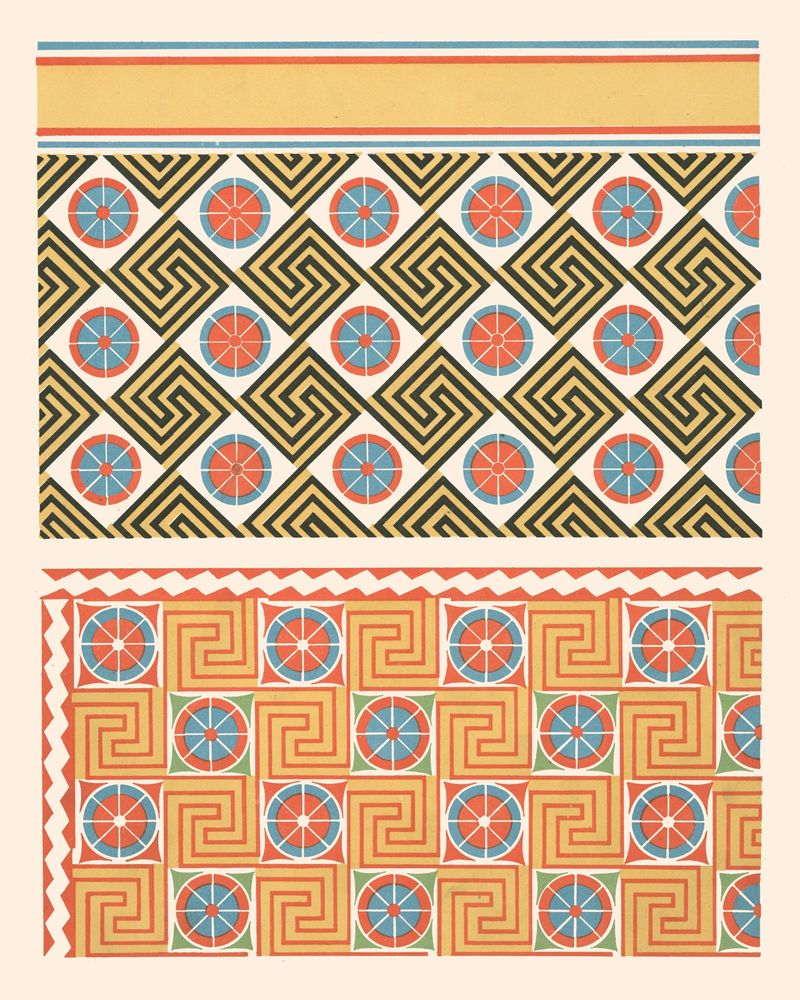
38. Plafond du Tombeau D’anna (n° 81), 39. Plafond du Tombeau de Senmout (n° 71)
Gustave Jéquier
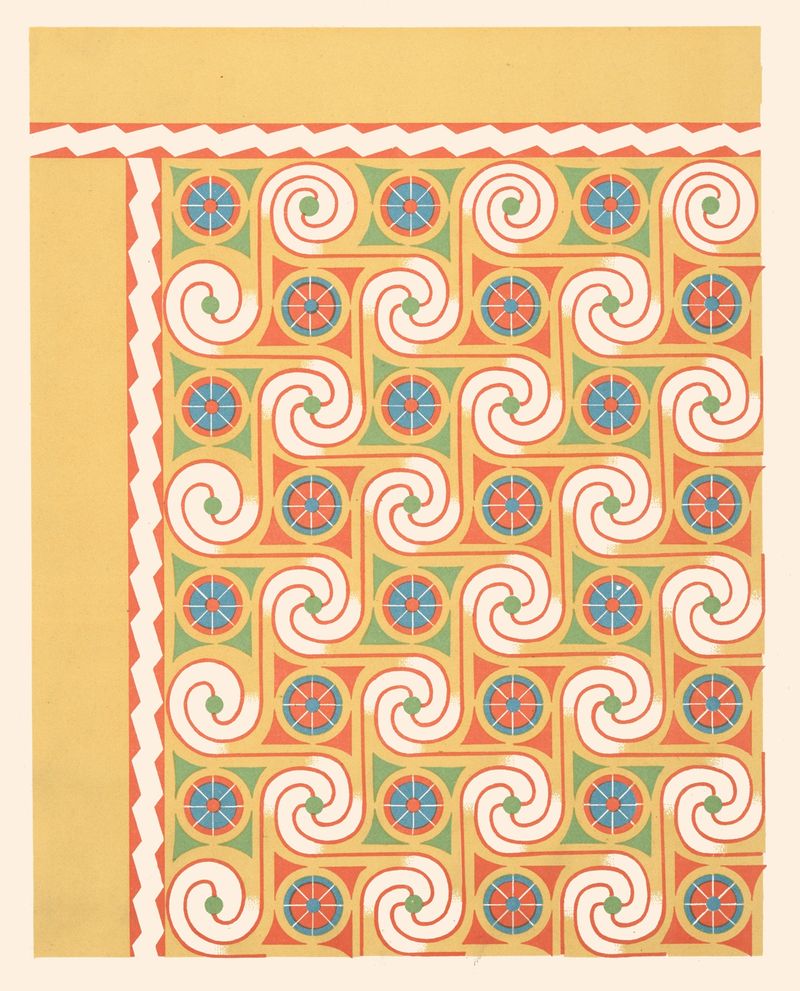
34. Plafond du Tombeau de Senmout (n° 71)
Gustave Jéquier
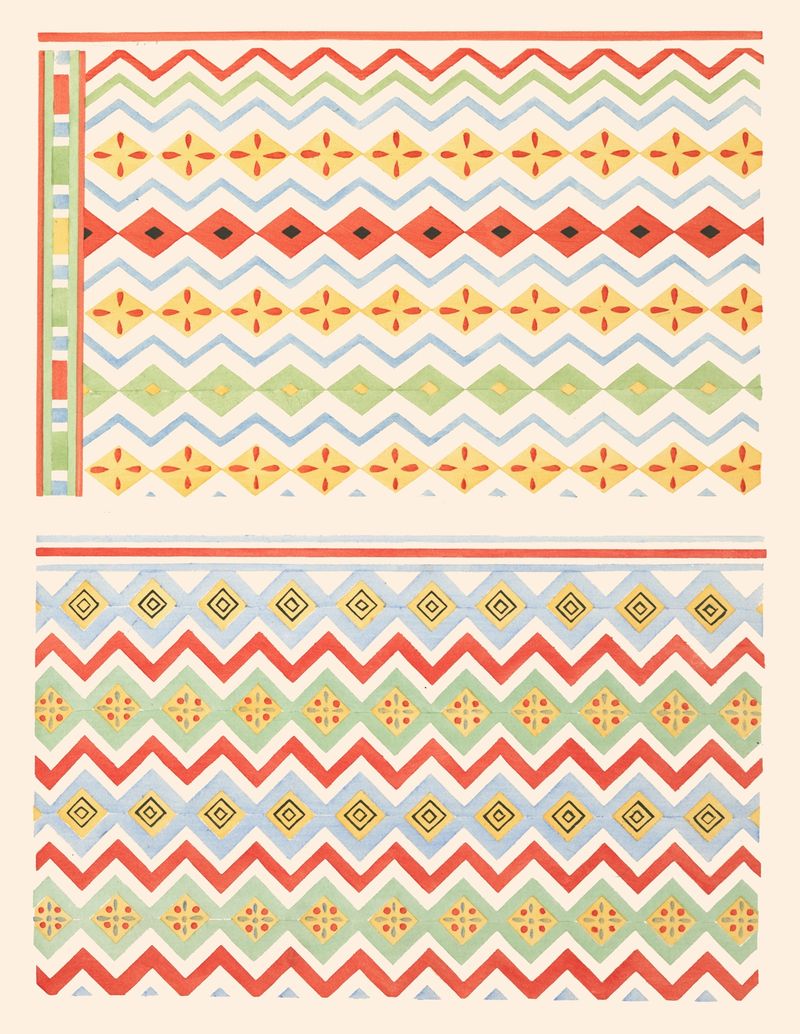
7. Plafond du Tombeau D’amenemant (n° 58), 8. Plafond du Tombeau de Pehsoukehr (n° 88)
Gustave Jéquier
More Architecture Art
Browse all →
The statue of Liberty
Frédéric Auguste Bartholdi

View of Houses in Delft, Known as ‘The Little Street’
Johannes Vermeer

View of Houses in Delft, Known as ‘The Little Street’
Johannes Vermeer

The Cathedral in Rouen. The portal, Grey Weather
Claude Monet

The yellow house
Vincent van Gogh

The Church in Auvers-sur-Oise, View from the Chevet
Vincent van Gogh