
48. Plafond du Tombeau de Nesi-pa-Noferher (n° 68) — History & Facts
This notion lingers in the air as we contemplate the intricate detail and luminous quality of this work from 1911. Each element whispers of a history layered with complexity, where light becomes a character in its own right, weaving connections between what we see and what we feel. Focus on the delicate interplay of light within the painting. The golden hues that glisten across the surface invite your eyes to dance from the center outward, revealing complex motifs and hieroglyphs meticulously crafted to honor the deceased.
Notice how the light captures textures, transforming rigid glyphs into living forms that seem to pulse with a quiet energy, echoing the memory of those who once inhabited this now-sacred space. Beneath the surface beauty, hidden tensions emerge. The juxtaposition of the vibrant gold against deeper shadows evokes a sense of both reverence and melancholy, suggesting that the splendor of the afterlife is often accompanied by the weight of loss. Each symbol, rich in meaning, serves as a poignant reminder of the fragility of existence, hinting at the eternal questions of mortality and remembrance. Created in the early 20th century, this work by Gustave Jéquier emerged during a time when artists were increasingly fascinated by the intersection of ancient cultures and modern expression.
Living in Switzerland, Jéquier was deeply influenced by his archaeological studies and his travels in Egypt, where he encountered the rich legacy of pharaonic artistry. This painting captures not only a moment in time but embodies the artist's dedication to his craft and his respect for the ancients, inseparable from the evolving world of art that surrounded him.
More Artworks by Gustave Jéquier
Browse all →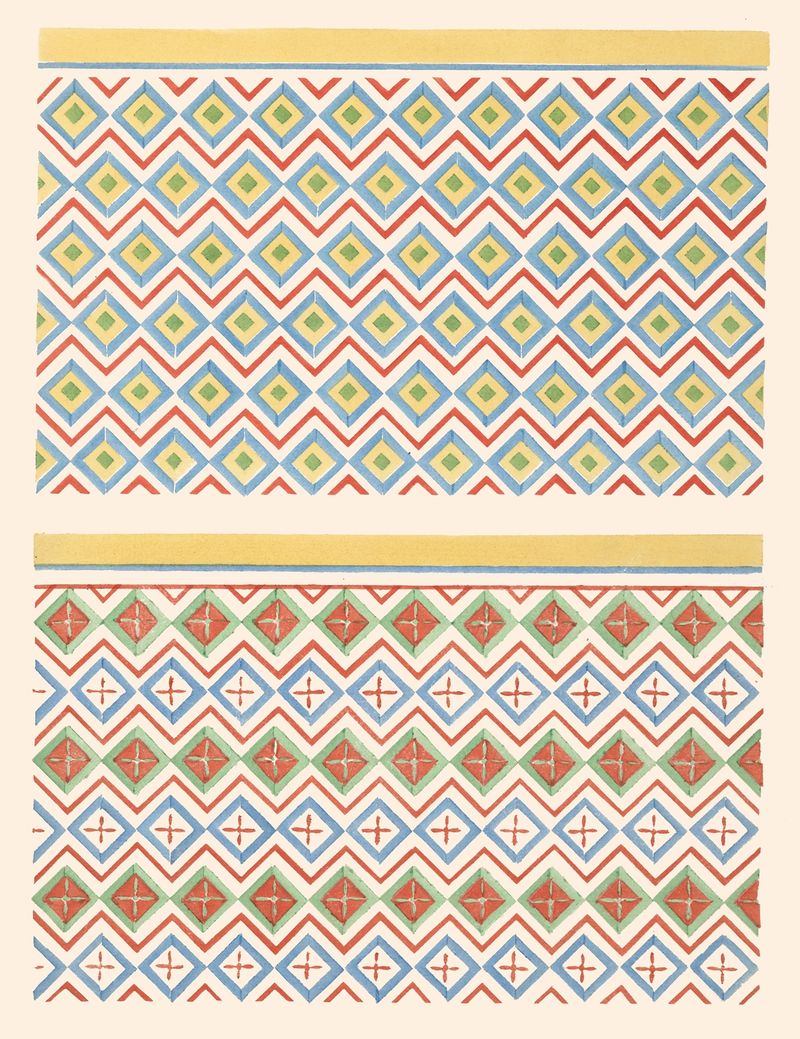
9. Plafond du Tombeau de Hapousenb (n° 67), 10. Plafond du Tombeau D’amounzeh (n° 84)
Gustave Jéquier
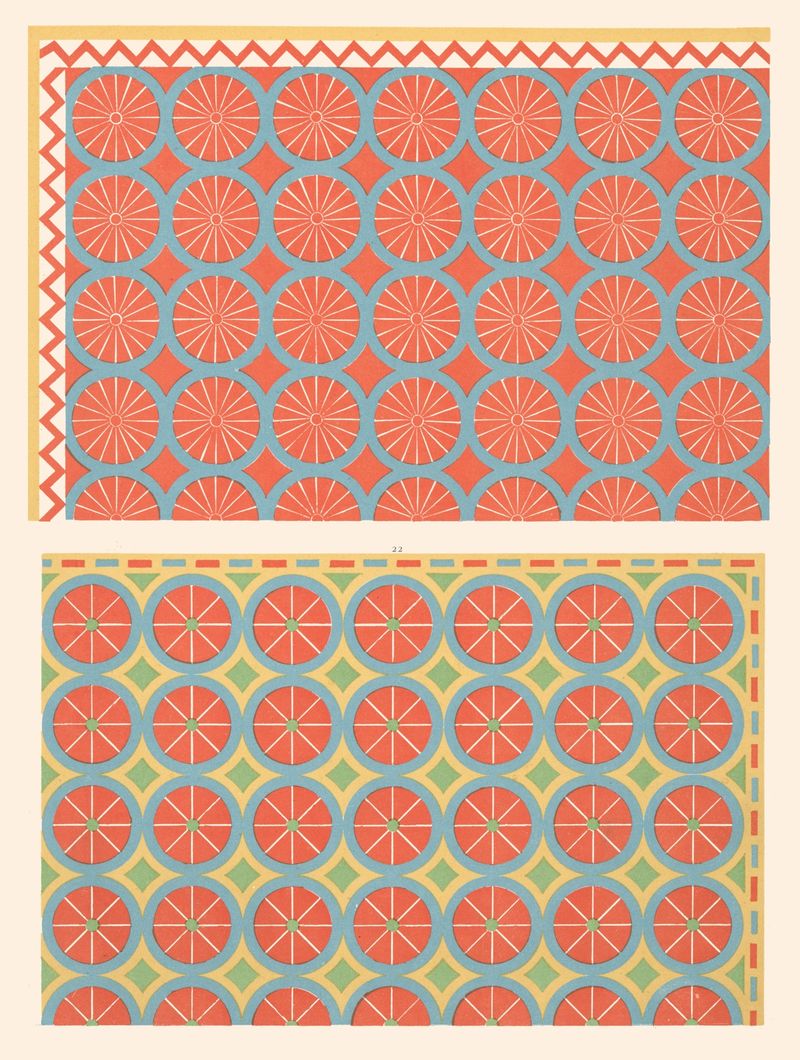
22. Plafond du Tombeau de Hiq-er-Neheh (n°64), 23. Plafond du Tombeau de Tenna (n° 76)
Gustave Jéquier
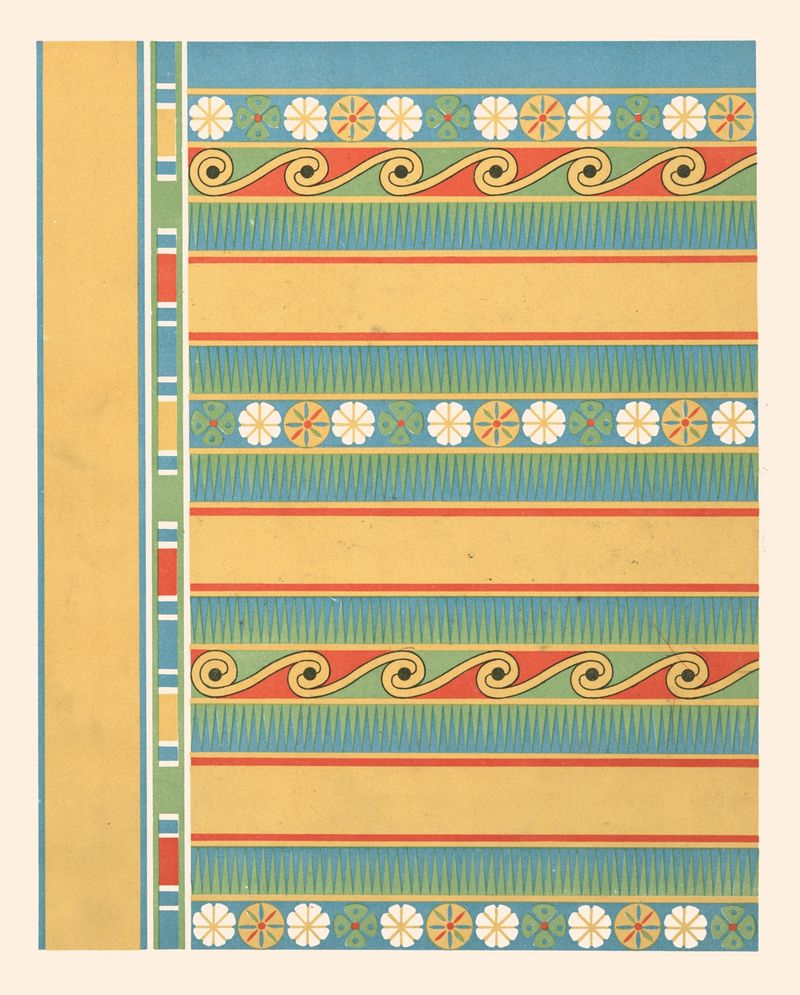
49. Plafond du Tombeau de Nesi-pa-Noferher (n° 68)
Gustave Jéquier
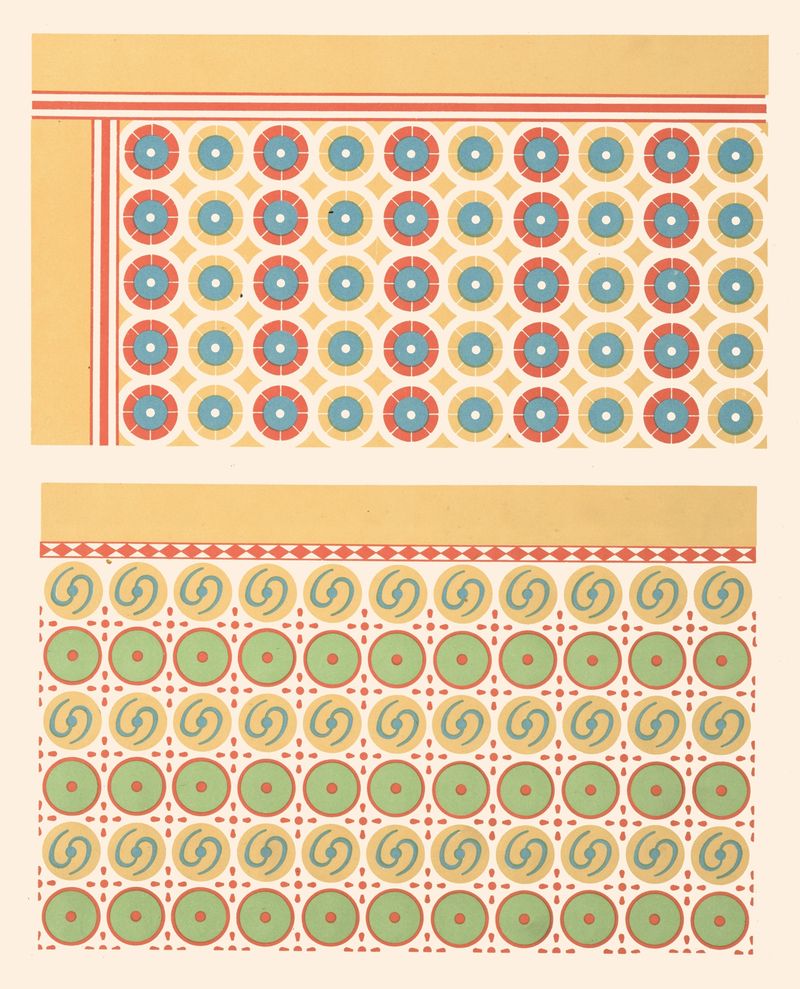
20. Plafond du Tombeau D’amenheb (n° 90), 21. Plafond du Tombeau de Menkheper (n° 79)
Gustave Jéquier
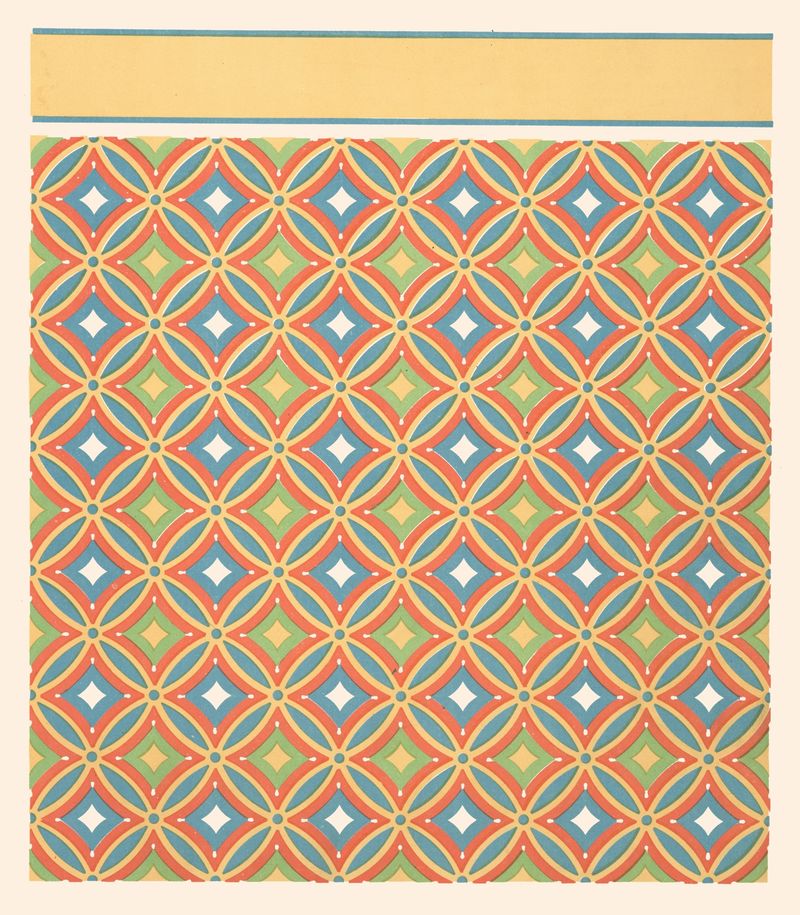
29. Plafond du Tombeau D’amenemhat (n° 82)
Gustave Jéquier
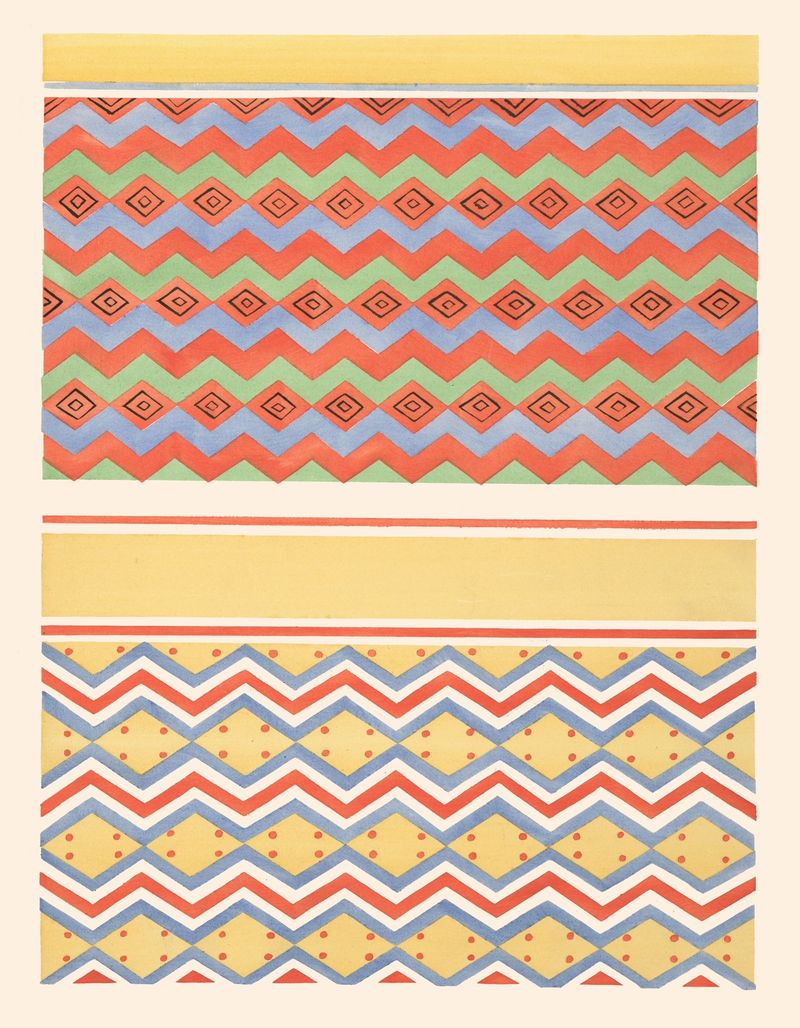
5. Plafond du Tombeau D’amounzeh (° 84), 6. Plafond du Tombeau D’amenemheb
Gustave Jéquier
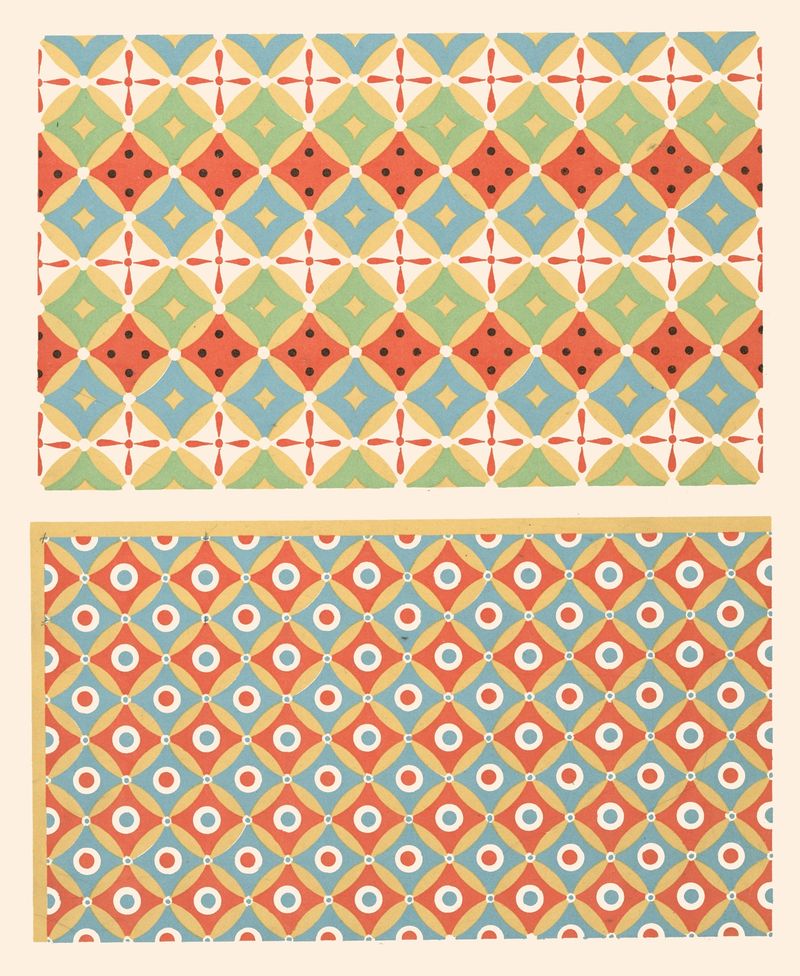
27. Plafond du Tombeau de Nekht-Mîn (n° 87), 28. Plafond du Tombeau n° 91 (Anonyme)
Gustave Jéquier
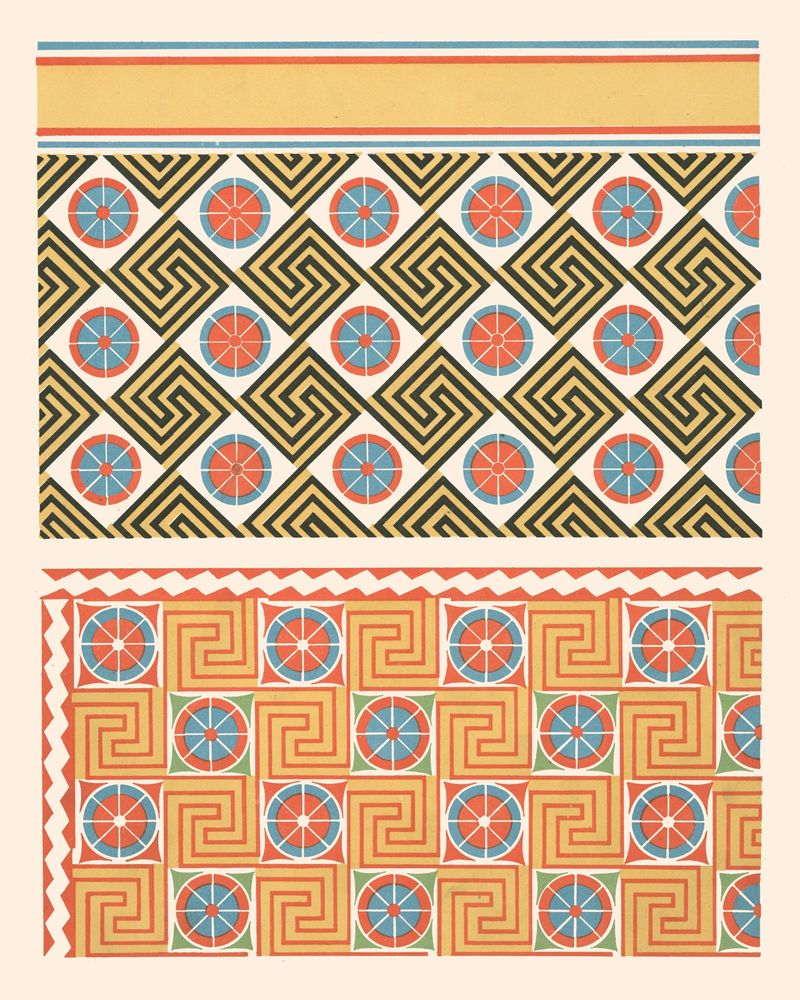
38. Plafond du Tombeau D’anna (n° 81), 39. Plafond du Tombeau de Senmout (n° 71)
Gustave Jéquier
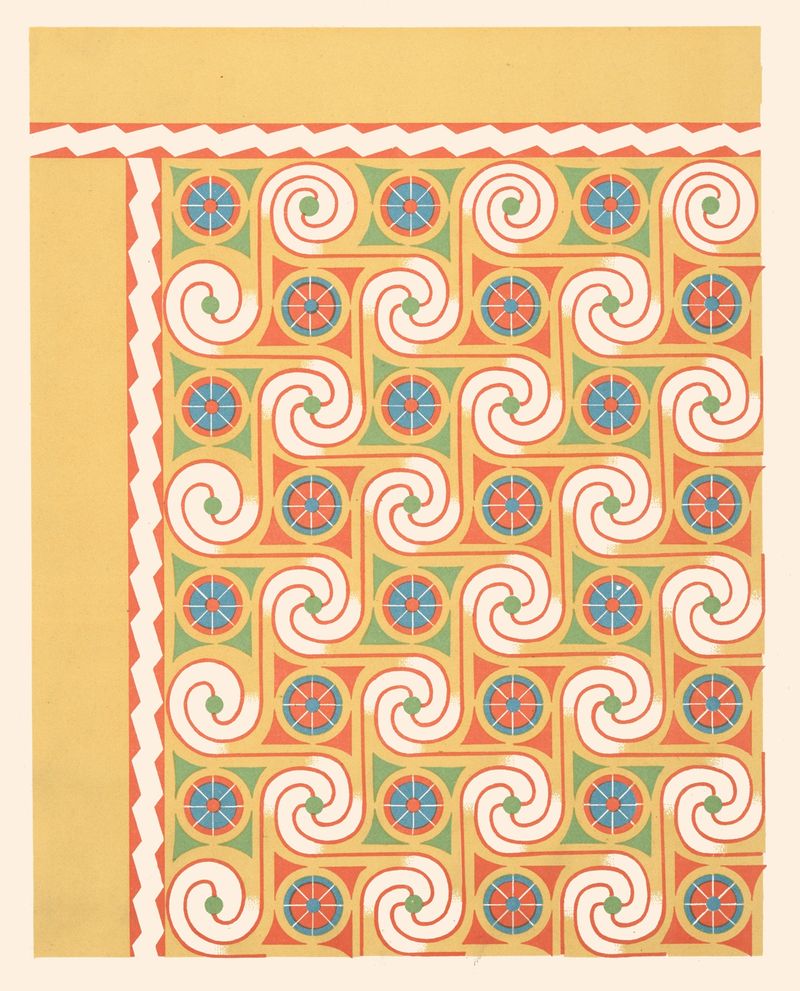
34. Plafond du Tombeau de Senmout (n° 71)
Gustave Jéquier
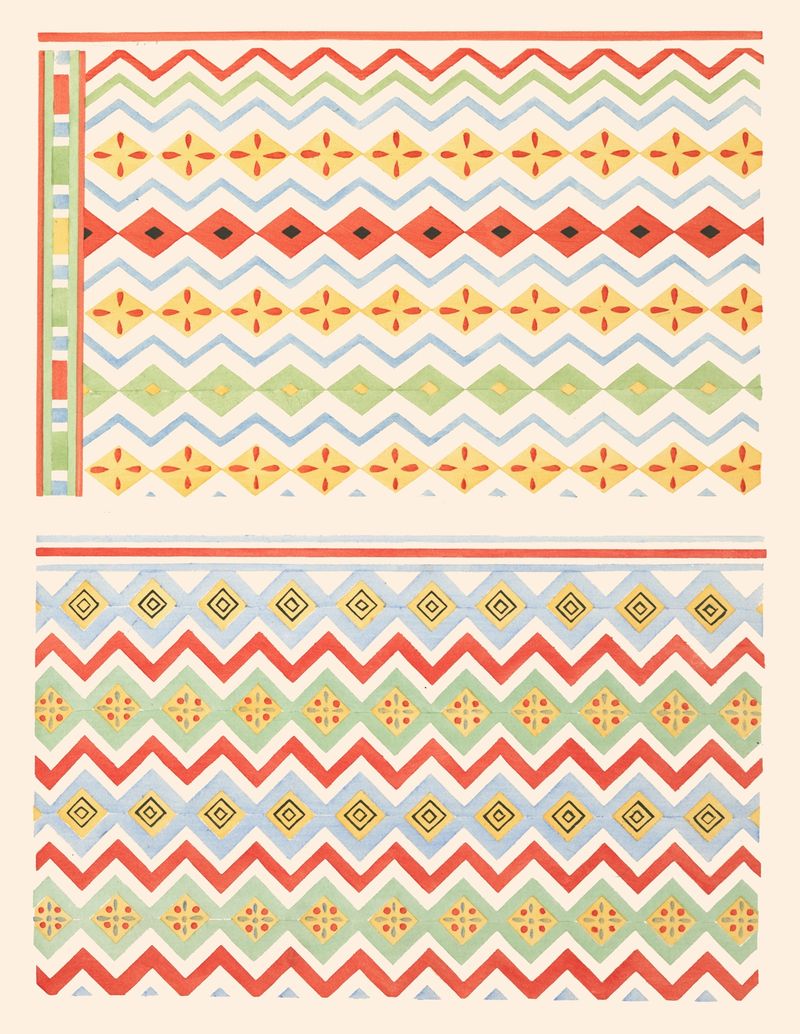
7. Plafond du Tombeau D’amenemant (n° 58), 8. Plafond du Tombeau de Pehsoukehr (n° 88)
Gustave Jéquier





