52. Plafond du Tombeau De Nesi-pa-Noferher (n° 58) — History & Facts
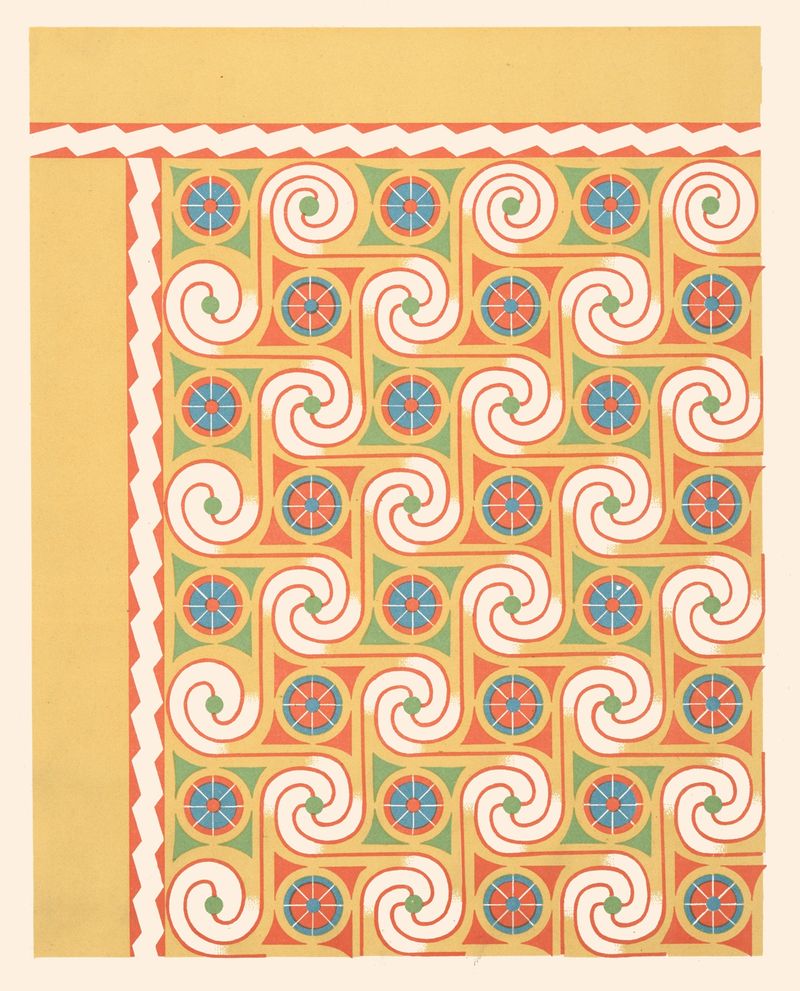
What secret hides in the quiet of the canvas? In the stillness of 52. Plafond du Tombeau De Nesi-pa-Noferher (n° 58, Gustave Jéquier invites the viewer to contemplate the profound emptiness that echoes within. Each stroke and hue resonates with an unspoken narrative, compelling us to linger in the silence of the moment, where the absence of excess speaks volumes. Look towards the center of the composition, where muted earth tones blend harmoniously, guiding your gaze towards the intricate designs reminiscent of ancient motifs.
Notice how the subtle play of light dances across the surface, illuminating the carefully crafted patterns that seem to whisper forgotten tales. The delicate balance of shadows enhances the sense of depth, transforming the flat canvas into a portal to another time and place. Embedded within the artwork are layers of emotional tension. The emptiness portrayed is not merely a void; it evokes a profound sense of loss and nostalgia, as if the remnants of a once-vibrant history linger, waiting to be rediscovered.
The intricate details—though seemingly aloof—serve as a reminder of the beauty found in what is left unsaid. This contrast between ornate craftsmanship and the overarching emptiness invites introspection, allowing viewers to find their own narratives within the space. Gustave Jéquier painted this work in 1911 while exploring themes of antiquity and cultural heritage. At the time, he was immersed in the study of ancient Egyptian art, reflecting an era fascinated by the mysteries of the past.
Jéquier’s commitment to capturing these elements of history within modern contexts marked a significant moment in his artistic evolution, bridging the gap between time, memory, and artistic expression.
More Artworks by Gustave Jéquier
Browse all →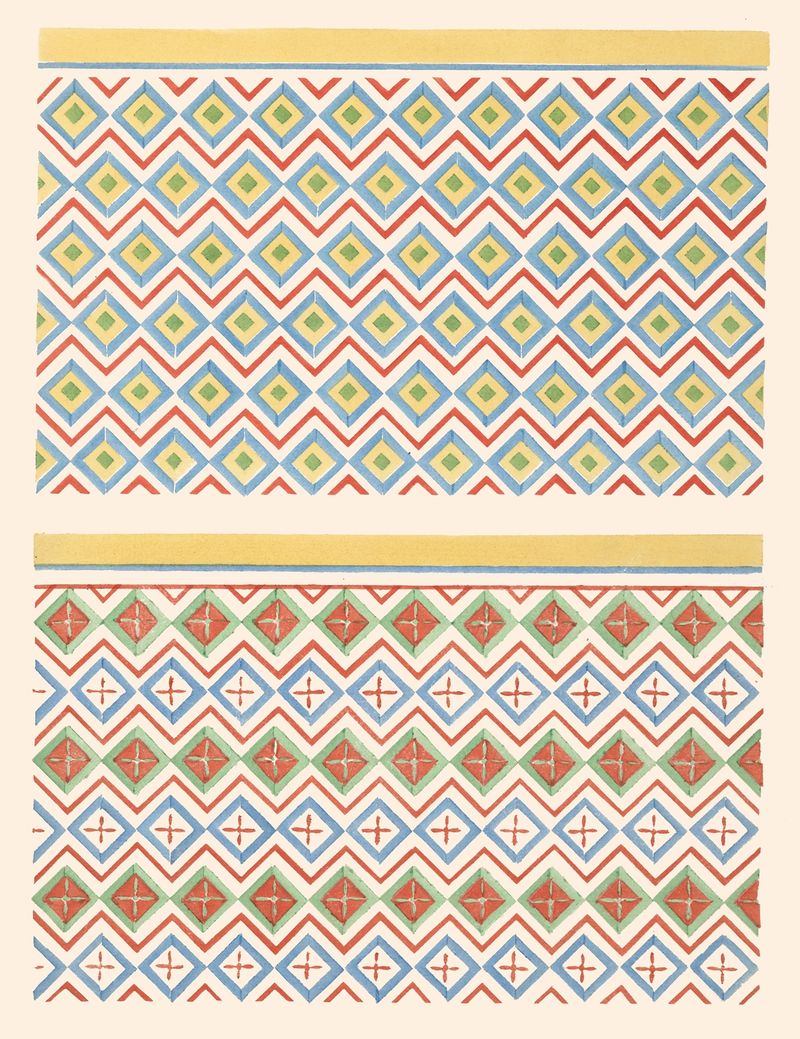
9. Plafond du Tombeau de Hapousenb (n° 67), 10. Plafond du Tombeau D’amounzeh (n° 84)
Gustave Jéquier
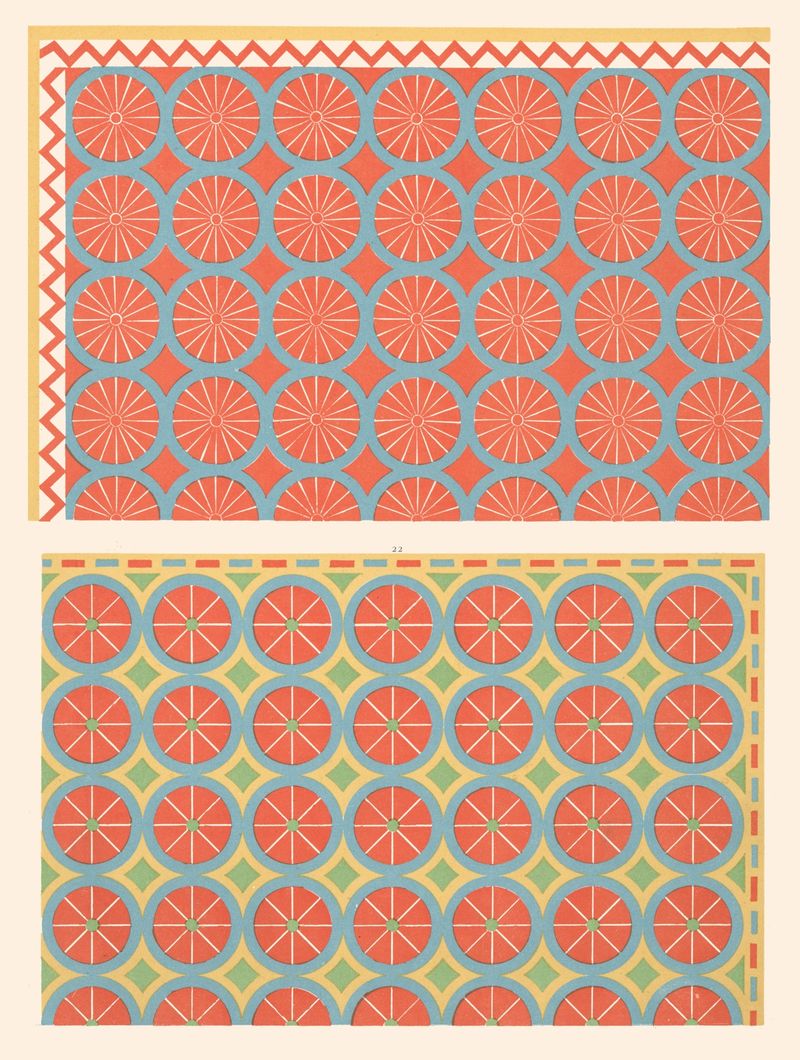
22. Plafond du Tombeau de Hiq-er-Neheh (n°64), 23. Plafond du Tombeau de Tenna (n° 76)
Gustave Jéquier
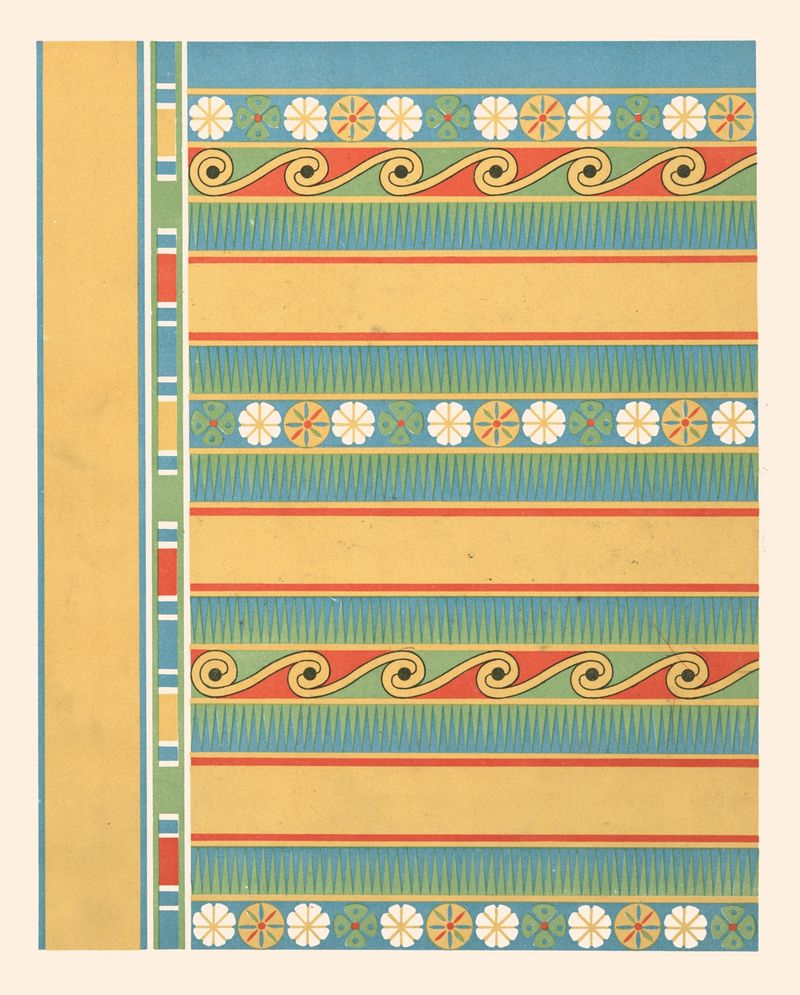
49. Plafond du Tombeau de Nesi-pa-Noferher (n° 68)
Gustave Jéquier
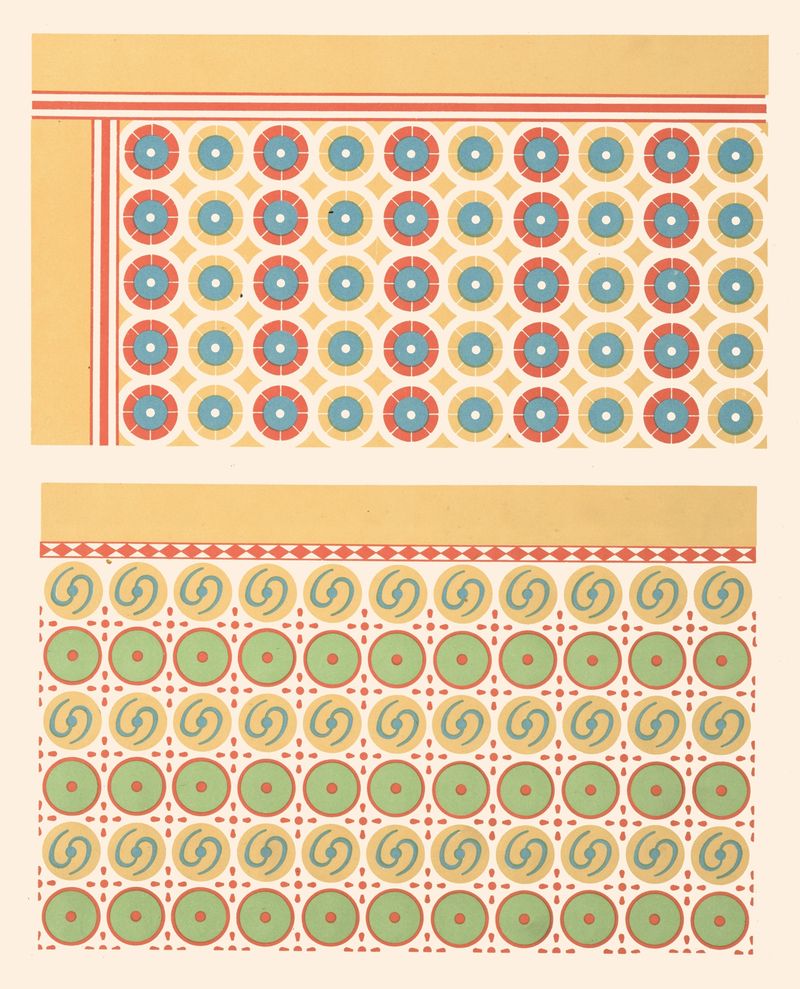
20. Plafond du Tombeau D’amenheb (n° 90), 21. Plafond du Tombeau de Menkheper (n° 79)
Gustave Jéquier
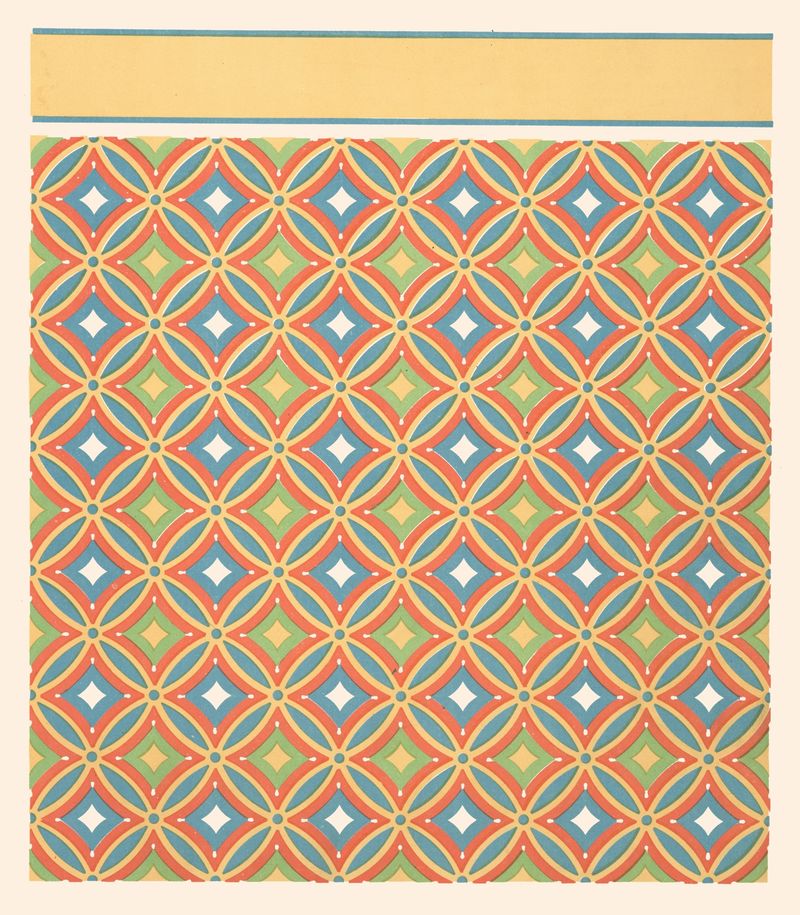
29. Plafond du Tombeau D’amenemhat (n° 82)
Gustave Jéquier
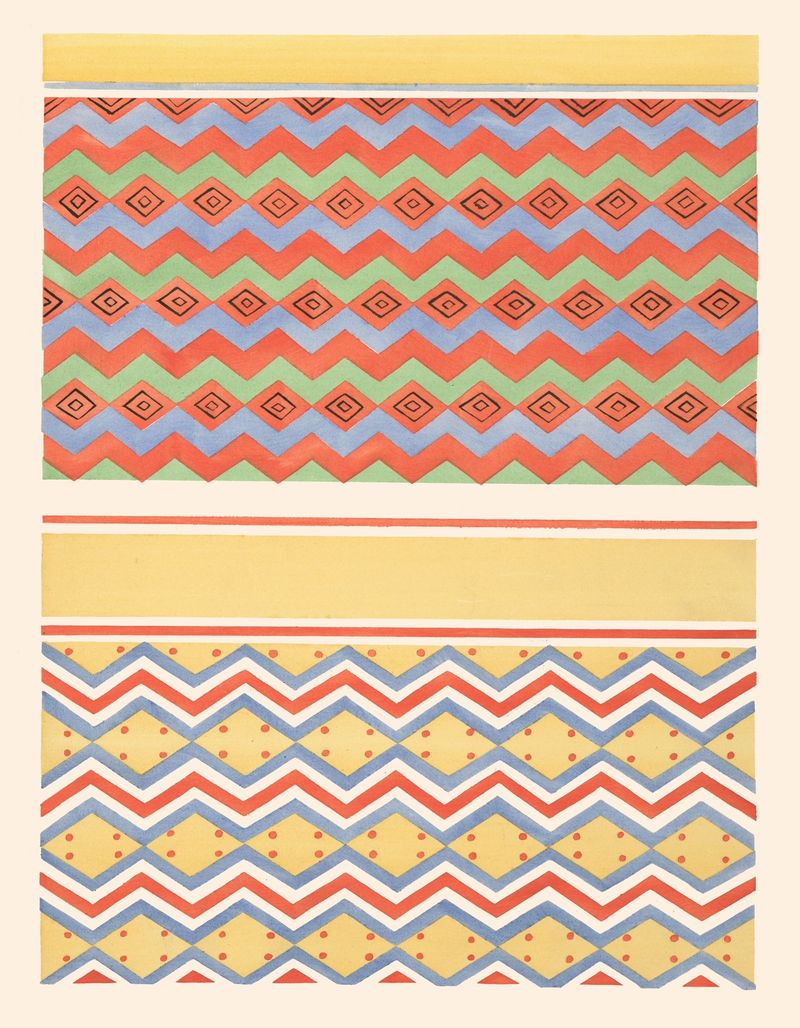
5. Plafond du Tombeau D’amounzeh (° 84), 6. Plafond du Tombeau D’amenemheb
Gustave Jéquier
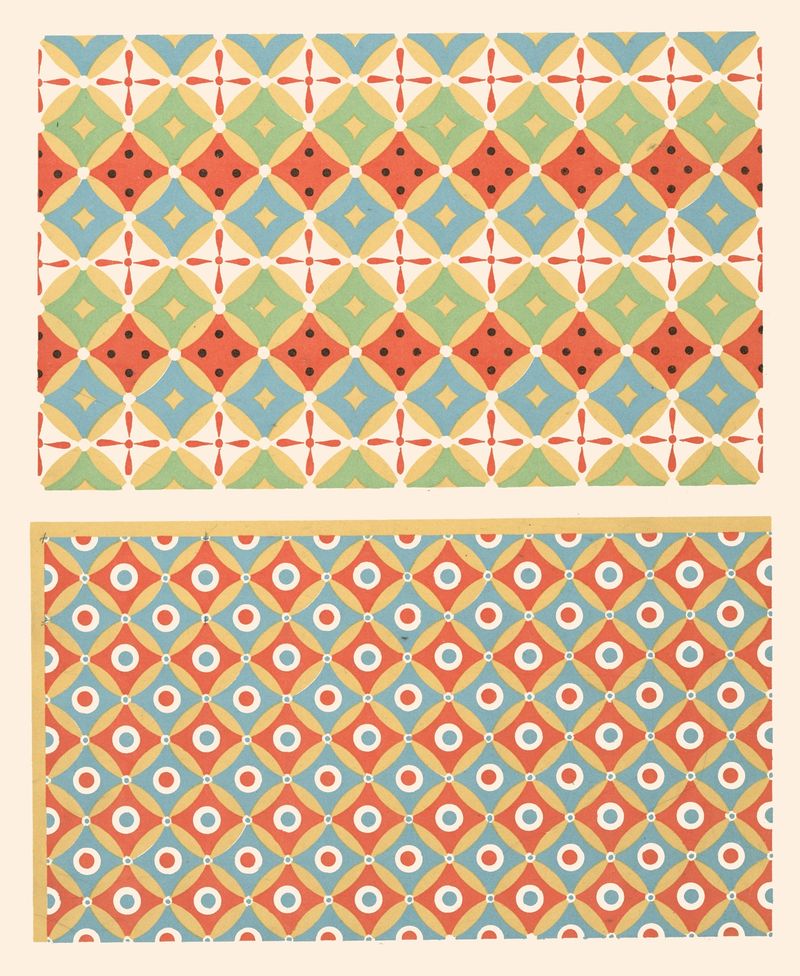
27. Plafond du Tombeau de Nekht-Mîn (n° 87), 28. Plafond du Tombeau n° 91 (Anonyme)
Gustave Jéquier
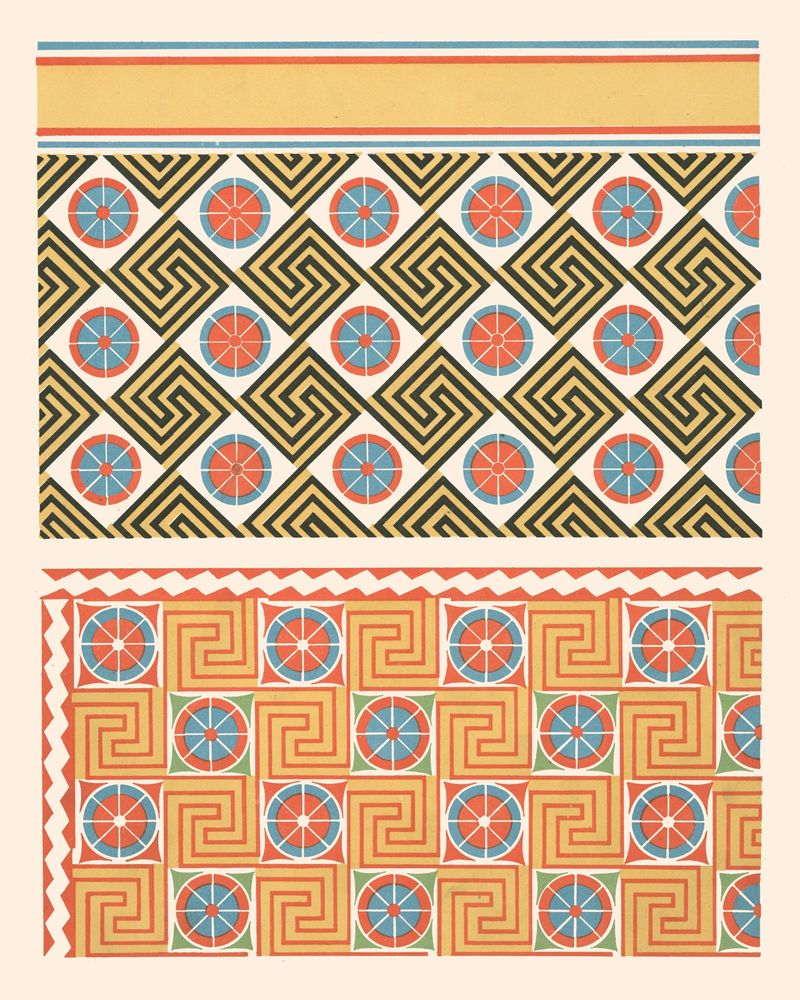
38. Plafond du Tombeau D’anna (n° 81), 39. Plafond du Tombeau de Senmout (n° 71)
Gustave Jéquier
34. Plafond du Tombeau de Senmout (n° 71)
Gustave Jéquier
7. Plafond du Tombeau D’amenemant (n° 58), 8. Plafond du Tombeau de Pehsoukehr (n° 88)
Gustave Jéquier