
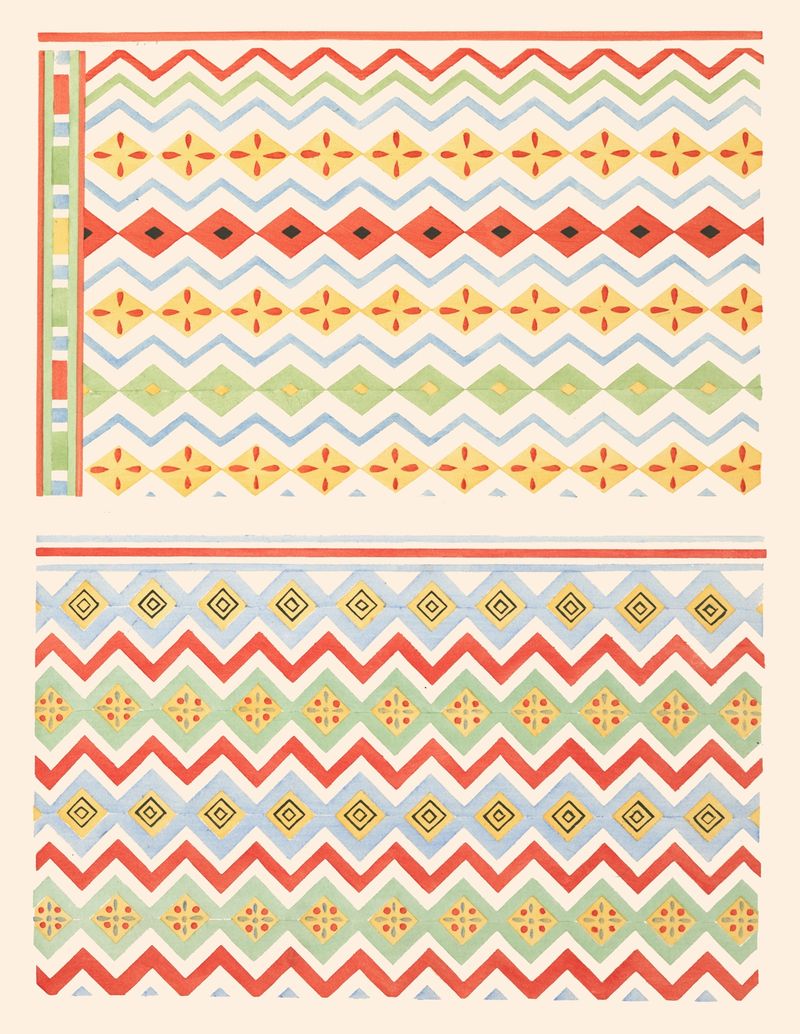
58. Frise du Tombeau de Sebek-Hotep (n° 63)…. — History & Facts
In the delicate strokes of art, loneliness can transform into an alluring façade, hiding the aching truths beneath. Begin by examining the intricate details of the piece. Notice how the soft, muted colors gracefully intertwine, drawing your gaze toward the central figures. Look closely at the lavish gold accents that punctuate scenes of solitude, creating a stark contrast against the background's earthy tones.
Each line is meticulously crafted, guiding the eye through a narrative that speaks of loss and yearning. As you delve deeper, consider the emotive power captured within the figures. The expressions etched on their faces convey a haunting sense of isolation, while the swirling patterns of background designs echo the turbulence of their inner worlds. The juxtaposition of ornate beauty and stark vulnerability invites the viewer to reflect on the duality of existence — where splendor often masks sorrow, and loneliness can wear a gilded crown. In 1911, the artist was immersed in a period of profound exploration, crafting works that blended historical elements with contemporary themes.
Gustave Jéquier was influenced by the cultural milieu of his time, drawing inspiration from ancient Egyptian motifs and motifs of the human condition. This particular piece reflects not only the artist's fascination with ancient aesthetics but also a personal confrontation with the isolation experienced in a rapidly changing world.
More Artworks by Gustave Jéquier
Browse all →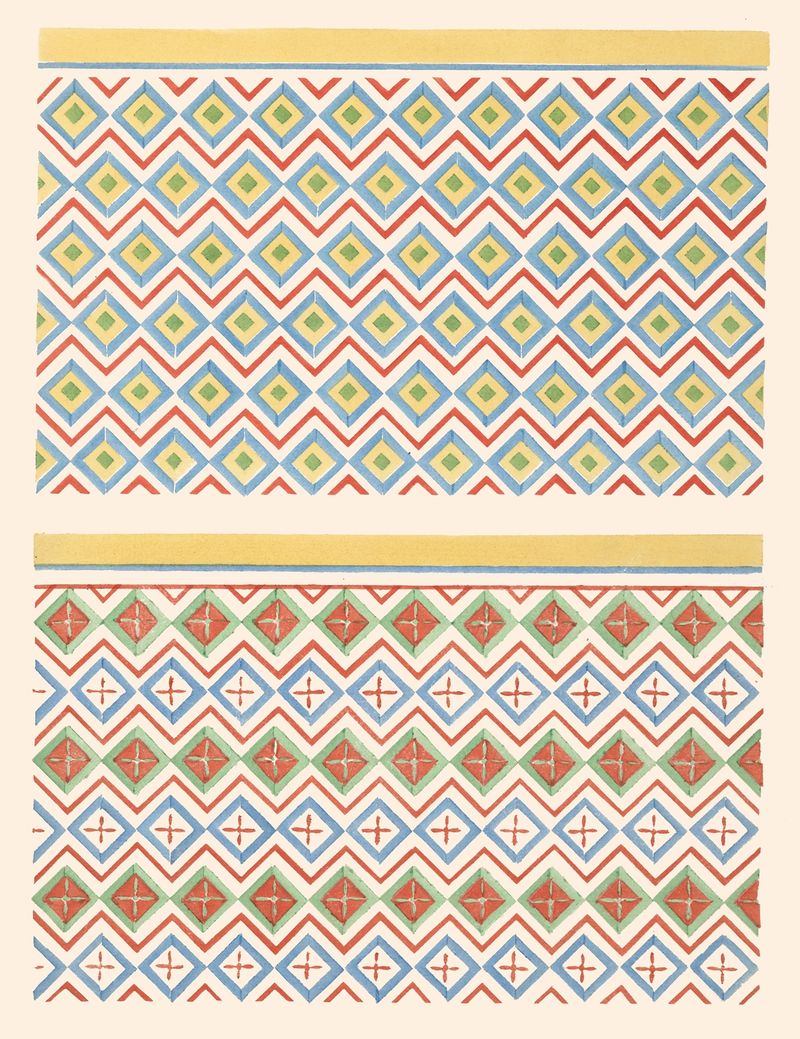
9. Plafond du Tombeau de Hapousenb (n° 67), 10. Plafond du Tombeau D’amounzeh (n° 84)
Gustave Jéquier

22. Plafond du Tombeau de Hiq-er-Neheh (n°64), 23. Plafond du Tombeau de Tenna (n° 76)
Gustave Jéquier
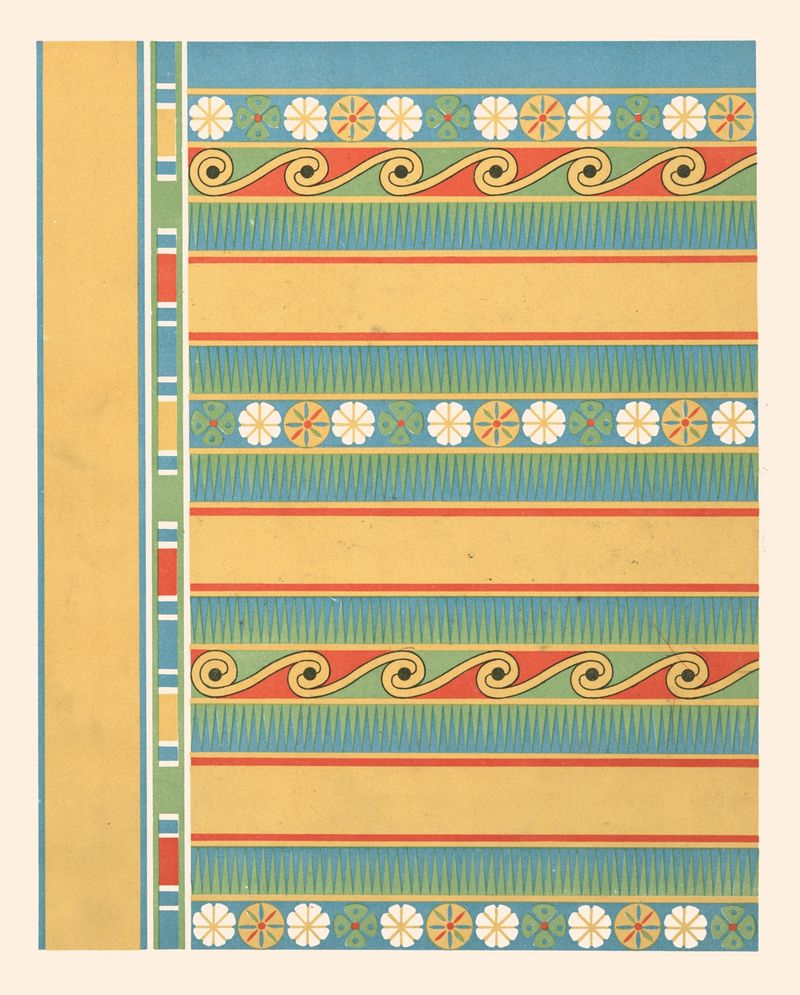
49. Plafond du Tombeau de Nesi-pa-Noferher (n° 68)
Gustave Jéquier
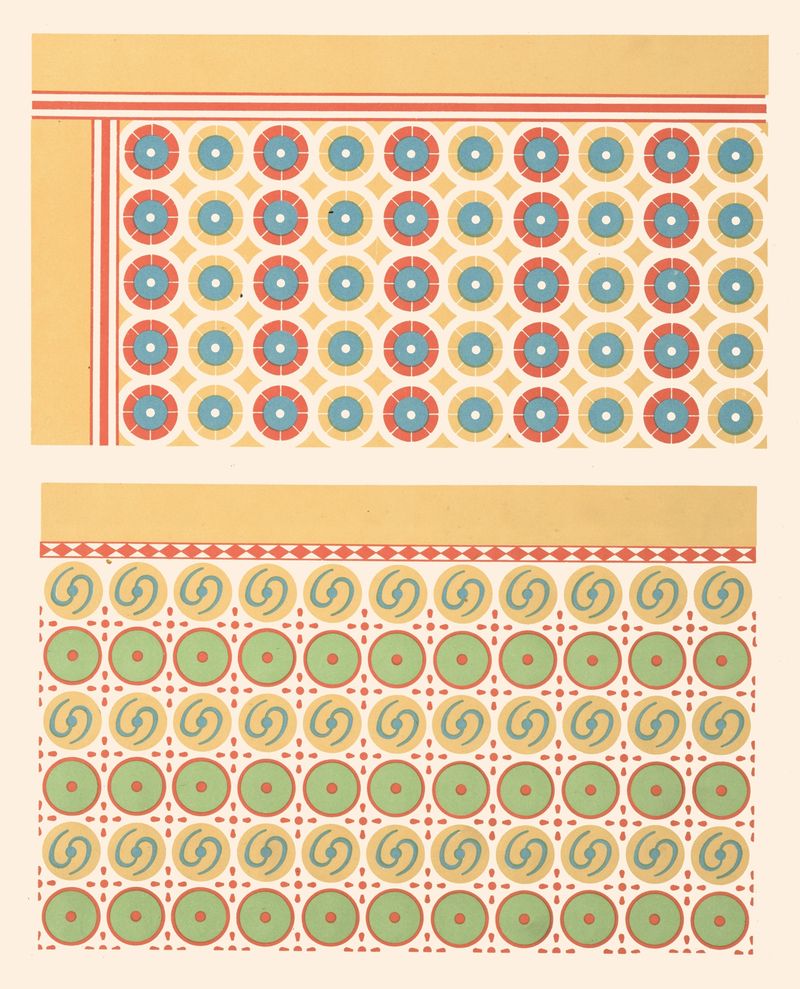
20. Plafond du Tombeau D’amenheb (n° 90), 21. Plafond du Tombeau de Menkheper (n° 79)
Gustave Jéquier
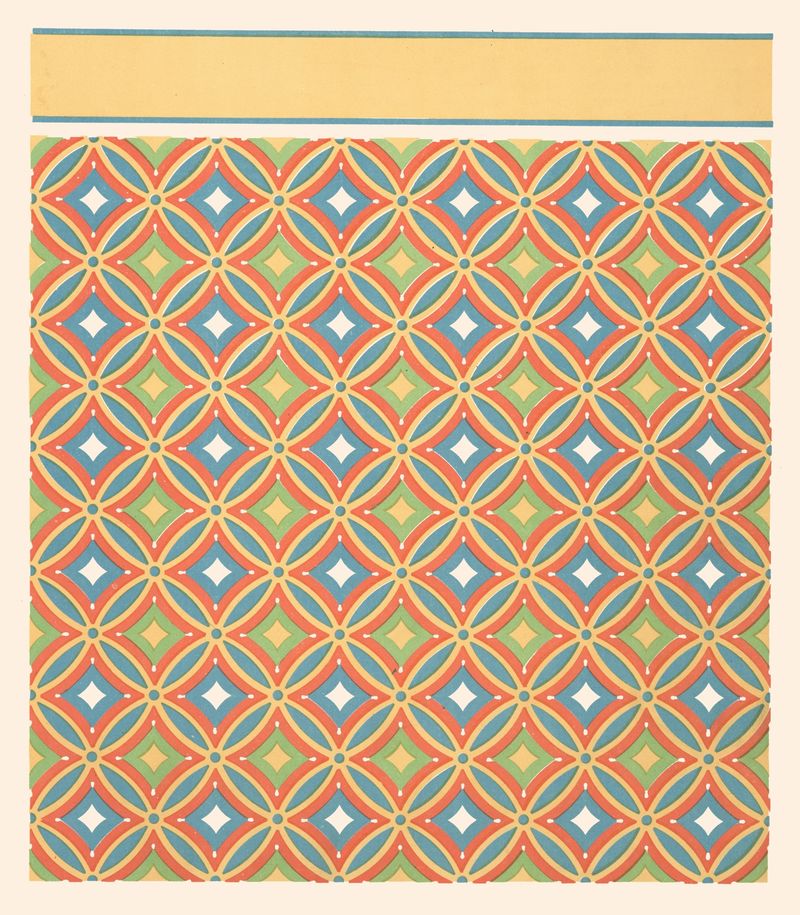
29. Plafond du Tombeau D’amenemhat (n° 82)
Gustave Jéquier
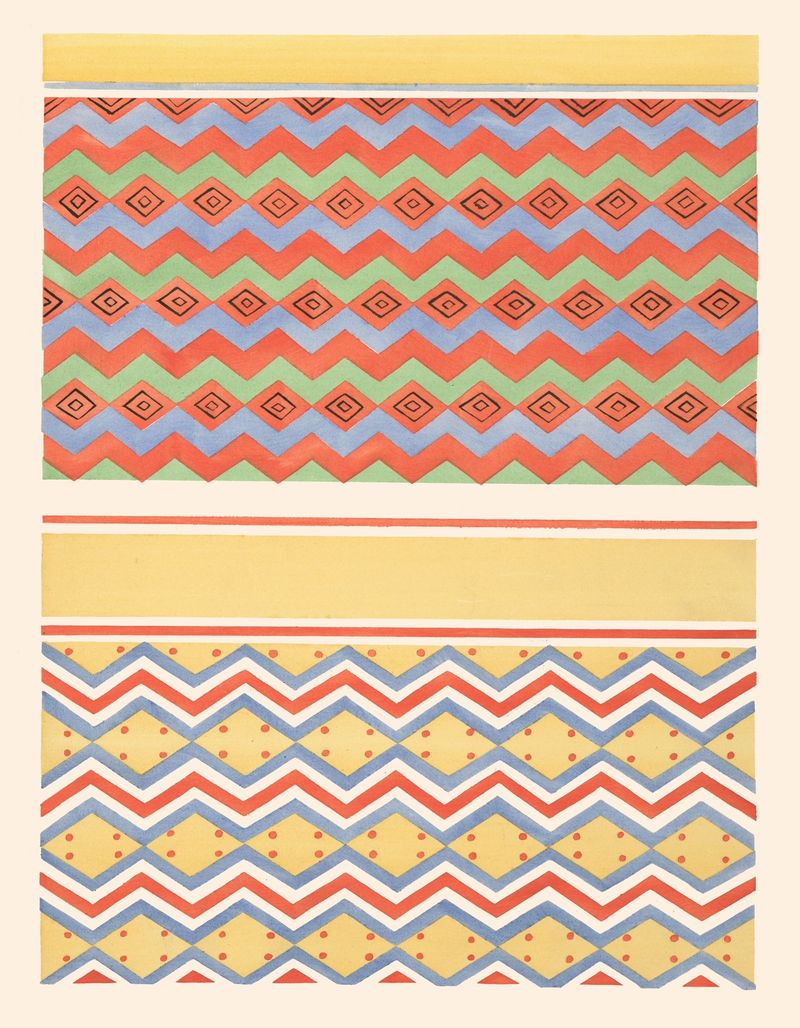
5. Plafond du Tombeau D’amounzeh (° 84), 6. Plafond du Tombeau D’amenemheb
Gustave Jéquier
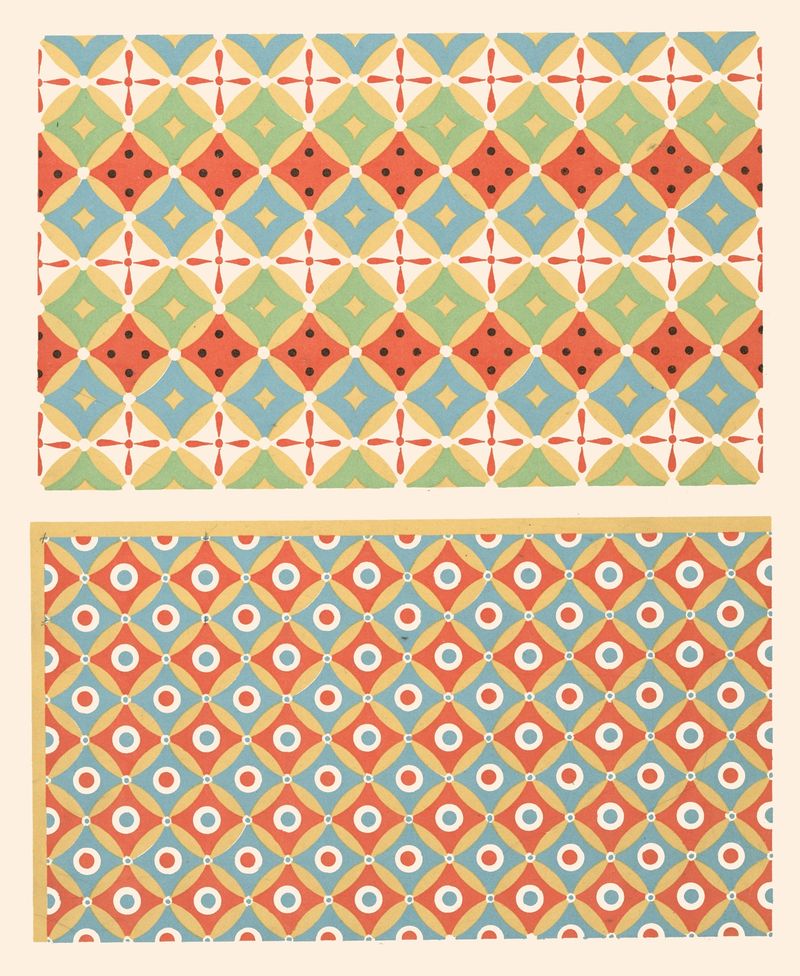
27. Plafond du Tombeau de Nekht-Mîn (n° 87), 28. Plafond du Tombeau n° 91 (Anonyme)
Gustave Jéquier
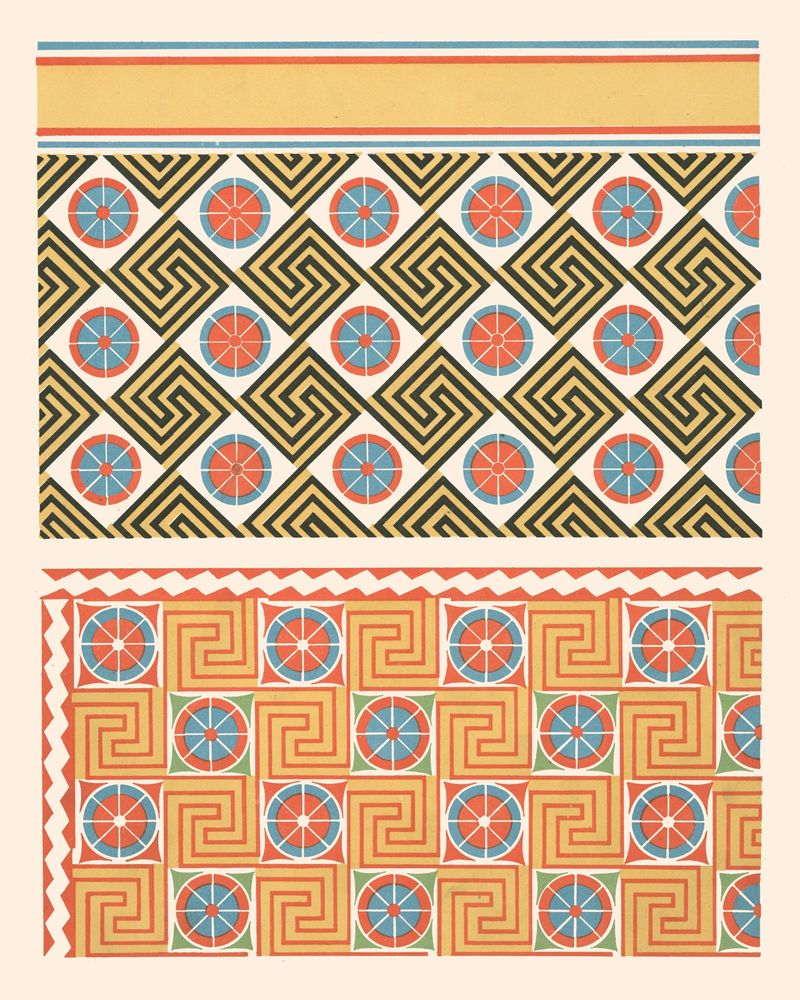
38. Plafond du Tombeau D’anna (n° 81), 39. Plafond du Tombeau de Senmout (n° 71)
Gustave Jéquier
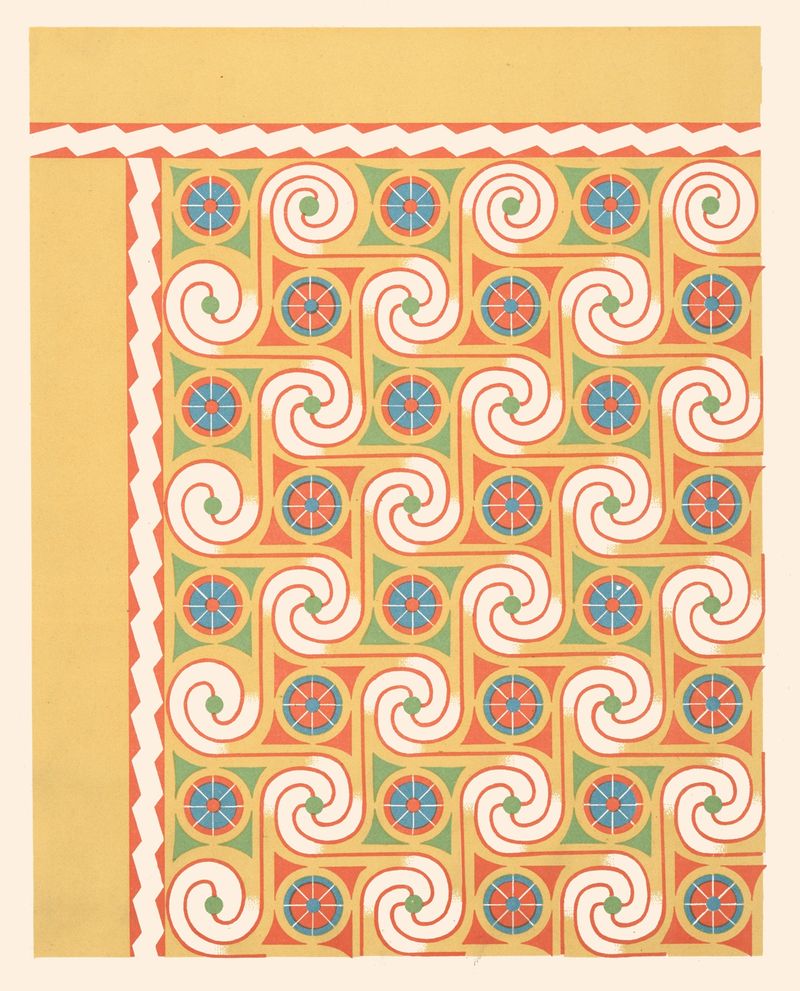
34. Plafond du Tombeau de Senmout (n° 71)
Gustave Jéquier
7. Plafond du Tombeau D’amenemant (n° 58), 8. Plafond du Tombeau de Pehsoukehr (n° 88)
Gustave Jéquier





