
A Ballroom in Renaissance Style — History & Facts
The first thing that catches the eye in A Ballroom in Renaissance Style by Abel Grimmer is the sheer sense of space and order, as if the entire room inhales and holds its breath for the next step in the dance. The painter draws you in with the geometry of the tiled floor and the luminous sweep of windows, each pane reflecting the cool daylight. Figures are scattered in lively groups: some glide in pairs, others pause in conversation, and a few children mimic the adults’ steps.
The ceiling, richly coffered and decorated, presses down a little, making the revelers’ movements feel both grand and contained. Every gesture—an outstretched arm, a turned head—signals a choreography of manners as much as of bodies, while the golden statues and painted friezes above remind us that this is a world of display as much as delight. Painted between 1600 and 1620, this scene belongs to a moment when the Renaissance ideal of harmony and social order found its echo in the architecture and rituals of the elite. Such ballrooms were not just for dancing but for seeing and being seen: a stage where alliances were forged and hierarchies rehearsed.
Works like this, often commissioned for prosperous homes or civic spaces, captured the aspirations of a society in flux—proud of its learning, eager to display its wealth, and fascinated by the theatre of daily life. Today, A Ballroom in Renaissance Style resides in the collection of Museum Boijmans Van Beuningen, a rare window onto a world where every gesture was both performance and proclamation. Look again at the dancers’ careful steps and the watchful eyes along the benches; the painting invites you to imagine the music, the laughter, and the quiet calculations behind every turn.
More Artworks by Abel Grimmer

Flemish proverbs
Abel Grimmer
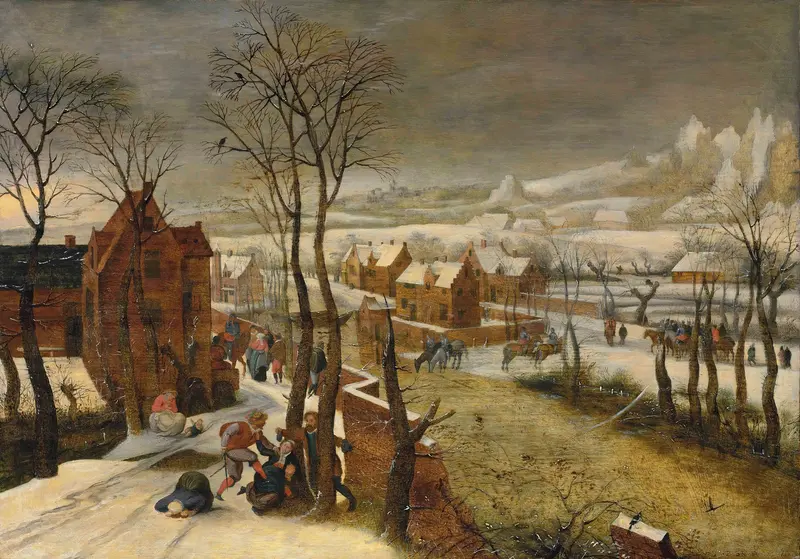
A Village Landscape In Winter With The Massacre Of The Innocents
Abel Grimmer
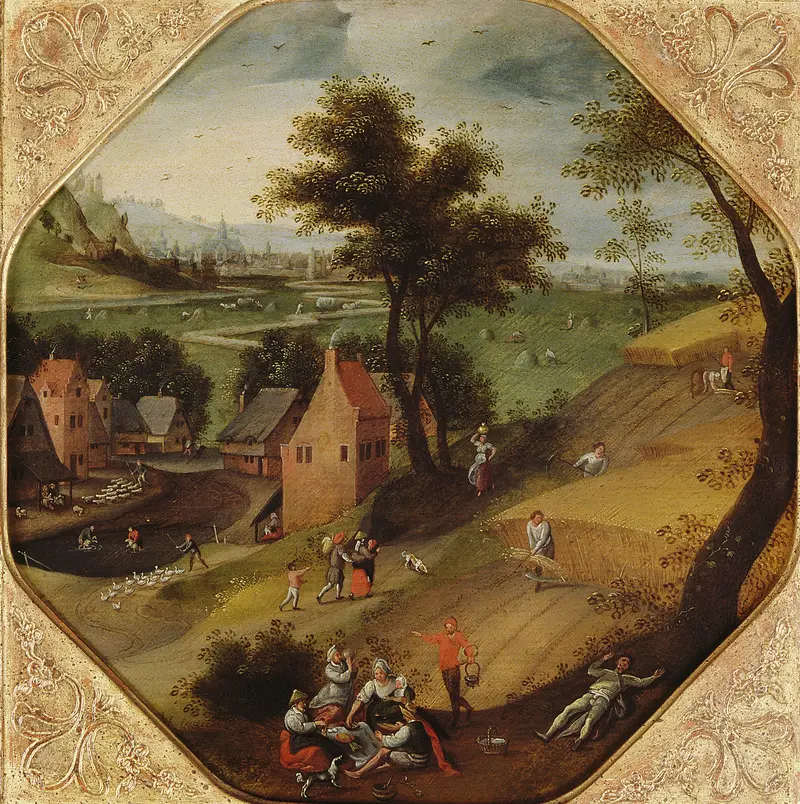
De Zomer
Abel Grimmer
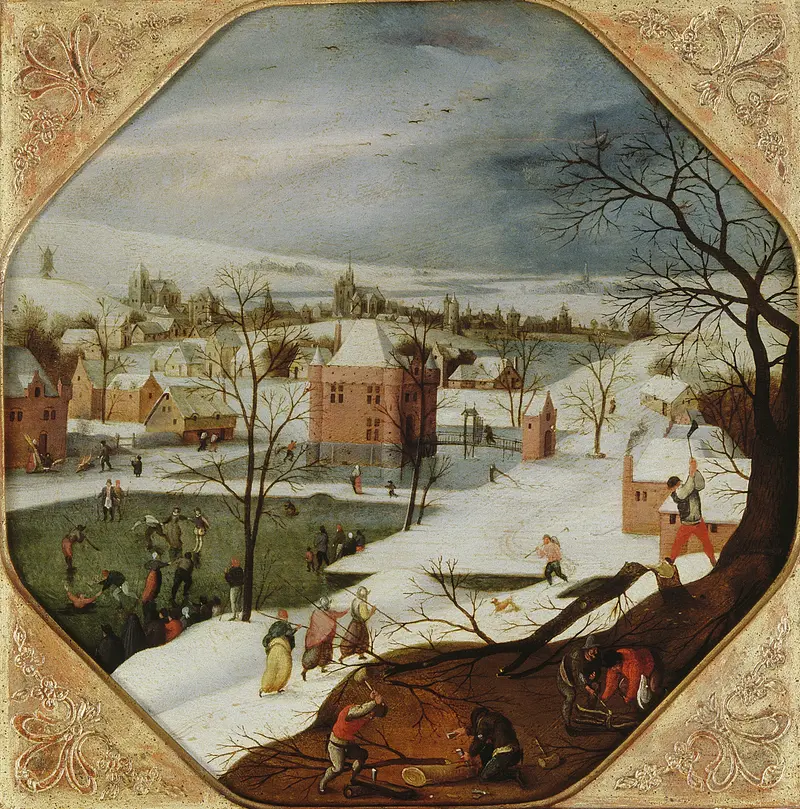
De Winter
Abel Grimmer
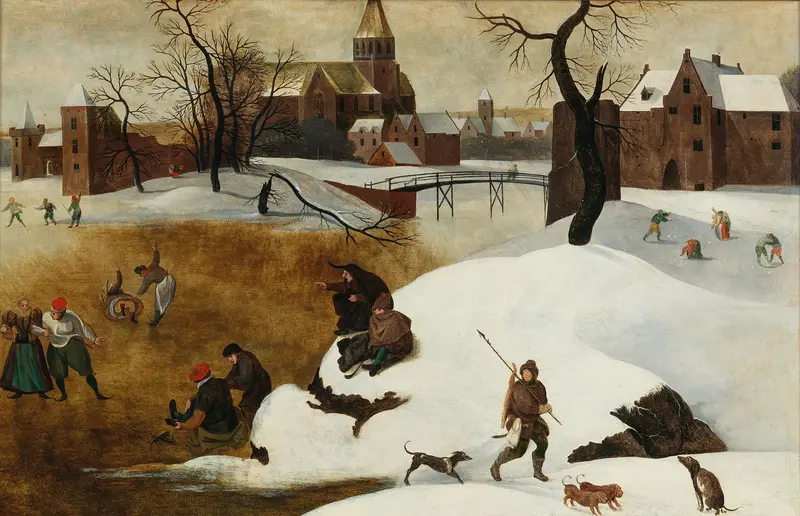
winter landscape with skaters
Abel Grimmer
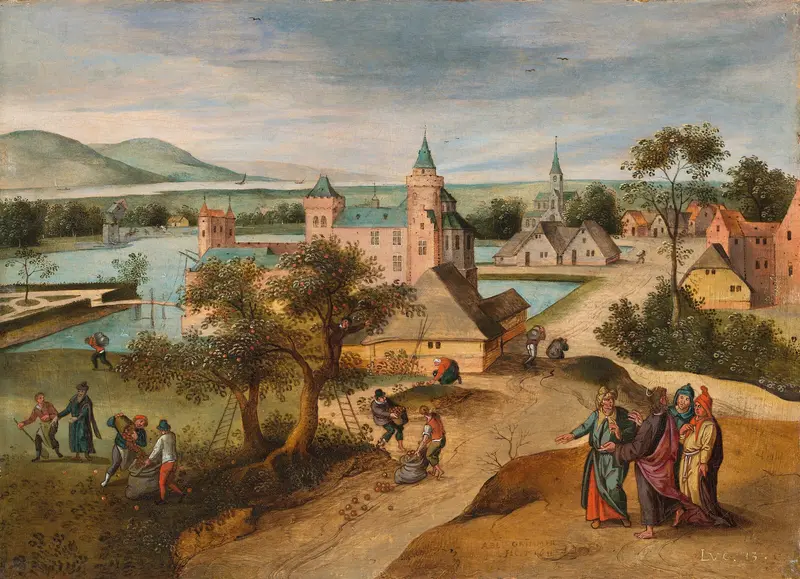
September – The Parable of the Barren Fig Tree
Abel Grimmer
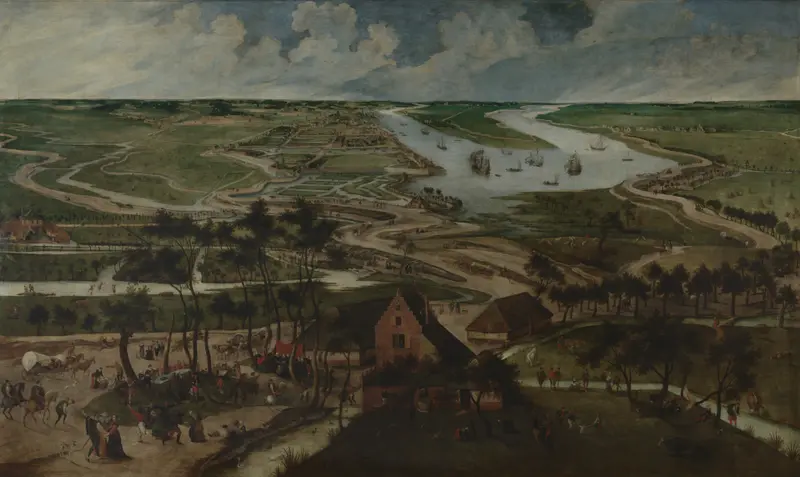
The Eel Huts in the Antwerp Polder outside the Lillo or Slijk Gate
Abel Grimmer
De Antwerpse polder en de Palinghuizen buiten de Slijk- of Lillopoort
Abel Grimmer
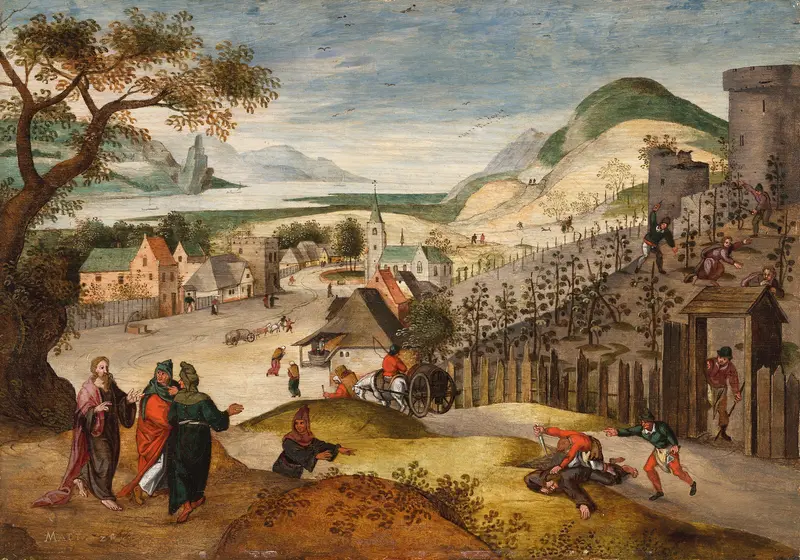
October – The Parable of the Vineyard
Abel Grimmer
The Marketplace in Bergen op Zoom
Abel Grimmer





