
A Boy holding a Grey Horse — History & Facts
What first catches the eye is the quiet tension between youth and strength: a boy, dwarfed by the pale, muscular horse he steadies, stands at the edge of shadow and sunlight. The animal’s head is gently turned, its reins slack in the boy’s small hands, while the saddle waits for a rider not yet present. The boy’s face, flushed and intent, suggests both pride and responsibility, his oversized hat and coat hinting at a world where children often took on adult tasks.
Light pours in from the right, picking out the gleam of the horse’s coat and the folds of the boy’s clothing, while the background recedes into a golden haze, drawing the viewer’s gaze deeper into the landscape and the story it might conceal. Painted between circa 1670 and circa 1722, A Boy holding a Grey Horse by Abraham Van Calraet belongs to a Dutch tradition where everyday moments are rendered with quiet dignity. In the late seventeenth century, such scenes often appealed to patrons who valued rural life, animal husbandry, and the virtues of work and patience. The Dutch Golden Age saw a flourishing of animal painting, with artists like Paulus Potter and Aelbert Cuyp also giving horses a starring role, though Van Calraet’s approach is gentler, more intimate.
History has kept few traces of this particular painting’s journey, but its presence in a public collection today invites us to linger over the silent exchange between boy and beast, and to imagine the world just beyond the frame.
More Artworks by Abraham Van Calraet
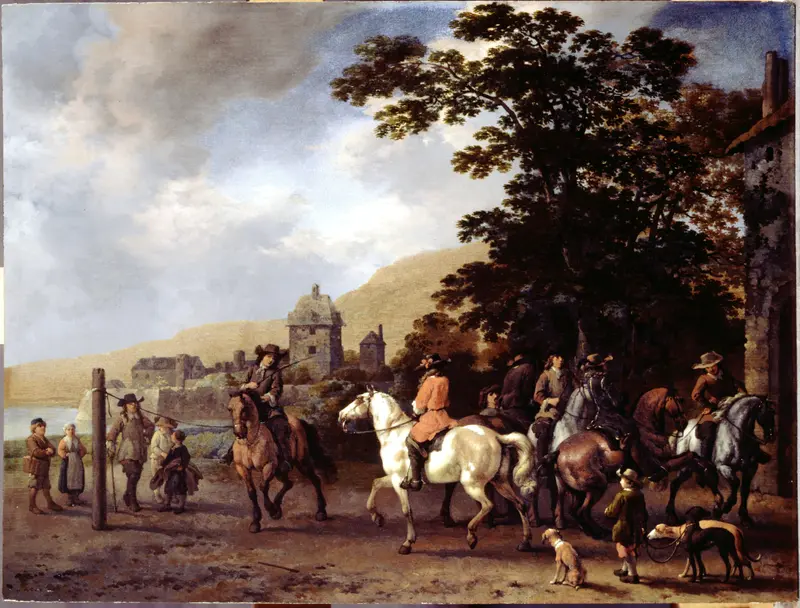
A Riding School in the Open Air
Abraham Van Calraet
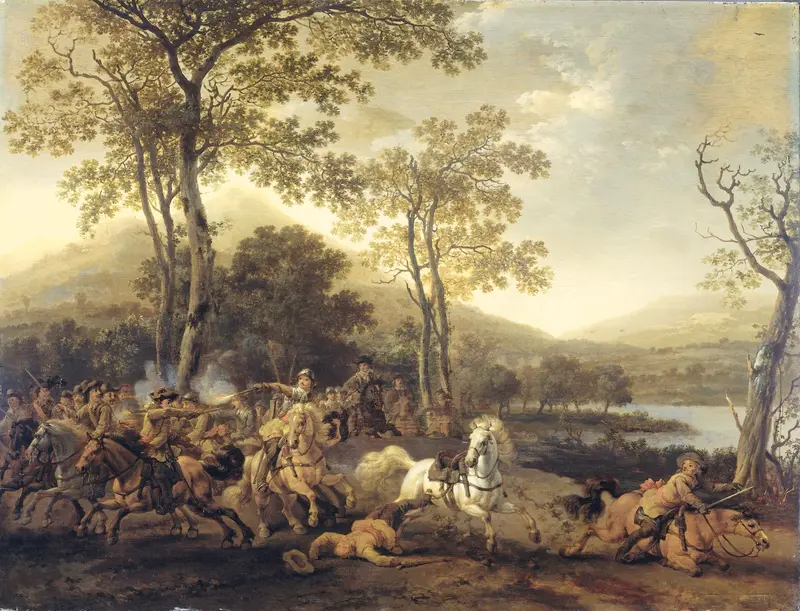
Cavalry Skirmish
Abraham Van Calraet
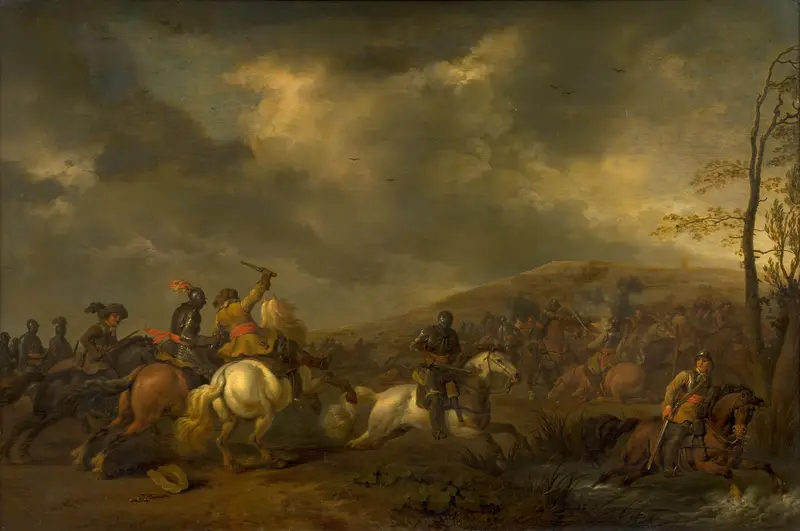
Choc de cavalerie
Abraham Van Calraet
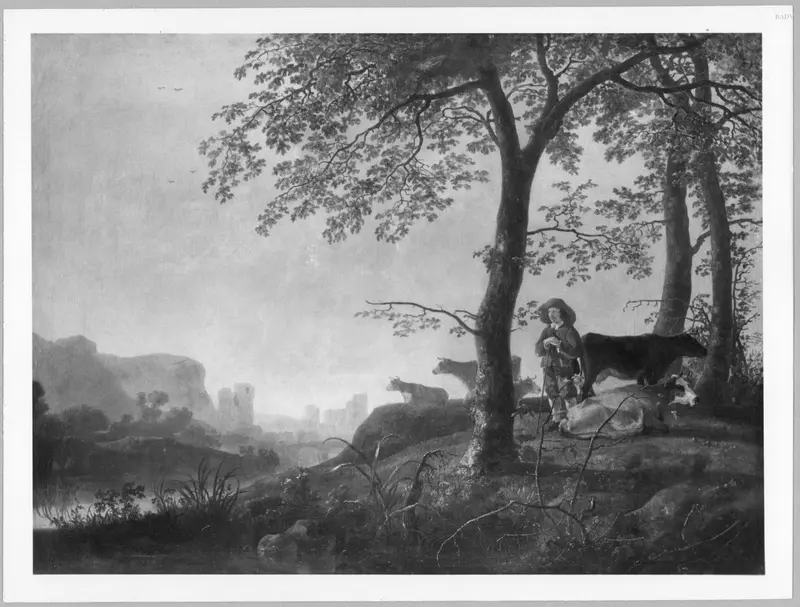
Herder and Cattle under Trees
Abraham Van Calraet
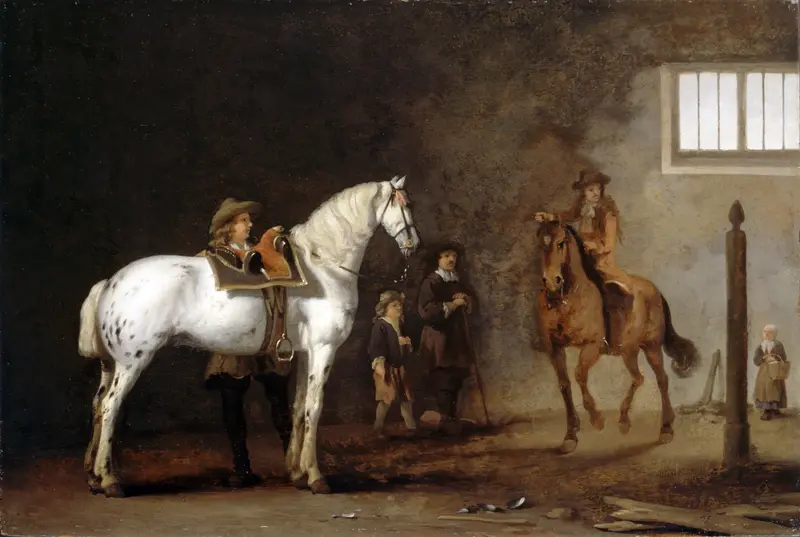
White Horse in a Riding School
Abraham Van Calraet
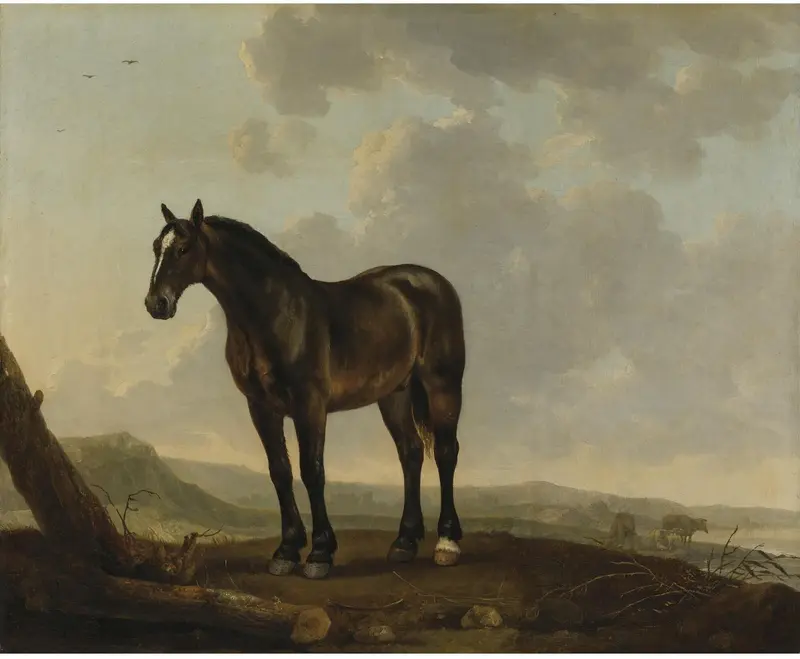
Landscape with a brown horse
Abraham Van Calraet
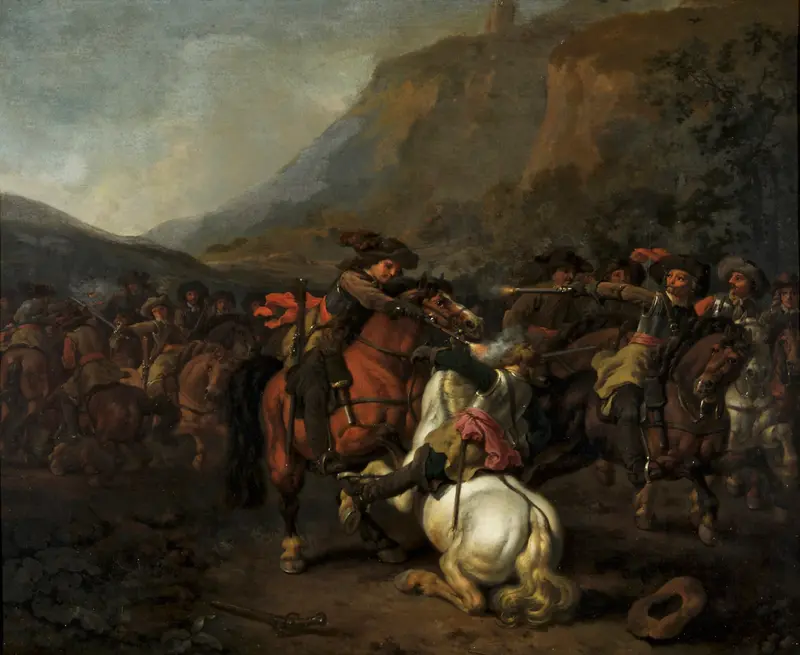
Ruitergevecht DM 016 1163 Dordrechts Museum
Abraham Van Calraet
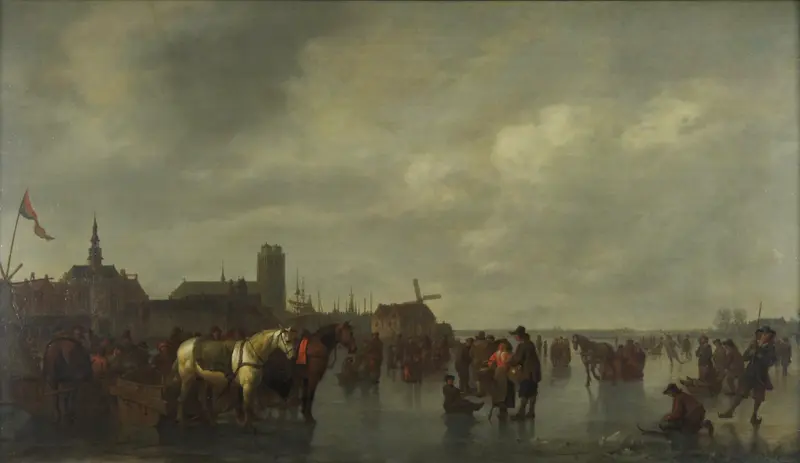
Scene on the Ice outside Dordrecht
Abraham Van Calraet
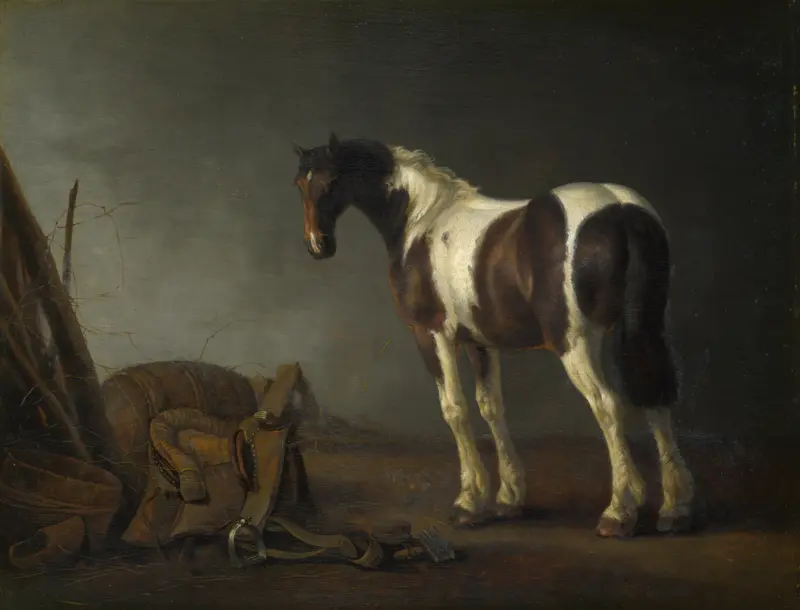
A Horse with a Saddle Beside it
Abraham Van Calraet
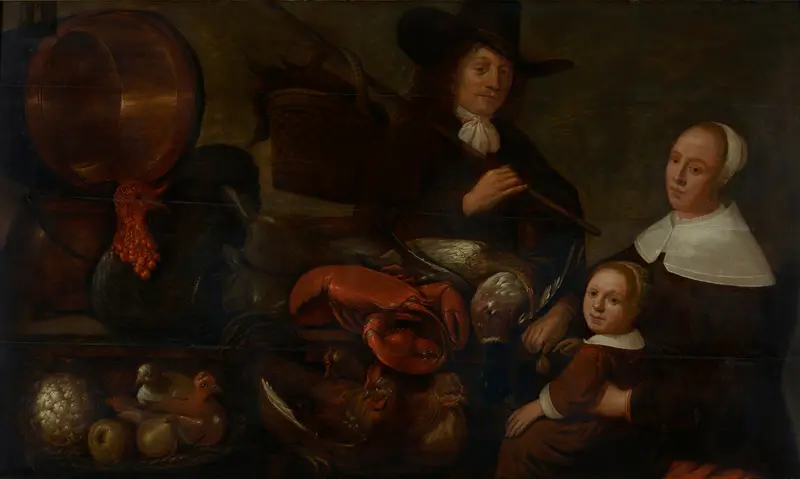
Portrait of a family
Abraham Van Calraet
More Genre Scene Art

Banquet of the Officers of the St George Civic Guard
Frans Hals

Rembrandt and Saskia in the Scene of the Prodigal Son
Rembrandt van Rijn

Bal du moulin de la Galette
Pierre-Auguste Renoir

Quadrille at the Moulin Rouge
Henri de Toulouse-Lautrec

A Burial at Ornans
Gustave Courbet

When Will You Marry?
Paul Gauguin