
A boy reading, possibly Nicolaes Hals — History & Facts
No one can say for certain who the young reader is in A boy reading, possibly Nicolaes Hals, nor even if he is truly the artist’s son, but the painting has long sparked debate among scholars. The question of the boy’s identity remains open, with some suggesting he is Nicolaes, the eldest of Frans Hals’s many children, while others see only a model for a genre scene. This uncertainty has only added to the painting’s allure, as viewers and historians alike search for clues in the boy’s features and pose.
What is clear is that, by the late 1630s, Frans Hals was celebrated for his ability to capture fleeting expressions and the inner life of his sitters, whether they were burghers, musicians, or, as here, a solitary boy absorbed in his book. The moment Hals chose is one of quiet concentration: the boy, his face half-lit, leans forward, eyes fixed on the open pages before him. His lips part as if mouthing the words, his hand steadying the book—an intimate glimpse into the act of learning. The casual tilt of his cap and the loose brushwork of his collar suggest informality, a break from the stiff formality found in earlier Dutch portraiture.
Unlike Rembrandt’s more dramatic studies of readers, Hals favors immediacy and warmth, rendering the boy’s world with brisk, lively strokes. The light falls from the left, illuminating the boy’s brow and hand, drawing attention to the act of reading itself—a symbol of curiosity and the spread of knowledge in the Dutch Golden Age. The painting’s early history is not fully documented, and its medium remains uncertain, though oil on canvas is most likely given Hals’s usual practice. Its attribution has occasionally been questioned, with some suggesting the hand of a pupil, but most experts now agree it is by Frans Hals himself.
Over the centuries, the work has passed quietly through private collections before entering the public eye in the twentieth century. Today, it stands as a testament to Hals’s gift for capturing life as it unfolds, and to the enduring mystery of the boy whose identity—like the contents of his book—remains just out of reach.
More Artworks by Frans Hals

Banquet of the Officers of the St George Civic Guard
Frans Hals

Portrait of Jacob Pietersz Olycan (1596-1638)
Frans Hals
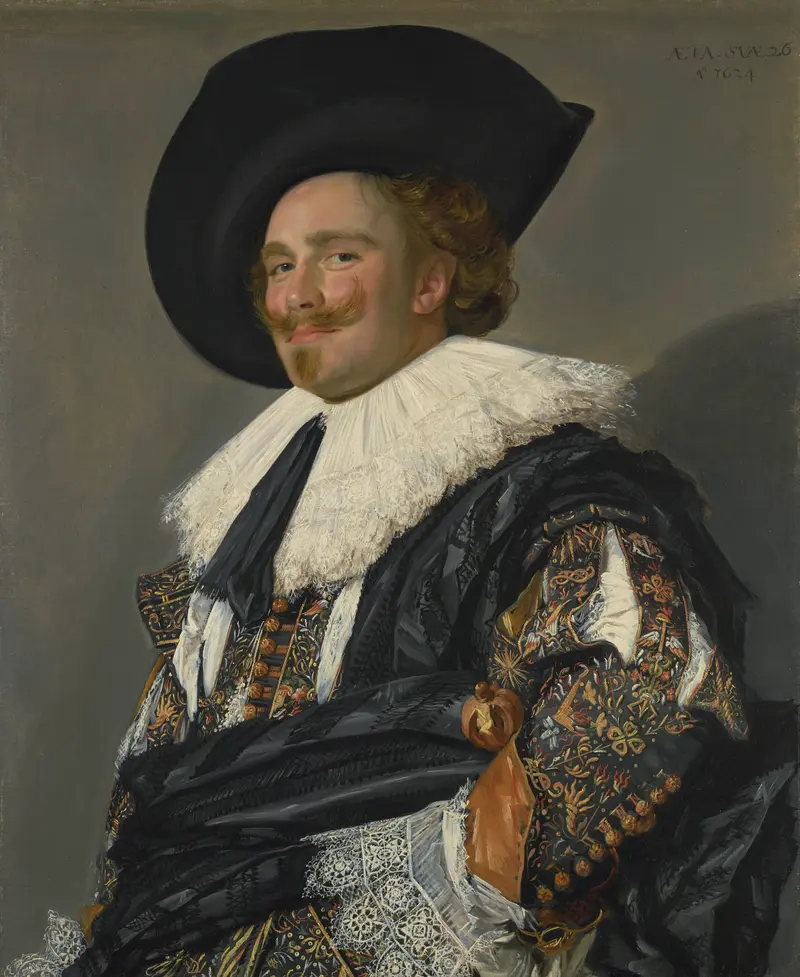
Laughing Cavalier
Frans Hals

Militia Company of District XI under the Command of Captain Reynier Reael, Known as ‘The Meagre Company’
Frans Hals
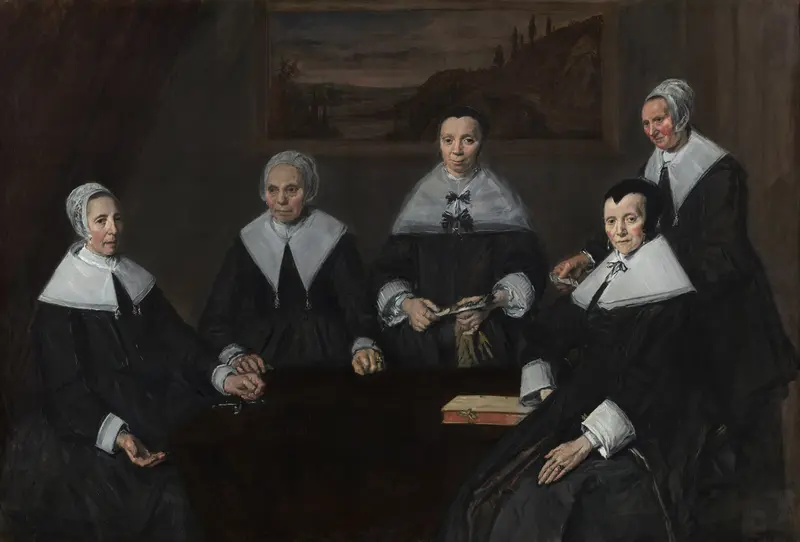
Regentesses of the Old Men's Alms House
Frans Hals
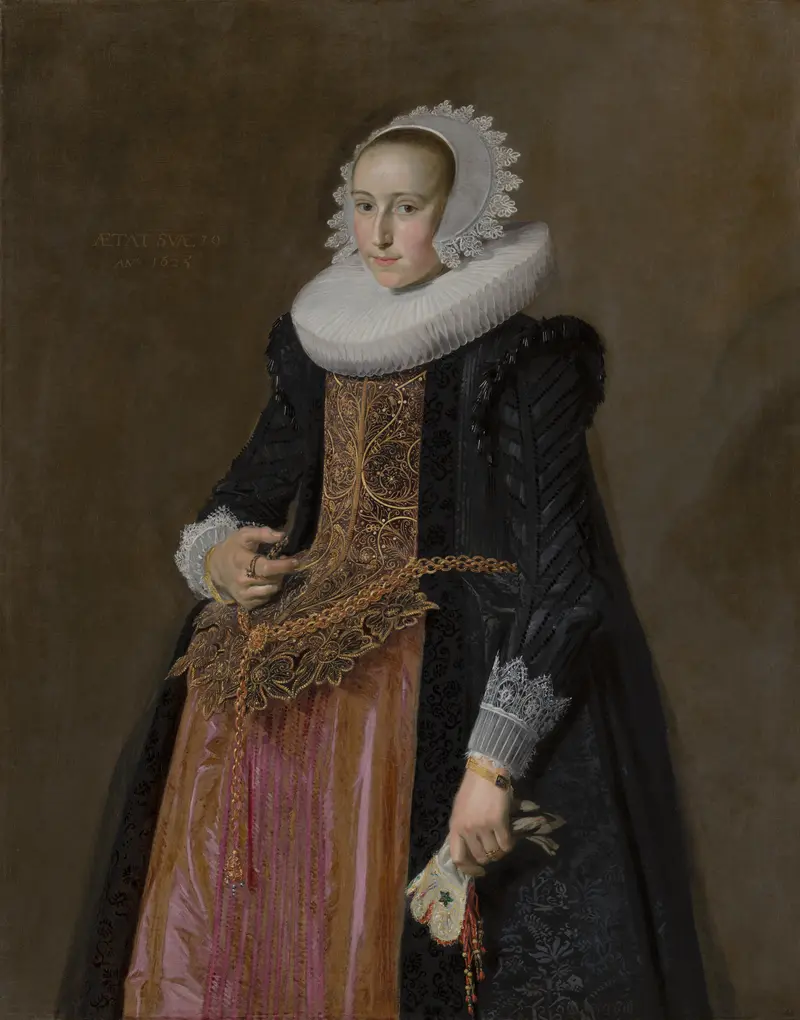
Portrait of Aletta Hanemans (1606–1653)
Frans Hals
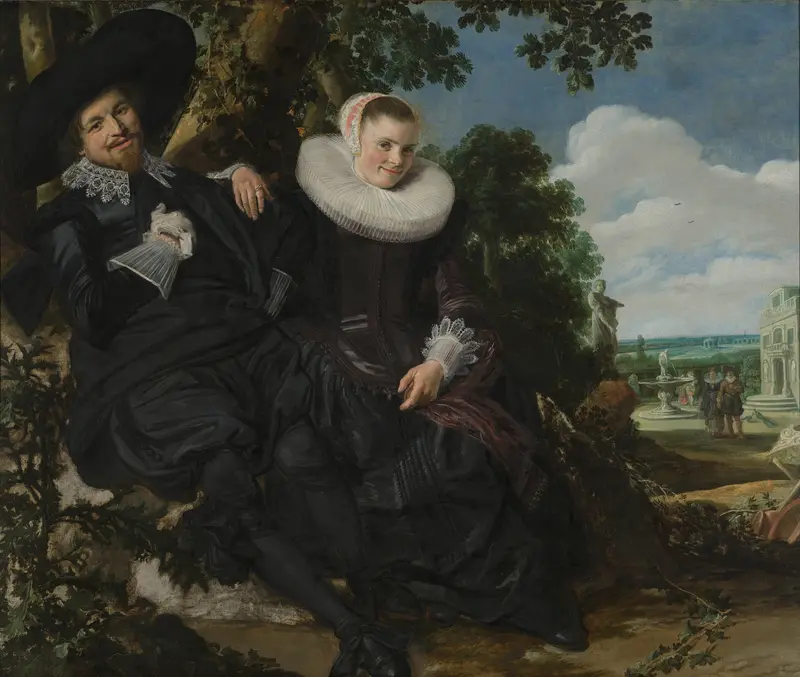
Portrait of a Married Couple, Likely Isaac Abrahamsz Massa and Beatrix van der Laen
Frans Hals
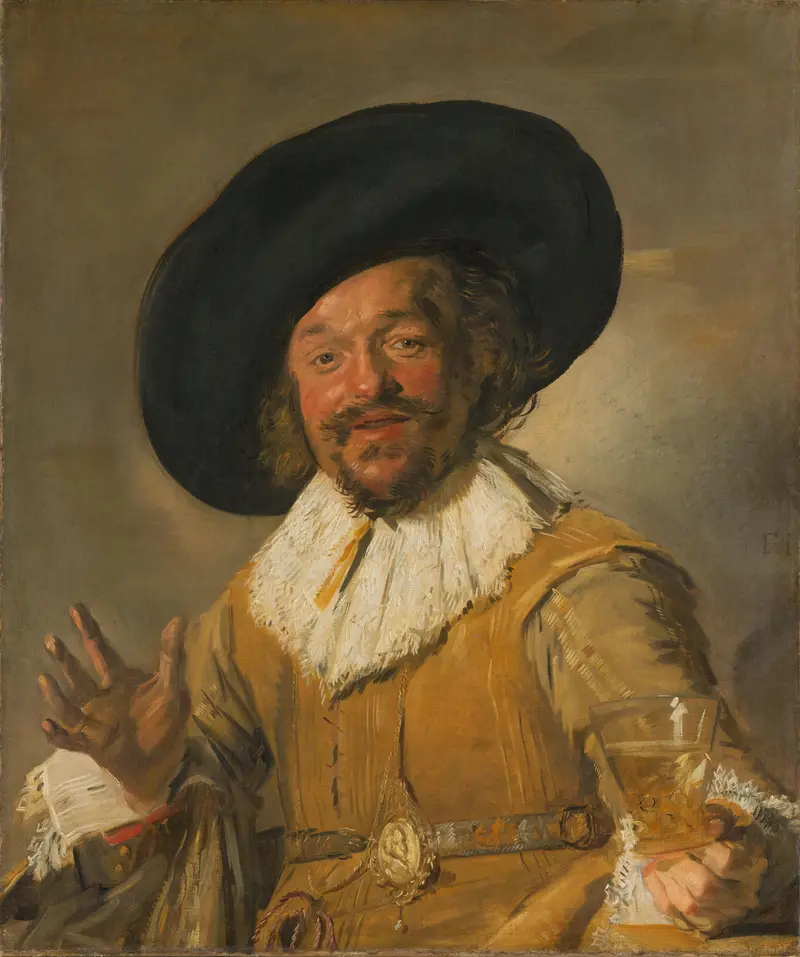
The Merry Drinker
Frans Hals
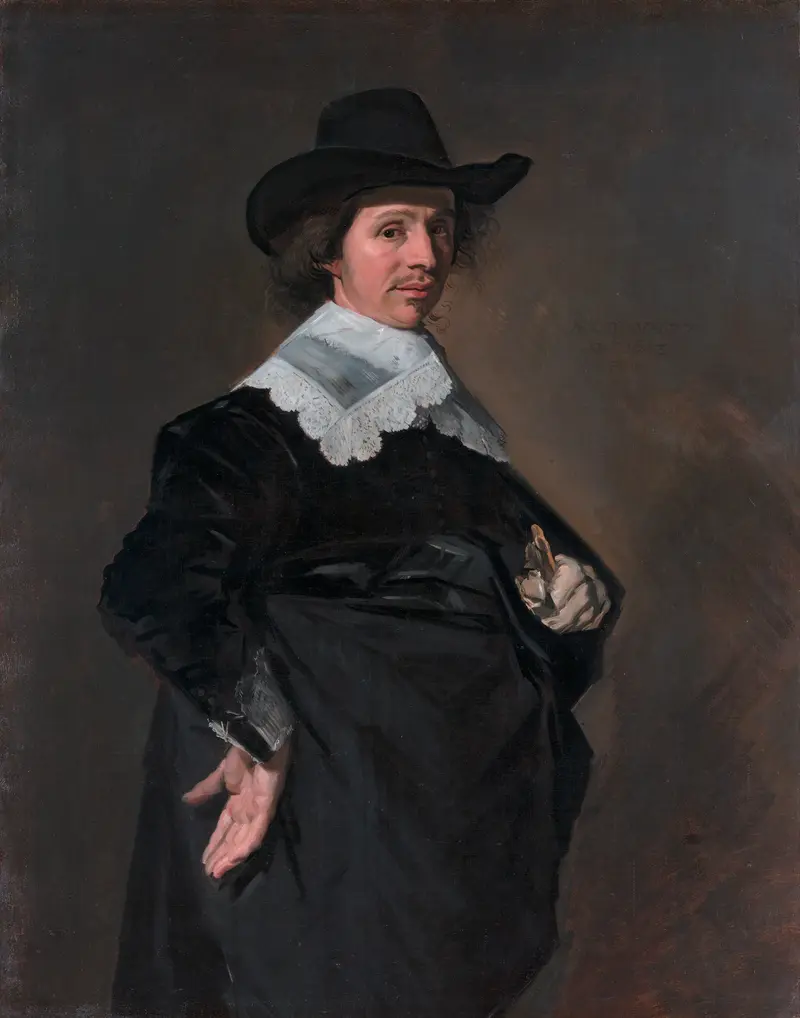
Portrait of Paulus Verschuur
Frans Hals
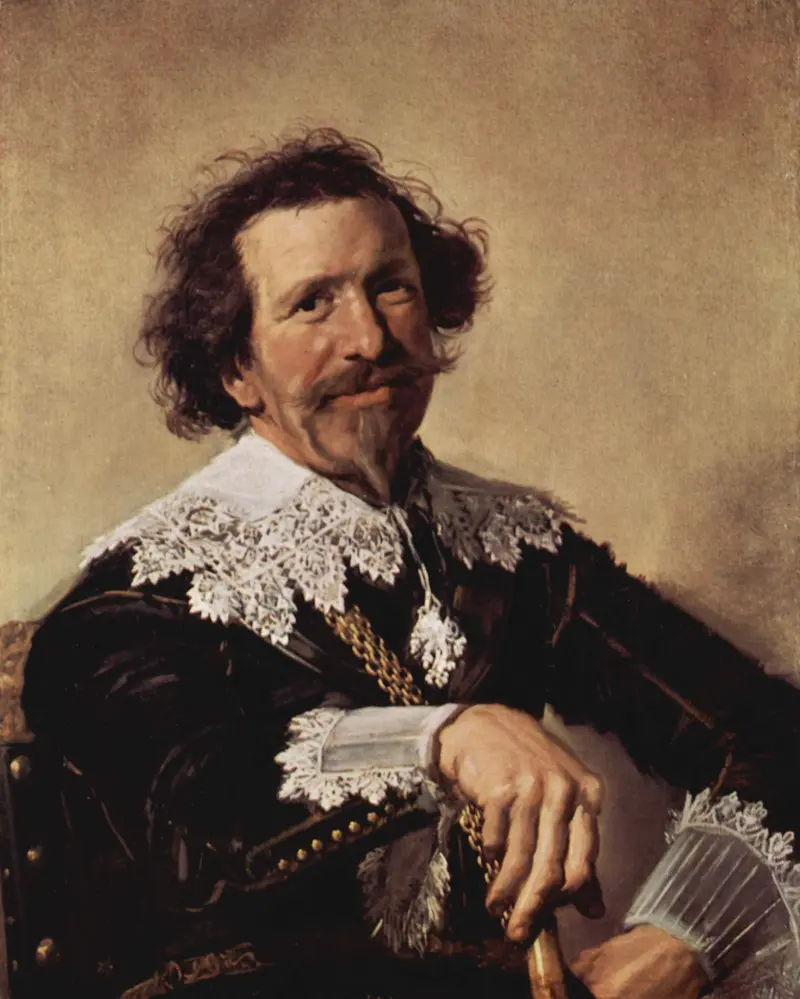
Portrait of Pieter van den Broecke
Frans Hals
More Genre Scene Art
Banquet of the Officers of the St George Civic Guard
Frans Hals

Rembrandt and Saskia in the Scene of the Prodigal Son
Rembrandt van Rijn

Bal du moulin de la Galette
Pierre-Auguste Renoir

Quadrille at the Moulin Rouge
Henri de Toulouse-Lautrec

A Burial at Ornans
Gustave Courbet

When Will You Marry?
Paul Gauguin