
A Cart-Horse — History & Facts
No other artist of the early nineteenth century was so closely linked to horses as Théodore Géricault. His fascination with equine subjects was so intense that he reportedly spent hours at Parisian abattoirs and stables, sketching the anatomy and movement of these animals. A Cart-Horse stands as a testament to this obsession, and while the exact date and circumstances of its creation remain uncertain, it is often grouped with the studies Géricault made while preparing for his monumental The Raft of the Medusa.
The immediacy and vitality of the animal in this work have led some scholars to speculate that it was painted directly from life, a practice not yet common among his contemporaries. At the heart of the painting, a single draft horse dominates the canvas, captured in a moment of tense stillness. The animal’s massive shoulders and bowed head convey both power and fatigue, its harness and traces suggesting a life of labor rather than glory. Géricault’s brushwork lingers on the textures of matted mane and taut muscle, inviting the viewer to consider the dignity and suffering of working animals.
Unlike the elegant steeds of George Stubbs or the heroic chargers of Jacques-Louis David, Géricault’s horse is neither idealized nor sentimentalized; it is a creature shaped by toil, rendered with unsparing honesty. The subdued palette and focused composition draw the eye to the animal’s expressive eye, hinting at the empathy the artist felt for his subject. The provenance of A Cart-Horse is as elusive as its date; no records of a specific commission or early exhibition survive. Works of this type—animal studies, painted with a directness that anticipates later Realist artists—were not always valued in Géricault’s lifetime, often remaining in the artist’s studio or passing quietly through private collections.
Today, such pieces are recognized as crucial to understanding Géricault’s development and his influence on later painters like Rosa Bonheur. Whether hanging in a major museum or preserved in a private collection, A Cart-Horse endures as a vivid example of Géricault’s radical empathy and technical daring, bridging the gap between Romanticism and the realism that would follow.
More Artworks by Théodore Géricault
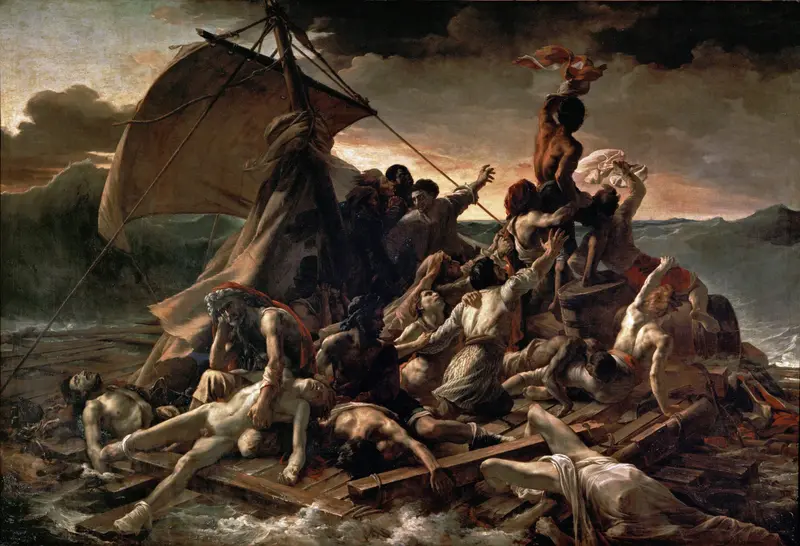
The Raft of the Medusa
Théodore Géricault

Géricault - Le naufrage du radeau de la Méduse, MBA 790
Théodore Géricault
Cattle Market
Théodore Géricault
Evening; Landscape with an Aqueduct
Théodore Géricault
Horse Race
Théodore Géricault

Horses Standing in a Mews
Théodore Géricault
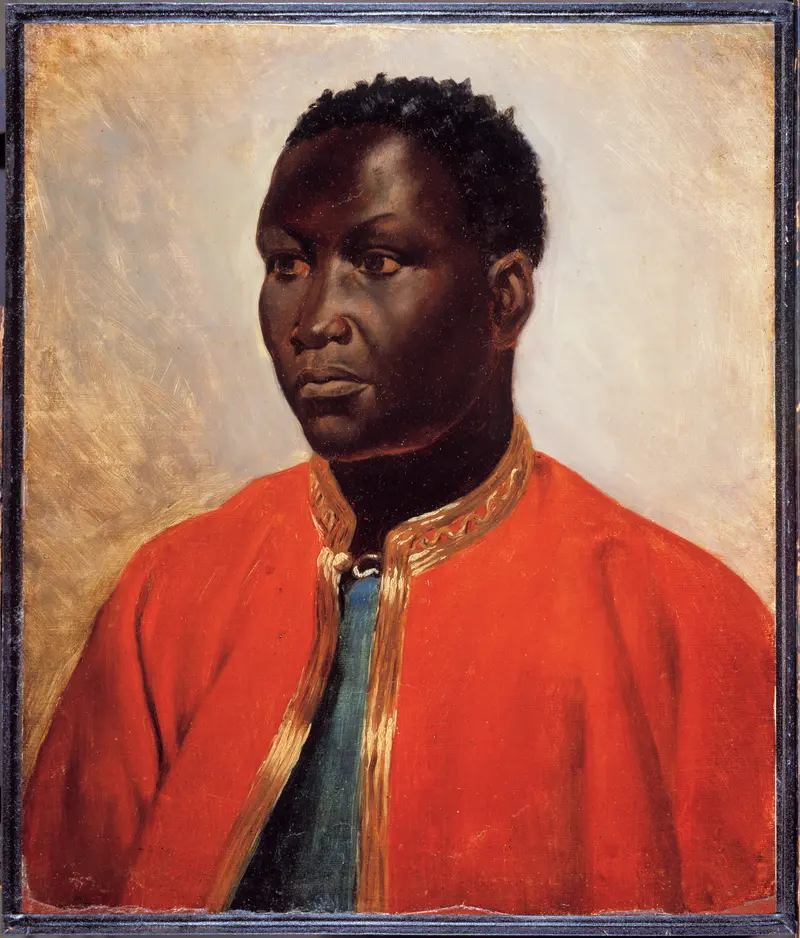
Portrait of a Negro
Théodore Géricault
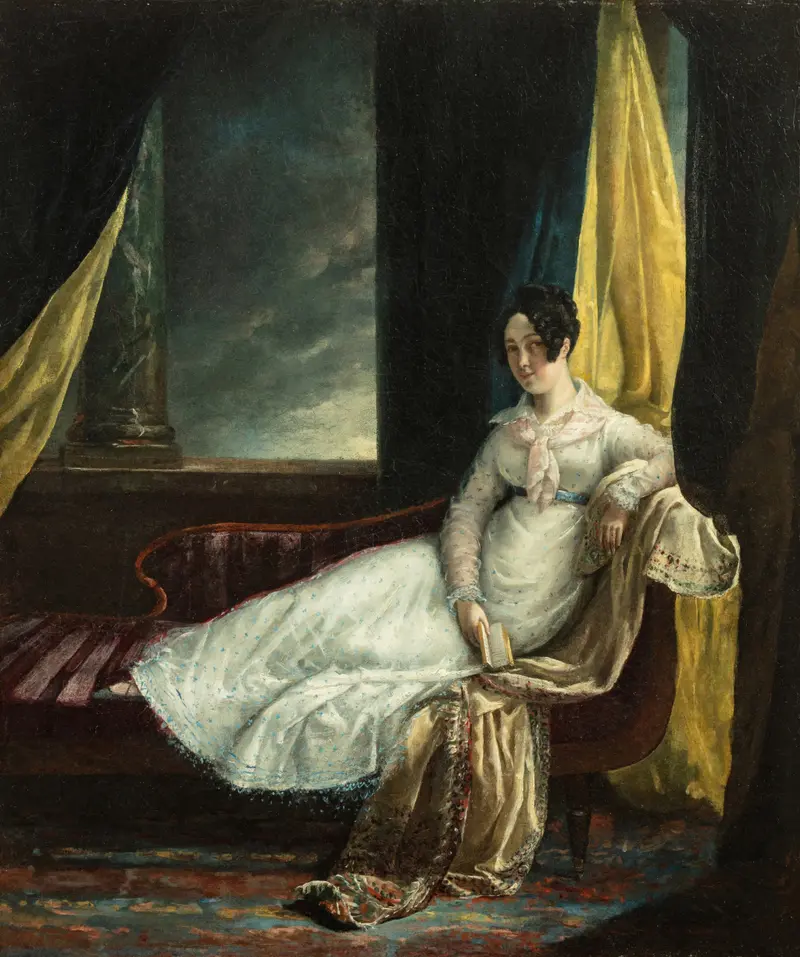
Portrait of Zoë Elmore
Théodore Géricault
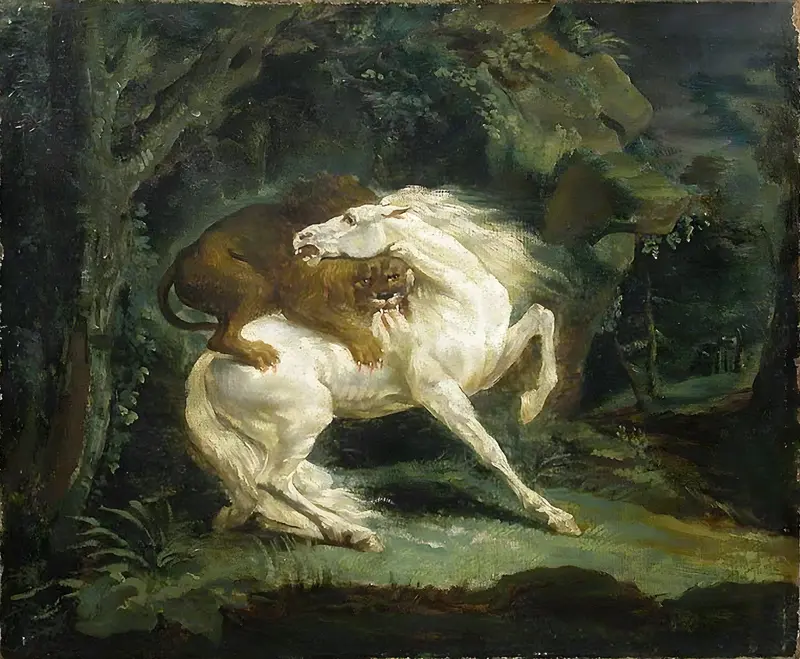
Cheval attaqué par un lion
Théodore Géricault
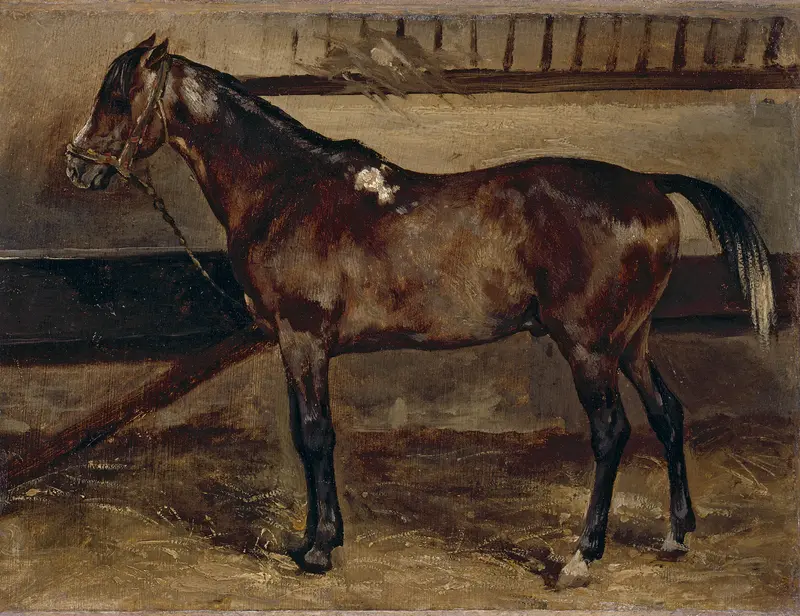
Cheval brun à l'écurie
Théodore Géricault





