A Garden in Nassau — History & Facts
In the warm embrace of a late afternoon sun, a lush garden reveals itself, swathed in vibrant greens and punctuated with bursts of color. Two women, their dresses billowing gently, lean toward the flourishing flowers, absorbed in the sacred act of tending to nature's bounty. A nearby tree stands sentinel, casting playful shadows that dance upon the earth, while the air is thick with the sweet fragrance of blossoms and the soft rustle of leaves—a moment suspended in tranquility. Look to the left, where a blossoming rosebush catches the light, its petals ablaze with shades of crimson and pink.
Notice how the sunlight filters through the leaves, creating a mosaic of light and shadow that celebrates the beauty of the scene. The painter’s brushstrokes reveal an intimate connection between the figures and their surroundings, as if nature itself is cradling them. The composition is both a portrait and a landscape, where the figures become an extension of the garden's divine energy. Yet beneath the surface of this idyllic moment lies a tension of duality—between the woman's delicate touch and the wild exuberance of the foliage.
The garden, a symbol of nurturing and growth, contrasts with the ephemeral quality of life. Each bloom represents not only the beauty of creation but also the inevitable passage of time, reminding viewers of the fragility of existence amidst nature's bounty. In 1885, when this painting was created, Winslow Homer was immersed in a world that recognized the profound connection between humanity and nature. Living in Prouts Neck, Maine, he was witnessing a shift in the art world, moving away from the constraints of realism toward a more personal expression of beauty.
This garden, both a personal sanctuary and a reflection of broader themes in art, encapsulates his evolving vision as he sought to capture the divine essence in the simplicity of everyday life.
More Artworks by Winslow Homer
Browse all →
The Gulf Stream
Winslow Homer
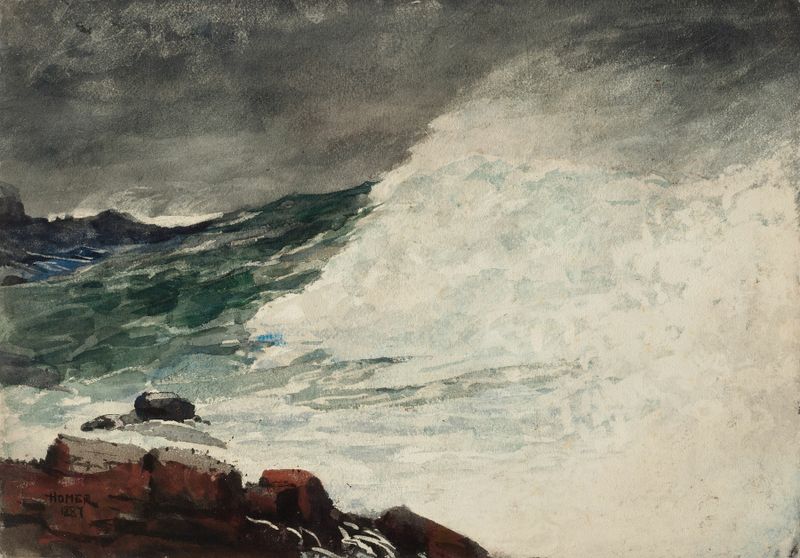
Prout’s Neck, Breaking Wave
Winslow Homer
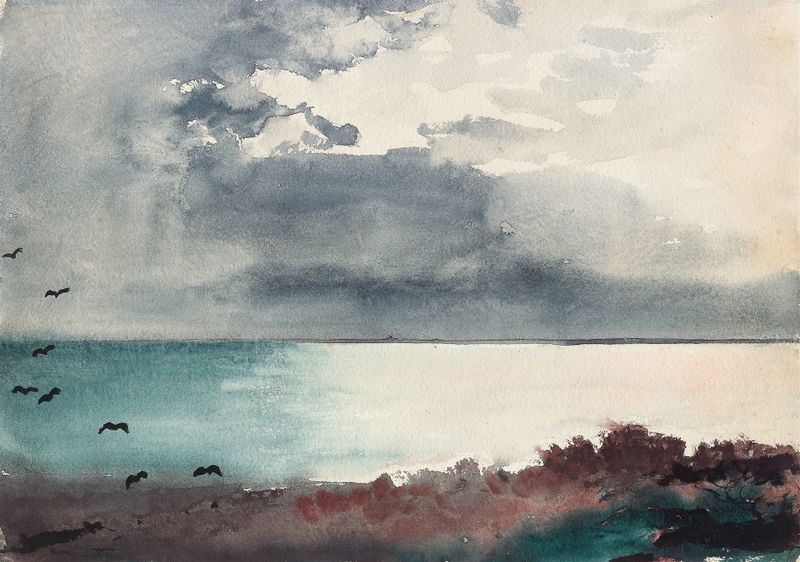
Breaking Storm, Coast of Maine
Winslow Homer
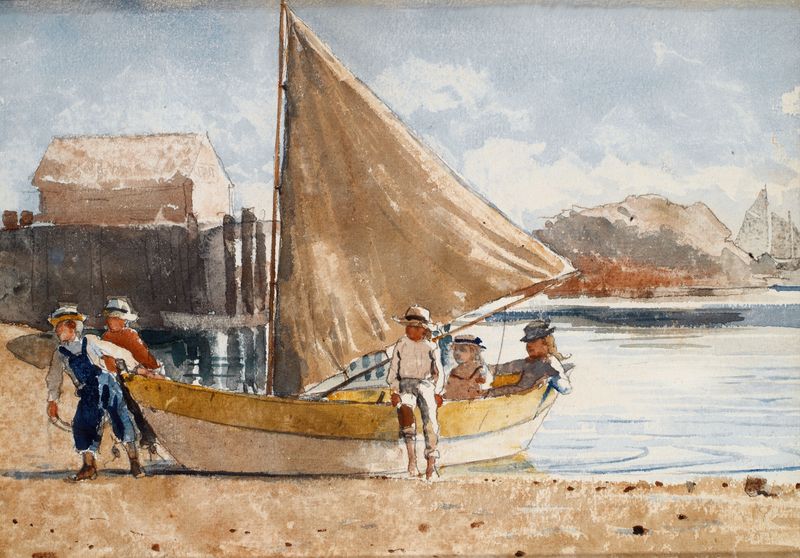
Summertime
Winslow Homer
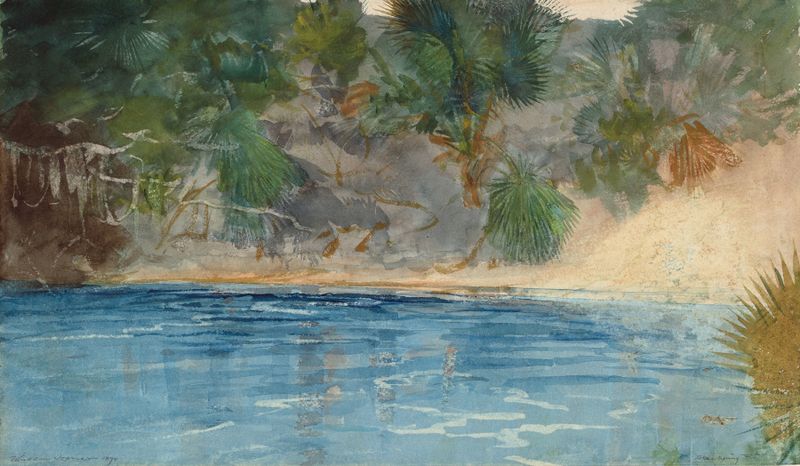
Blue Spring, Florida
Winslow Homer
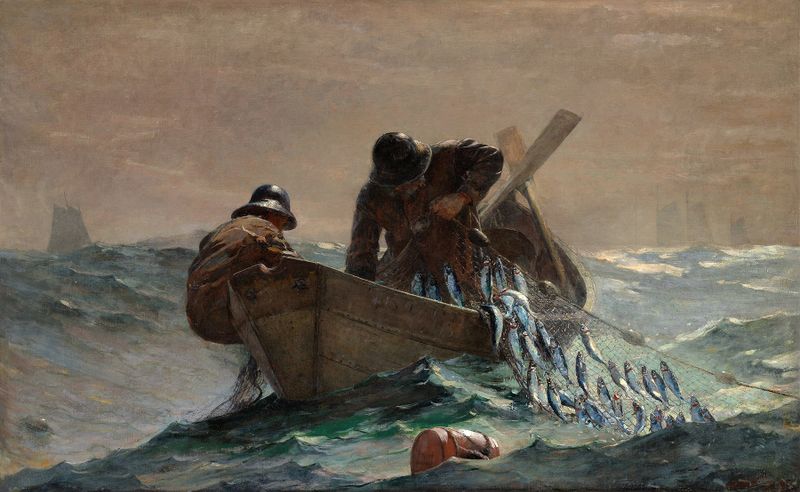
The Herring Net
Winslow Homer
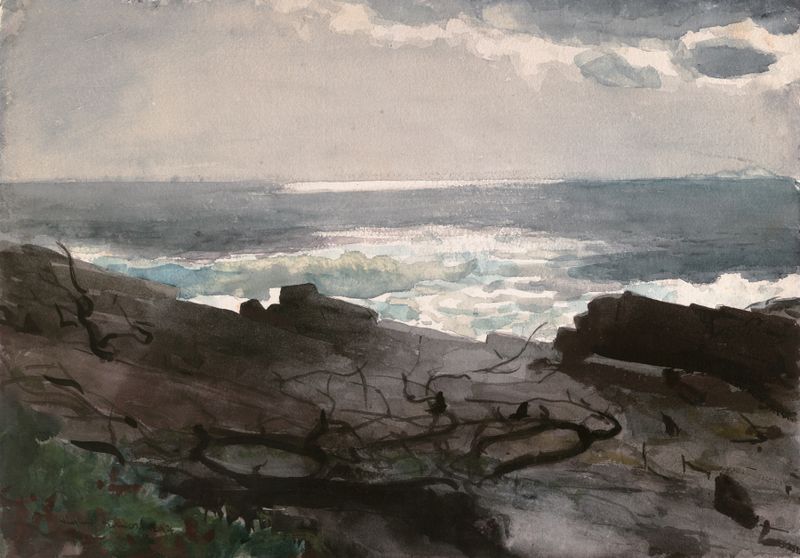
Sunshine and Shadow, Prout’s Neck
Winslow Homer
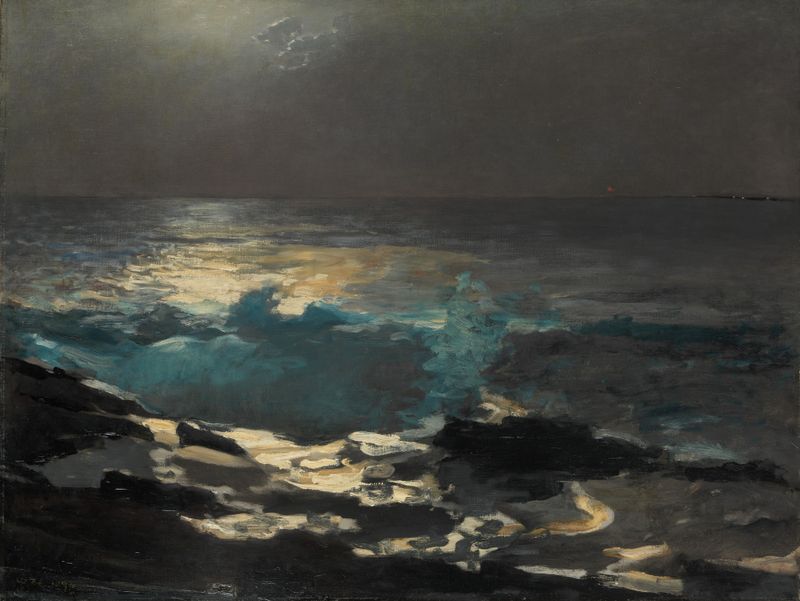
Moonlight, Wood Island Light
Winslow Homer
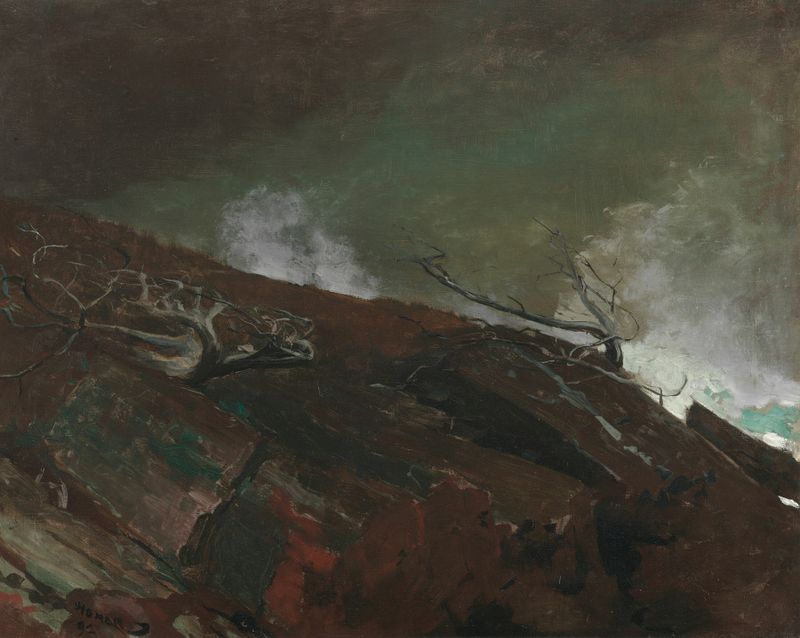
Coast of Maine
Winslow Homer
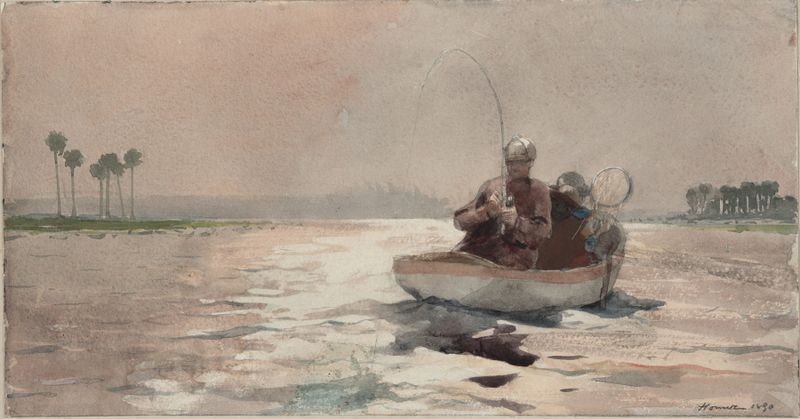
Bass Fishing – Florida
Winslow Homer