
A Kikuyu Man — History & Facts
What first grips the viewer in A Kikuyu Man is the immediacy of the brushwork—thick, impulsive strokes that seem to sculpt the face from raw color rather than paint it. The subject’s gaze, half-shadowed and direct, draws the eye into a moment of encounter that feels both intimate and unresolved. Around the head, the background dissolves into vertical ribbons of ochre and clay, as if the figure is emerging from, or dissolving into, the earth itself.
The necklace of white beads and the feathered adornment are painted with the same urgency as the flesh, their presence suggesting identity and tradition without ever letting the portrait slip into mere costume. Created in 1909, this work stands at the intersection of European modernism and the colonial gaze, a time when artists like Akseli Gallen-Kallela traveled far from their native lands in search of new subjects and inspiration. Portraits of African sitters by European artists in this period were rare, and often entangled with the politics and prejudices of empire. Little is recorded about the journey of this specific painting or the life of its sitter, but its presence today in a Finnish collection hints at the complex currents of travel, curiosity, and encounter that shaped the early twentieth century.
The rough, almost sculptural handling of paint invites us to look again, not for answers, but for the questions this face still asks of us.
More Artworks by Akseli Gallen-Kallela
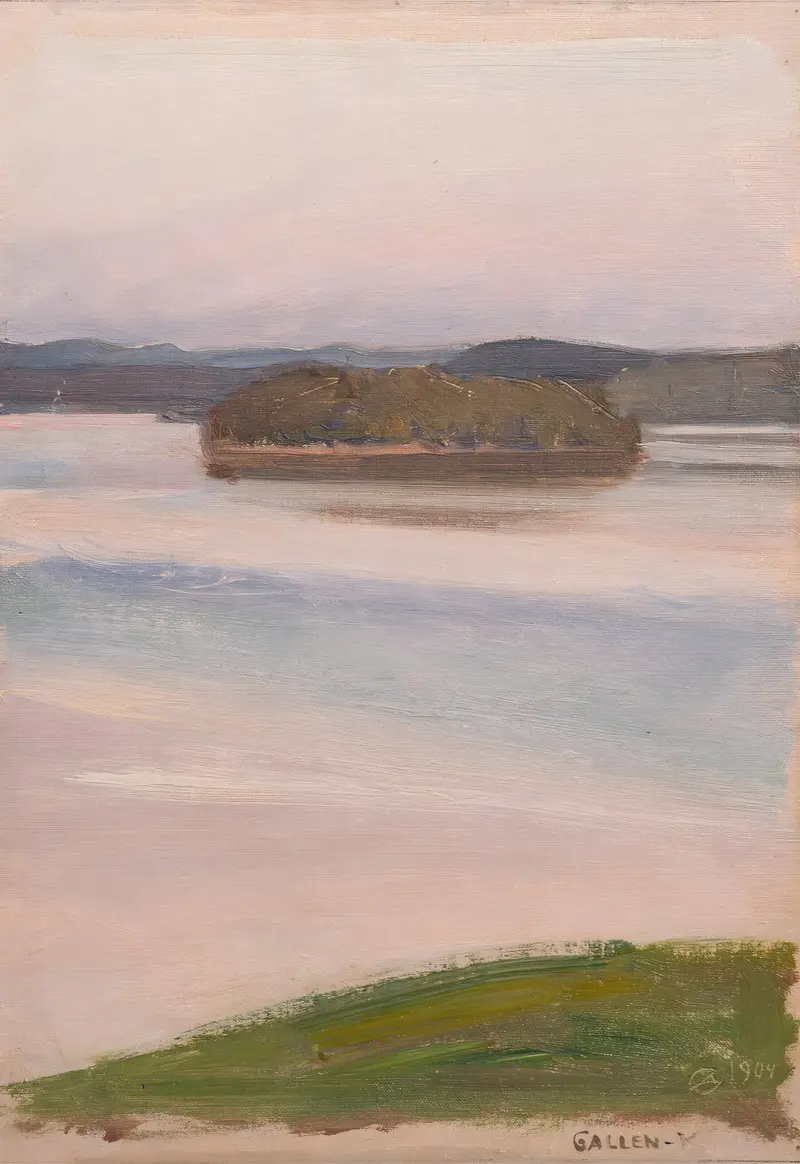
Lake Keitele
Akseli Gallen-Kallela
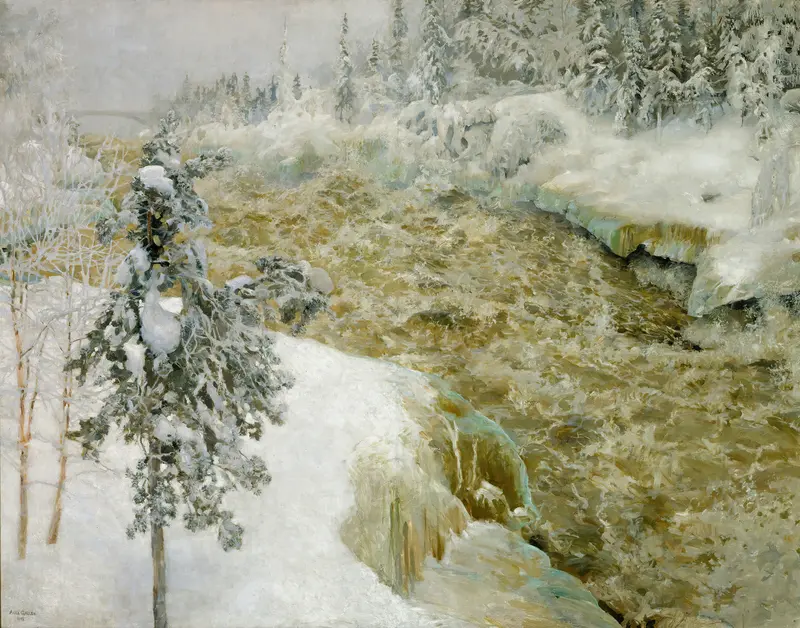
Imatra Falls in Snow ; Imatra in Winter
Akseli Gallen-Kallela
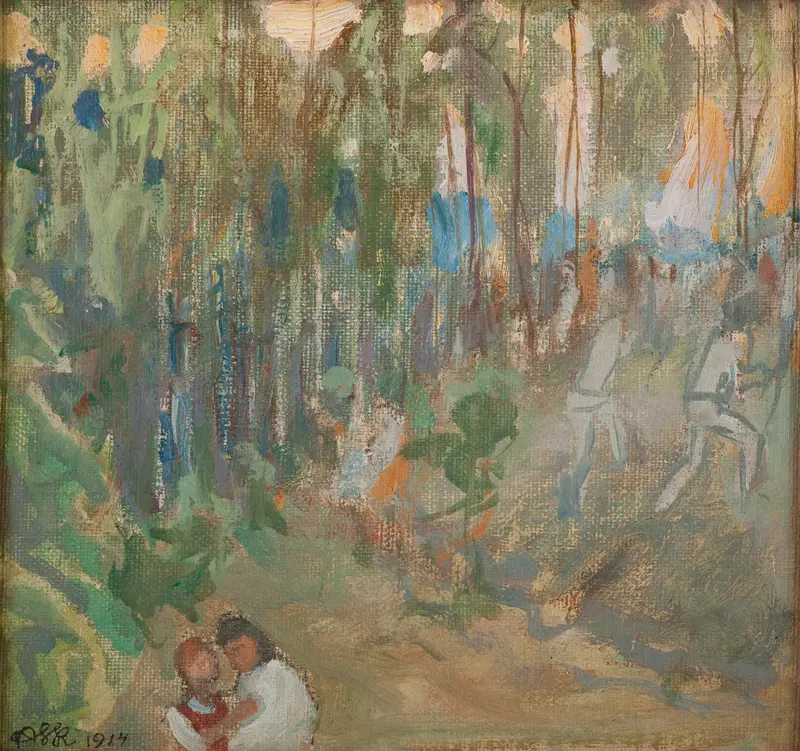
Vainovalkeat
Akseli Gallen-Kallela
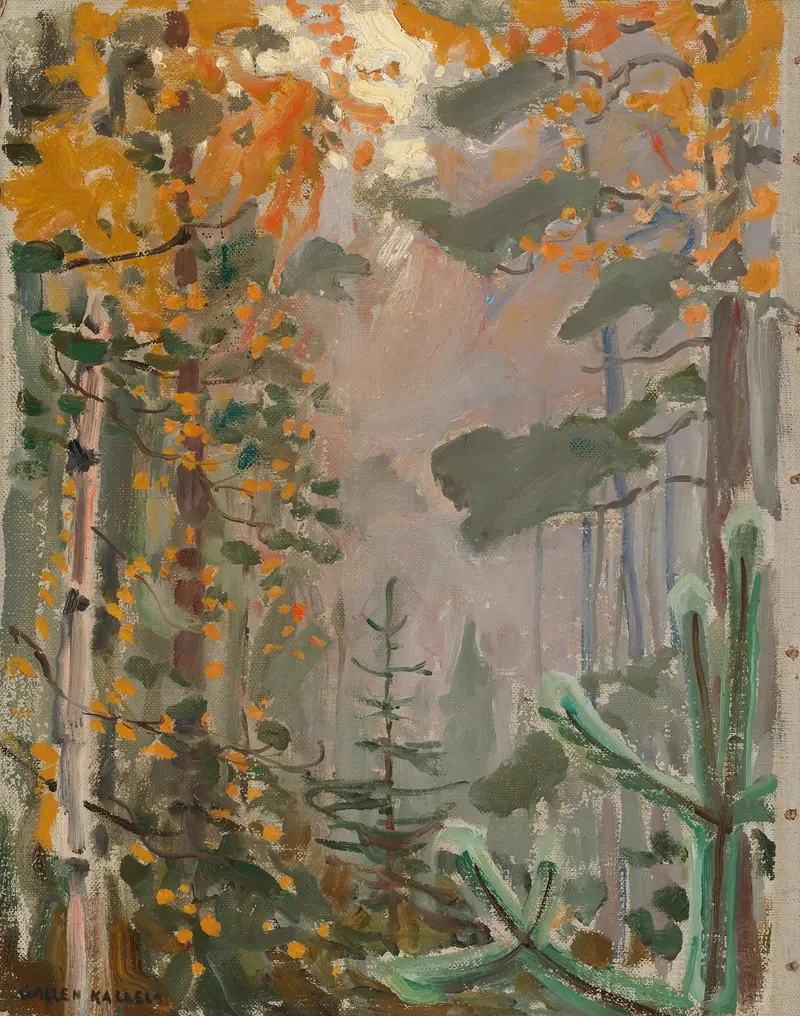
Autumn Landscape
Akseli Gallen-Kallela
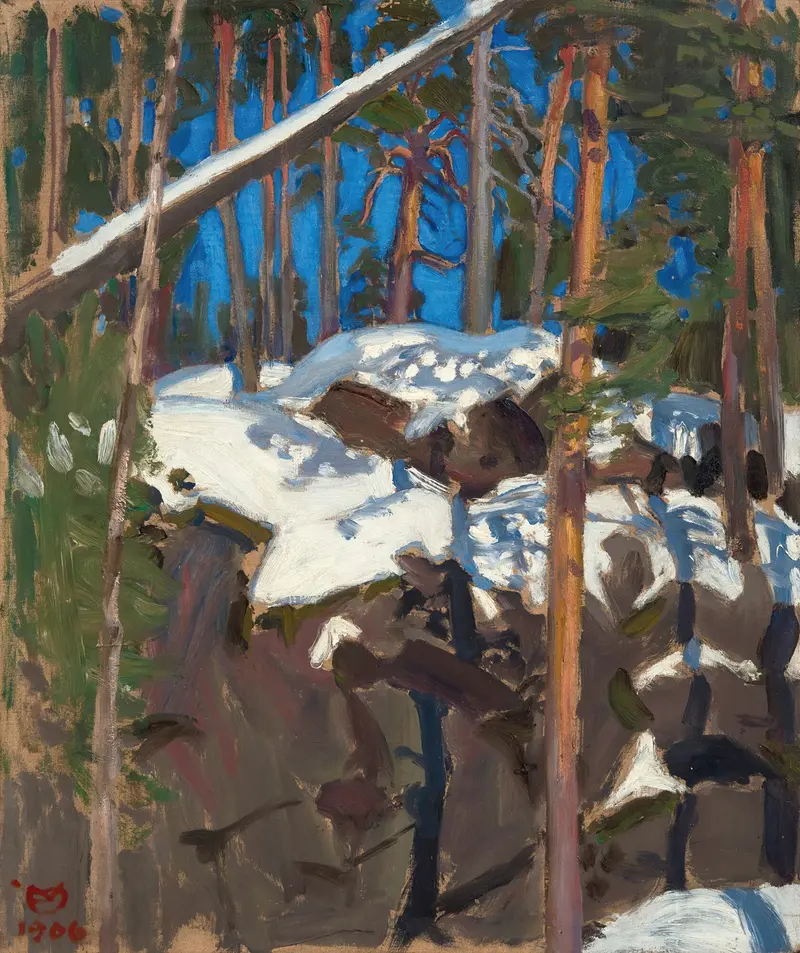
Spring Sun At Konginkangas
Akseli Gallen-Kallela
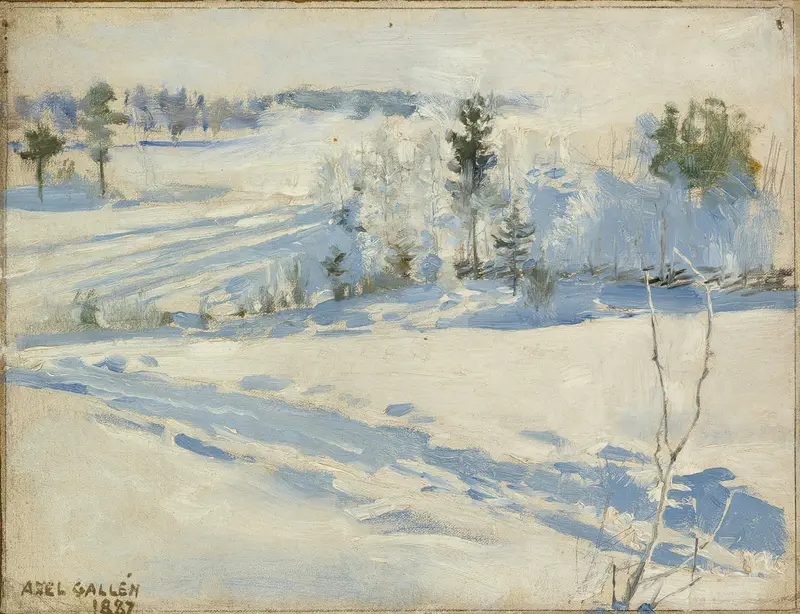
Winter Landscape
Akseli Gallen-Kallela

First Snow
Akseli Gallen-Kallela
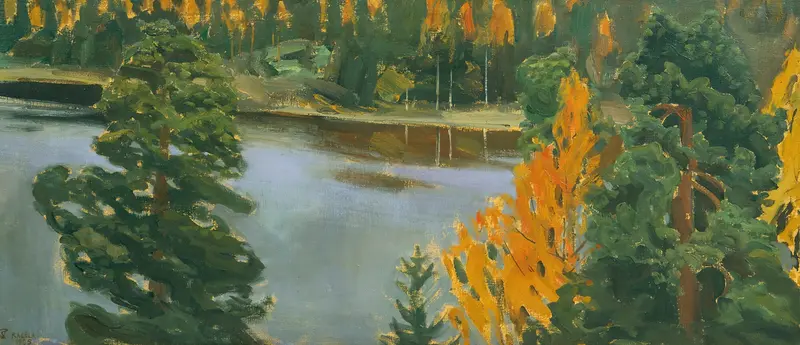
Lake View In Autumn
Akseli Gallen-Kallela
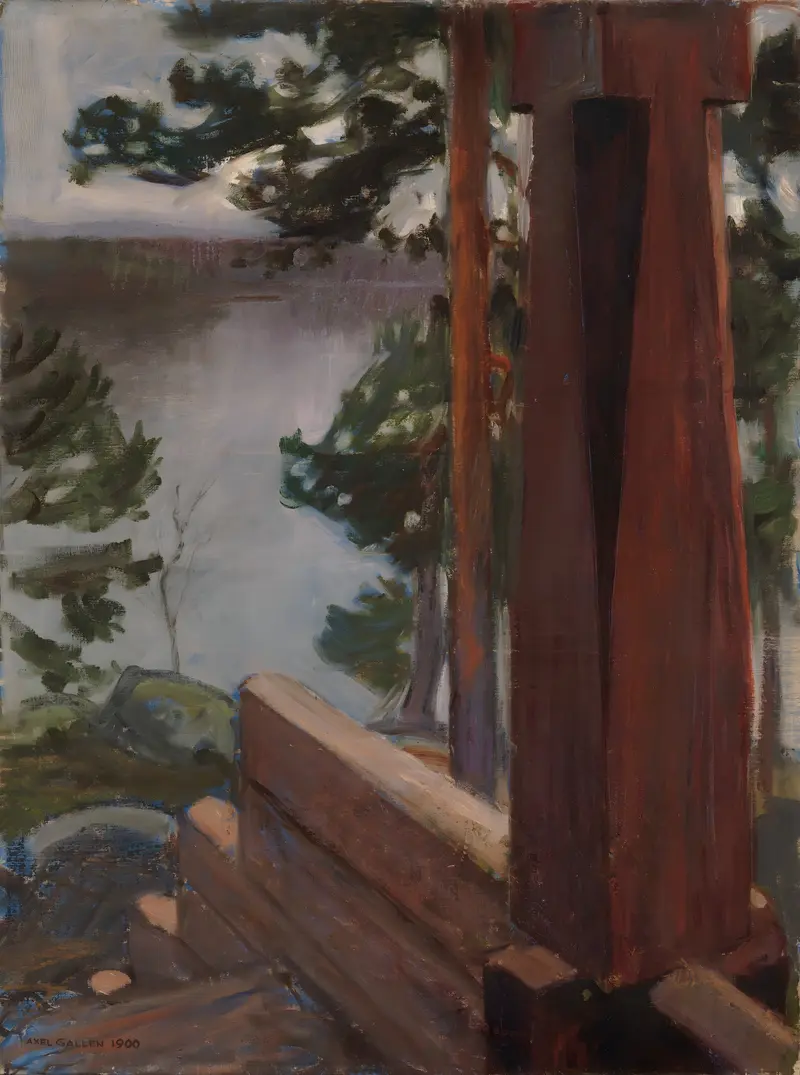
The Kalela Porch
Akseli Gallen-Kallela

Light Behind The Clouds
Akseli Gallen-Kallela





