
À la Place Clichy — History & Facts
What draws the viewer in first is the charged encounter at the heart of À la Place Clichy: two men, worlds apart in dress and bearing, meet over a cascade of dazzling carpets. The older figure, robed in patterned fabrics and crowned with a yellow turban, stands tall and still, his staff and gaze commanding attention. Opposite him, a European man in a pale suit and pith helmet leans forward, cane in hand, intent on inspecting the wares.
The riot of geometric reds and blues beneath their feet is no mere background—it is the very subject, a sea of “Oriental” textiles that promises luxury and exoticism to the Parisian consumer. Every fold and motif is rendered with a precision that speaks to both the artist’s delight in surface and the poster’s commercial mission. Created in 1898, this work belongs to a world where posters were the lifeblood of urban advertising and the language of commerce was visual seduction. Eugène Grasset was a leading figure in the Art Nouveau movement, known for his bold outlines and rich, flat color, and here he lends his style to the fever for imported goods that swept through Paris at the turn of the century.
The poster was printed at Imprimerie Chaix, a powerhouse of illustrated publicity, and its message is clear: at Place Clichy, one finds the “première maison du monde” for Oriental imports. History has kept few traces of the actual shop, but the poster survives as a window onto an era when the city’s appetite for the exotic was matched only by its hunger for spectacle. Look again, and see how commerce, fantasy, and artistry are woven together in every thread of the scene.
More Artworks by Eugène Grasset

Samuel Eviradnus 237 Maison de Victor Hugo
Eugène Grasset
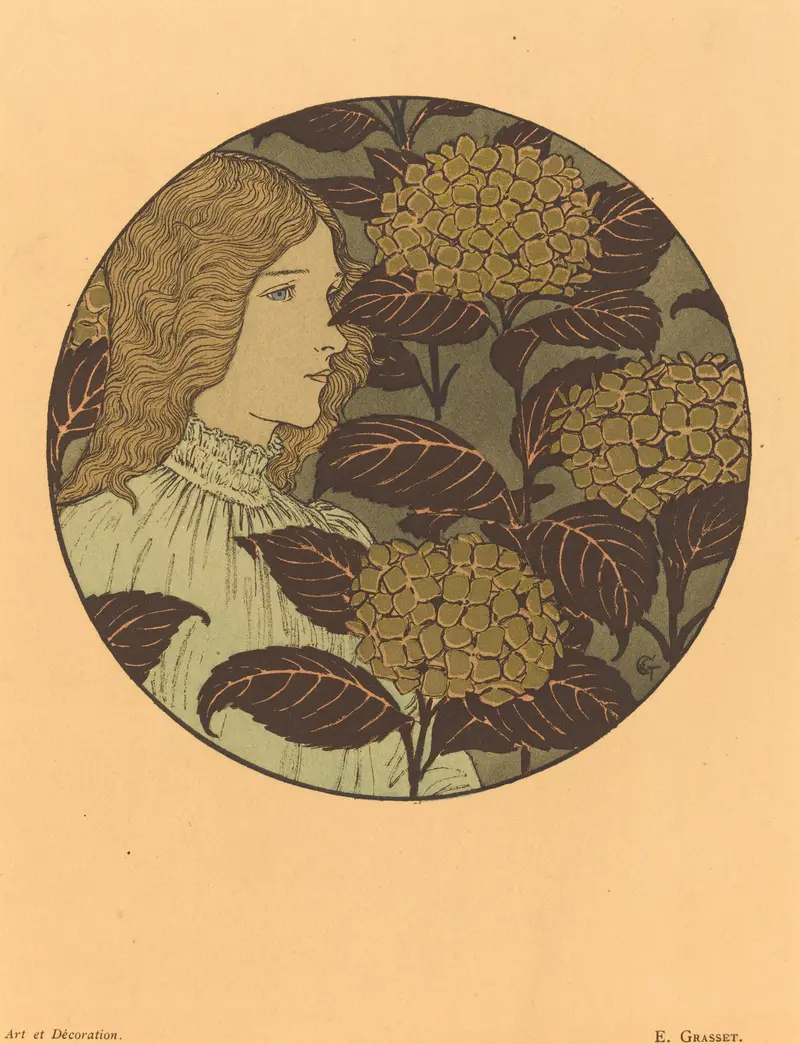
Portrait of a Girl (Roundel)
Eugène Grasset
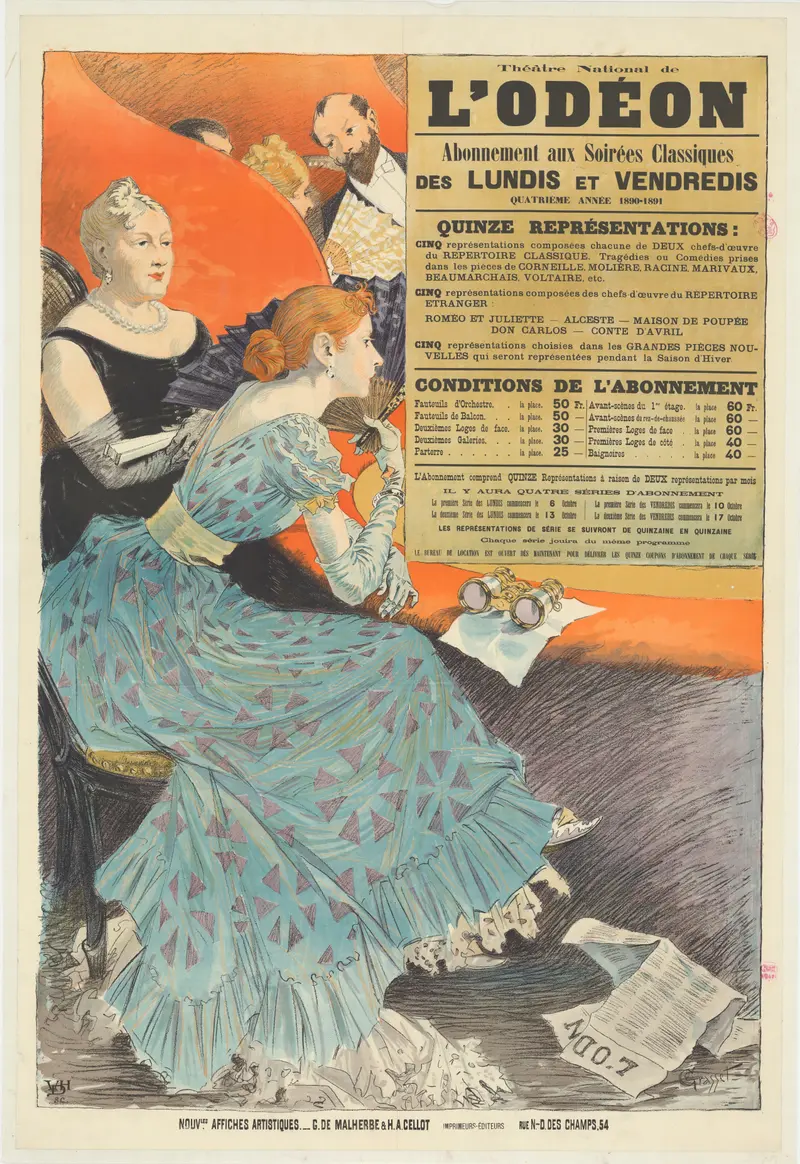
Théâtre National de l'Odéon
Eugène Grasset
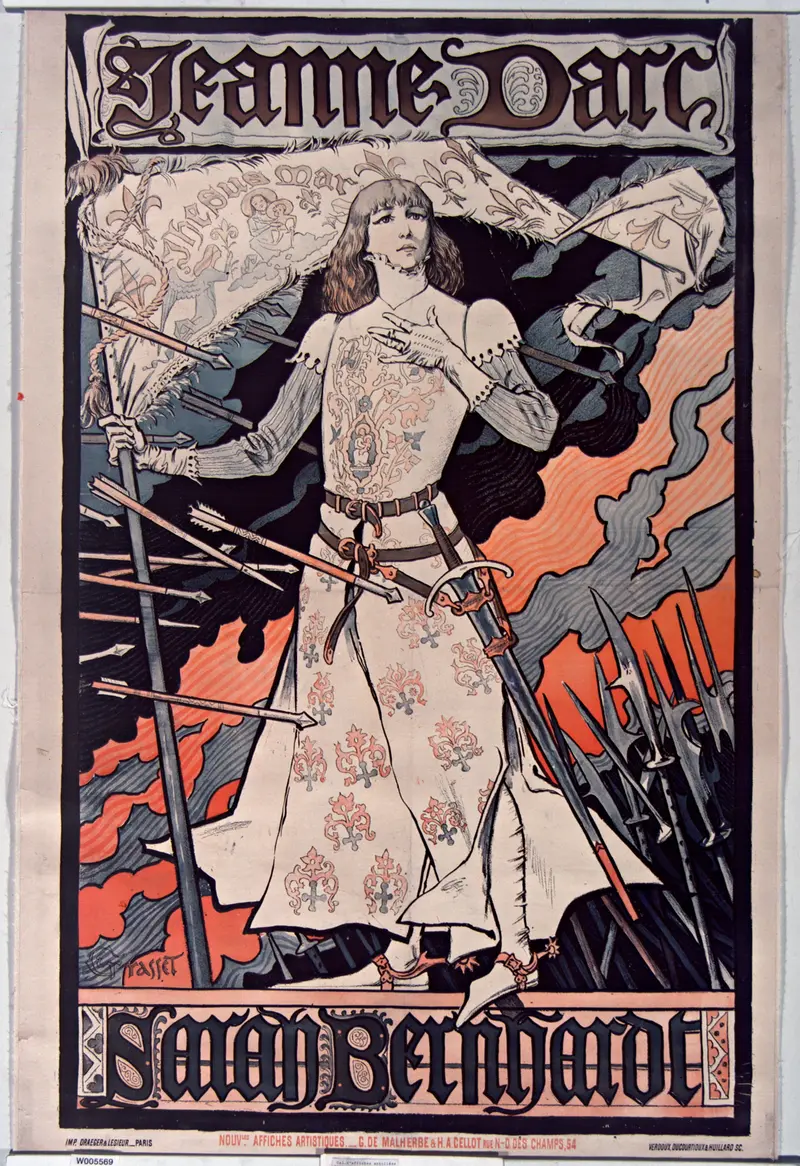
Jeanne d'Arc – Sarah Bernhardt
Eugène Grasset
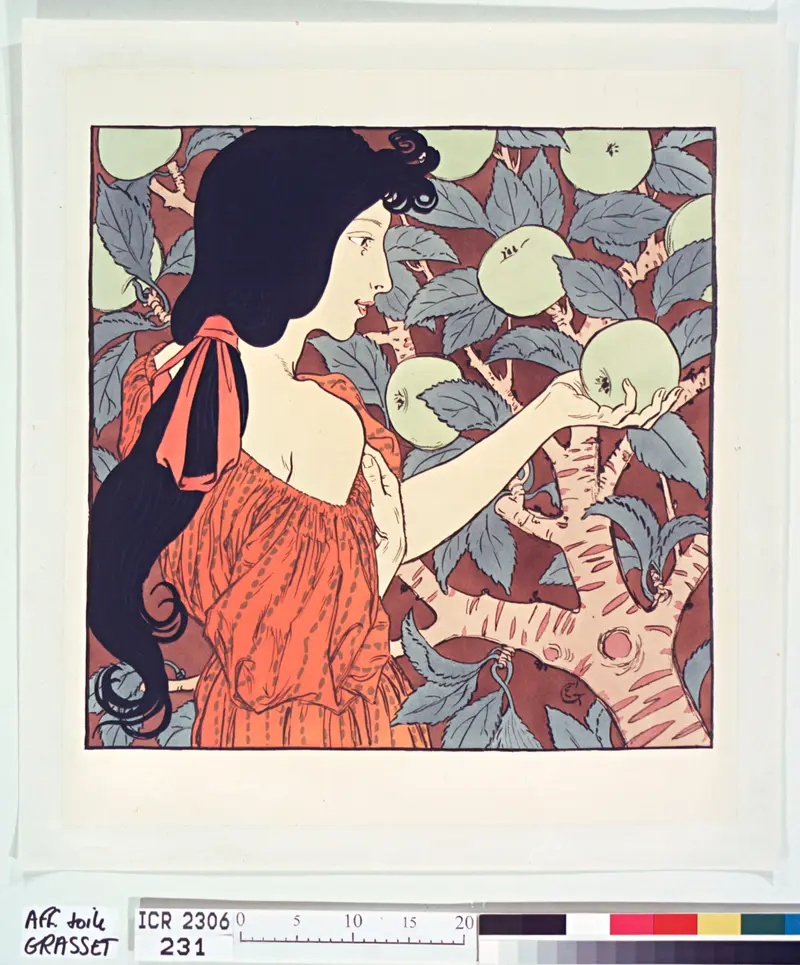
Tentation
Eugène Grasset
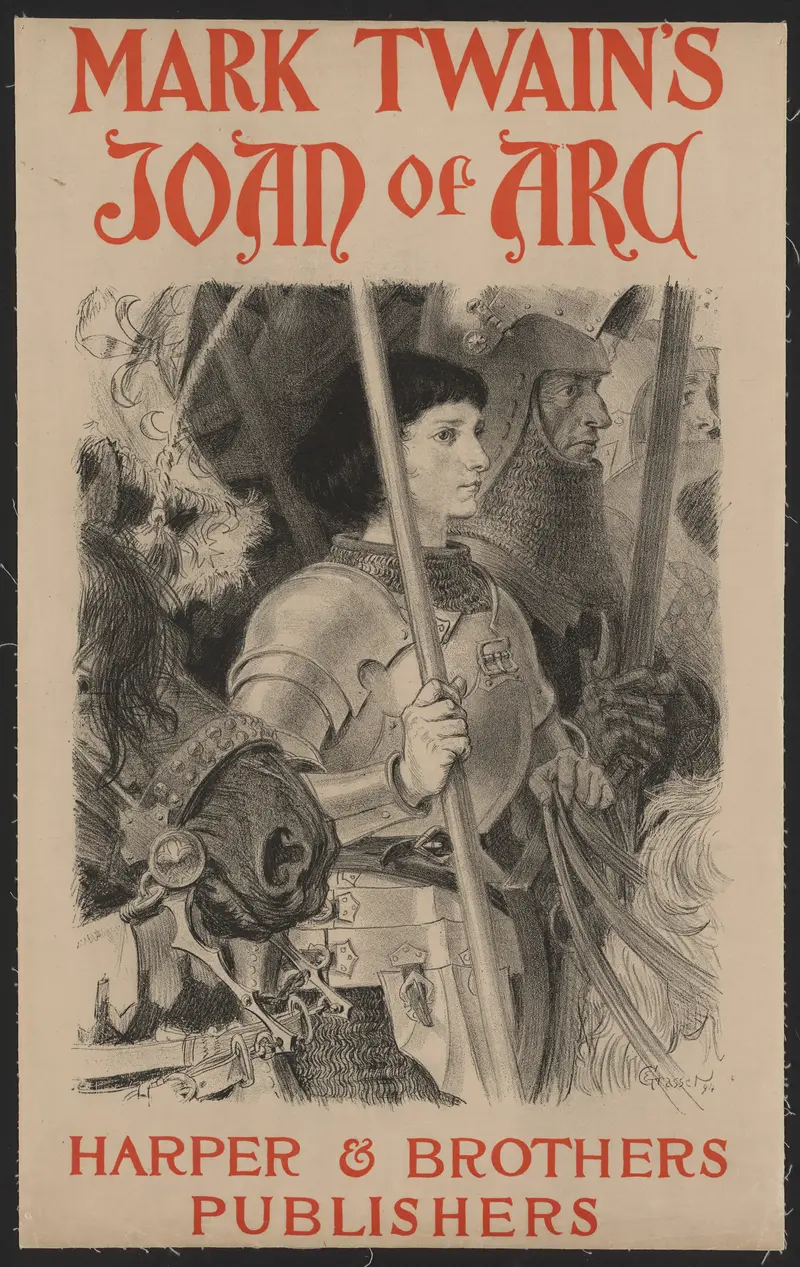
Mark Twain's Joan of Arc
Eugène Grasset
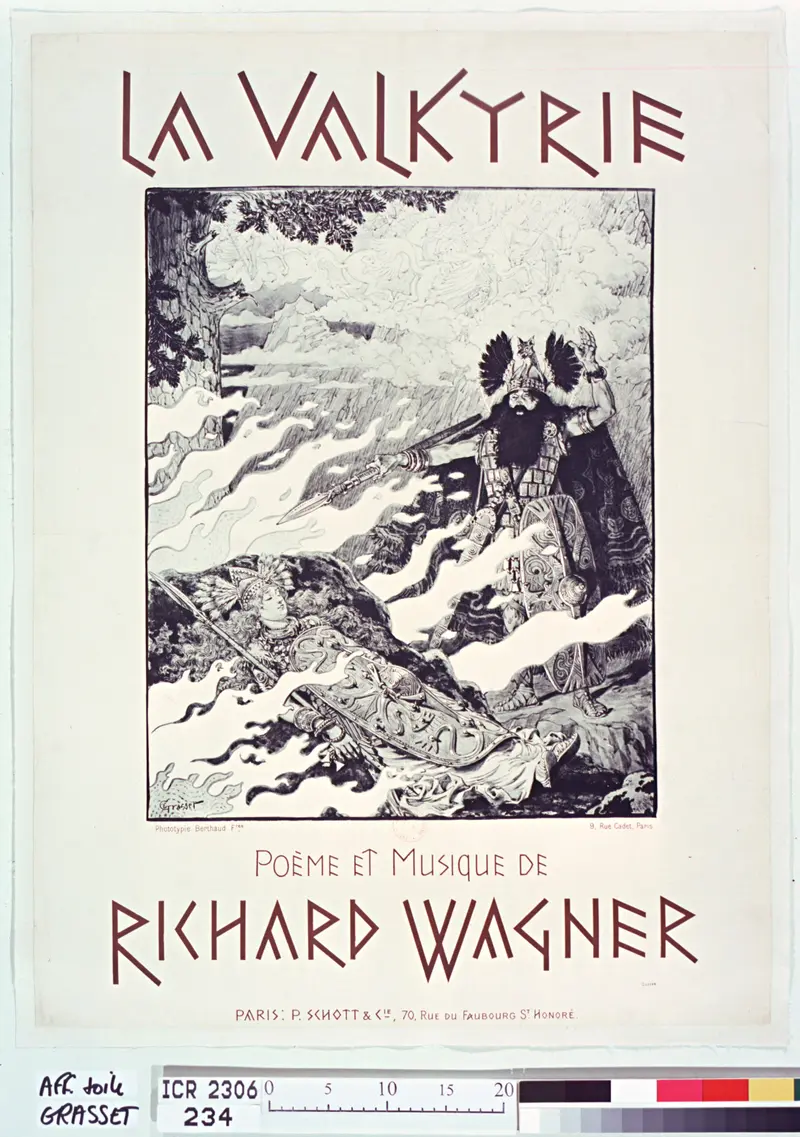
La Walkyrie
Eugène Grasset
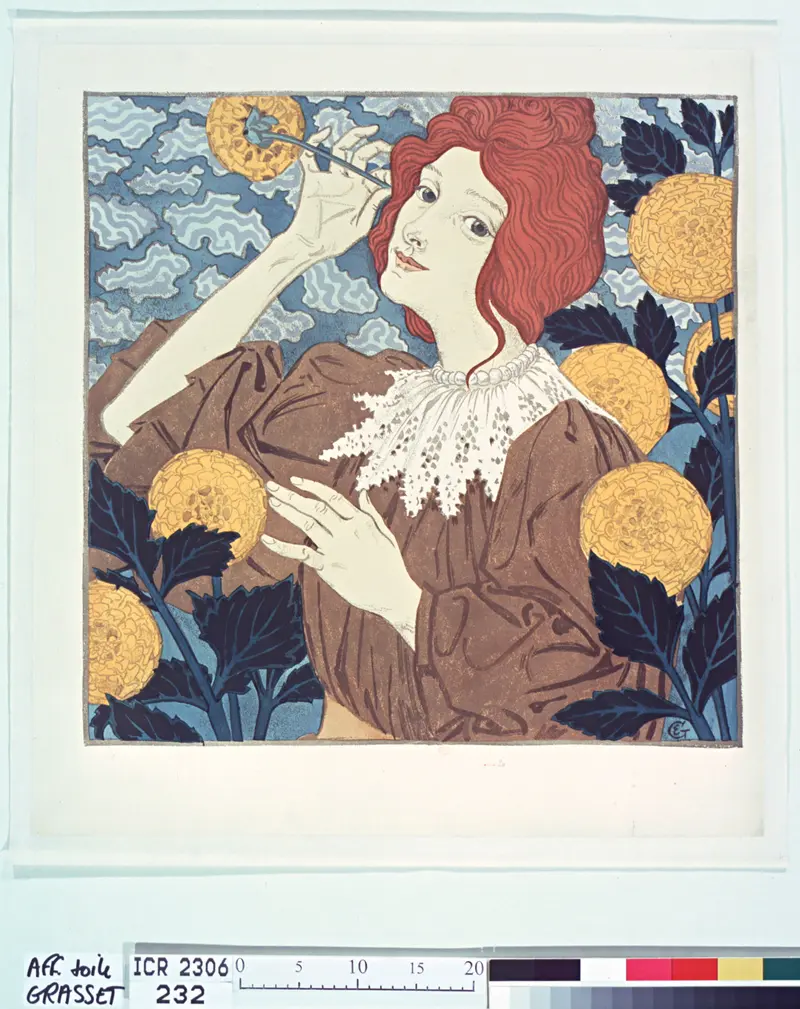
Coquetterie
Eugène Grasset
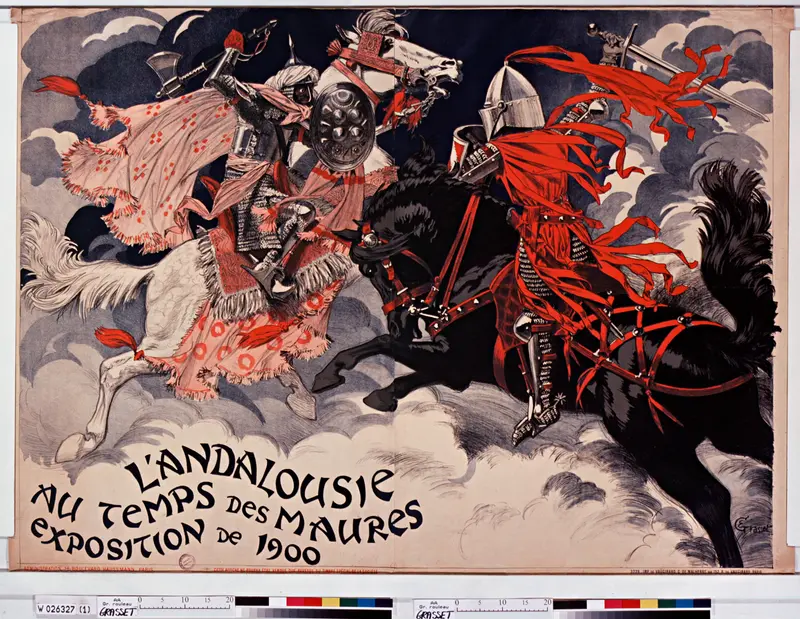
L'Andalousie au temps des Maures
Eugène Grasset
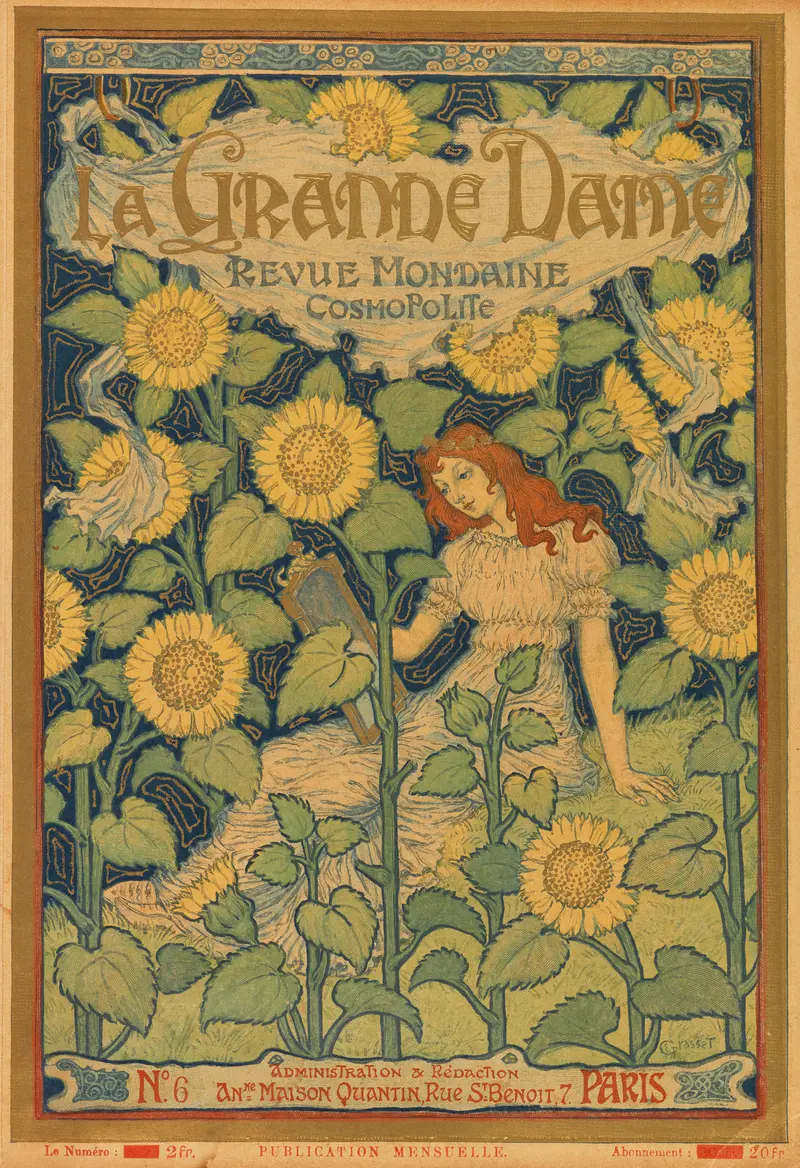
La Grande Dame
Eugène Grasset
More Genre Scene Art

Banquet of the Officers of the St George Civic Guard
Frans Hals

Rembrandt and Saskia in the Scene of the Prodigal Son
Rembrandt van Rijn

Bal du moulin de la Galette
Pierre-Auguste Renoir

Quadrille at the Moulin Rouge
Henri de Toulouse-Lautrec

A Burial at Ornans
Gustave Courbet

When Will You Marry?
Paul Gauguin