
A Man with a Dog in a Landscape — History & Facts
What first draws the eye in A Man with a Dog in a Landscape is the quiet bond between the traveler and his companion, a moment of rest that feels both ordinary and deeply observed. The man, seated beneath the protective sweep of a gnarled tree, leans forward with his staff in hand, his gaze turned down toward the loyal dog curled at his feet. The dog’s head rests trustingly on its paws, echoing the man’s posture and drawing a gentle line between human and animal.
The painter, Abraham Bloemaert, uses the broad, soft daylight to carve out the figures from the landscape, while the muted earth tones of the man’s clothing and the rough bark of the tree root the scene in the world of labor and journey. The open sky and distant hills recede into a pale haze, suggesting a pause in a much longer story. Painted in 1630, this work belongs to a period when Dutch and Flemish artists were turning their attention to the everyday lives of travelers, shepherds, and peasants—scenes that spoke to both the dignity and the hardship of common life. Abraham Bloemaert was a key figure in this shift, known for his ability to blend the grandeur of landscape with the intimacy of human gesture.
Paintings like this were often collected by the rising urban middle classes, who found in such images a reflection of their own values: hard work, companionship, and the quiet pleasures of rest. Though little is recorded about this particular painting’s early history, its presence today in the Art UK collection is a reminder of how these small, quiet moments—rendered with care nearly four centuries ago—still invite us to pause and look more closely.
More Artworks by Abraham Bloemaert

Adam and Eve
Abraham Bloemaert
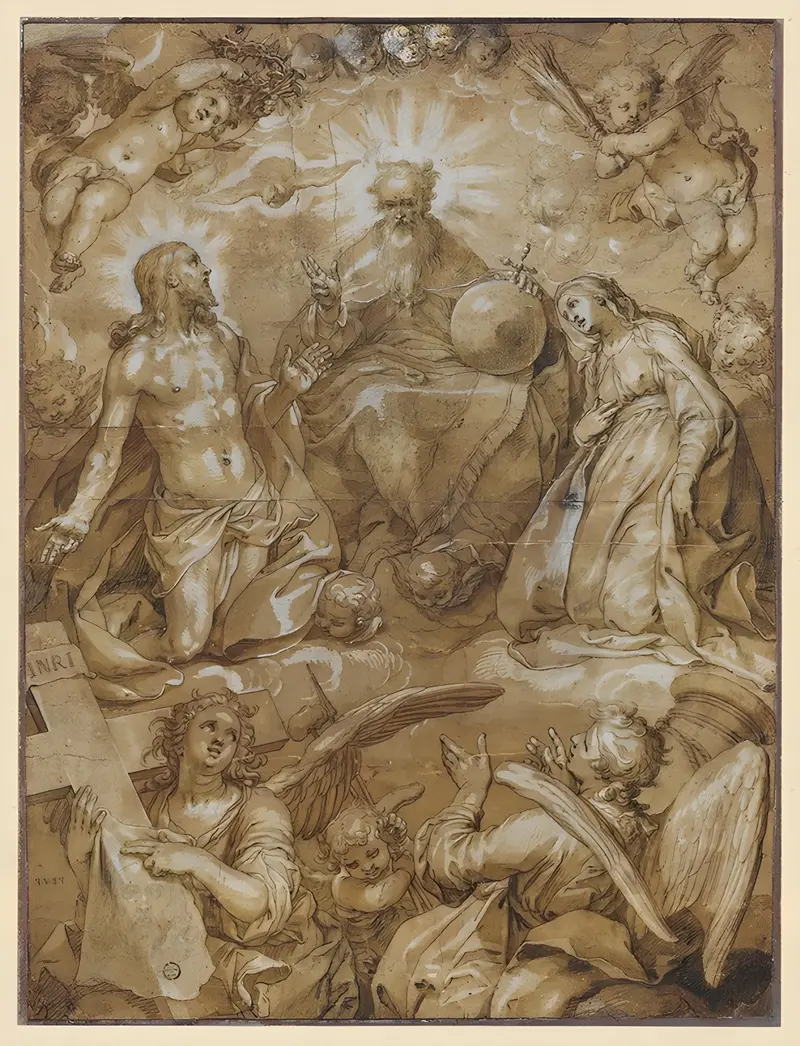
Intercession of Christ and Mary before God the Father
Abraham Bloemaert
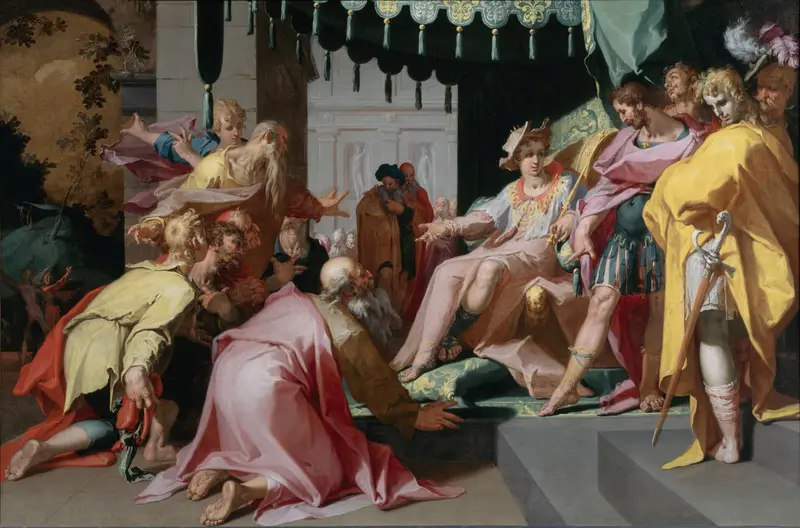
Joseph and his Brothers
Abraham Bloemaert
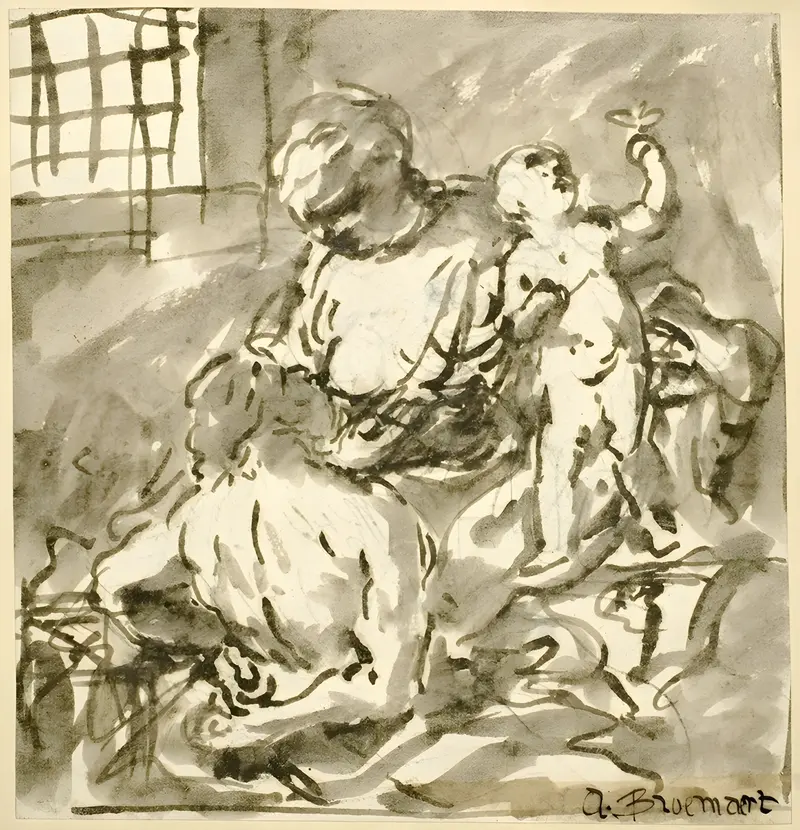
Caritas Romana
Abraham Bloemaert
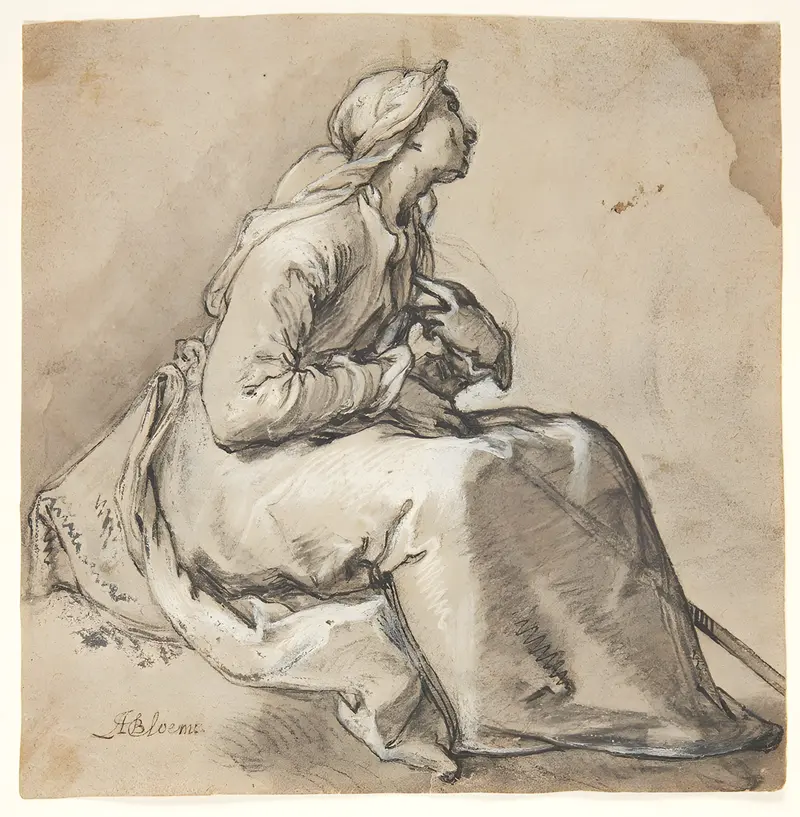
A seated woman facing right
Abraham Bloemaert
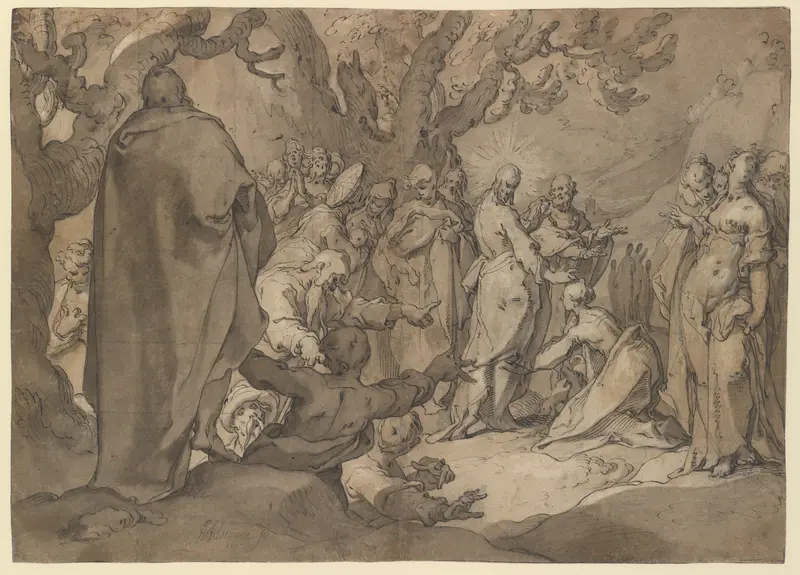
Christ and the Canaanite Women
Abraham Bloemaert
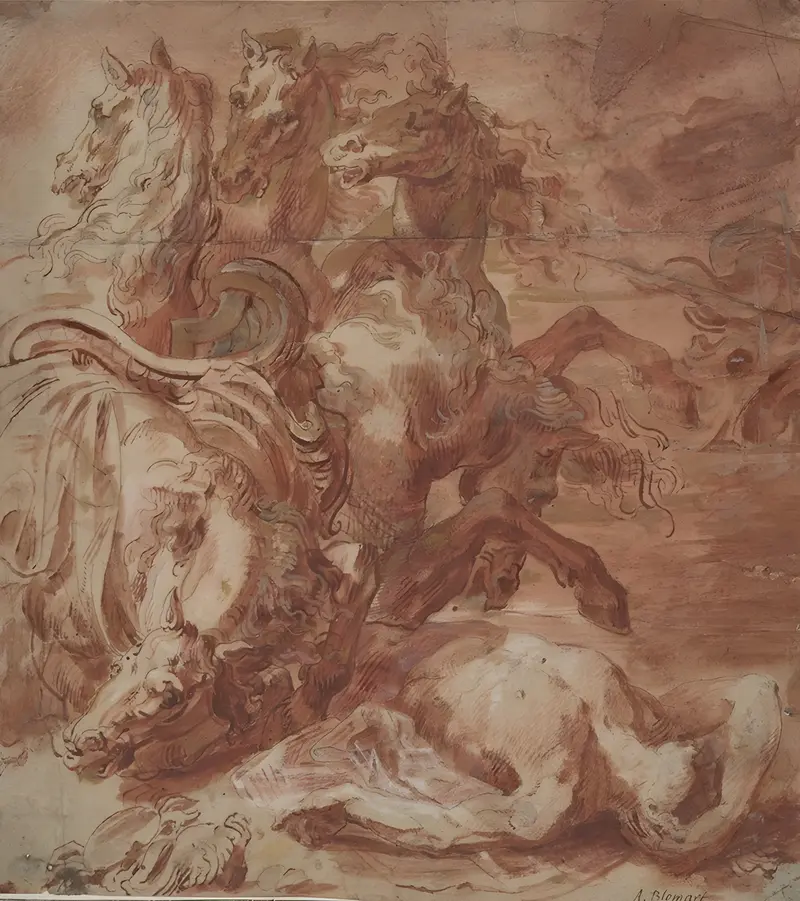
Hippolytus
Abraham Bloemaert
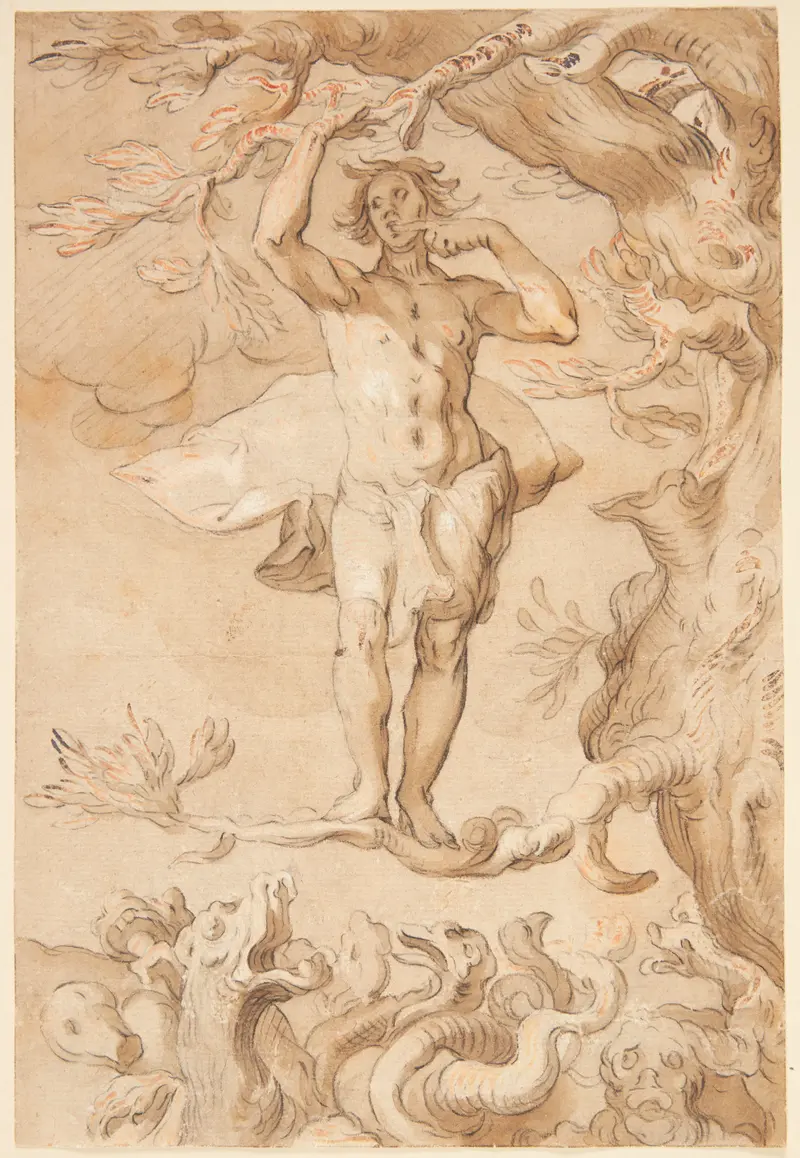
Den menneskelige glædes skrøbelighed En mand, der jages af en drage, klynger sig til en gren, mens han slikker honning af sin finger
Abraham Bloemaert

Moses Striking the Rock
Abraham Bloemaert
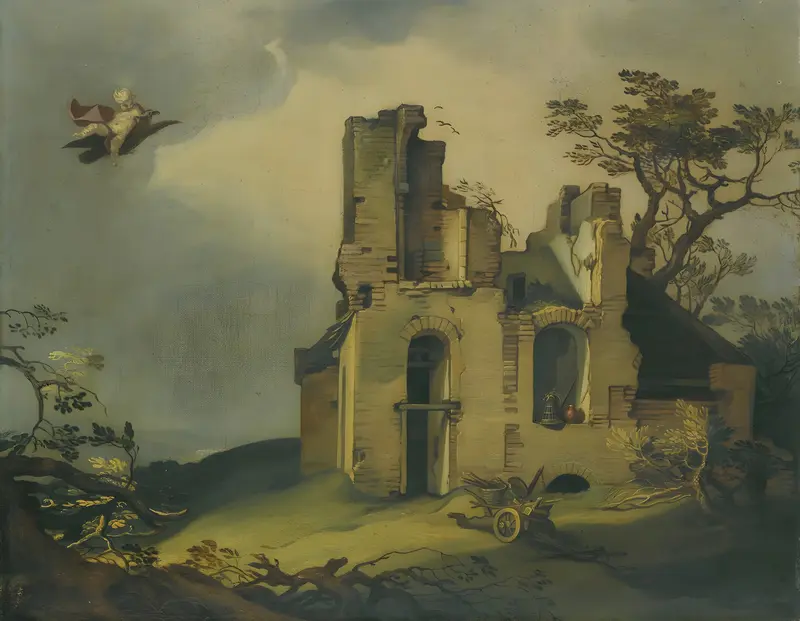
A Landscape With Ruins, With The Rape Of Ganymede
Abraham Bloemaert
More Landscape Art

The Starry Night
Vincent van Gogh

View of Delft
Johannes Vermeer

Water Lilies
Claude Monet

The Grand Canal, Venice, looking north-west from the Ca' Corner to the Ca' Contarini degli Scrigni, with the campanile of Santa Maria della Carità
Canaletto

Windsor Castle
Canaletto

The Grand Canal looking North-East from the Palazzo Dolfin-Manin to the Rialto Bridge
Canaletto