
A Miracle of Saint Donatus of Arezzo — History & Facts
In A Miracle of Saint Donatus of Arezzo, the viewer sees a vibrant scene filled with rich colors. The painting features Saint Donatus at the center, surrounded by figures who react to the miracle he performs. The setting is likely a church or a public square, emphasizing the religious context.
The use of light and shadow adds depth to the figures and the environment. The painting showcases Leonardo's skill in depicting human emotions and interactions. The figures are rendered with careful attention to anatomy and proportion, typical of the Renaissance style. The composition draws the viewer's eye towards Saint Donatus, highlighting his significance in the scene.
The colors are vivid, with a strong contrast between light and dark, enhancing the dramatic effect. Leonardo da Vinci created A Miracle of Saint Donatus of Arezzo around 1477, during a period of intense artistic development. This work reflects his interest in religious themes and the human experience. An interesting fact is that this painting is often overshadowed by his more famous works, yet it demonstrates his mastery of storytelling through art.
The painting remains a testament to the rich narrative tradition of the Renaissance.
More Artworks by Leonardo da Vinci

Sheet of Studies
Leonardo da Vinci
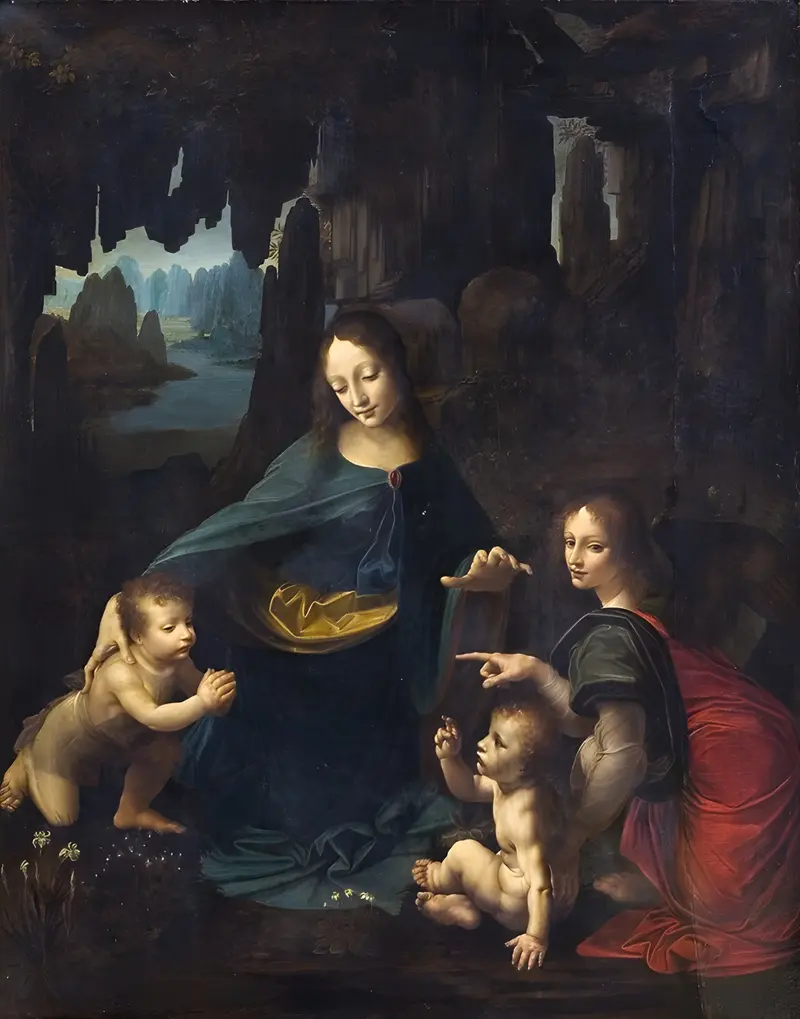
The Virgin of the Rocks
Leonardo da Vinci
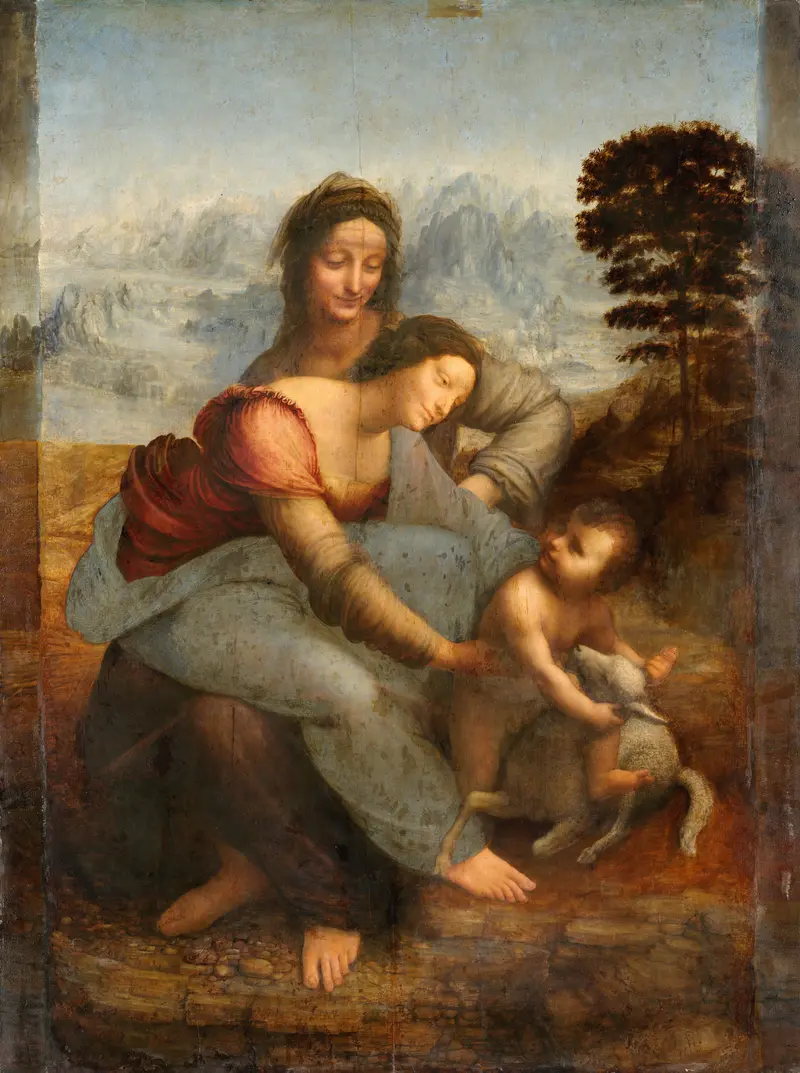
The Virgin and Child with St. Anne
Leonardo da Vinci
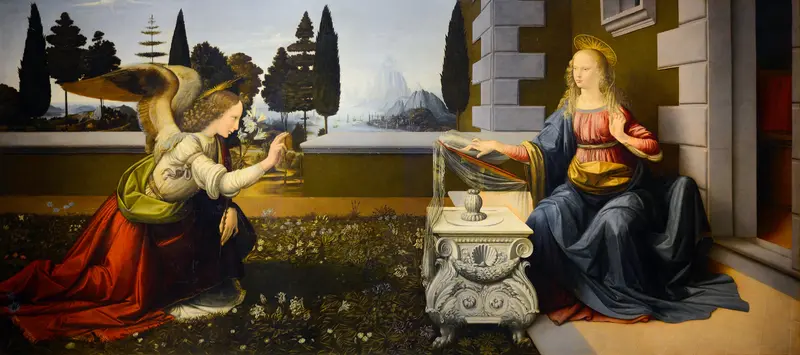
Annunciation
Leonardo da Vinci
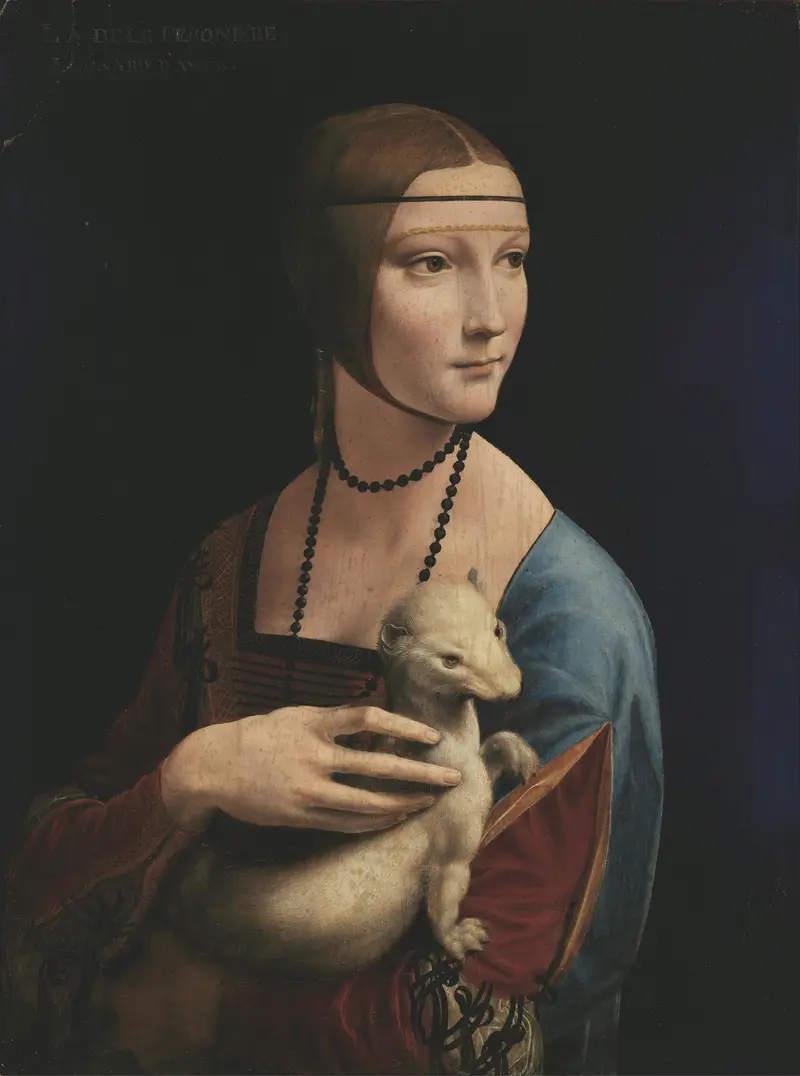
Lady with an Ermine
Leonardo da Vinci
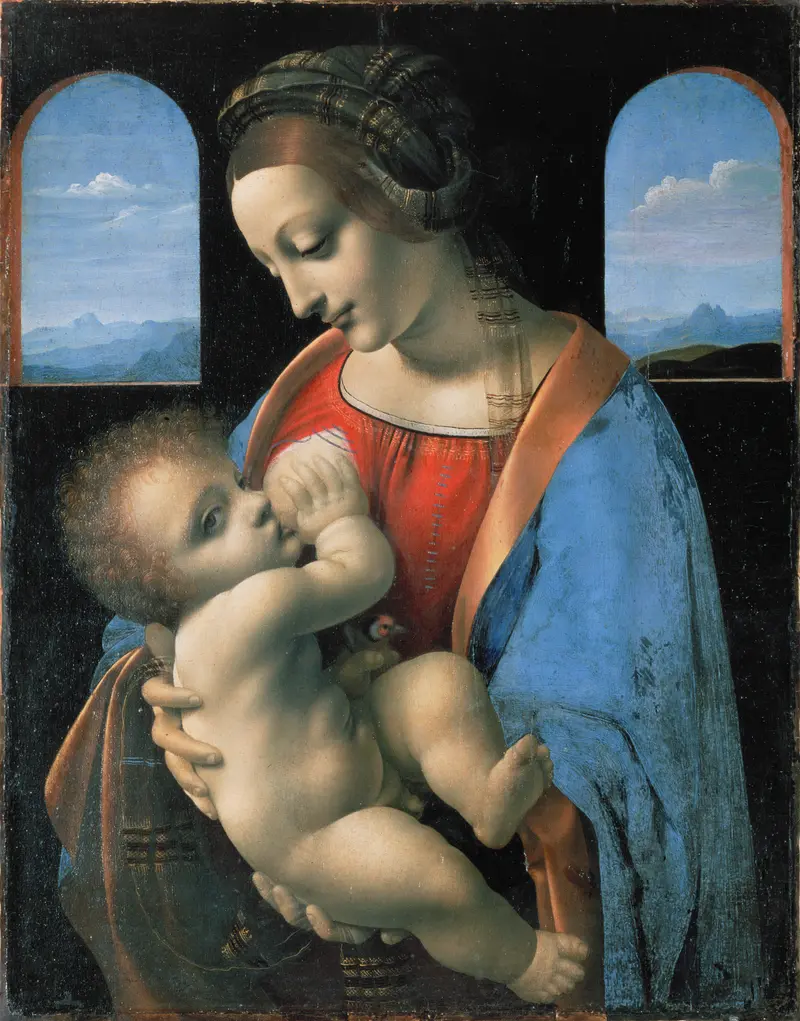
Madonna Litta
Leonardo da Vinci
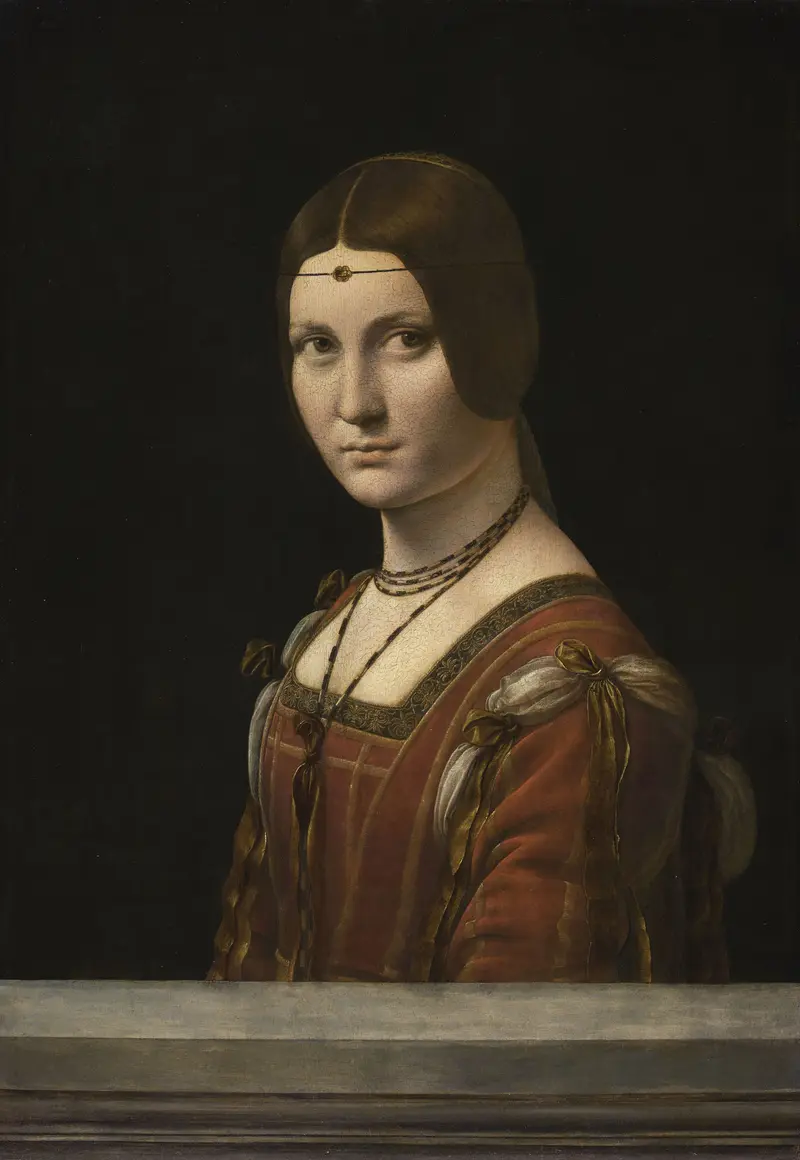
La Belle Ferronnière
Leonardo da Vinci
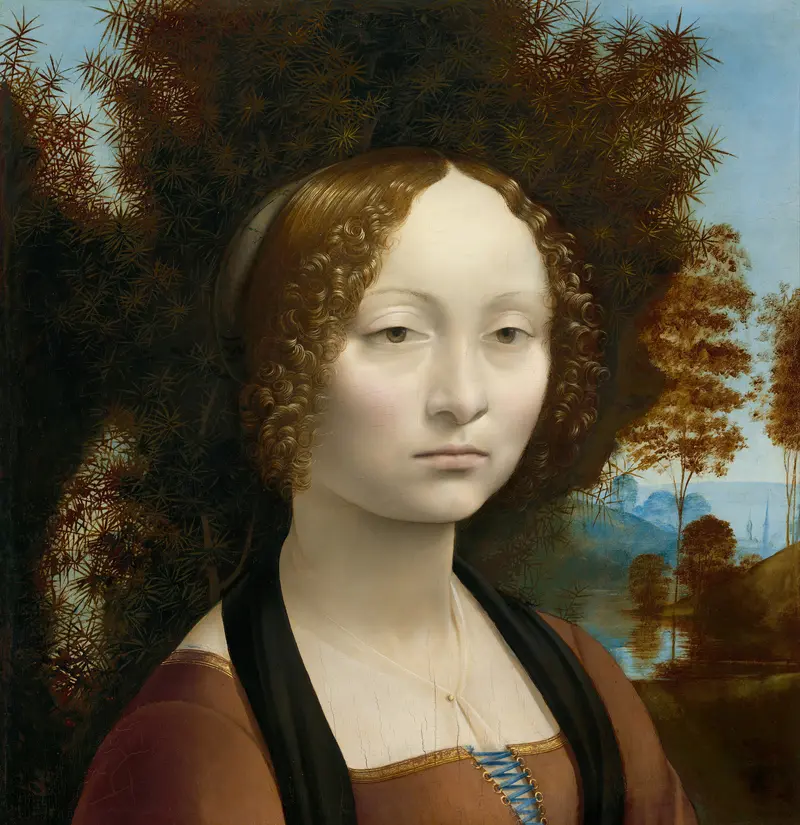
Ginevra de' Benci
Leonardo da Vinci
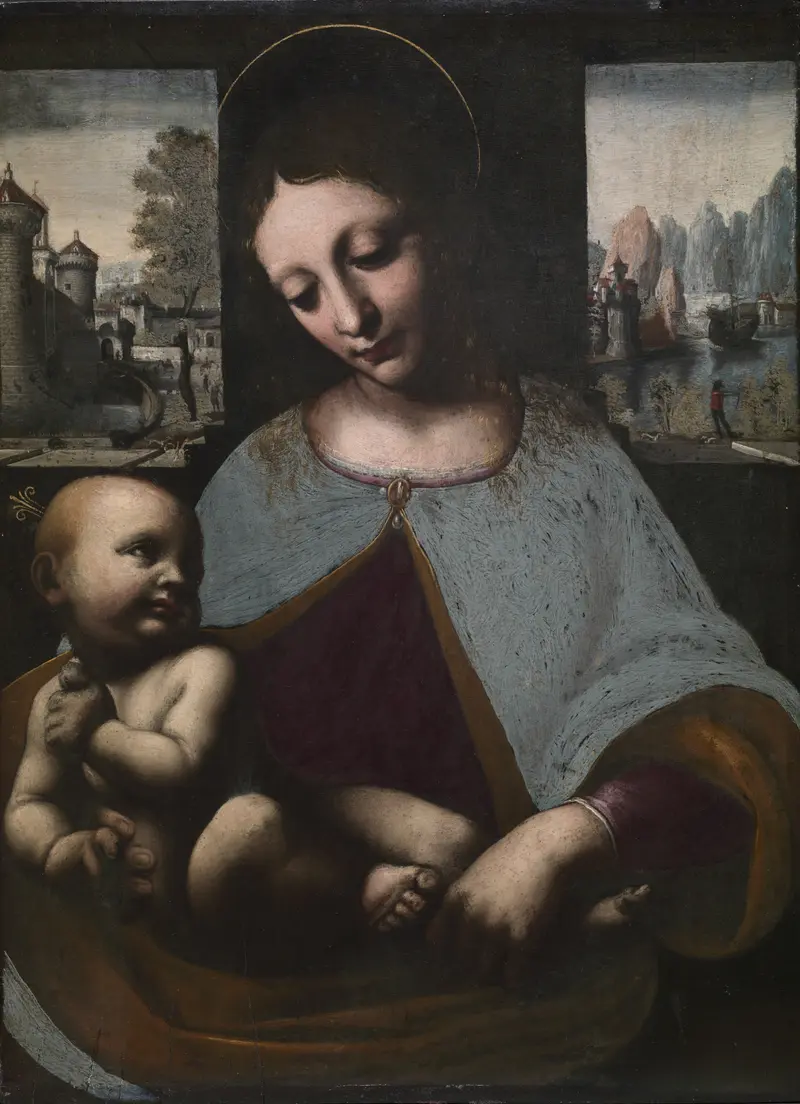
Virgin and Child
Leonardo da Vinci

Head of an Old Man, and Studies of Machinery
Leonardo da Vinci





