
A street in the Amsterdam Jewish Quarter — History & Facts
Can paint confess what words never could? The beauty of a moment captured in stillness often speaks louder than the most eloquent prose, revealing layers of emotion in every stroke. Look closely at the intricate cobblestones that lead the viewer's eye down the winding path of the Jewish Quarter. Notice how the muted palette of sepia and ochre conjures a sense of nostalgia, while soft light filters through the treetops to cast delicate shadows across doorways. The gentle play of light and shadow imbues the scene with a warm vibrancy, inviting exploration.
Each building stands solemnly, rich in texture, with stories etched into their weathered facades, creating a sense of history as palpable as the air itself. Yet, amid the stillness, there is a pulse. The quietude of the street evokes a lingering tension between the past and the present, suggesting both resilience and loss. Subtle hints of life can be seen in the details—a stray cat lounging lazily, a flower pot brimming with blooms—symbolizing hope in a space steeped in memory.
The juxtaposition of vibrant colors against muted tones reflects the vibrancy of a culture that, despite facing adversity, continues to breathe and flourish in its hidden corners. This artwork emerged during a time when the artist was deeply influenced by the changing dynamics of urban life in Vienna, even as he painted in other locations. In this period, the late 19th century, Schindler was exploring his fascination with the Jewish communities and their rich histories, capturing moments that would resonate for generations to come. His work is a testament to the complexity of identity, memory, and belonging—an exploration of a world often forgotten, yet yearning to be remembered.
More Artworks by Emil Jakob Schindler
Browse all →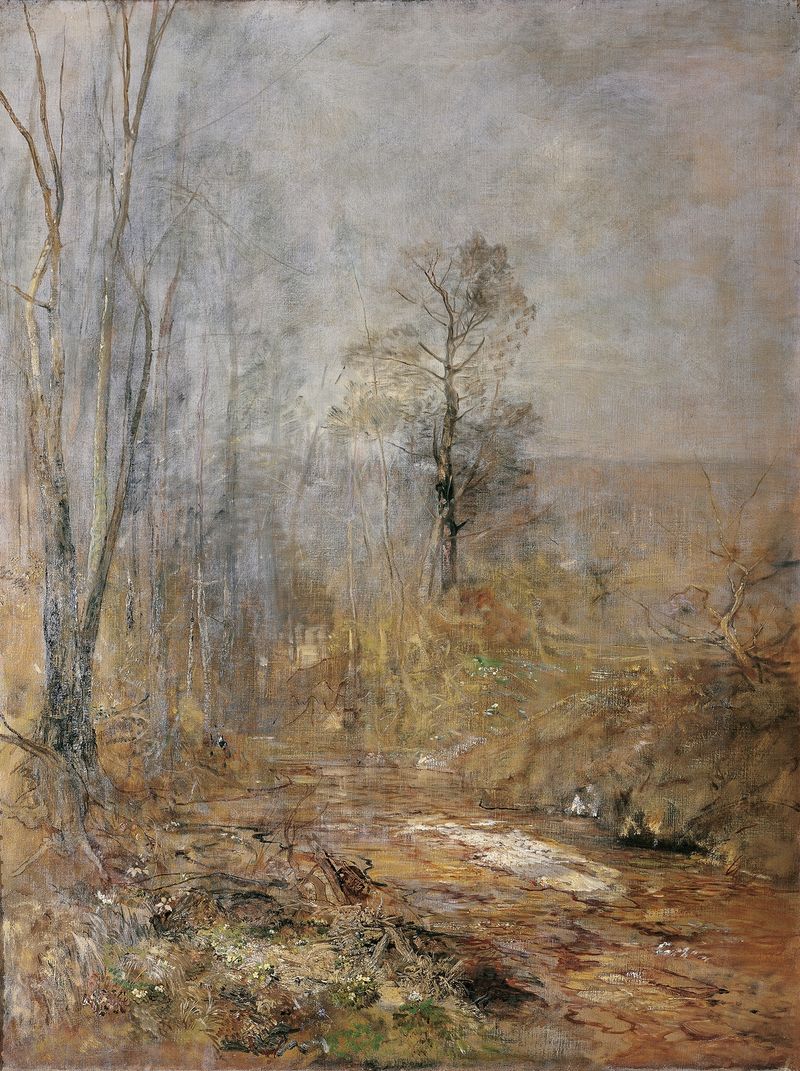
Märzstimmung – Vorfrühling im Wienerwald
Emil Jakob Schindler
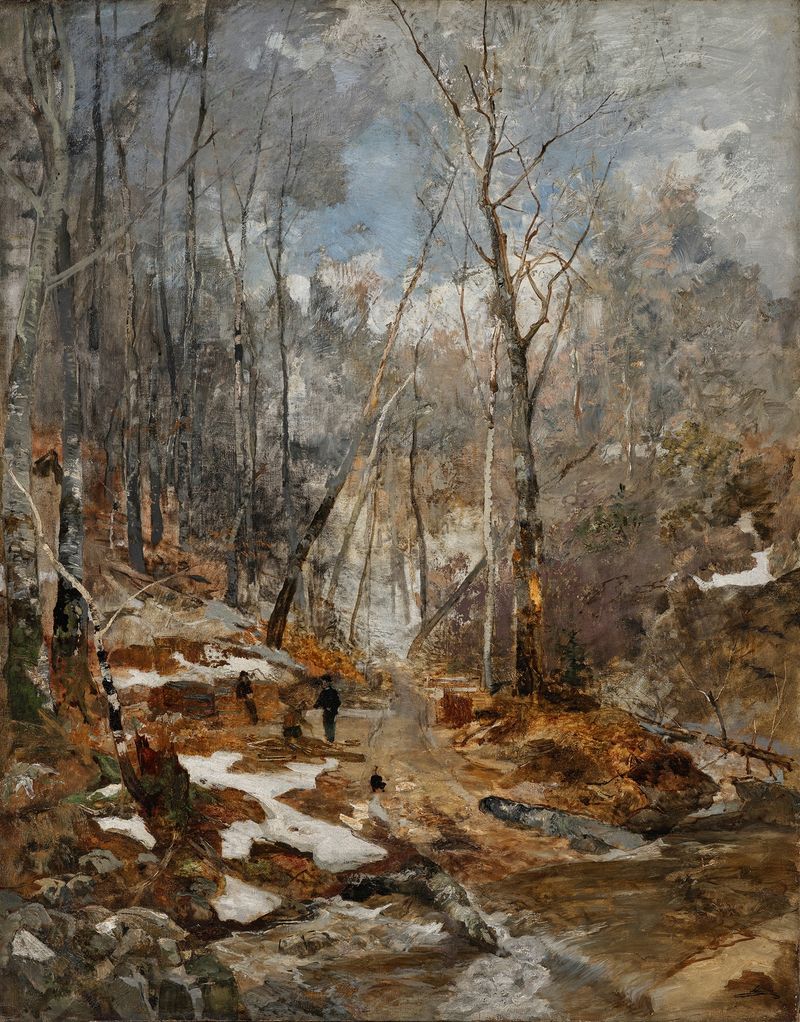
Februarstimmung – Vorfrühling im Wienerwald
Emil Jakob Schindler
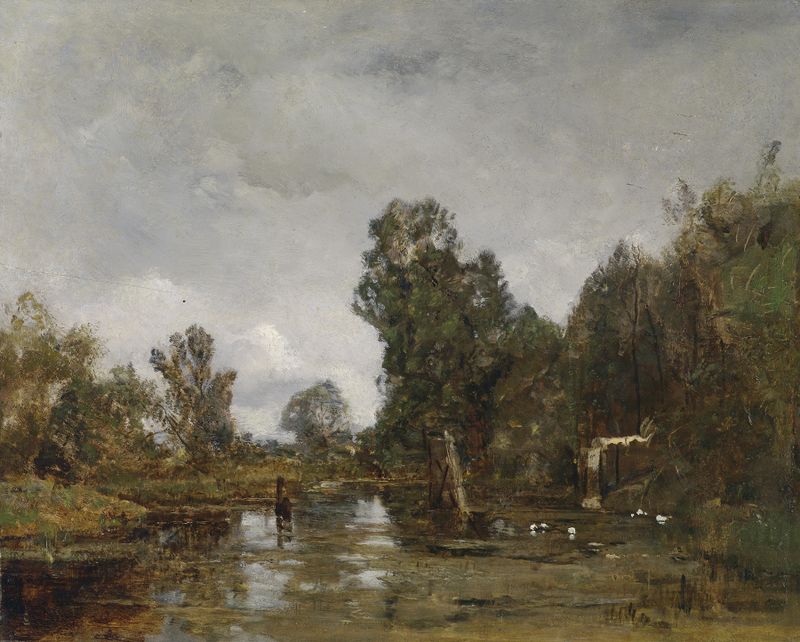
Motiv aus dem Wiener Prater (Krieau)
Emil Jakob Schindler
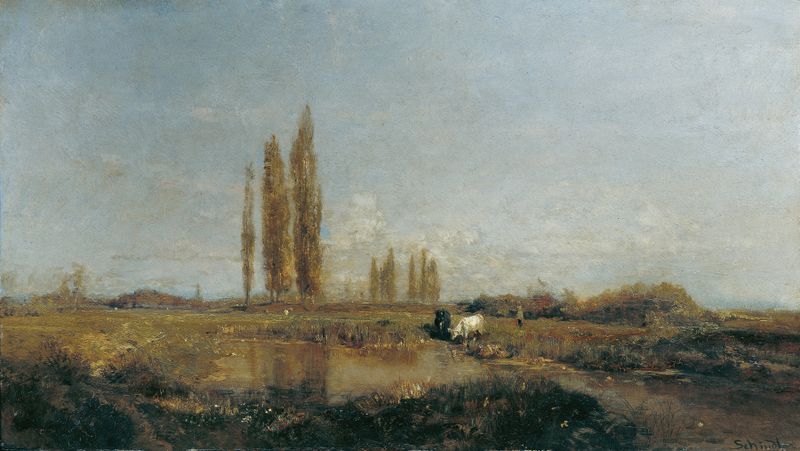
An der Thaya bei Lundenburg
Emil Jakob Schindler
Die Mühle im Wald
Emil Jakob Schindler
The Prater Gardens, Vienna
Emil Jakob Schindler
Landschaft, Lundenburg
Emil Jakob Schindler
A washerwoman on the Danube bank, near the Praterspitz
Emil Jakob Schindler
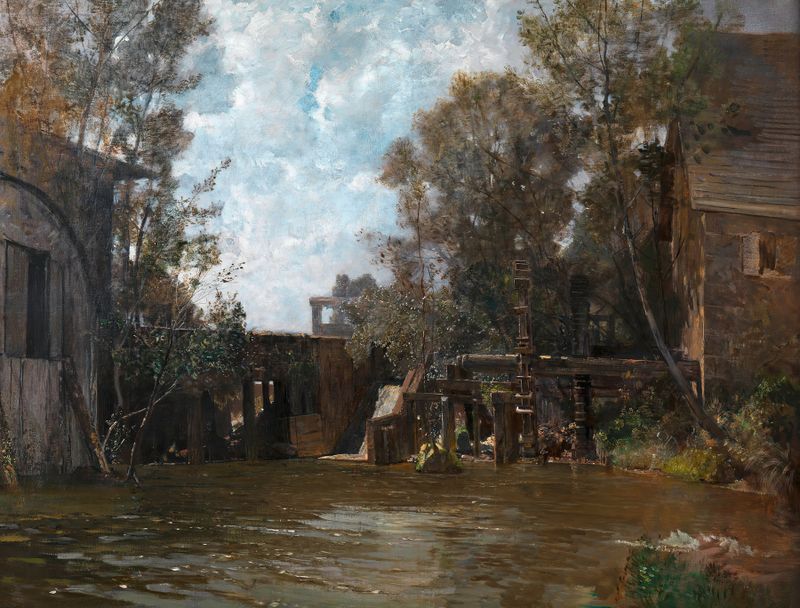
Mühle in Plankenberg
Emil Jakob Schindler
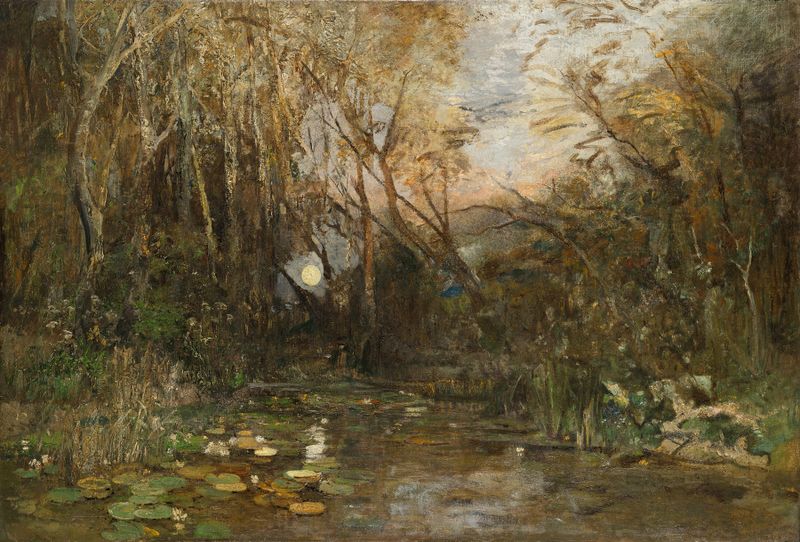
Mondaufgang in der Praterau
Emil Jakob Schindler





