
A Study of a Girl — History & Facts
What holds the viewer first in A Study of a Girl is the direct, searching gaze of its young subject—steady, almost challenging, as if she is weighing the world from the quiet of the birch woods. The light is carefully rationed: it grazes her brow and cheek, glances off the white scarf at her throat, and then slips away into the deep shadows of her eyes and the forest behind. Her coat, a deep plum, anchors her in the scene, while her hands, loosely clasped around a slender twig, hint at a moment of stillness interrupted.
The birches rise pale and vertical, their bark catching the last of the sun, framing her with a kind of natural dignity. Painted between circa 1895 and 1896, this work belongs to a moment when artists across northern Europe turned their attention to the people and landscapes of their own countries, seeking authenticity in the everyday. Akseli Gallen-Kallela was a central figure in this movement in Finland, known for his ability to fuse realism with a sense of mythic presence. Portraits like this were often created as studies—exercises in capturing light, character, and mood, sometimes in preparation for larger compositions.
History has kept few traces of this particular sitter or the circumstances of the painting’s creation, but the work now resides in the collection documented at taide.art, where its quiet intensity continues to draw the viewer into the hush of the northern woods.
More Artworks by Akseli Gallen-Kallela
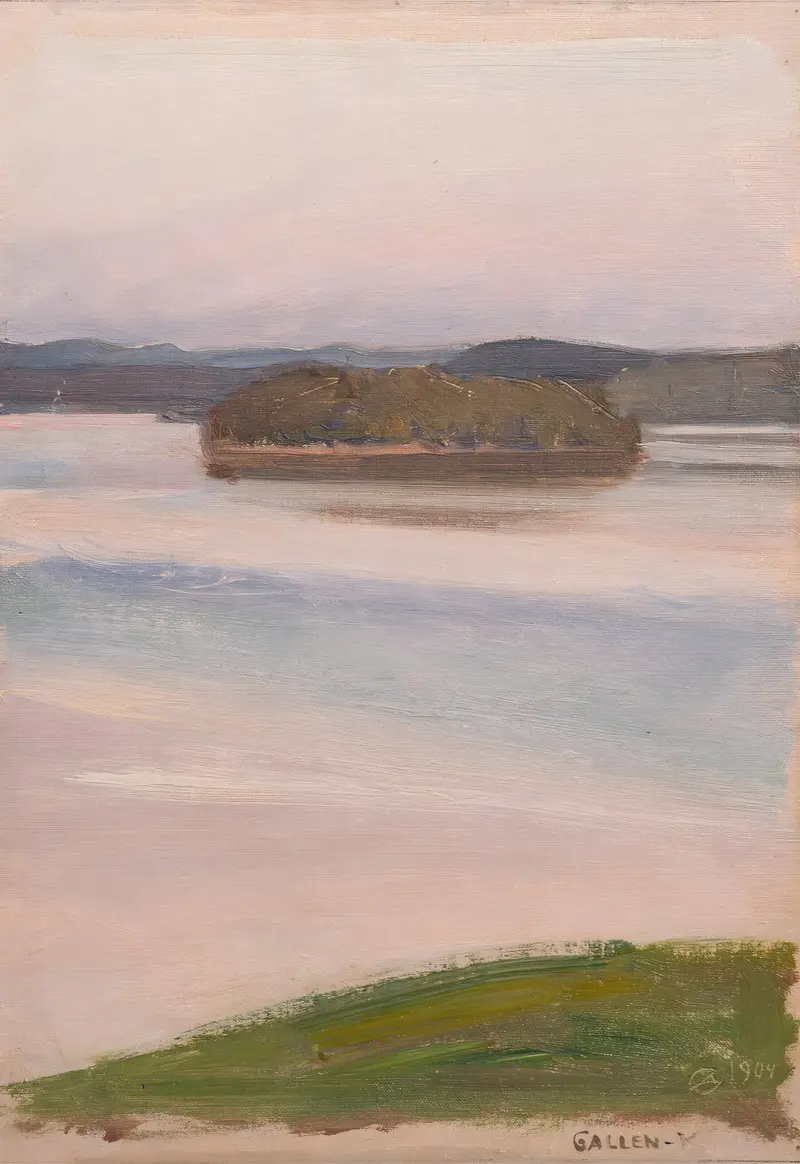
Lake Keitele
Akseli Gallen-Kallela
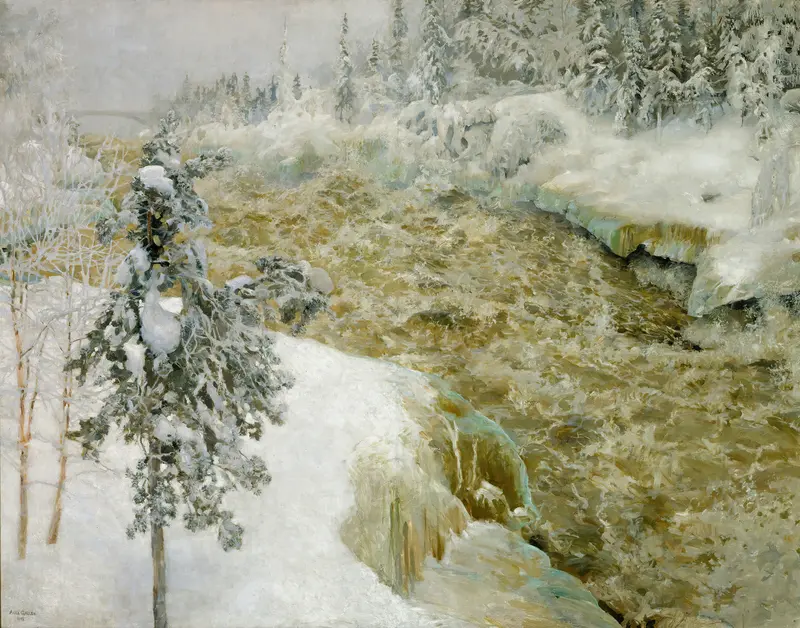
Imatra Falls in Snow ; Imatra in Winter
Akseli Gallen-Kallela
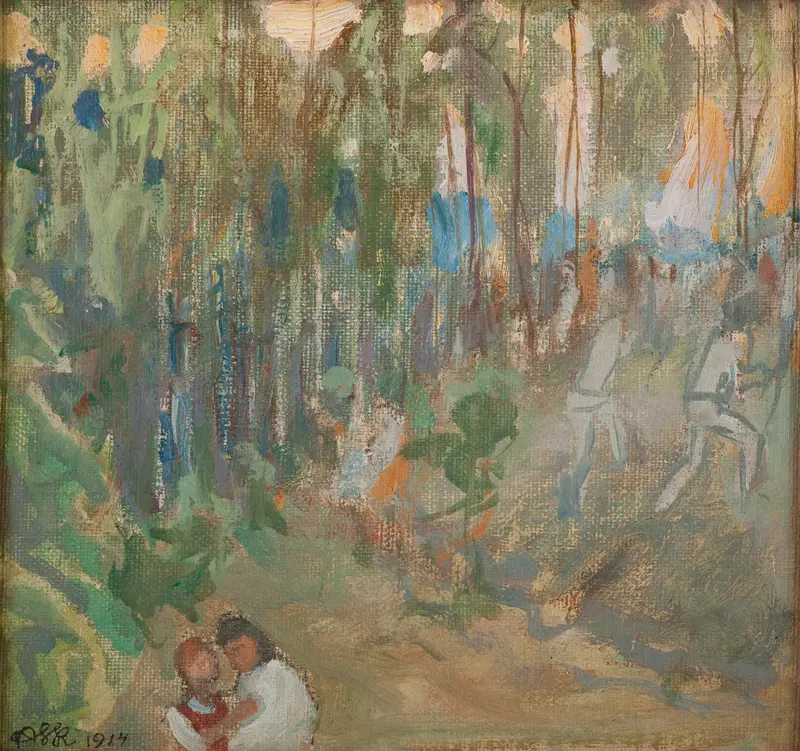
Vainovalkeat
Akseli Gallen-Kallela
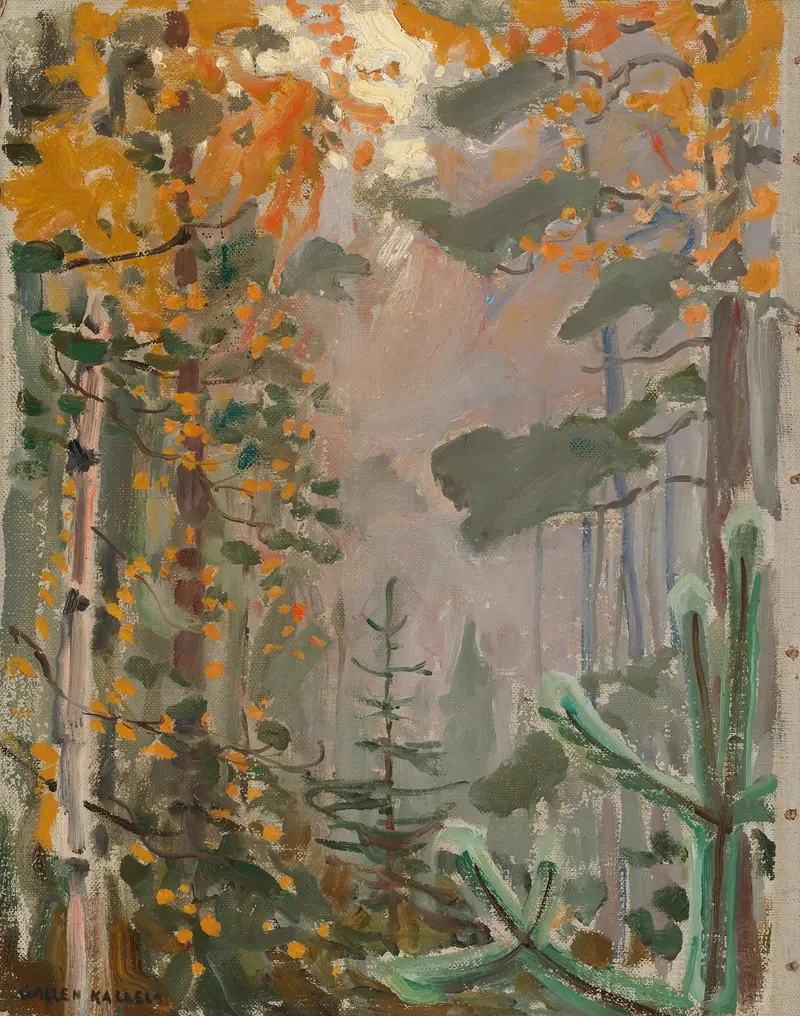
Autumn Landscape
Akseli Gallen-Kallela
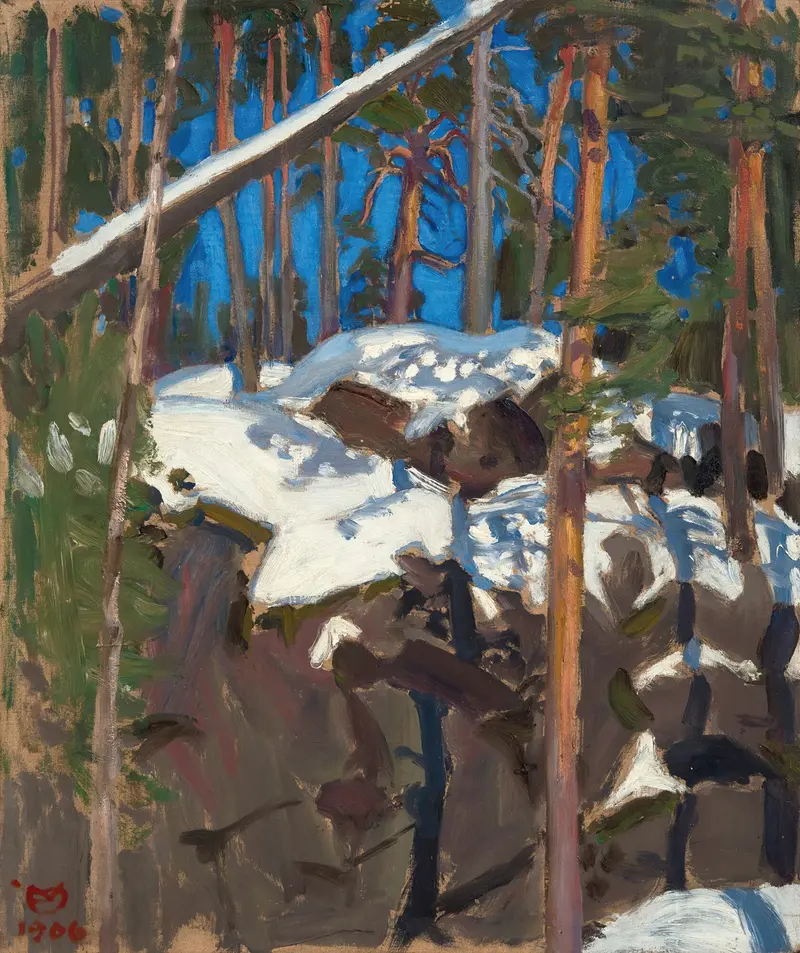
Spring Sun At Konginkangas
Akseli Gallen-Kallela
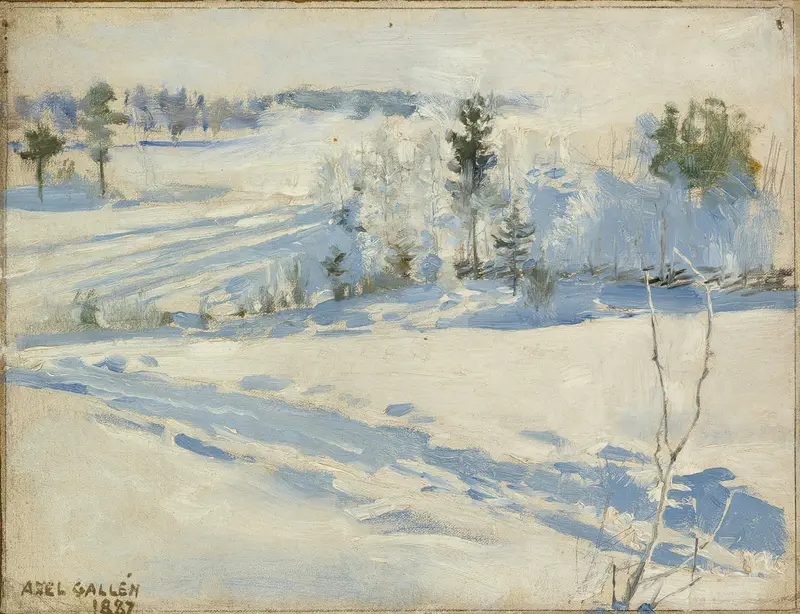
Winter Landscape
Akseli Gallen-Kallela

First Snow
Akseli Gallen-Kallela
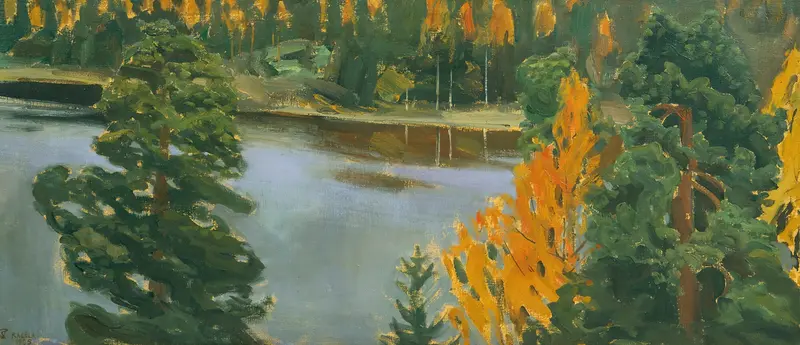
Lake View In Autumn
Akseli Gallen-Kallela
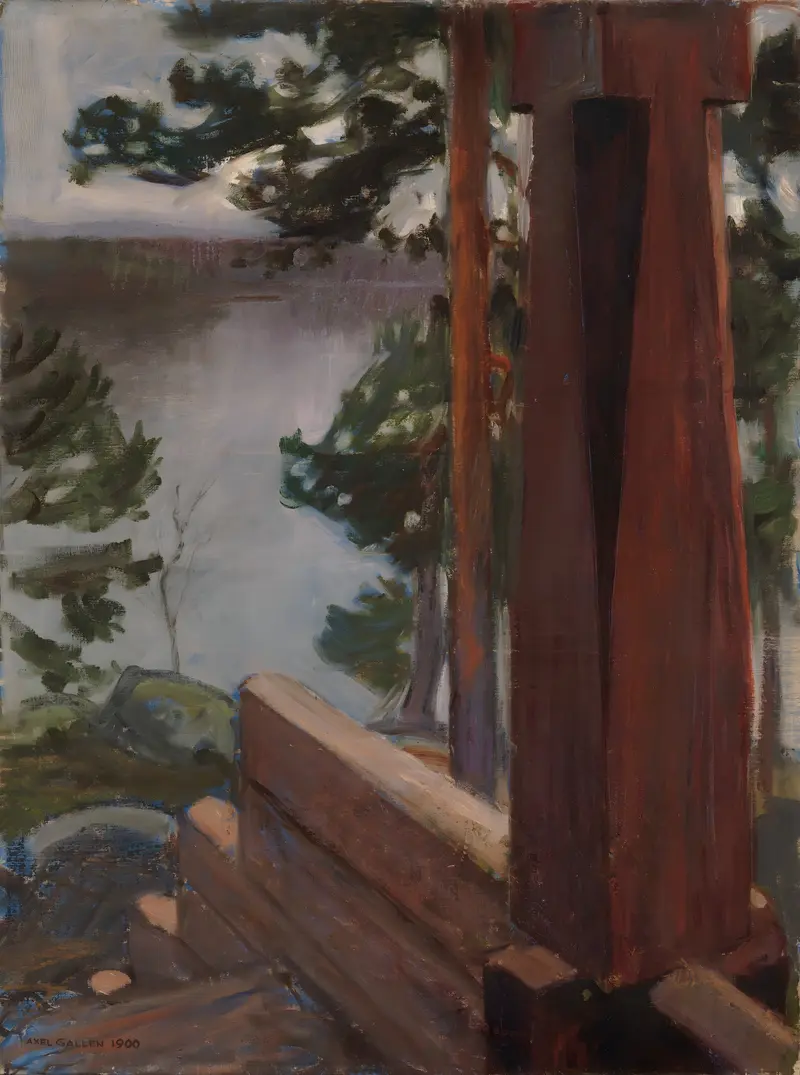
The Kalela Porch
Akseli Gallen-Kallela

Light Behind The Clouds
Akseli Gallen-Kallela





