
A trompe l'oeil still life with objects in a cupboard — History & Facts
The first thing to catch the eye in A trompe l'oeil still life with objects in a cupboard is the almost mischievous illusion of reality: a cupboard flung open, its doors jutting out into our world, as if the objects inside might tumble out at any moment. A rod leans precariously against the door, its shadow anchoring it to the shelf, while a cascade of papers—one bearing a delicate tree sketch—spills forward in a controlled chaos. Light glances off the metallic plates and coins nestled in the back, while quills and inkwells hint at the intellectual pursuits of the cupboard’s owner.
The palette is warm and earthy, yet the crisp whites of paper and linen cut through the darkness, guiding our gaze from left to right, from the world of art to the world of writing and calculation. This painting, dated 1675 and attributed to Alessandro Turchi, belongs to a moment when the art of deception was both a technical challenge and a source of delight. Trompe l’oeil—French for “deceive the eye”—was a genre that flourished in the Baroque period, prized by collectors who relished the painter’s ability to blur the boundary between art and reality. Such works were often commissioned for private study rooms or cabinets of curiosity, where they would provoke conversation and admiration.
While little is recorded about the journey of this specific painting, its presence in a collection today is a reminder of a time when artists competed to astonish viewers with their skill, and when the world itself seemed full of hidden compartments waiting to be opened. Look again at the cupboard: what seems ordinary becomes a puzzle, daring you to reach out and test its reality.
More Artworks by Alessandro Turchi

The Flood
Alessandro Turchi
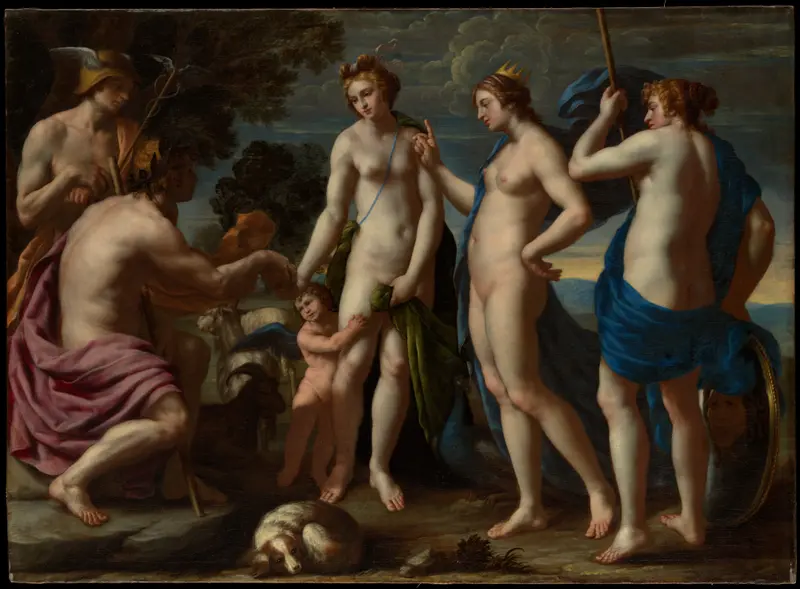
Judgment of Paris
Alessandro Turchi
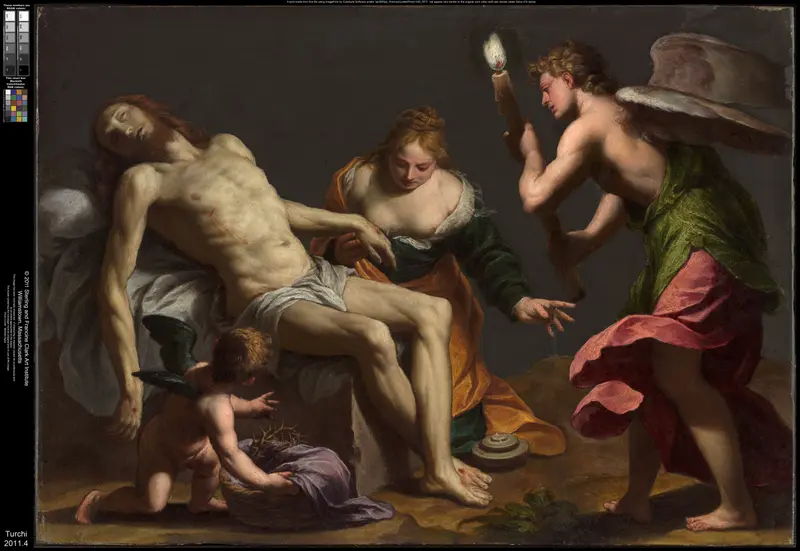
Lamentation over the Body of Christ
Alessandro Turchi
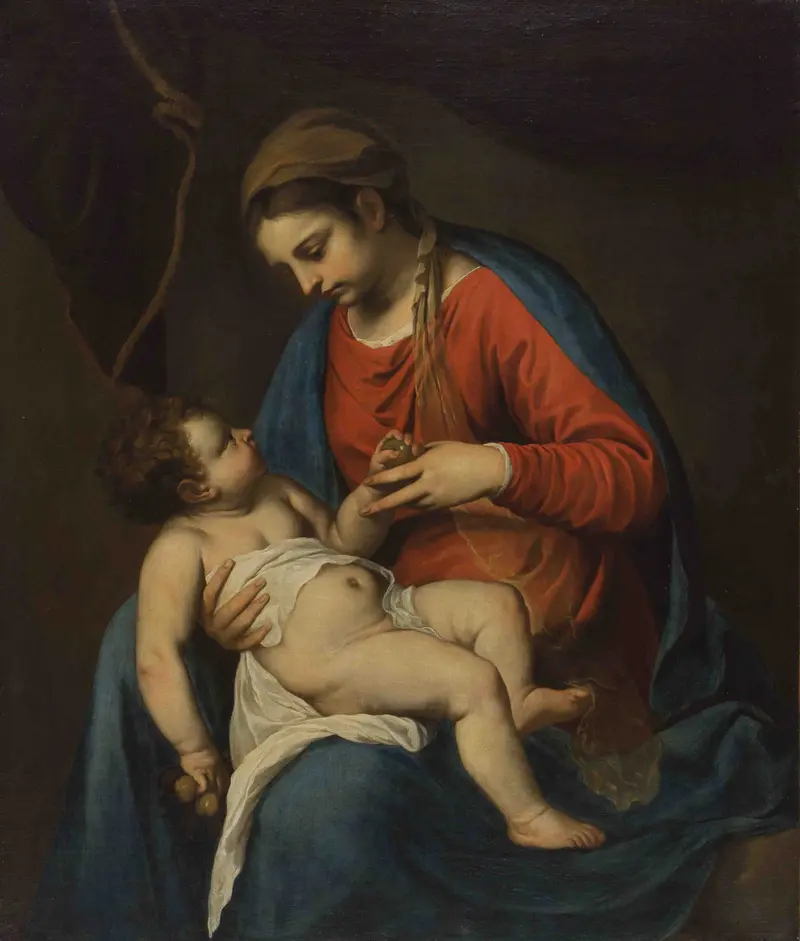
Maria with Child
Alessandro Turchi

Saint Peter visits Saint Agatha in her Prison
Alessandro Turchi
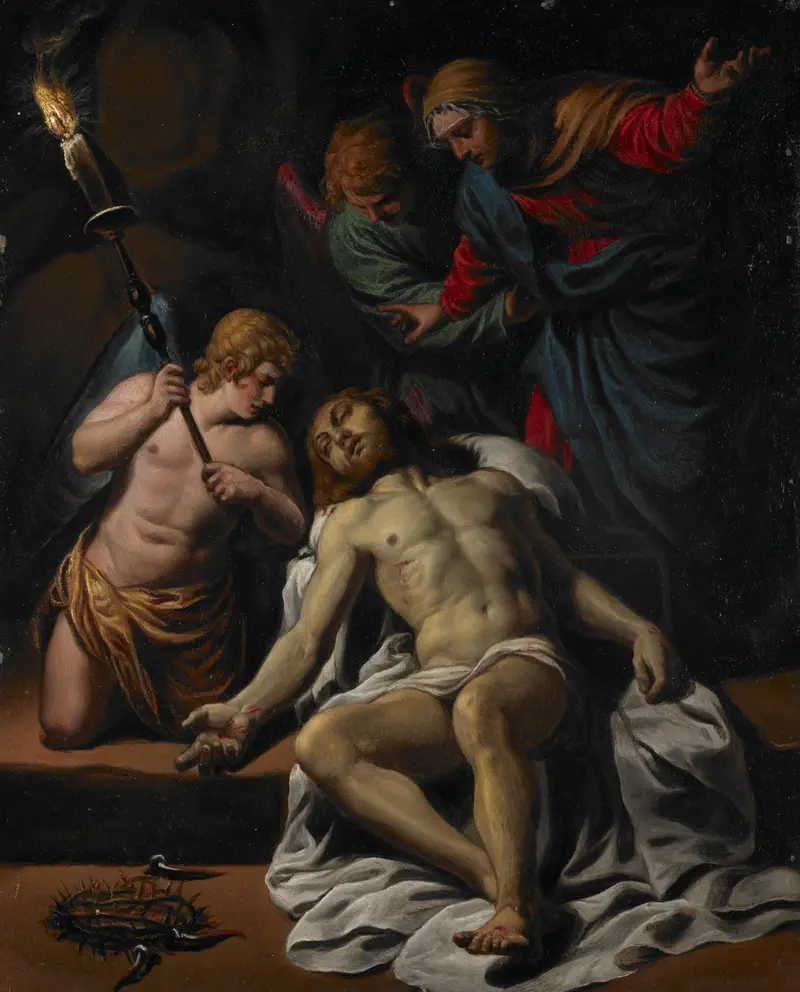
The Lamentation
Alessandro Turchi
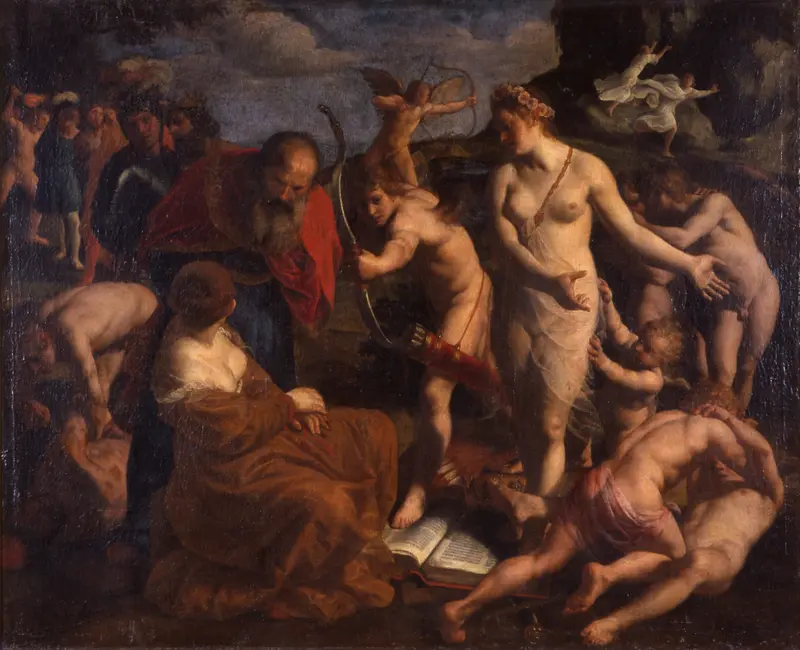
Allegory on the Power of Love ('Omnia Vincit Amor')
Alessandro Turchi
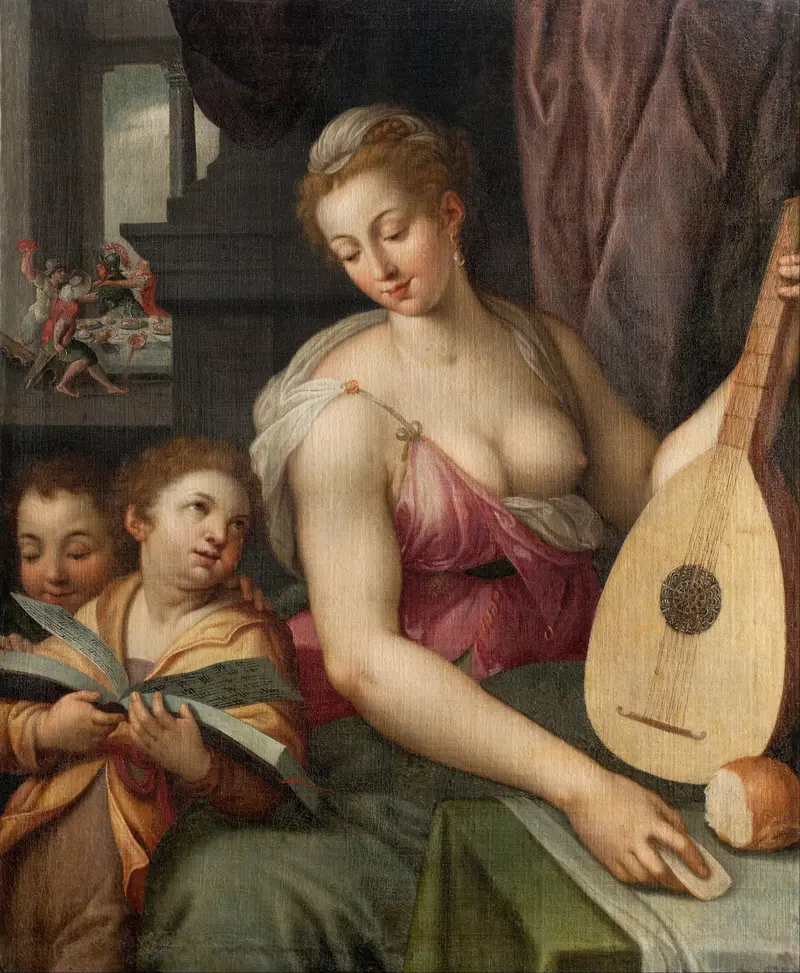
Allegory of Music
Alessandro Turchi
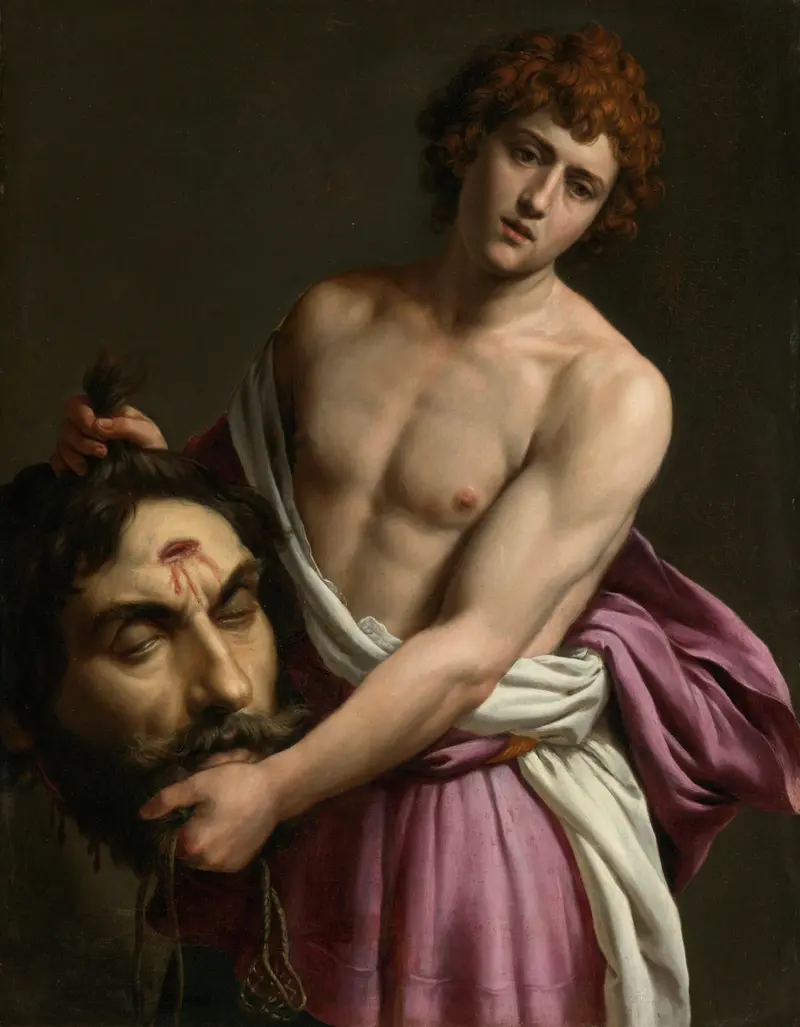
David with the Head of Goliath
Alessandro Turchi
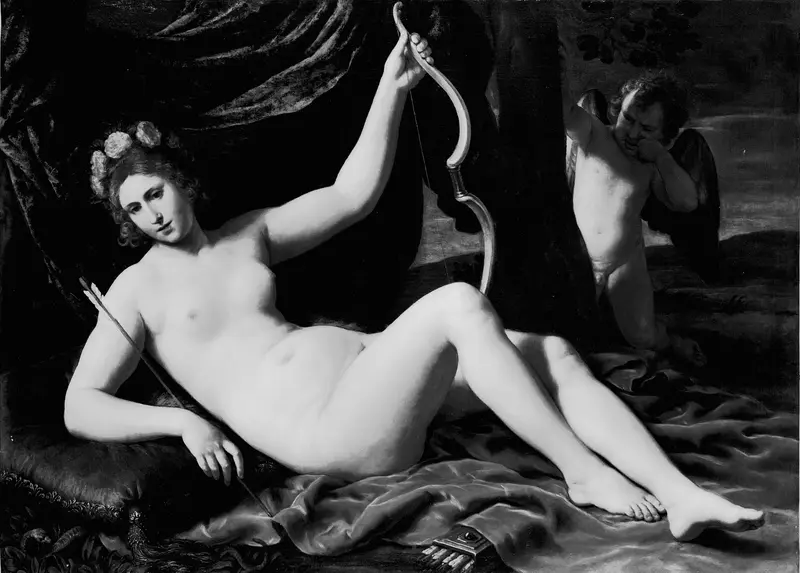
Venus and Cupid
Alessandro Turchi





