
The Lamentation — History & Facts
What first seizes the eye in Alessandro Turchi’s The Lamentation is the hush that seems to settle over the group, as if the world itself is holding its breath. The limp, pale body of Christ is illuminated by a single torch, its flame flickering against the darkness, casting deep shadows that heighten the sense of intimacy and loss. The mourners—one bare-chested, holding the torch, the others draped in flowing robes—lean in, their gestures urgent yet tender.
The crown of thorns lies discarded at Christ’s feet, its cruel spikes echoing the wounds that mark his flesh, a silent testament to the suffering just endured. The composition draws the viewer’s gaze from the torch, down Christ’s outstretched arm, to the crown, and back up to the faces bent in grief, creating a circle of sorrow and care. Painted in 1617, this work belongs to the world of early seventeenth-century Italy, when artists like Turchi responded to the call for greater emotion and immediacy in religious art. Such scenes of lamentation were not only acts of devotion but also tools for meditation, inviting viewers to contemplate the cost of sacrifice and the depth of human compassion.
Patrons of the period, whether churches or private collectors, sought images that would stir the heart as well as the mind, and Turchi’s choice of dramatic lighting and close, almost theatrical grouping is a clear answer to that demand. Now housed in the Minneapolis Institute of Arts, this painting stands as a vivid reminder of an era when art was a bridge between earthly sorrow and spiritual hope—one that still asks us to linger and look again.
More Artworks by Alessandro Turchi

The Flood
Alessandro Turchi
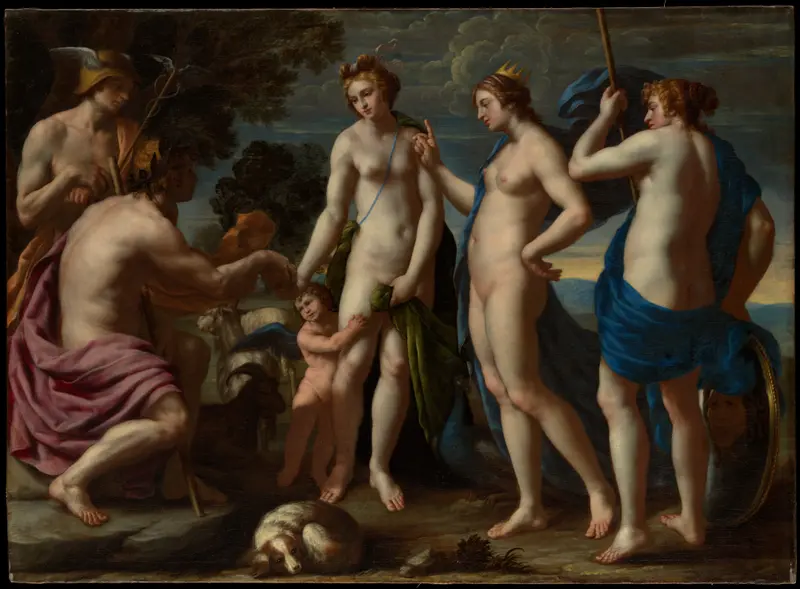
Judgment of Paris
Alessandro Turchi
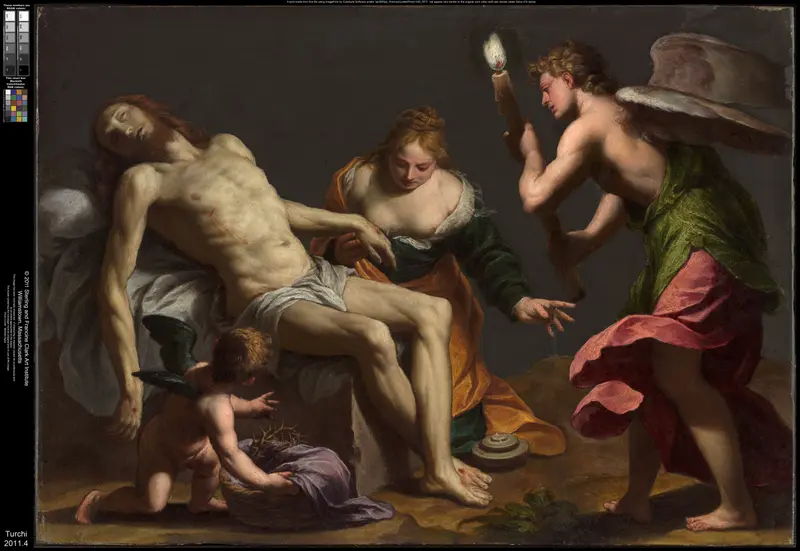
Lamentation over the Body of Christ
Alessandro Turchi
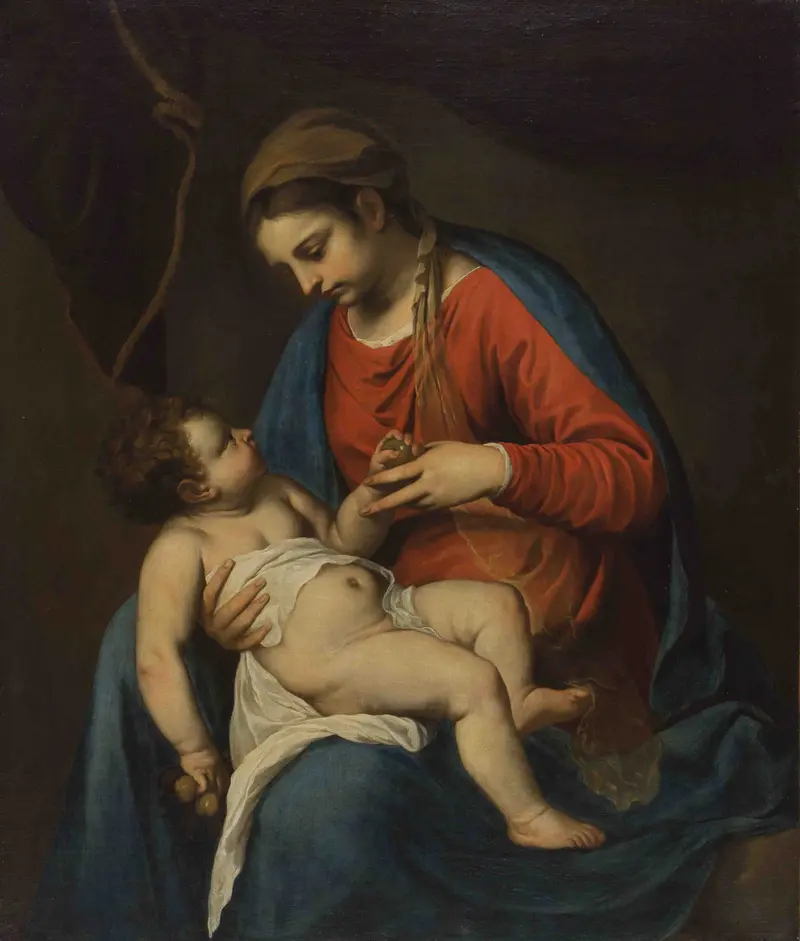
Maria with Child
Alessandro Turchi

Saint Peter visits Saint Agatha in her Prison
Alessandro Turchi
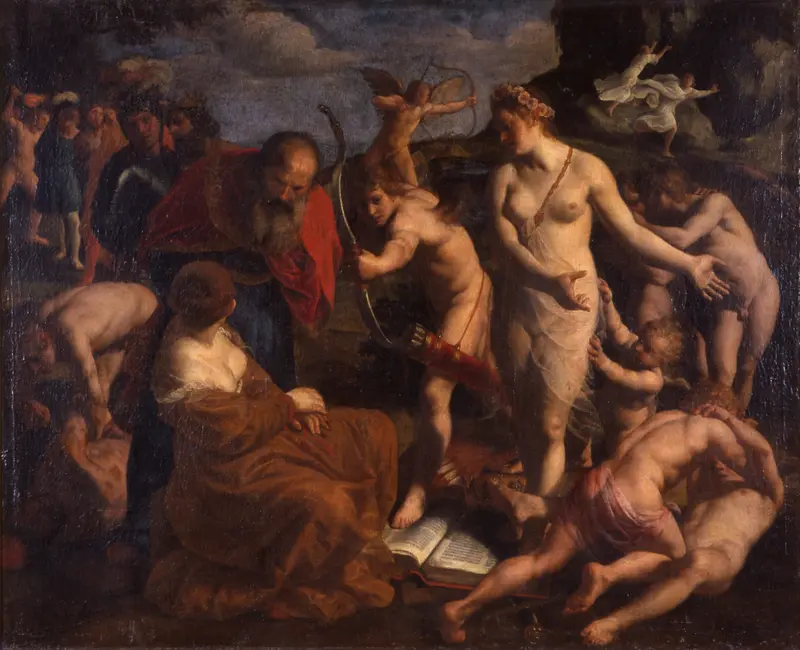
Allegory on the Power of Love ('Omnia Vincit Amor')
Alessandro Turchi
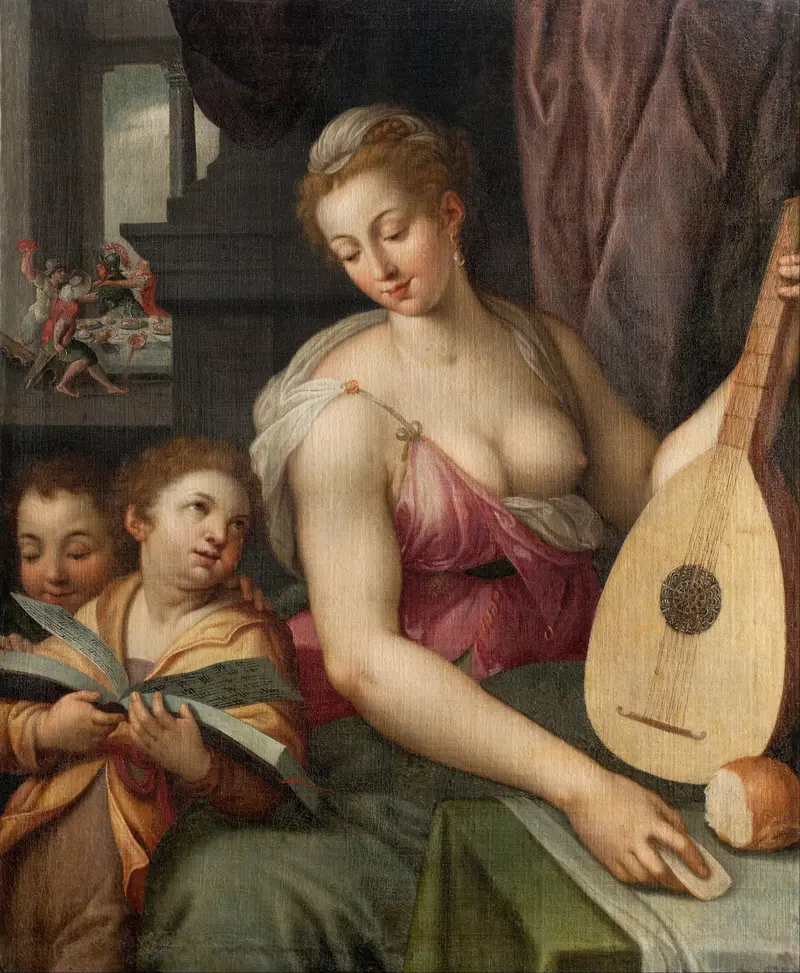
Allegory of Music
Alessandro Turchi
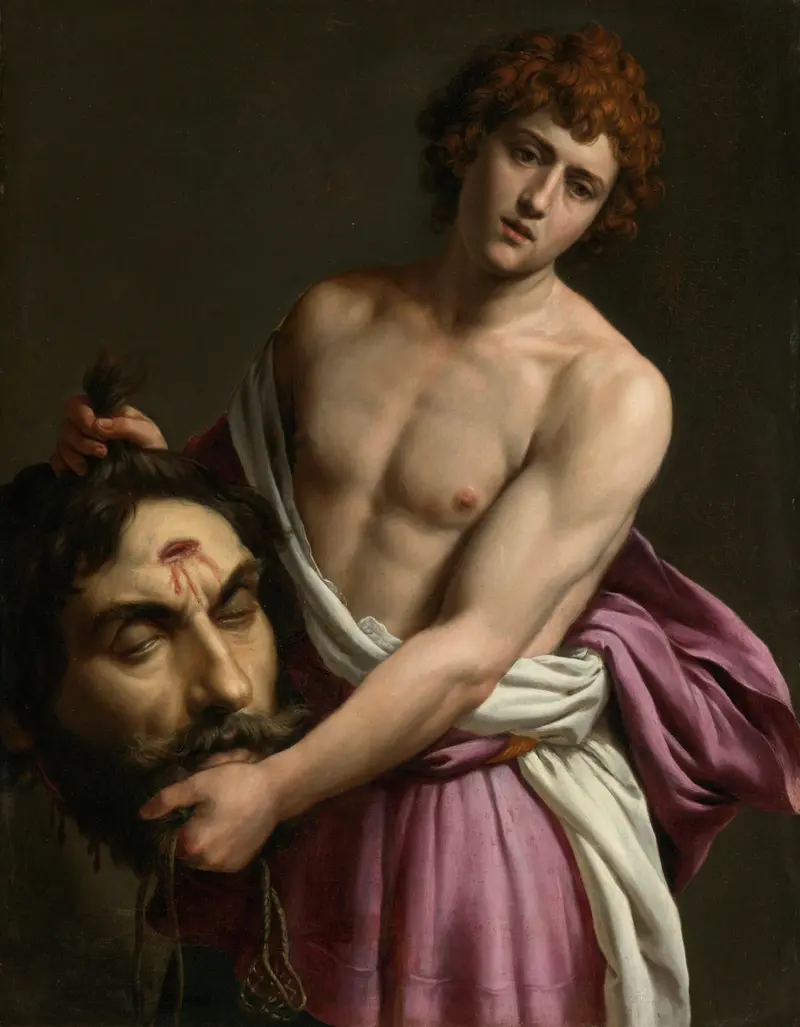
David with the Head of Goliath
Alessandro Turchi
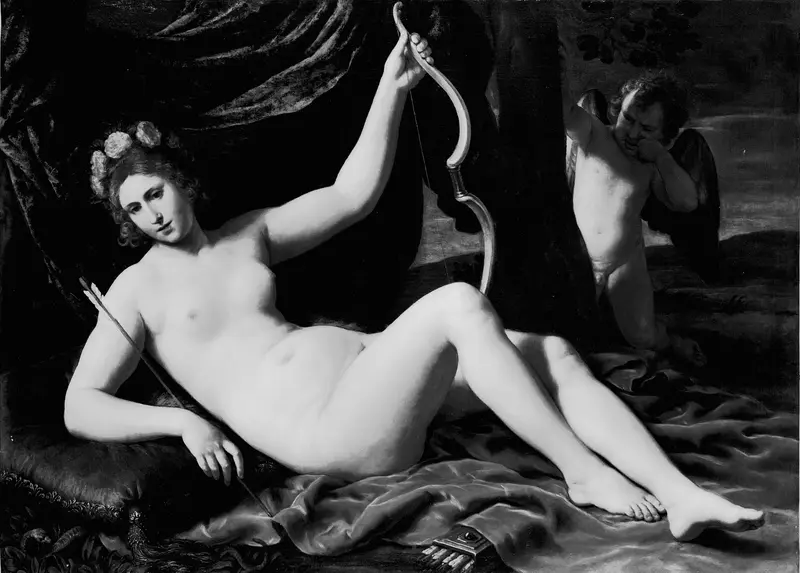
Venus and Cupid
Alessandro Turchi
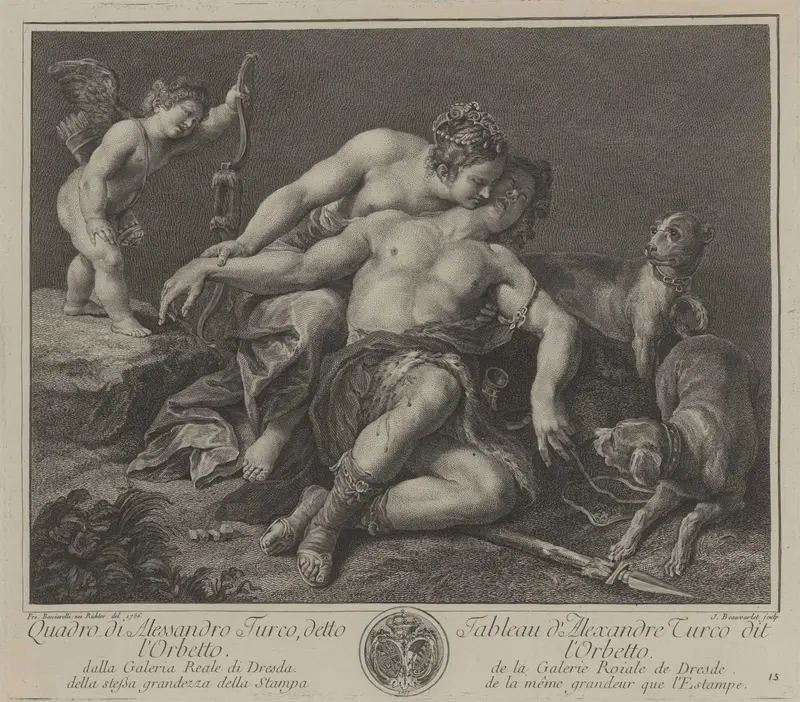
Venus and Adonis
Alessandro Turchi





