
The Flood — History & Facts
A single flash of lightning splits the sky, and every figure in The Flood by Alessandro Turchi seems caught between hope and despair. The drama unfolds not in the storm itself, but in the desperate gestures of survival: a man clings to a tree, his body stretched to its limit; another hauls a limp, pale woman from the water, her lifelessness mirrored by the bodies strewn in the foreground. The palette is heavy with the weight of tragedy—dusky blues, bruised purples, and the jarring flare of a red cloak—while the light, dim and uncertain, picks out flesh and fabric, guiding the eye from one struggle to the next.
The painting’s true subject is not just catastrophe, but the raw, physical fight to escape it. Painted in the 17th century, this work draws on the Genesis flood narrative, a story that haunted the imagination of Baroque Europe. In an age obsessed with the power of nature and the frailty of humankind, such scenes were commissioned to stir both awe and reflection, often destined for private devotion or the walls of noble patrons who saw their own fortunes reflected in biblical calamity. Alessandro Turchi belonged to a generation of Italian artists who blended classical restraint with emotional intensity, and here, history has kept few traces of this particular painting’s journey—its medium and early life are unrecorded, its survival a quiet testament to the enduring pull of old stories.
Let your eye linger on the faces and hands: every detail is a plea for rescue, a question left unanswered by the storm.
More Artworks by Alessandro Turchi
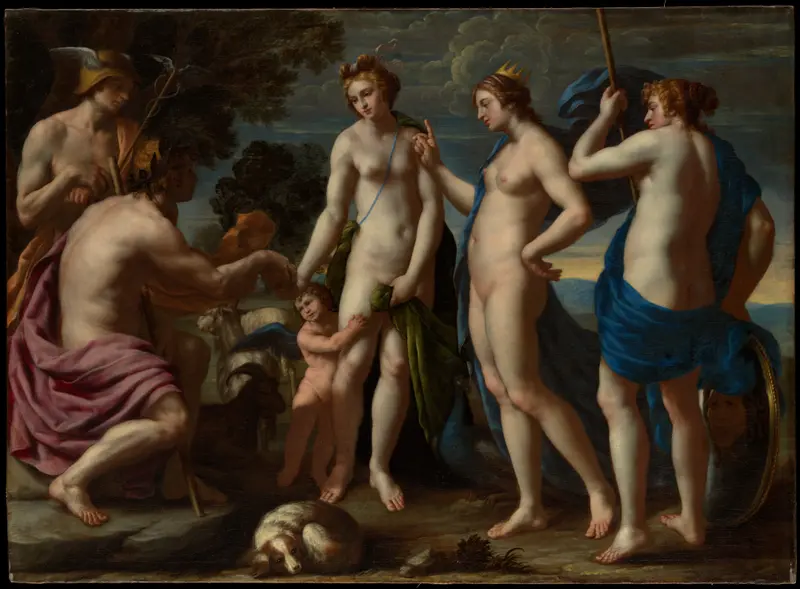
Judgment of Paris
Alessandro Turchi
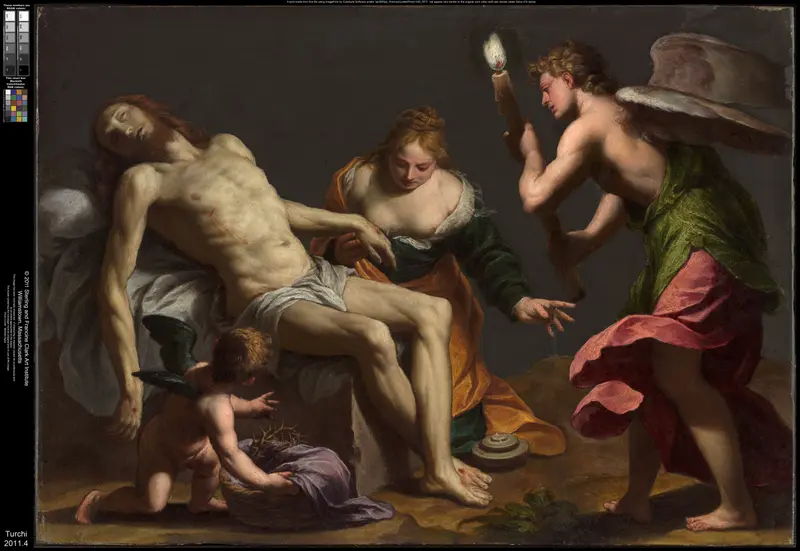
Lamentation over the Body of Christ
Alessandro Turchi
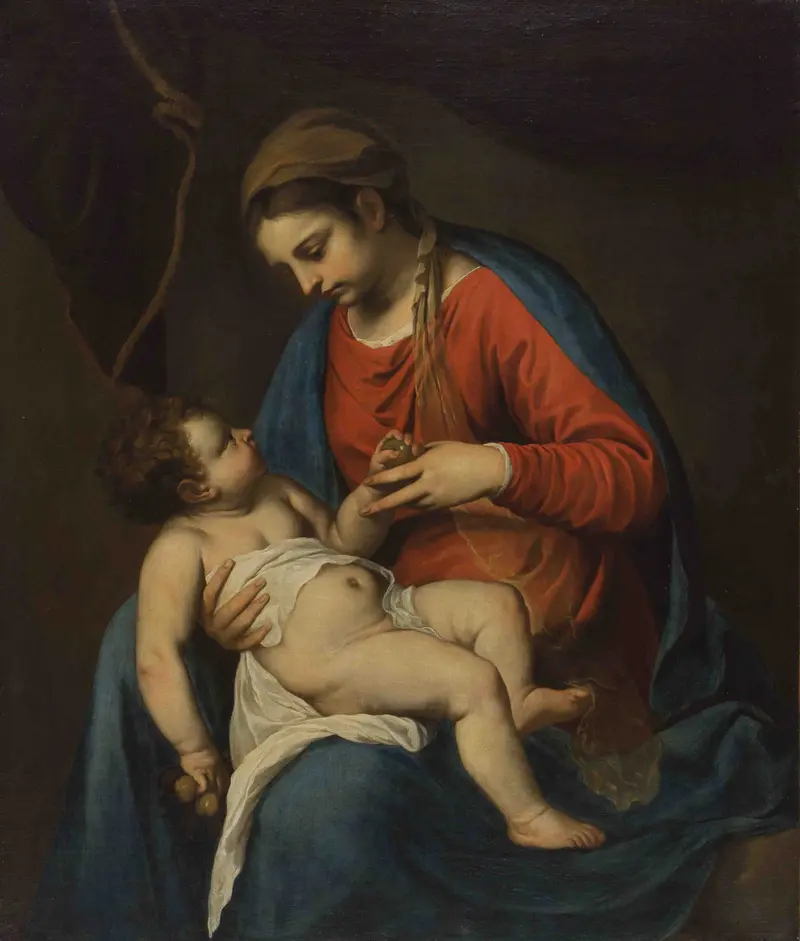
Maria with Child
Alessandro Turchi

Saint Peter visits Saint Agatha in her Prison
Alessandro Turchi
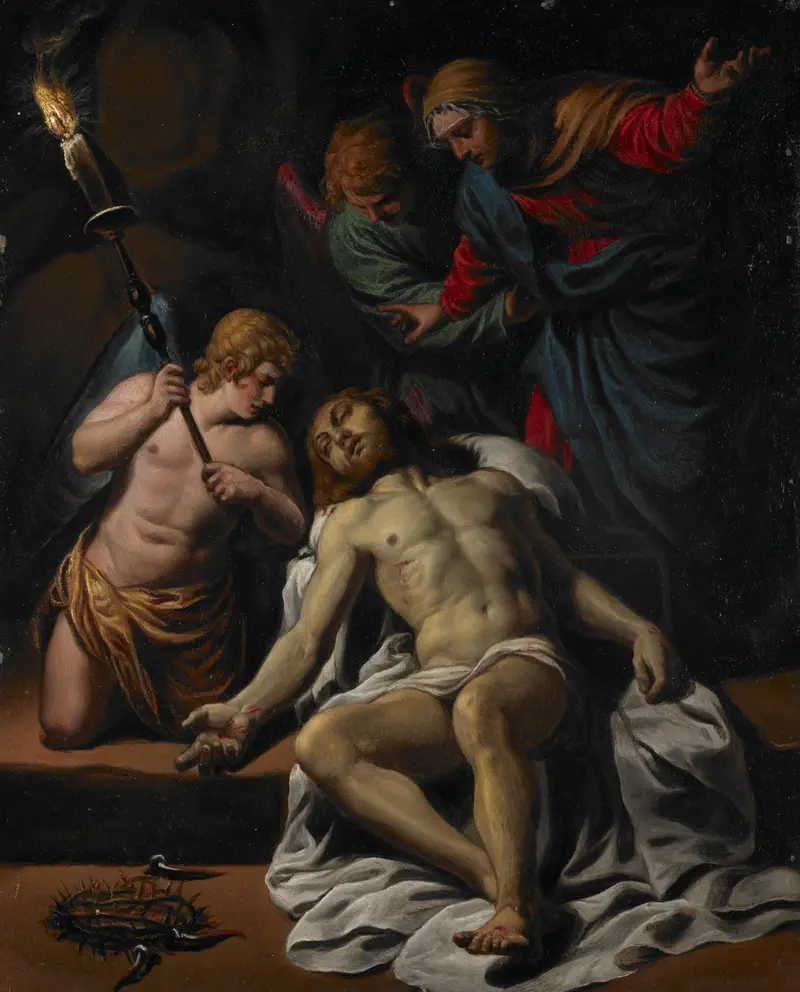
The Lamentation
Alessandro Turchi
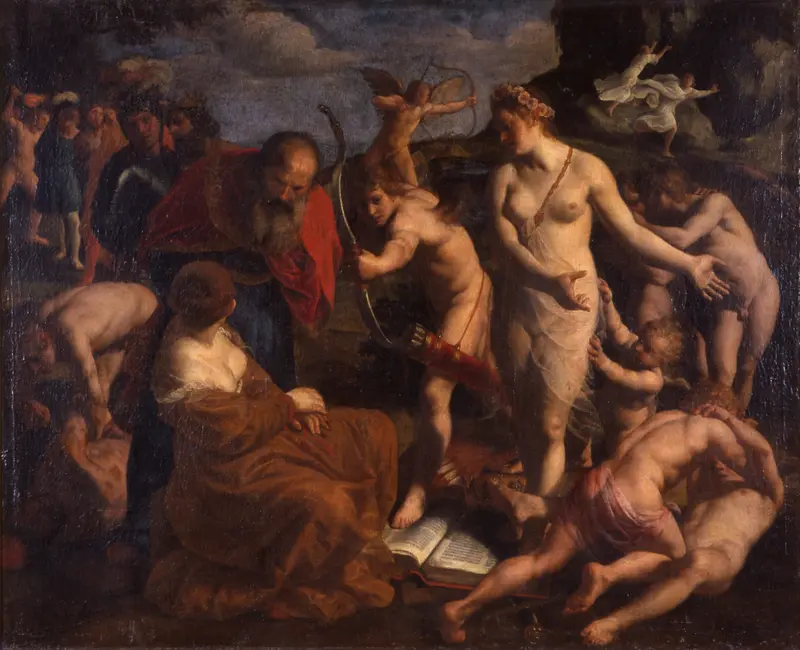
Allegory on the Power of Love ('Omnia Vincit Amor')
Alessandro Turchi
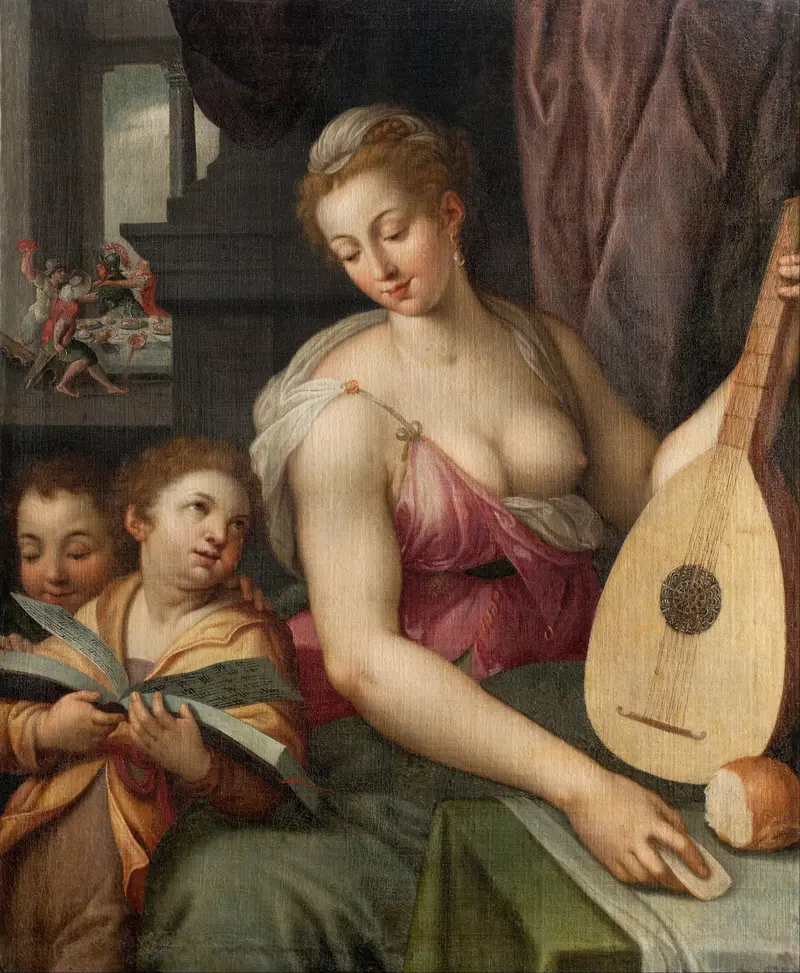
Allegory of Music
Alessandro Turchi
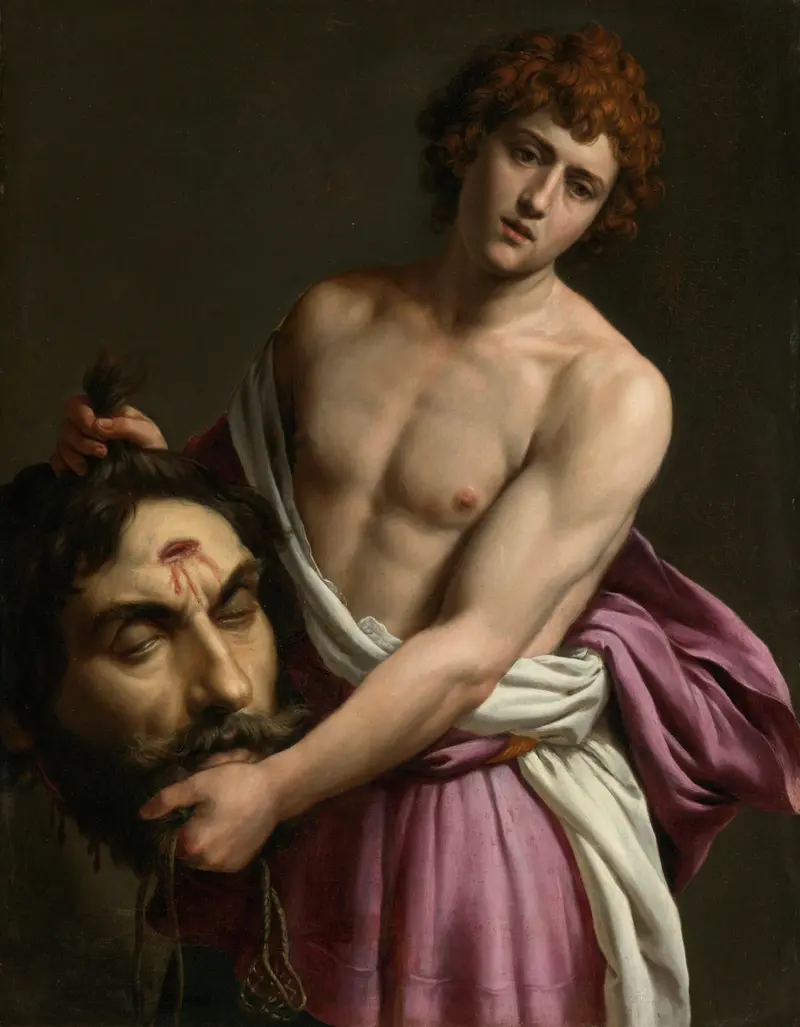
David with the Head of Goliath
Alessandro Turchi
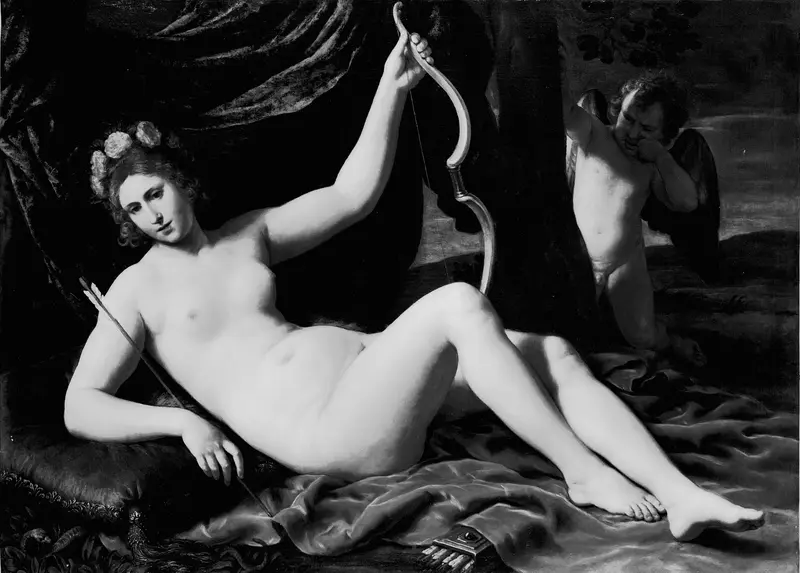
Venus and Cupid
Alessandro Turchi
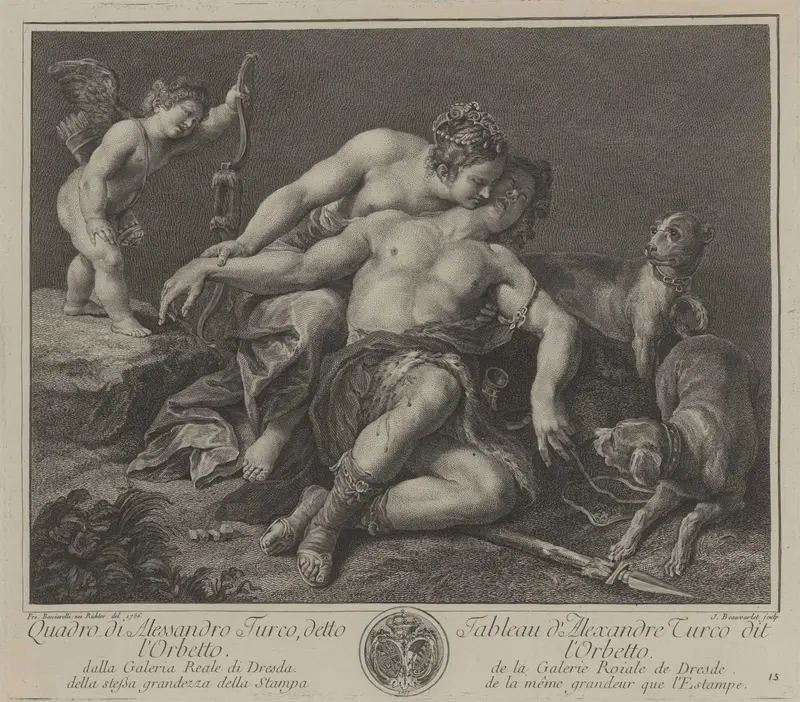
Venus and Adonis
Alessandro Turchi





