
Maria with Child — History & Facts
What first draws the eye in Maria with Child is the quiet gravity of the Madonna’s gaze, lowered not in sorrow but in a kind of gentle concentration as she clasps the infant’s hand. The composition pulls the viewer into this private exchange: the child, robust and lively, reaches out with one hand while the other clutches a pair of small fruits, their meaning left for us to ponder. The Madonna’s red robe, vibrant against the deep blue of her mantle, sets her apart from the enveloping shadows, while her loosely braided hair and simple headscarf anchor her in the world of everyday devotion.
Light falls softly from the left, illuminating the curve of the child’s body and the Madonna’s delicate fingers, guiding us to the heart of their connection—a moment of touch, of teaching, or perhaps of blessing. Works like this, depicting the Madonna and Child, were central to the devotional life of early modern Europe, and artists such as Alessandro Turchi found endless variation within the theme. These paintings were often commissioned for private chapels or domestic interiors, intended to inspire both reverence and intimacy. While little is recorded about this specific canvas—its date and journey remain unknown—it now resides in the collection of the Royal Castle in Warsaw, as documented by its source.
In the hands of Turchi, a painter shaped by the late Renaissance and early Baroque, the sacred is made tangible: the holy figures are close enough to touch, yet set apart by the stillness of their exchange. The longer one lingers, the more the painting invites the viewer to share in its quiet, unfolding mystery.
More Artworks by Alessandro Turchi

The Flood
Alessandro Turchi
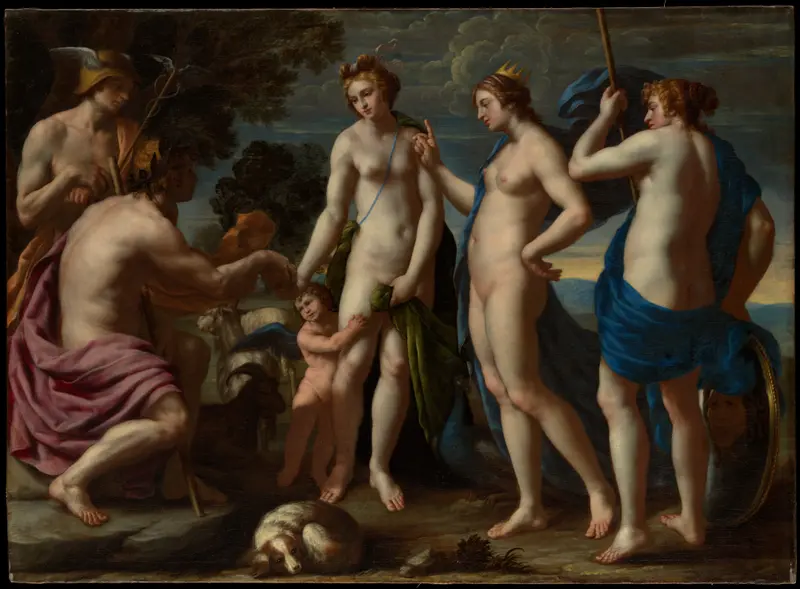
Judgment of Paris
Alessandro Turchi
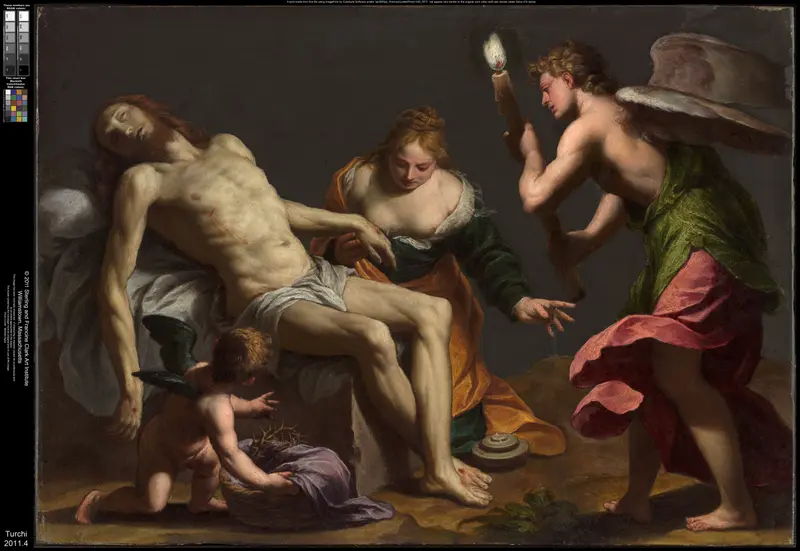
Lamentation over the Body of Christ
Alessandro Turchi

Saint Peter visits Saint Agatha in her Prison
Alessandro Turchi
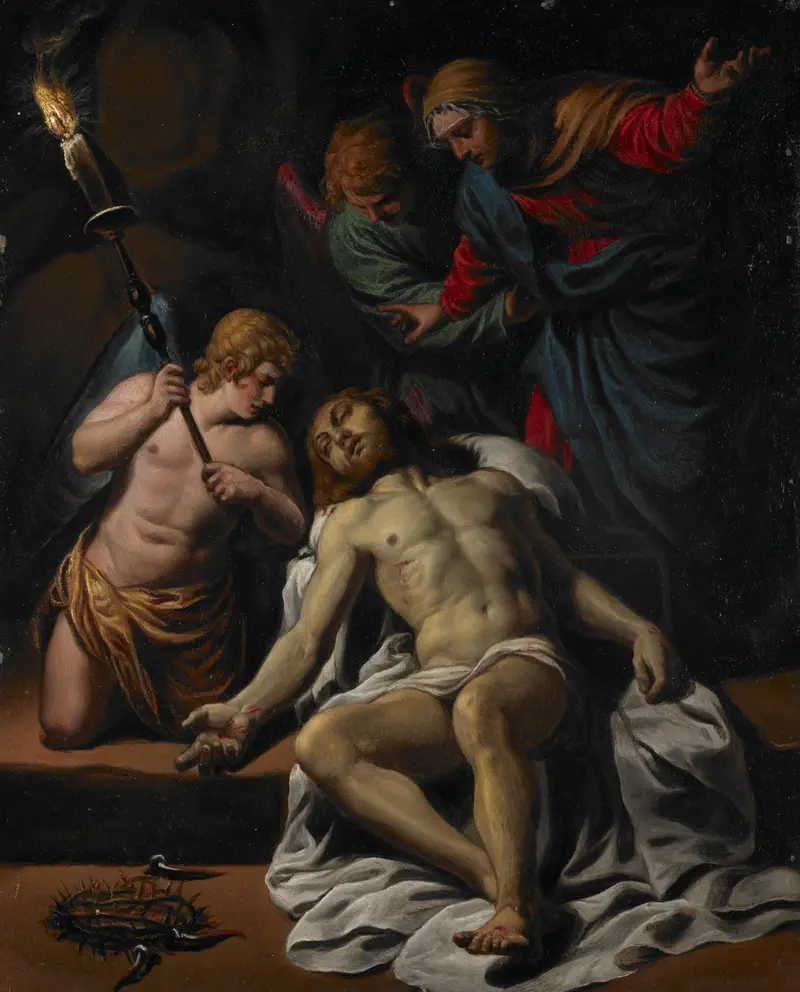
The Lamentation
Alessandro Turchi
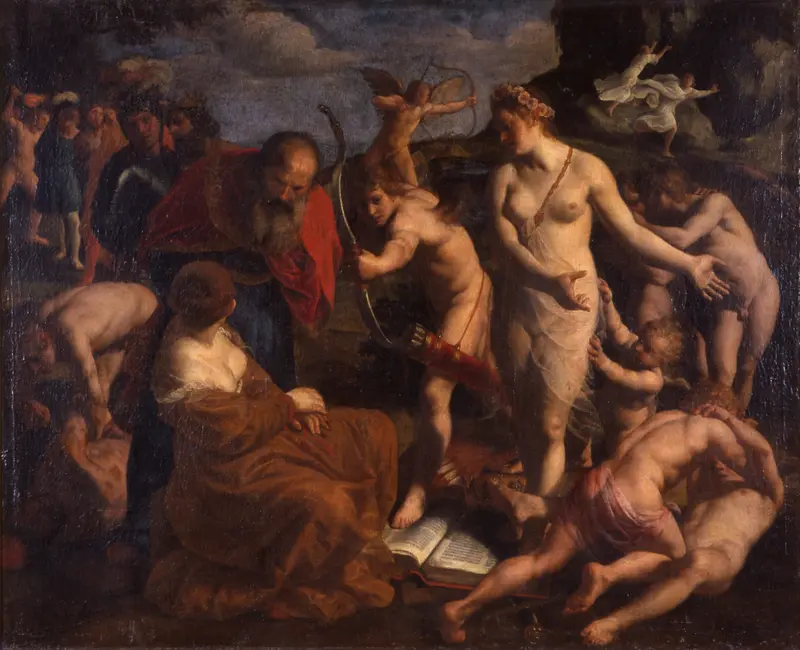
Allegory on the Power of Love ('Omnia Vincit Amor')
Alessandro Turchi
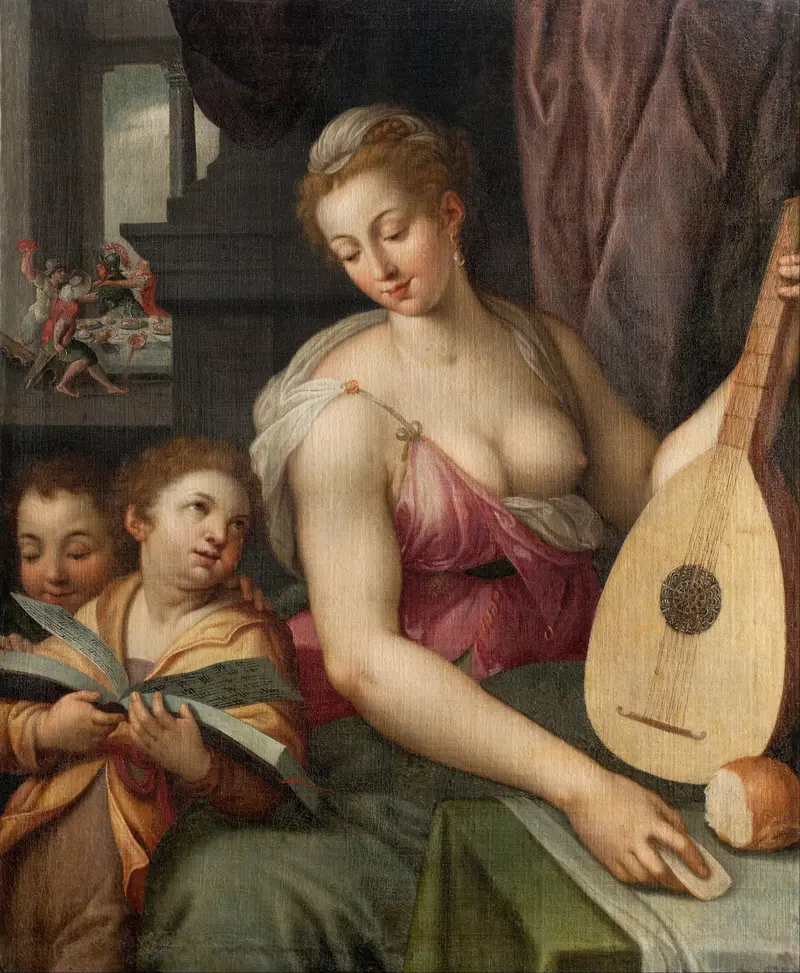
Allegory of Music
Alessandro Turchi
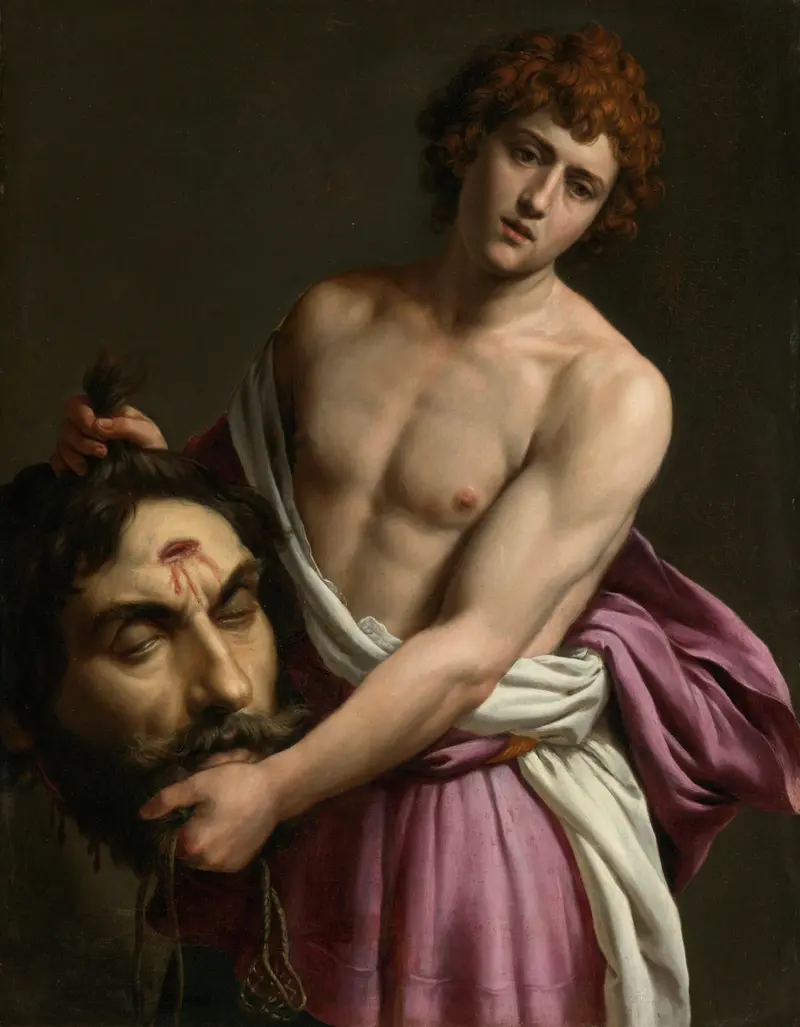
David with the Head of Goliath
Alessandro Turchi
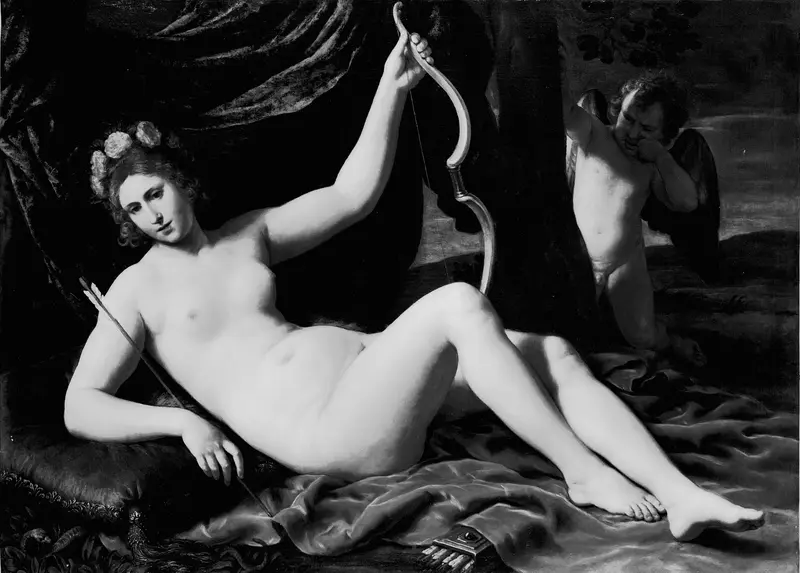
Venus and Cupid
Alessandro Turchi
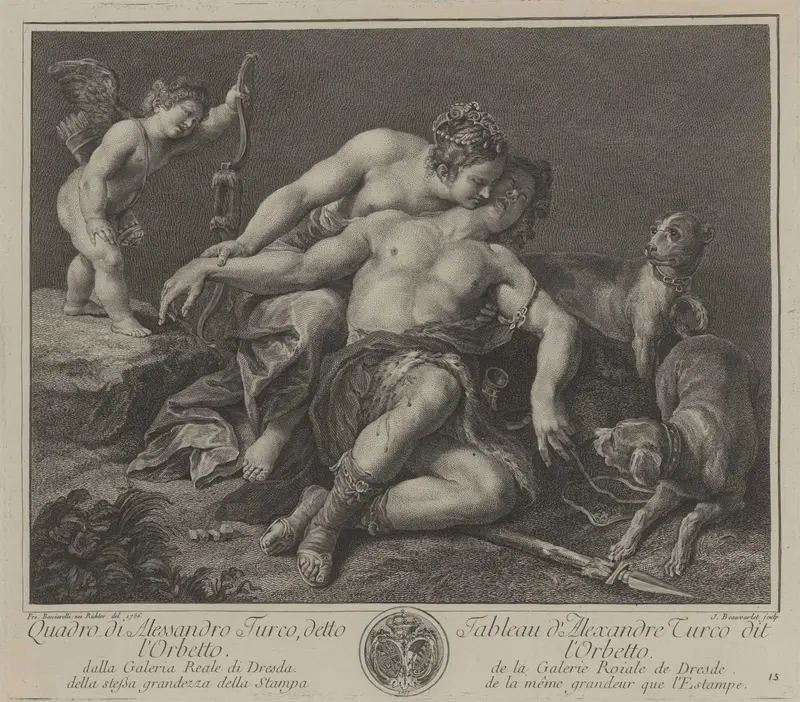
Venus and Adonis
Alessandro Turchi





