
Lamentation over the Body of Christ — History & Facts
What first grips the eye in Lamentation over the Body of Christ is the interplay of light and gesture: a single, burning torch held aloft by an angel slices through the darkness, pulling Christ’s pallid body and the mourners into sharp relief. The composition draws the viewer into a moment of intimate grief, where every hand and glance has its purpose—one woman’s arm supports Christ’s lifeless form, her other hand reaching out as if to steady herself against the weight of loss, while the angel’s torch does more than illuminate; it sanctifies the sorrow, turning the scene into a vigil. The palette is rich but somber, with deep greens and golds wrapping the figures in a kind of twilight, the folds of drapery echoing the emotional turbulence within.
At Christ’s feet, a small winged figure—perhaps a cherub—gathers thorns into a basket, a quiet reminder of suffering and sacrifice. Painted between circa 1645 and 1650, this work by Alessandro Turchi belongs to a period when artists across Europe were drawn to the drama and pathos of religious subjects, especially scenes of lamentation. Such paintings were often commissioned for private devotion or as altarpieces, intended to stir empathy and reflection in the viewer. In Turchi’s hands, the Lamentation becomes not just a narrative of loss but a meditation on the rituals of mourning, set aglow by the theatrical lighting that was a hallmark of the Baroque.
Now part of the Clark Art Institute’s collection, this painting stands as a testament to the enduring power of sacred storytelling—inviting us to linger, to look again, and to find meaning in the hush between light and shadow.
More Artworks by Alessandro Turchi

The Flood
Alessandro Turchi
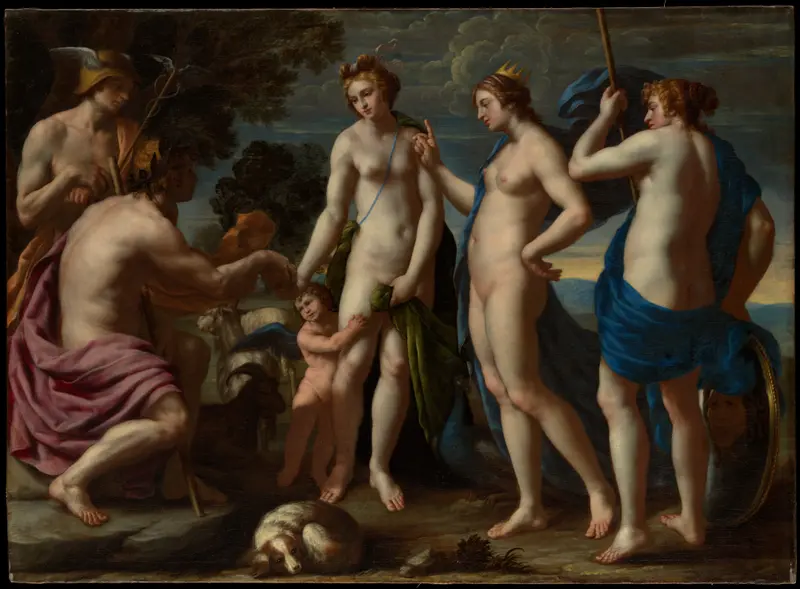
Judgment of Paris
Alessandro Turchi
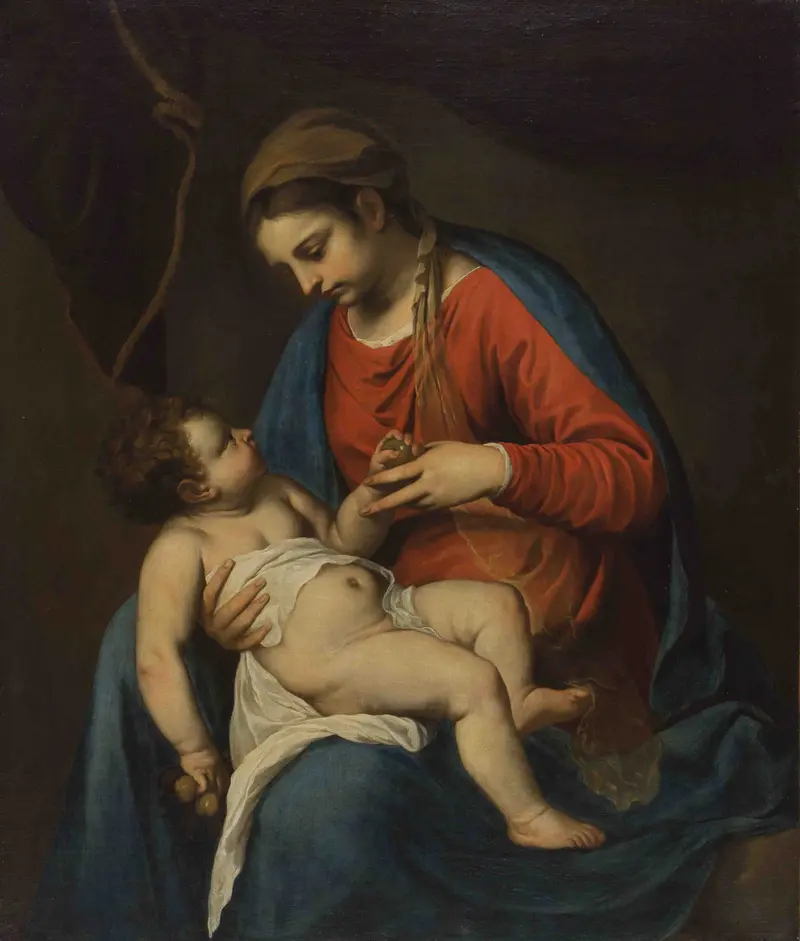
Maria with Child
Alessandro Turchi

Saint Peter visits Saint Agatha in her Prison
Alessandro Turchi
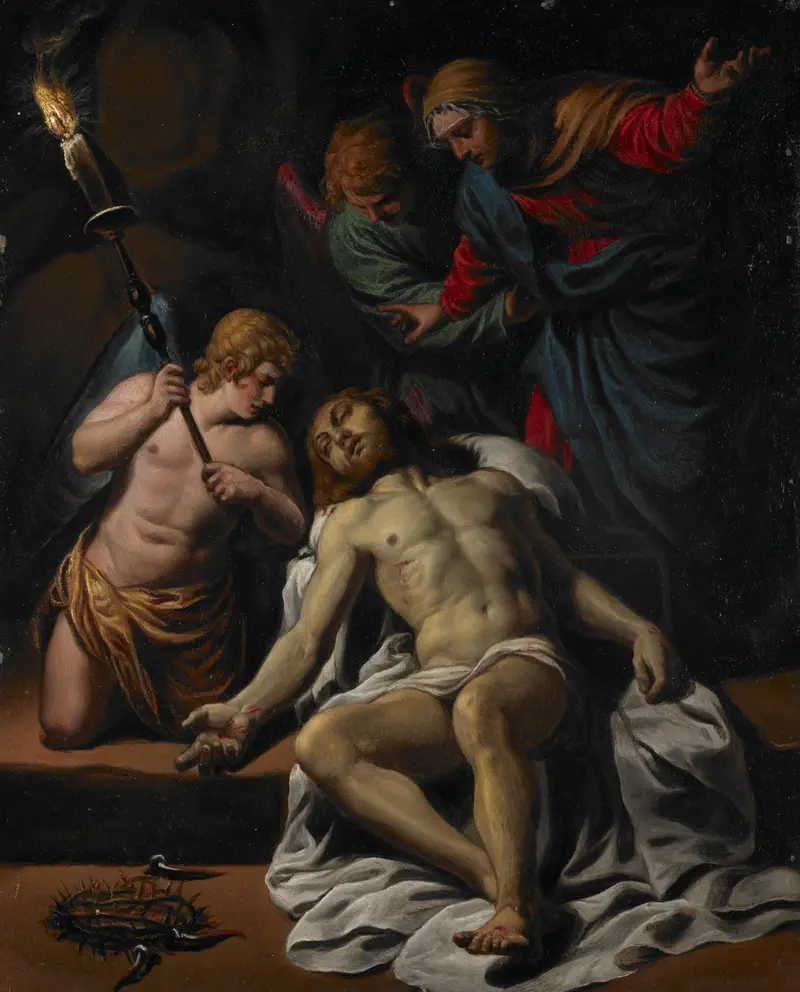
The Lamentation
Alessandro Turchi
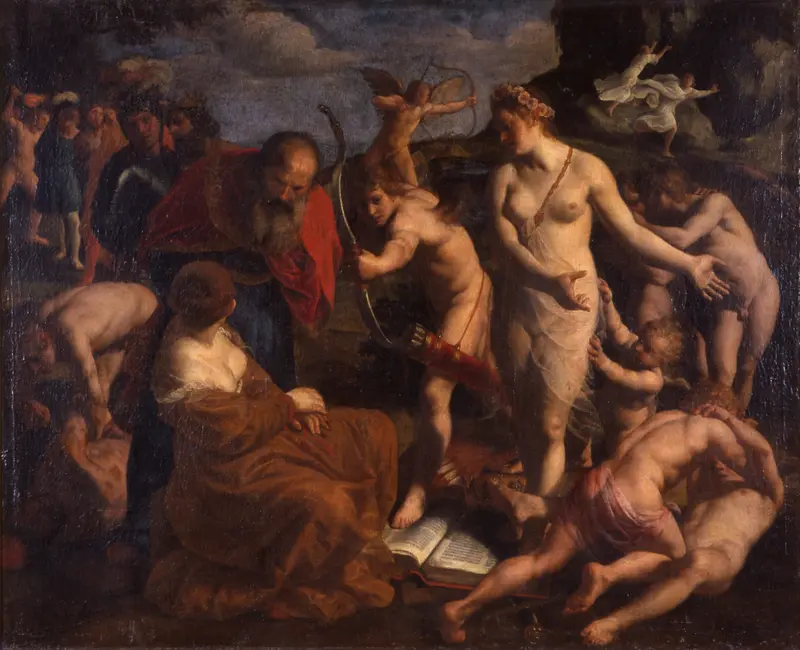
Allegory on the Power of Love ('Omnia Vincit Amor')
Alessandro Turchi
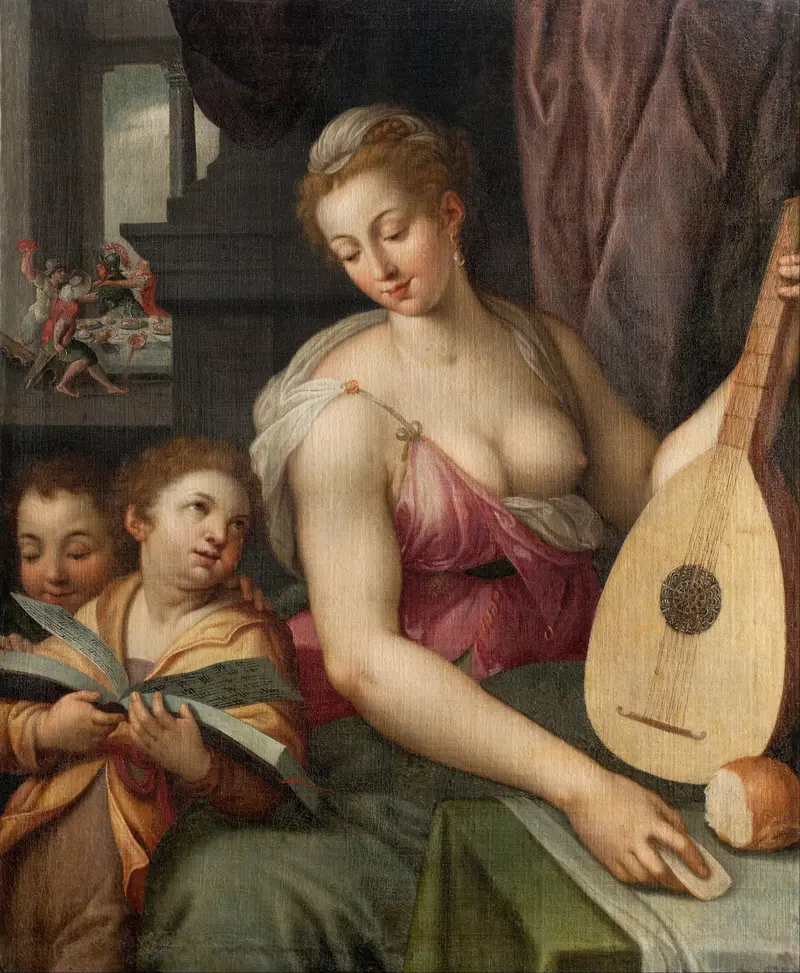
Allegory of Music
Alessandro Turchi
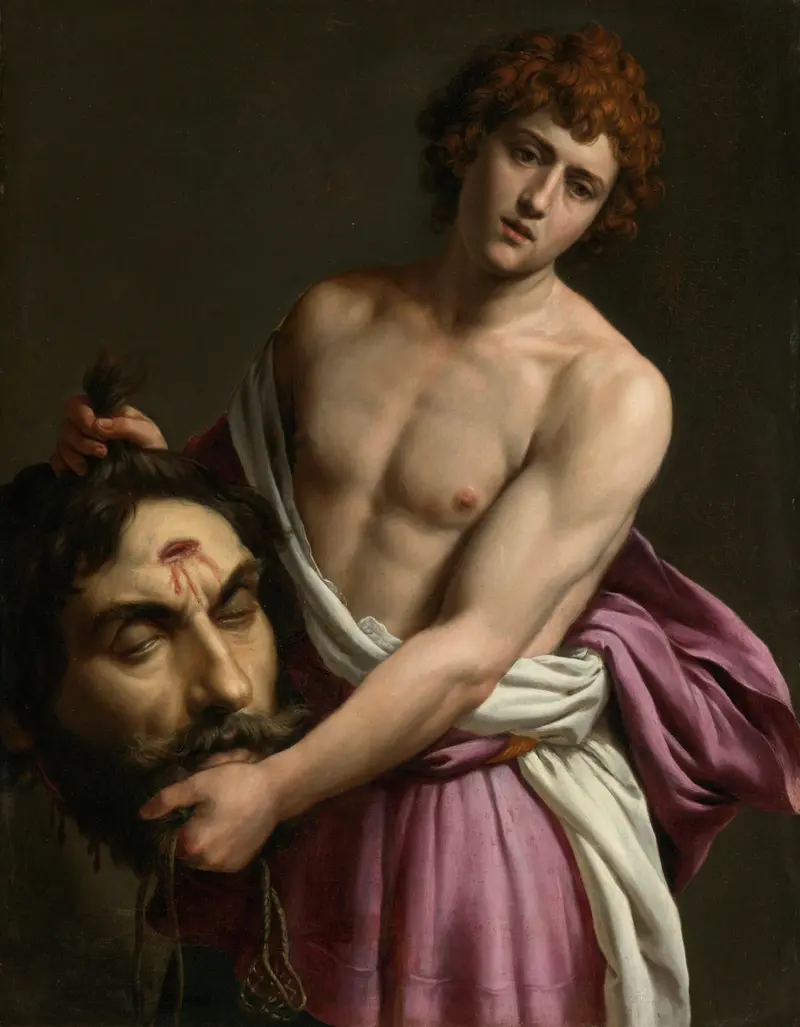
David with the Head of Goliath
Alessandro Turchi
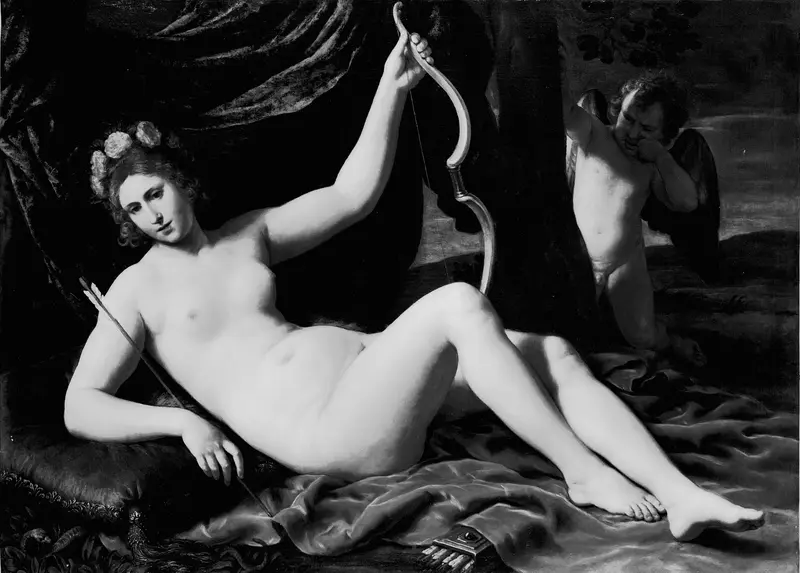
Venus and Cupid
Alessandro Turchi
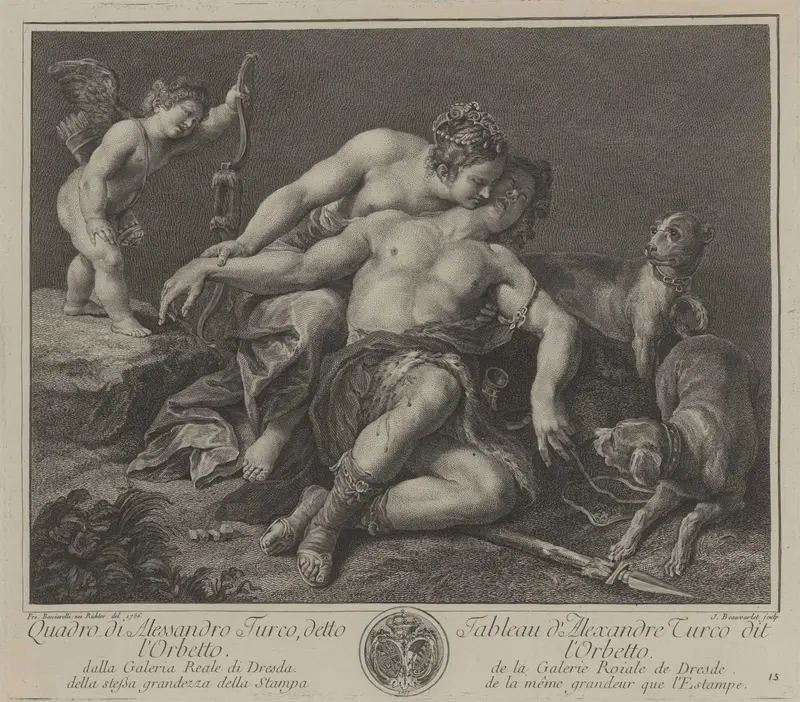
Venus and Adonis
Alessandro Turchi





