
Allegory on the Power of Love ('Omnia Vincit Amor') — History & Facts
A swirl of bodies, gestures, and glances draws the viewer straight into the heart of a mythic struggle—one where love, quite literally, conquers all. The eye is caught first by the commanding figure of Venus, her pale form illuminated against the shadowed throng, as she extends her arm in a sweeping gesture of command or invitation. Around her, putti—those mischievous agents of Cupid—tumble and wrestle, some clutching arrows and bows, others tangled in embraces or pulling at the figures of mortals.
A bearded man in rich red leans in, his brow furrowed in concern or wonder, while a woman in earthy tones sits at his feet, her gaze lifted in a mix of resignation and awe. The open book at their feet, its pages splayed, hints at knowledge or wisdom, but here, it is love that writes the rules. Painted in the early decades of the seventeenth century, Allegory on the Power of Love ('Omnia Vincit Amor') belongs to a world where allegory was both a game and a lesson. In the Italy of Alessandro Turchi’s day, such paintings were prized by learned patrons who delighted in deciphering their layered meanings—part entertainment, part moral reflection.
The grand theme, drawn from the Latin poet Virgil, speaks to the era’s fascination with the irresistible force of love, a subject that artists from Caravaggio to Rubens explored with their own visual vocabularies. In Turchi’s hands, the drama is staged with a theatrical blend of light and shadow, the figures animated not by violence, but by the restless, chaotic energy of desire. The painting now resides in the Mauritshuis, a reminder that, in art as in life, love’s victories are never simple—and always worth a closer look.
More Artworks by Alessandro Turchi

The Flood
Alessandro Turchi
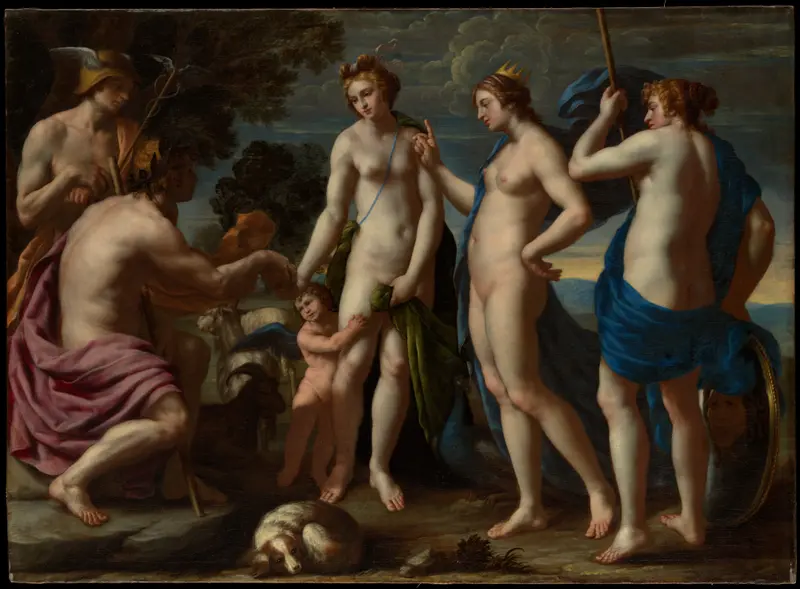
Judgment of Paris
Alessandro Turchi
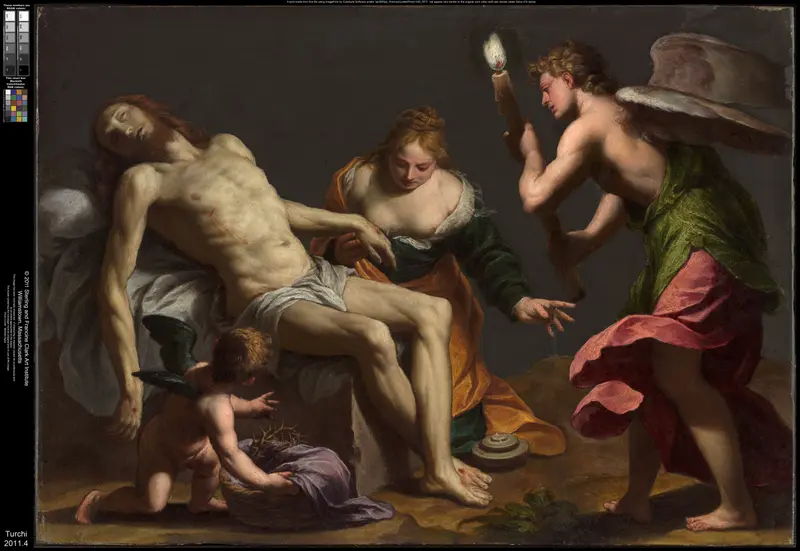
Lamentation over the Body of Christ
Alessandro Turchi
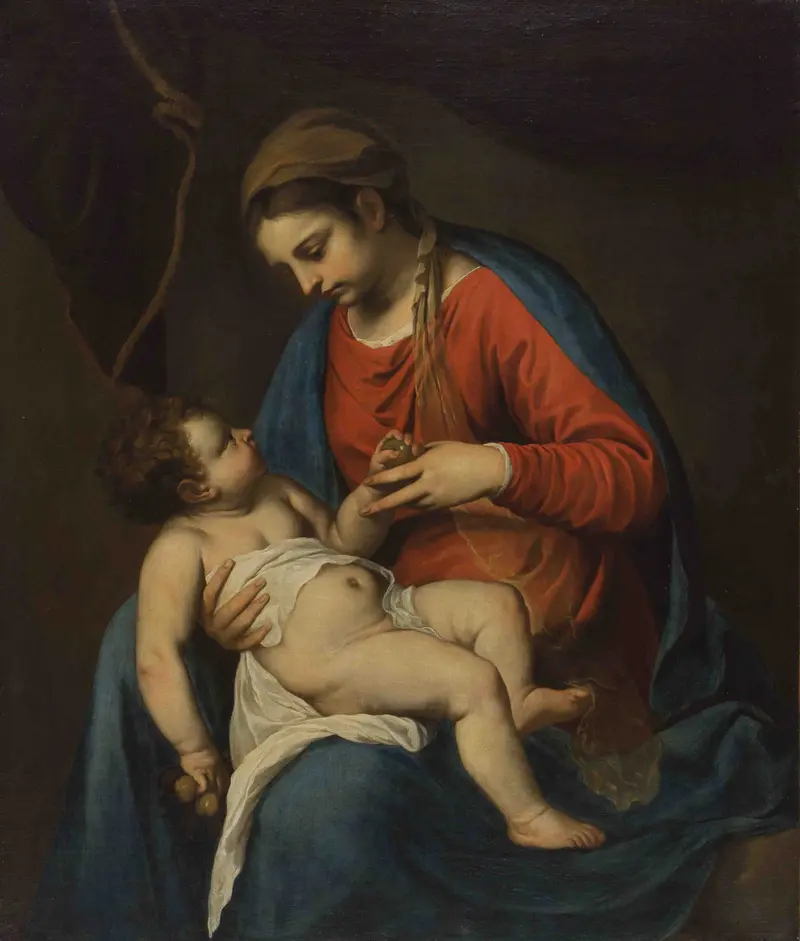
Maria with Child
Alessandro Turchi

Saint Peter visits Saint Agatha in her Prison
Alessandro Turchi
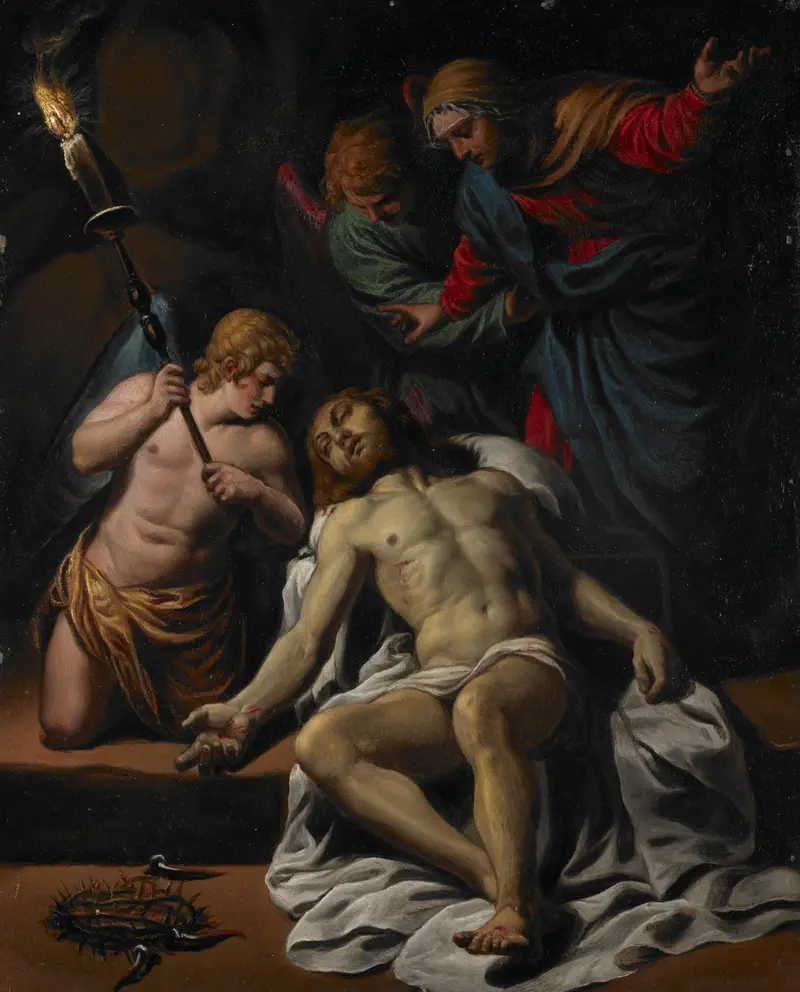
The Lamentation
Alessandro Turchi
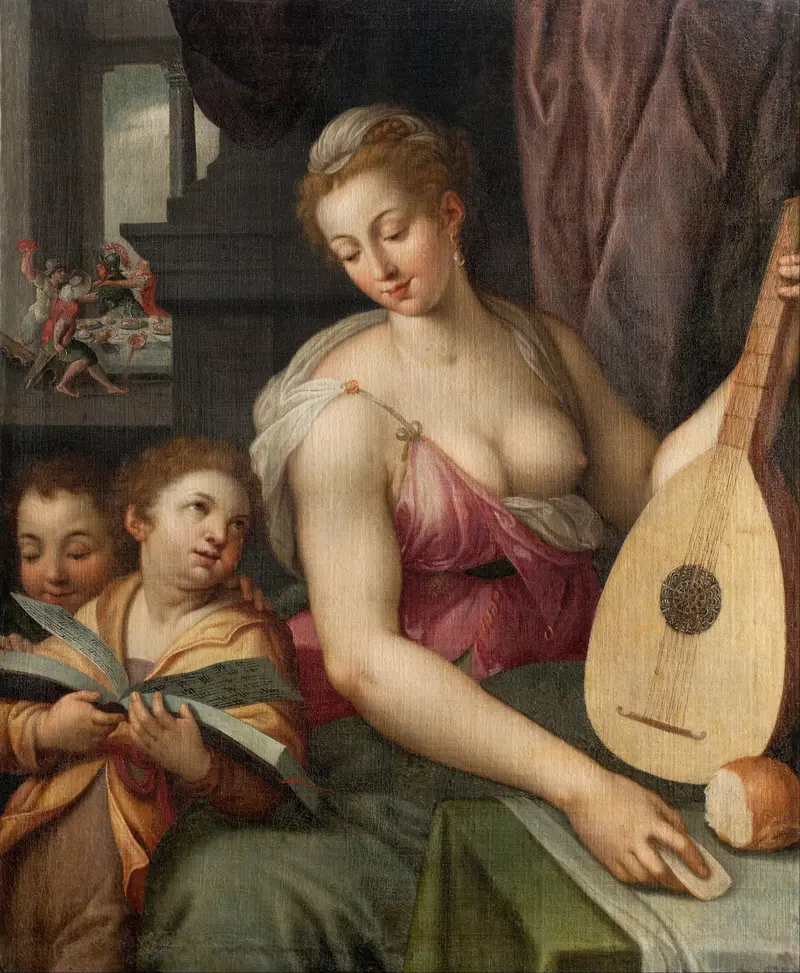
Allegory of Music
Alessandro Turchi
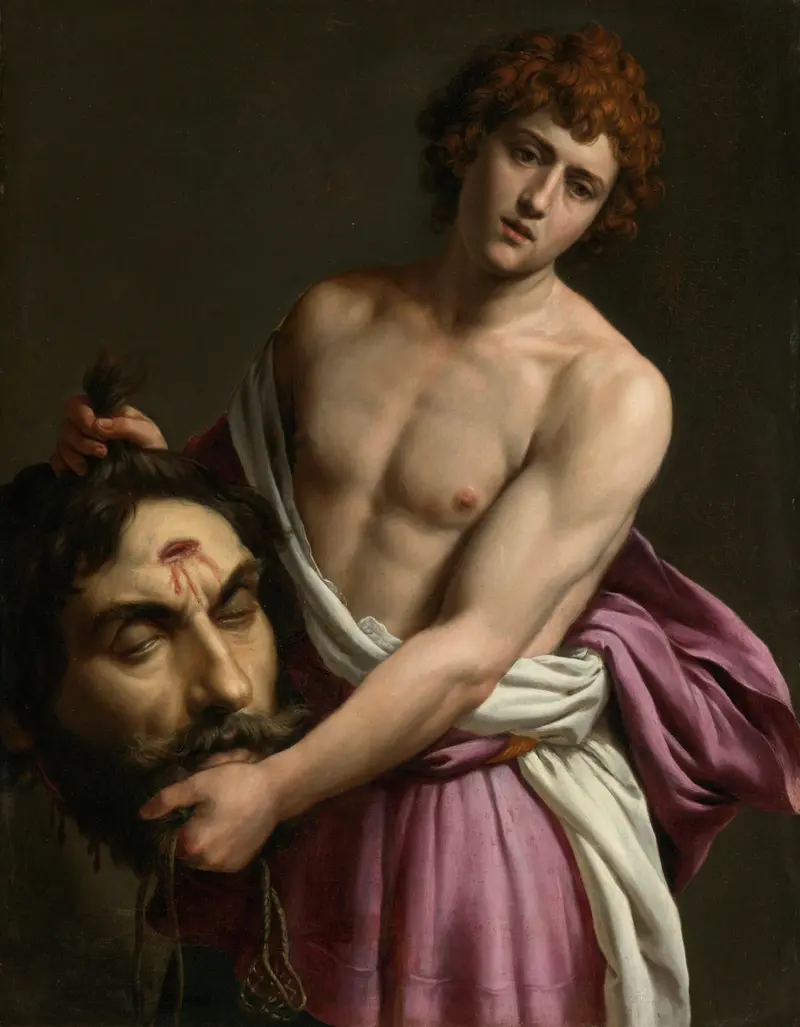
David with the Head of Goliath
Alessandro Turchi
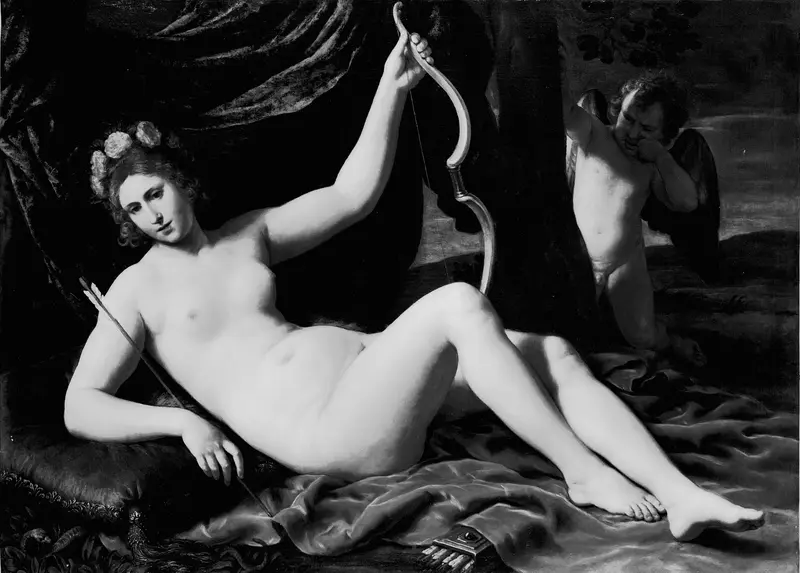
Venus and Cupid
Alessandro Turchi
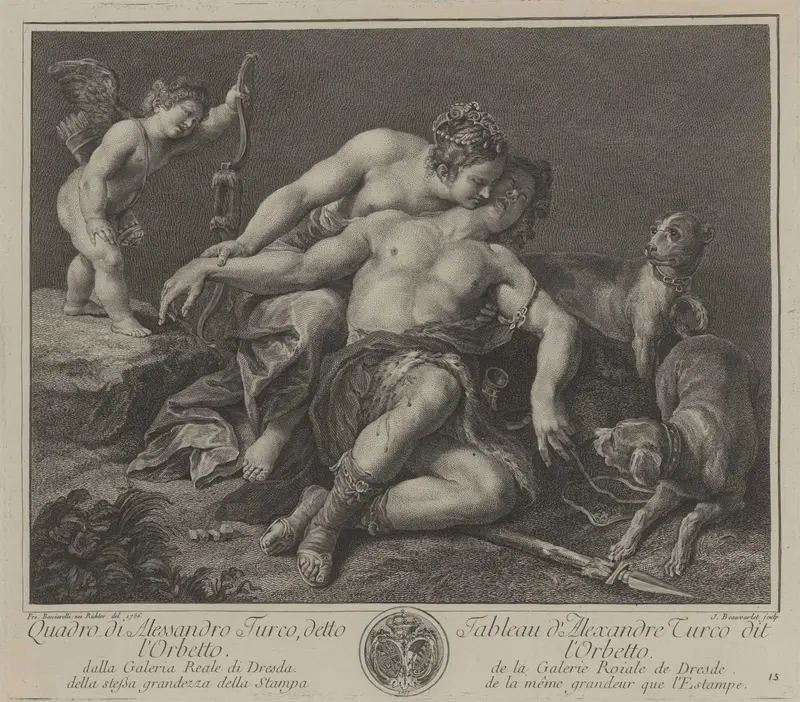
Venus and Adonis
Alessandro Turchi





