
Allegory of Music — History & Facts
What first catches the eye is the gentle, almost conspiratorial exchange between the woman and the children, her gaze lowered in quiet delight as she plucks the strings of a lute. The composition draws us in with its intimacy: the woman's exposed shoulder and relaxed posture invite the viewer into a private moment of music-making. The children, one clutching a book of music, lean in with eager attention, their faces lit with the anticipation of song.
Light falls softly on the figures, caressing the folds of drapery and the polished wood of the instrument, while a half-peeled orange on the table hints at sensual pleasure and domestic ease. In the background, a painted scene of dancers and musicians within a classical architectural frame reminds us that music, like painting, is a bridge between worlds—earthly and divine. Painted circa 1570, Allegory of Music belongs to the rich tradition of allegorical painting that flourished in the late Renaissance. Such works were often commissioned by learned patrons who prized the arts and sought to display their cultural sophistication.
The allegory here is clear: music as harmony, education, and refined pleasure, a theme that resonated with the intellectual circles of the period. Alessandro Turchi, though less widely known today, worked in an era when artists were exploring the expressive power of the human figure and the interplay of the senses. History has kept few traces of this particular painting’s journey, but its survival in the collection 8AHkiWbq9Hzg2g at the Google Cultural Institute allows us to linger over its details, and to imagine the music that once filled the air.
More Artworks by Alessandro Turchi

The Flood
Alessandro Turchi
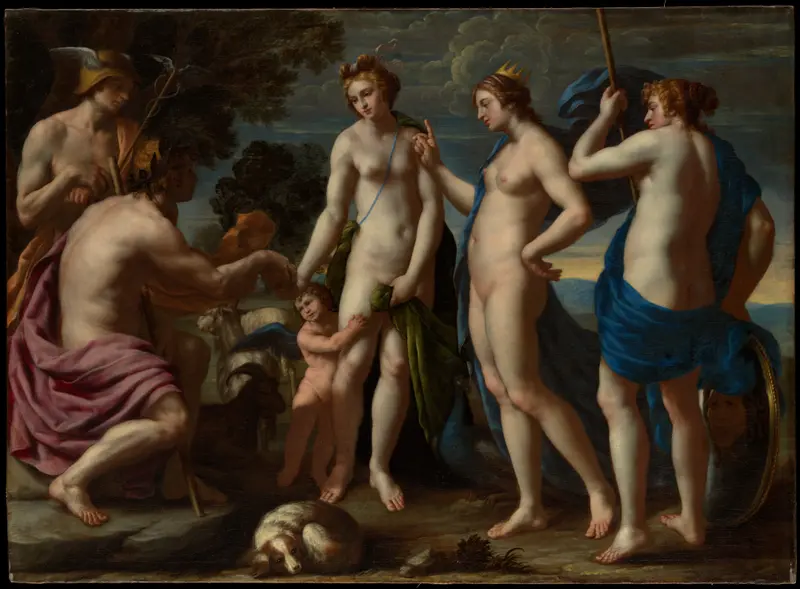
Judgment of Paris
Alessandro Turchi
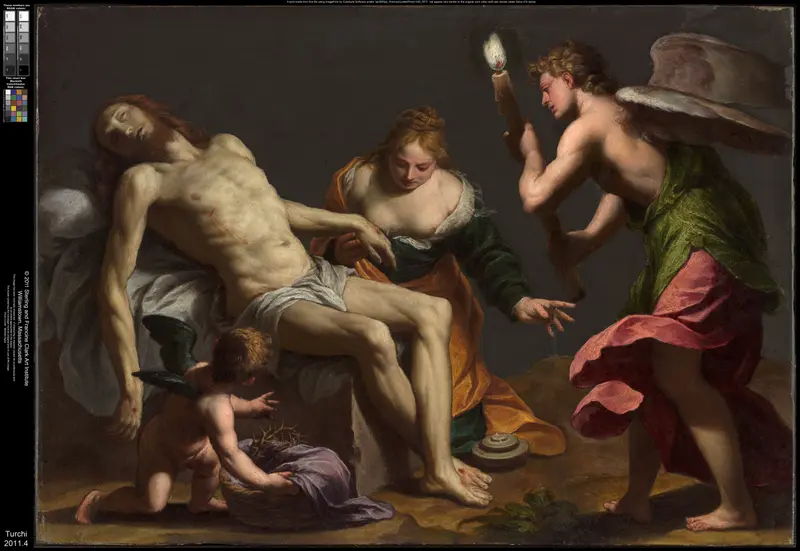
Lamentation over the Body of Christ
Alessandro Turchi
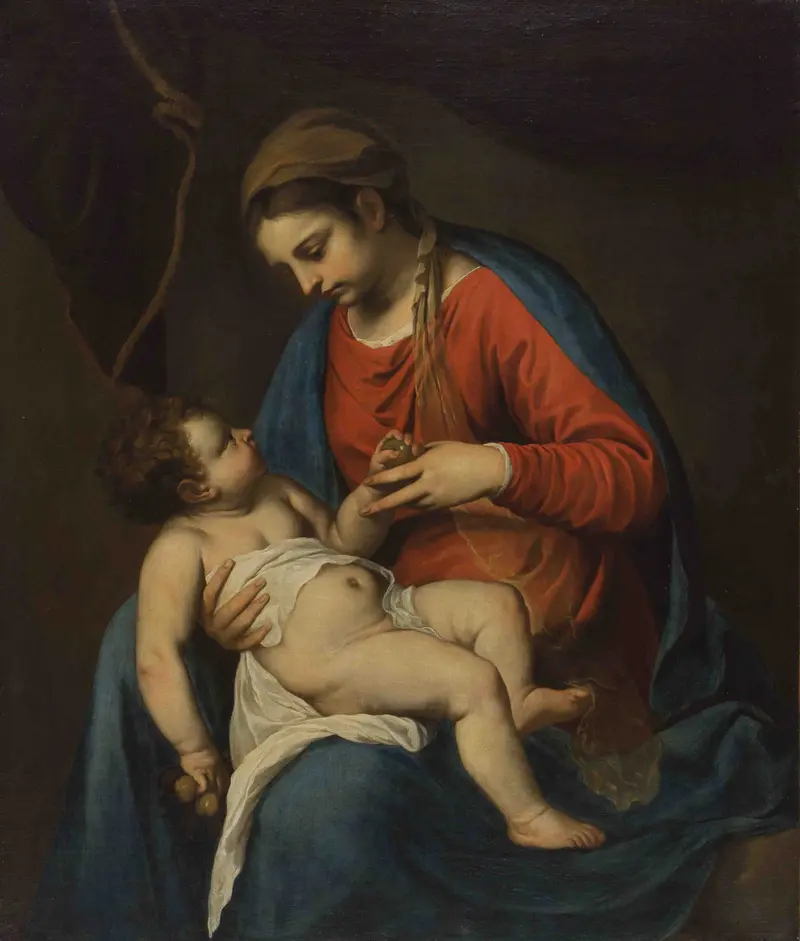
Maria with Child
Alessandro Turchi

Saint Peter visits Saint Agatha in her Prison
Alessandro Turchi
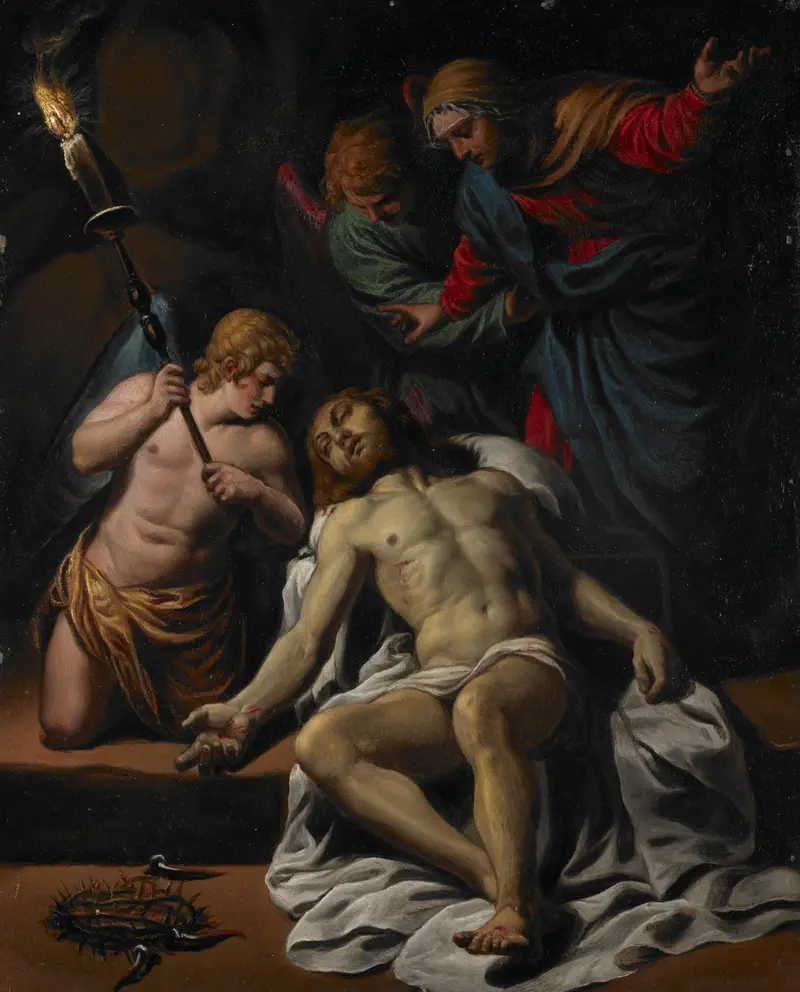
The Lamentation
Alessandro Turchi
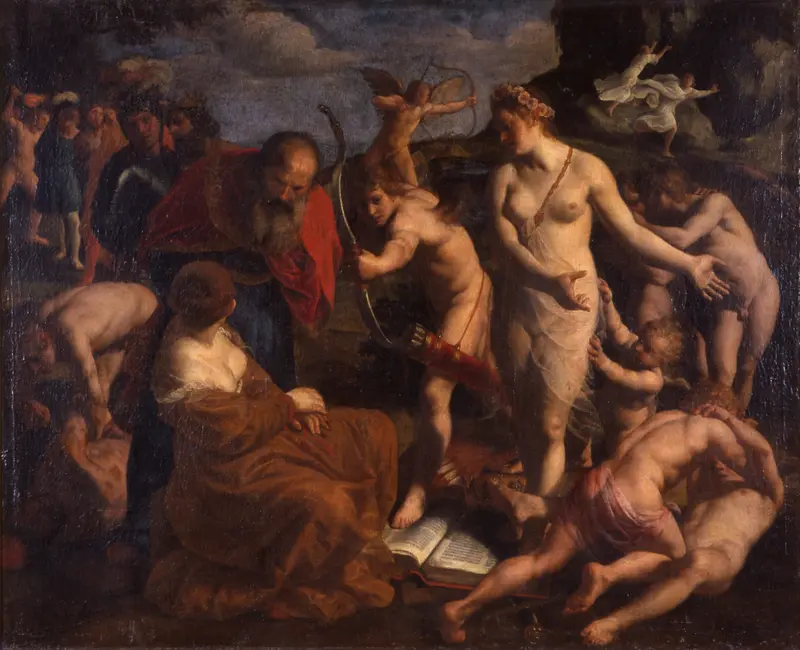
Allegory on the Power of Love ('Omnia Vincit Amor')
Alessandro Turchi
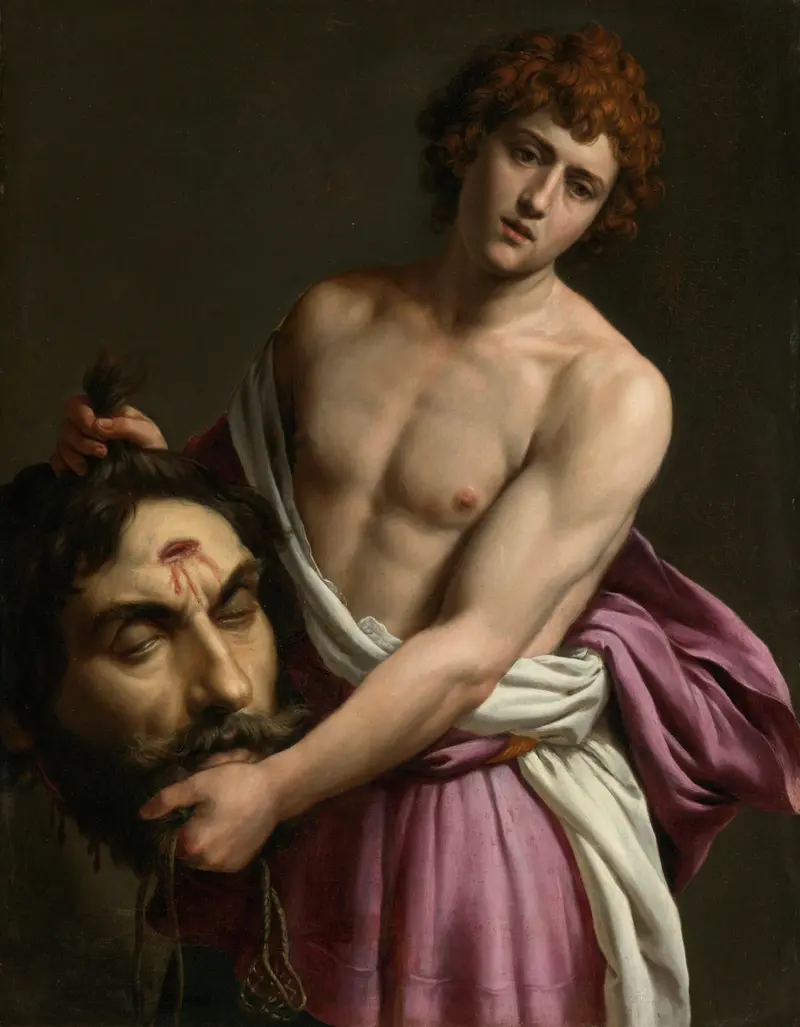
David with the Head of Goliath
Alessandro Turchi
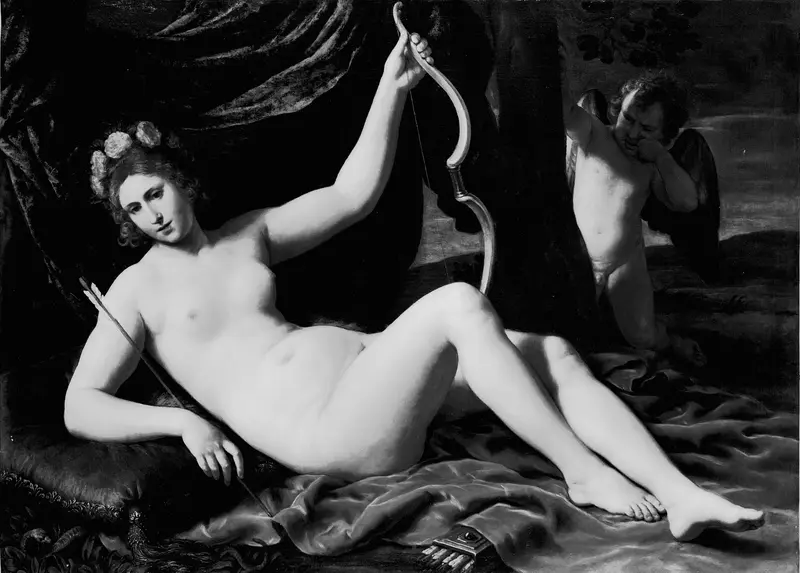
Venus and Cupid
Alessandro Turchi
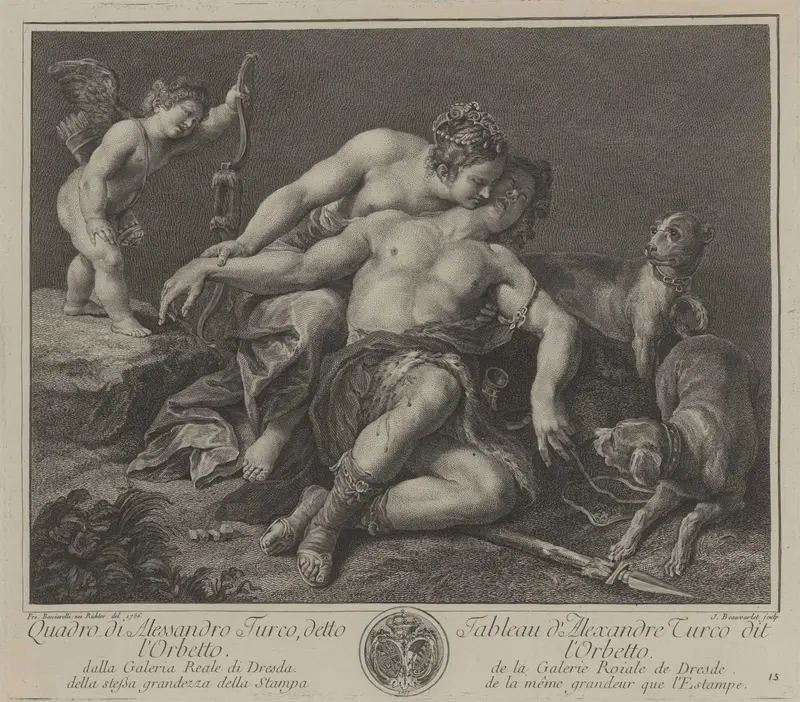
Venus and Adonis
Alessandro Turchi





